What Is a 630mm Diameter Conveyor Pulley?
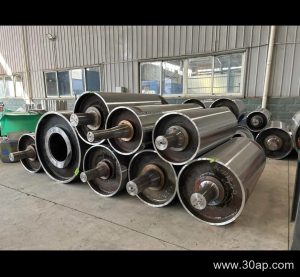
A 630mm diameter conveyor pulley is a large-diameter drum used to drive, tension, or redirect a conveyor belt in bulk material handling systems. With a nominal diameter of 630 mm, this pulley falls into the mid-to-large size range, making it suitable for high-capacity conveyors that move heavy loads over long distances. Unlike smaller pulleys, a 630mm diameter unit offers greater belt wrap and reduced bending stress on the belt, which can extend service life in demanding environments such as quarries, coal preparation plants, and cement works.
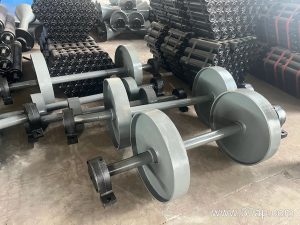
This pulley is often specified as a drive pulley (also called a head pulley) or a tail pulley, depending on its position in the conveyor. It should not be confused with bend pulleys or take-up pulleys, which serve different functions. The 630mm diameter conveyor pulley is typically manufactured with a welded steel shell, reinforced end discs, and a shaft that is sized according to torque and load requirements—not simply by belt width.
Construction and Key Components
The build quality of a 630mm diameter conveyor pulley directly affects conveyor reliability. Common construction features include:
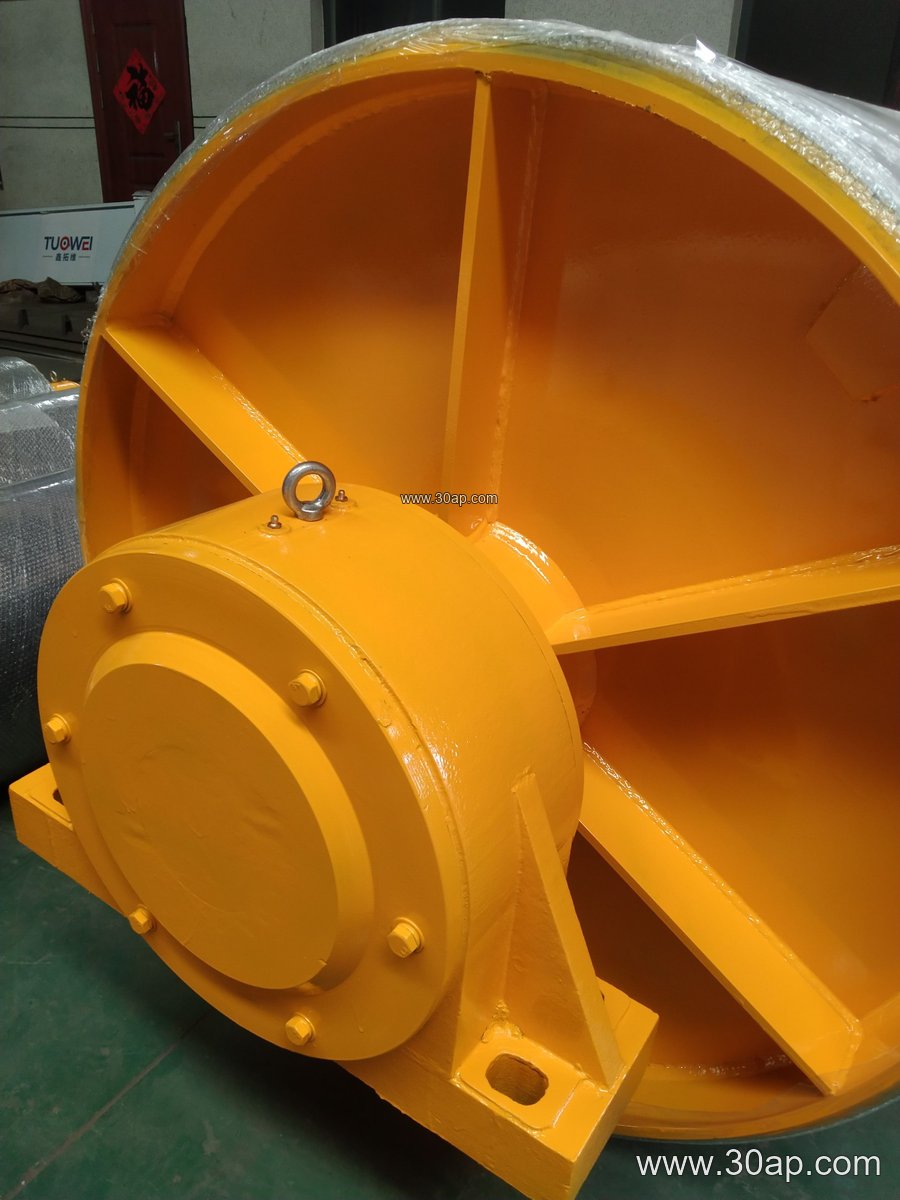
- Shell: Rolled steel plate, often 10–20 mm thick, machined for concentricity.
- End discs: Welded to the shell and hub, with ribs or gussets for stiffness.
- Shaft: Forged or turned steel, with diameters commonly ranging from Ø100 to Ø200 mm for this size class, determined by drive torque and radial loads.
- Bearing housings: Split or solid blocks mounted on the conveyor bracket.
- Surface: Plain, rubber lagged, or ceramic lagged, depending on grip and wear requirements.
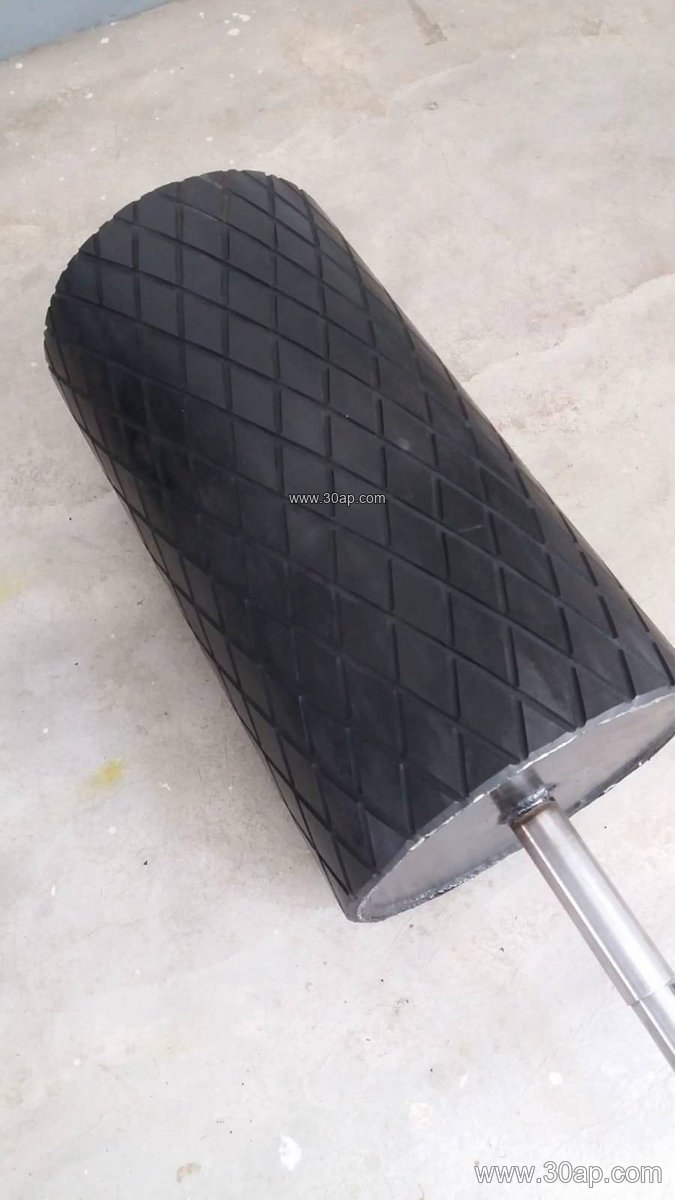
Lagging is a critical option. A 630mm diameter pulley may be supplied with hot vulcanized rubber, cold-bonded rubber, diamond groove lagging, or ceramic tiles. Lagging thickness commonly ranges from 8 mm to 20 mm. In wet or muddy conditions, diamond or herringbone patterns help evacuate water and improve traction.
Where It Fits in a Conveyor System
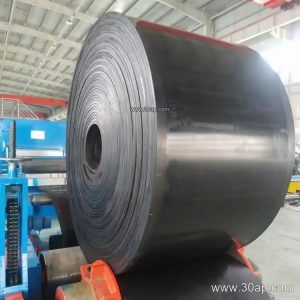
Because of its size, a 630mm diameter conveyor pulley is often found at the head end of a conveyor, driving a rubber conveyor belt or an EP conveyor belt in a primary crushing circuit. It can also serve as a tail pulley on a long overland conveyor or as a tension pulley in a take-up assembly. In coal mining, cement plants, and power plant coal handling, this diameter is a practical choice for belts in the 1000 mm to 1400 mm width range, though the exact match depends on belt tension, speed, and load.
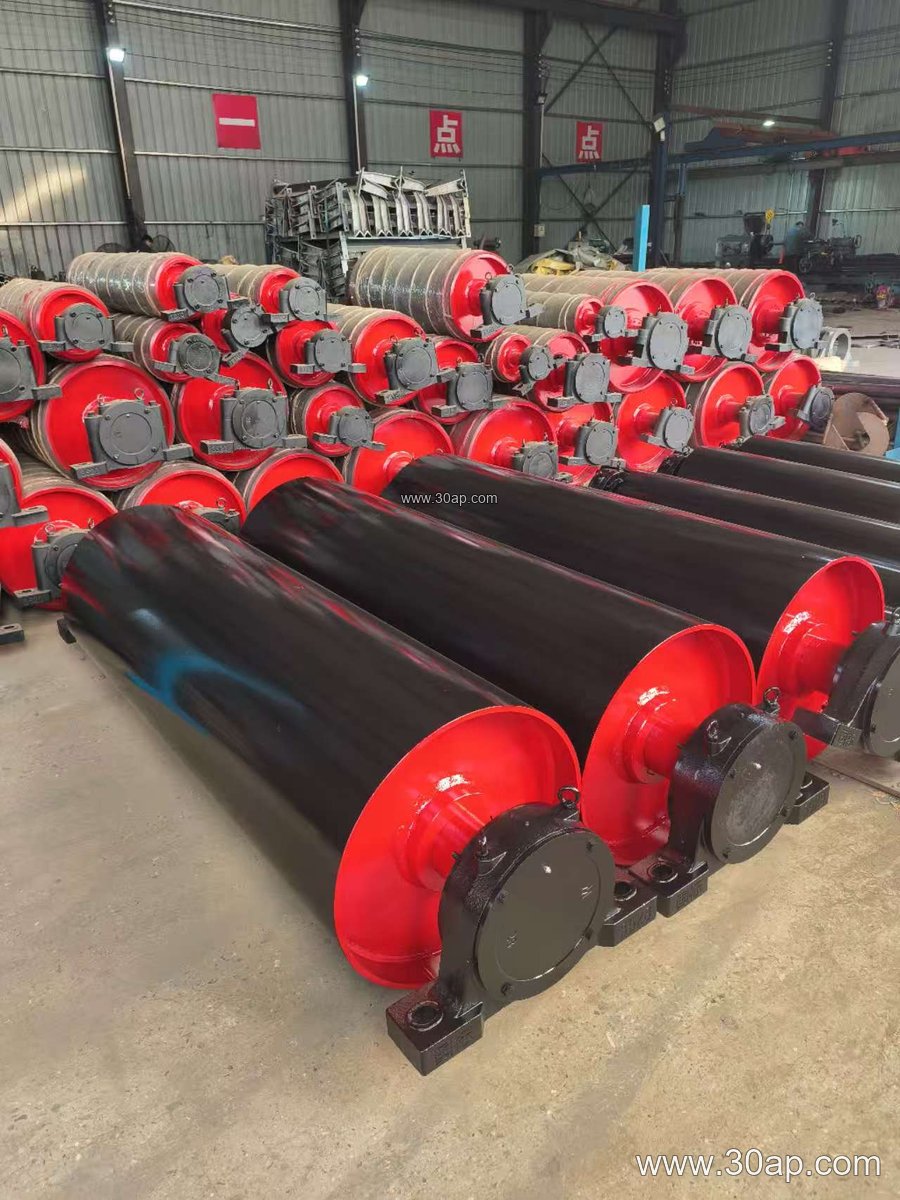
For example, a B1200 conveyor might use a 630mm diameter drive pulley with a 1400 mm face width. A B1000 system could also use the same diameter if the torque and belt rating allow. The pulley works together with idler rollers, conveyor brackets, and the belt itself to maintain smooth operation. In dusty or abrasive service, pairing the pulley with an abrasion resistant conveyor belt and well-sealed bearings reduces maintenance downtime.
Specifications and Options
While no single specification fits every conveyor, the following table shows typical reference values for a 630mm diameter pulley. These are common ranges, not universal guarantees.
| Parameter | Common Range / Option |
|---|---|
| Diameter | 630 mm |
| Belt width compatibility | B800, B1000, B1200, B1400 (depending on design) |
| Face width | Usually wider than belt, e.g., 950 mm for B800, 1150 mm for B1000, 1400 mm for B1200 |
| Shaft diameter | Ø100, Ø120, Ø140, Ø160, Ø180, Ø200 (by torque calculation) |
| Lagging type | Plain, rubber lagged, diamond lagged, ceramic lagged |
| Lagging thickness | 8, 10, 12, 15, 20 mm |
| Bearing type | Spherical roller bearing, pillow block |
Buyers should note that a 630mm diameter pulley can be supplied as a drive pulley, tail pulley, or bend pulley—but these are not interchangeable. A drive pulley requires a torque-transmitting connection (keyed, shrink disc, or coupling), while a tail pulley may be plain or lagged for belt tracking. Specify the function clearly when ordering.
Selection and Maintenance Tips
When choosing a 630mm diameter conveyor pulley, consider the belt tension, drive power, and environmental conditions. In a quarry or aggregate line, a rubber lagged pulley with 12–15 mm lagging is often adequate. In a coal mining conveyor, flame retardant and anti-static properties may be required for the belt, and the pulley should be sized to handle shock loads from lump coal.
Regular inspection of lagging wear, bearing condition, and shaft alignment helps prevent belt mistracking and premature failure. Keep the pulley surface clean and ensure that the conveyor bracket and idler rollers are properly aligned. For high-abrasion service, ceramic lagging can outlast plain rubber, but it must be matched to the belt cover grade to avoid excessive wear on the belt itself.
Whether the application is a cement plant clinker line, a copper ore conveyor, or a port bulk terminal, the 630mm diameter conveyor pulley offers a robust solution when correctly specified and maintained. Consult your supplier with actual load data rather than relying on belt width alone to determine shaft size or lagging thickness.