What an EP Conveyor Belt Is
An EP conveyor belt is a fabric core belt built on polyester warp and polyamide weft cords. The carcass is commonly described as an EP fabric core, and in everyday purchasing the product is also called an EP rubber conveyor belt. It carries the same general role as other fabric belts, but its polyester warp gives low stretch under load, while the polyamide weft provides good resistance to impact and flex fatigue.
Because the carcass stretches less than an all-nylon design, an EP conveyor belt usually needs a shorter take-up stroke. This is one reason it appears on long overland runs, plant transfer lines and stockyard systems where belt tracking stability matters.
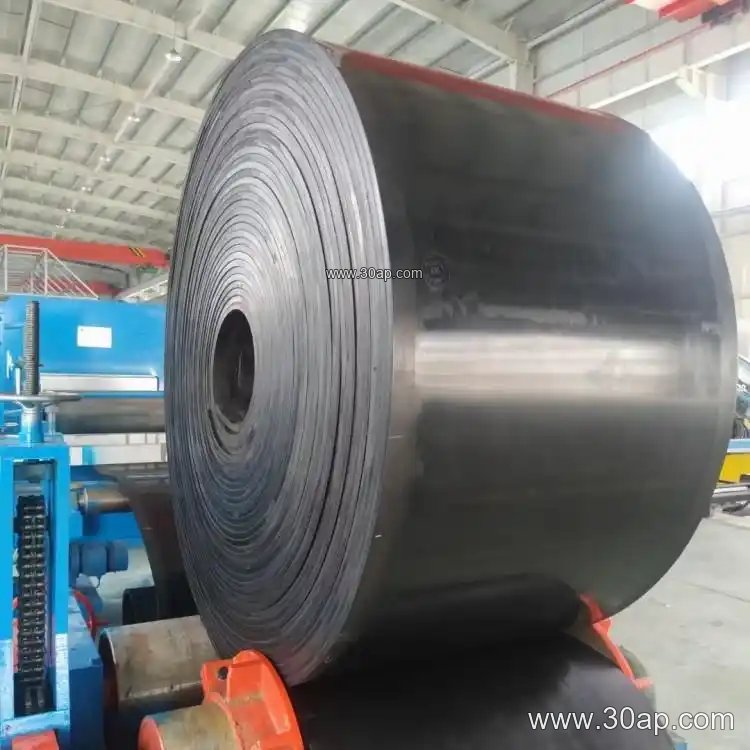
How the Belt Is Put Together
The structure is straightforward, but each layer affects performance:
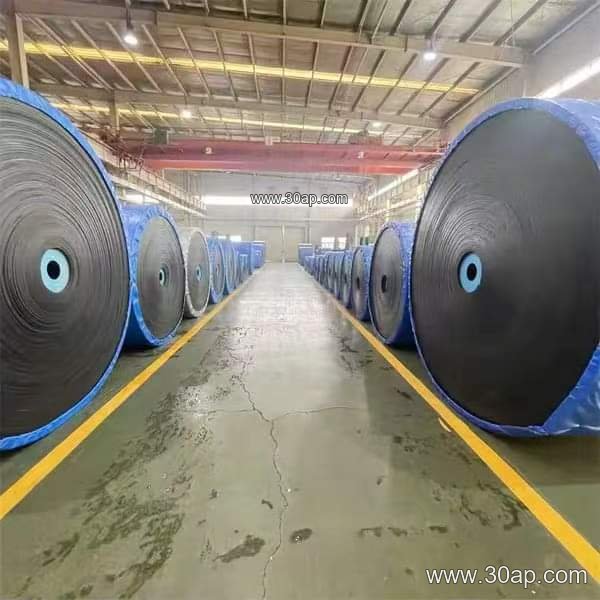
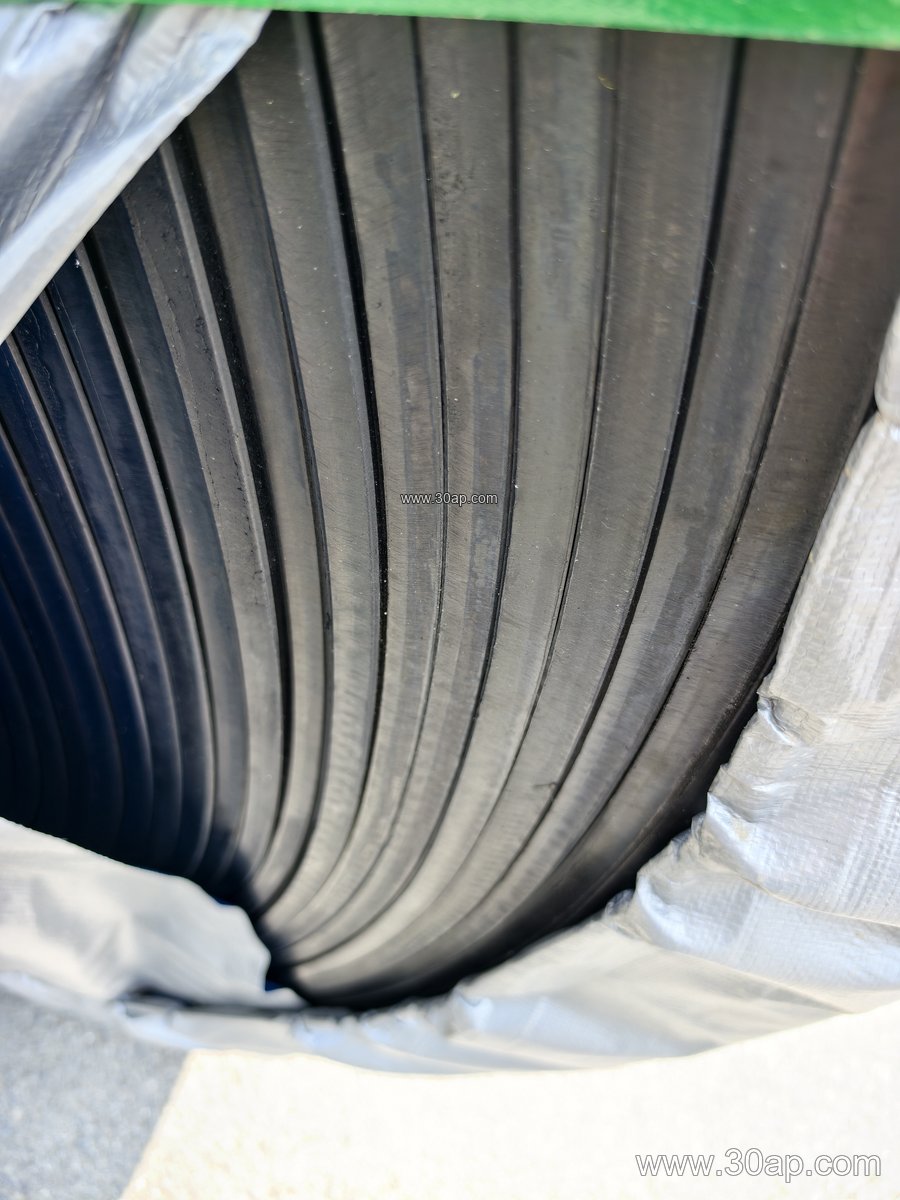
- Carcass: multiple EP fabric plies, usually 2 to 6 layers, bonded with rubber skim between plies.
- Top cover: the wear surface that contacts the bulk material.
- Bottom cover: the pulley-side surface, which also drives through friction.
- Edges: cut or moulded, depending on the manufacturer and the duty.
Cover thickness is written as top plus bottom, for example 4+2 mm, 5+2 mm, 6+2 mm or 8+3 mm. A thicker top cover suits abrasive rock or ore; a thinner cover is enough for lighter, less sharp material. The carcass grade and cover compound should be chosen separately, because strength and wear life are different questions.
Common Strength Grades and Widths
EP belts are named by the tensile strength of the carcass, expressed in newtons per millimetre of belt width. Typical grades include EP200, EP400, EP630, EP800, EP1000, EP1250 and EP1600. Higher grades such as EP2000 are available for demanding tension. Widths commonly range from B500 and B650 up through B1200, B1400, B1800 and B2000. A wide belt is not automatically the right choice, and no single belt width fixes a pulley diameter or shaft size; those are set by the conveyor design.
| Parameter | Common Range | Notes |
|---|---|---|
| Carcass grade | EP200 to EP1600, up to EP2000 | Selected from calculated belt tension |
| Number of plies | 2 to 6 | Depends on grade and manufacturer |
| Belt width | B500 to B2000 | Matched to lump size and capacity |
| Cover thickness | 3+1.5, 4+2, 5+2, 6+2, 8+3 mm | Top plus bottom cover |
Where It Fits in Real Plants
In mining and quarrying, an EP conveyor belt handles crushed rock, aggregate and ore on primary and secondary lines. In a coal preparation plant or underground coal mining conveyor, flame retardant and anti-static versions are usually specified. Cement plants use heat resistant and abrasion resistant grades for clinker and raw meal, while power plants move coal and ash on heavy-duty belts. Ports, ship loading systems, recycling lines and sand making plants also rely on this fabric core design.
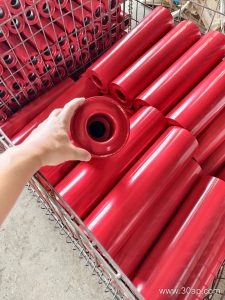
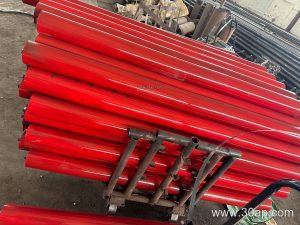
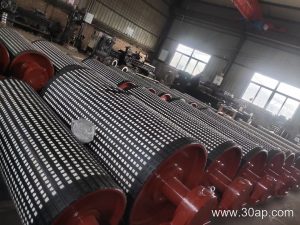
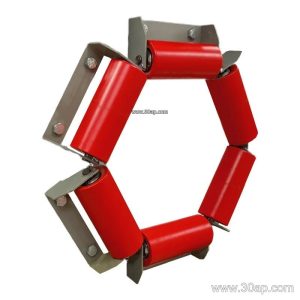
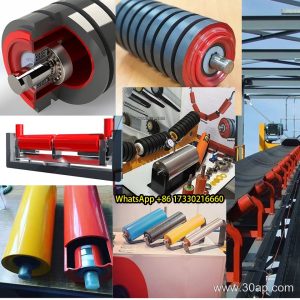
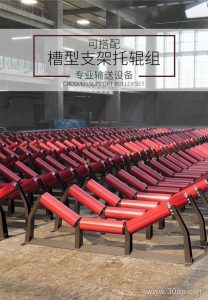
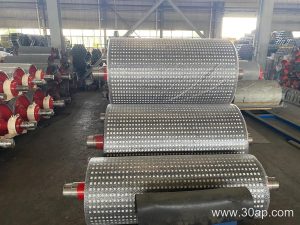
The belt does not work alone. Idler roller spacing, conveyor pulley diameter and lagging, and conveyor bracket alignment all influence belt life. A poorly aligned frame or a worn bend pulley can damage even a correctly rated belt.
Special Compounds and Alternative Designs
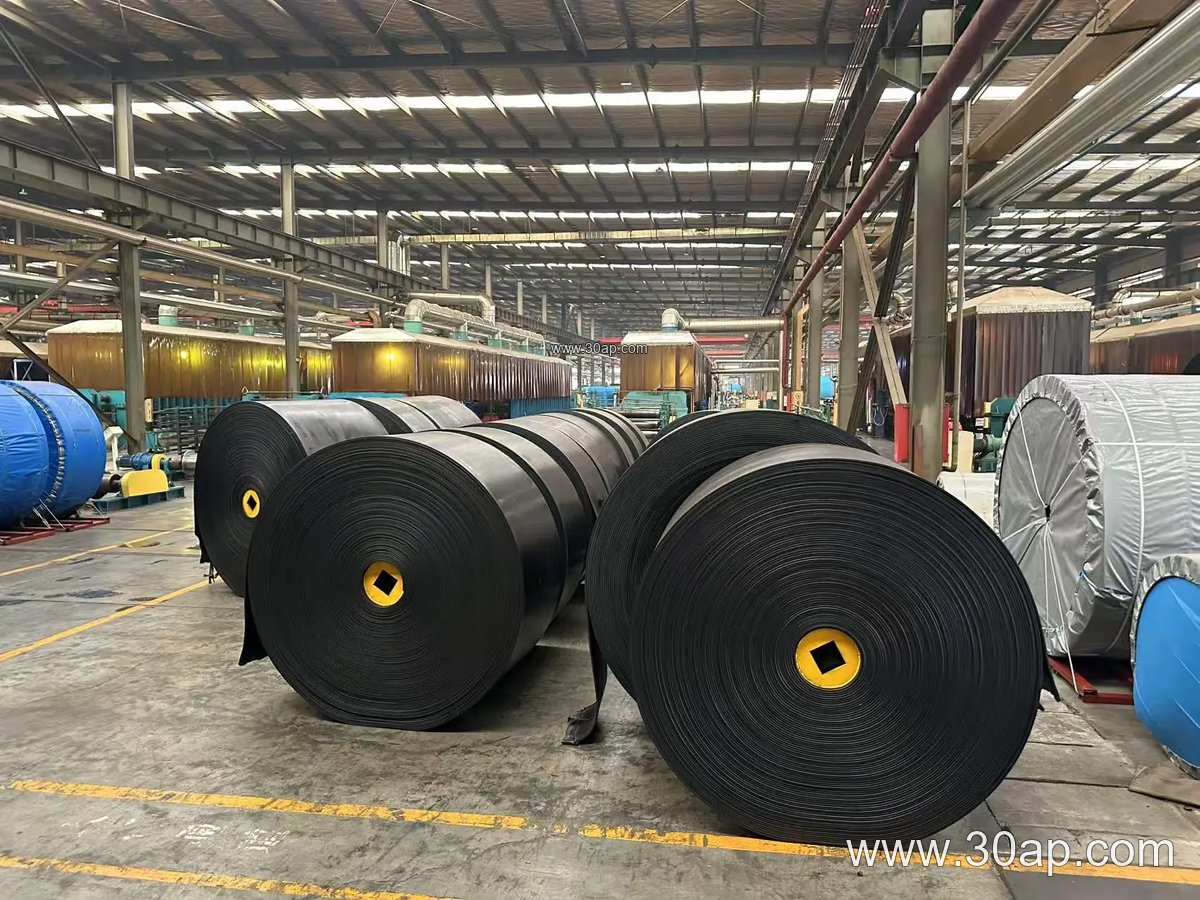
Cover rubber can be formulated for abrasion resistance, heat, oil, acid and chemical exposure, cold, or fire resistance. A chevron conveyor belt adds cleats for steep inclines, and a corrugated sidewall belt with skirts contains material on tight curves. These are separate designs, not substitutes for a flat EP belt. Where tension is very high, a steel cord conveyor belt may be the better answer, and an NN conveyor belt is another fabric option when high elongation is acceptable.
Buyer Checklist
- Confirm the calculated working tension before choosing a grade.
- State material type, lump size, temperature and any oil or chemical contact.
- Give belt width, cover thickness and required flame or anti-static properties.
- Check pulley diameters and take-up travel against the selected carcass.
- Ask how the belt will be joined, since splice strength affects the whole system.
For buyers comparing suppliers of rubber conveyor belt and fabric core conveyor belt products, request the carcass data sheet, cover compound details and splice recommendation in writing. A belt that matches the duty and the conveyor hardware will last far longer than one chosen on strength grade alone. For more information on belting, idlers and pulleys, visit conveyoridler.com and review the technical pages before finalizing an order.