What a Conveyor Leg Does on a Belt Conveyor
A conveyor leg is the vertical support member that carries the weight of a belt conveyor’s idler frames, pulleys, and load down to the floor or foundation. In many conveyor structures, the leg works together with a cross beam and a conveyor bracket to form a stable frame that holds the carrying and return idlers at the correct height and angle. Whether the line runs in a quarry, a limestone mine, a cement plant, or a power plant coal yard, the leg is the part that keeps everything above it aligned and level.
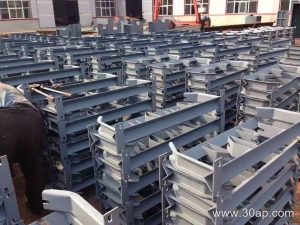
Legs are usually fabricated from angle steel, channel steel, or folded steel plate. The exact section depends on the load, the belt width, and the spacing between supports. A short, light-duty leg on a small aggregate conveyor looks quite different from the heavy fabricated legs used under a wide, high-tonnage line carrying a steel cord conveyor belt.
How the Leg Connects to the Rest of the Frame
The leg rarely works alone. It is bolted or welded to a cross member, and the top of the assembly carries the idler support. The design must allow the trough angle to be set correctly, so the connection point between leg and bracket is often slotted or drilled to suit the required geometry.
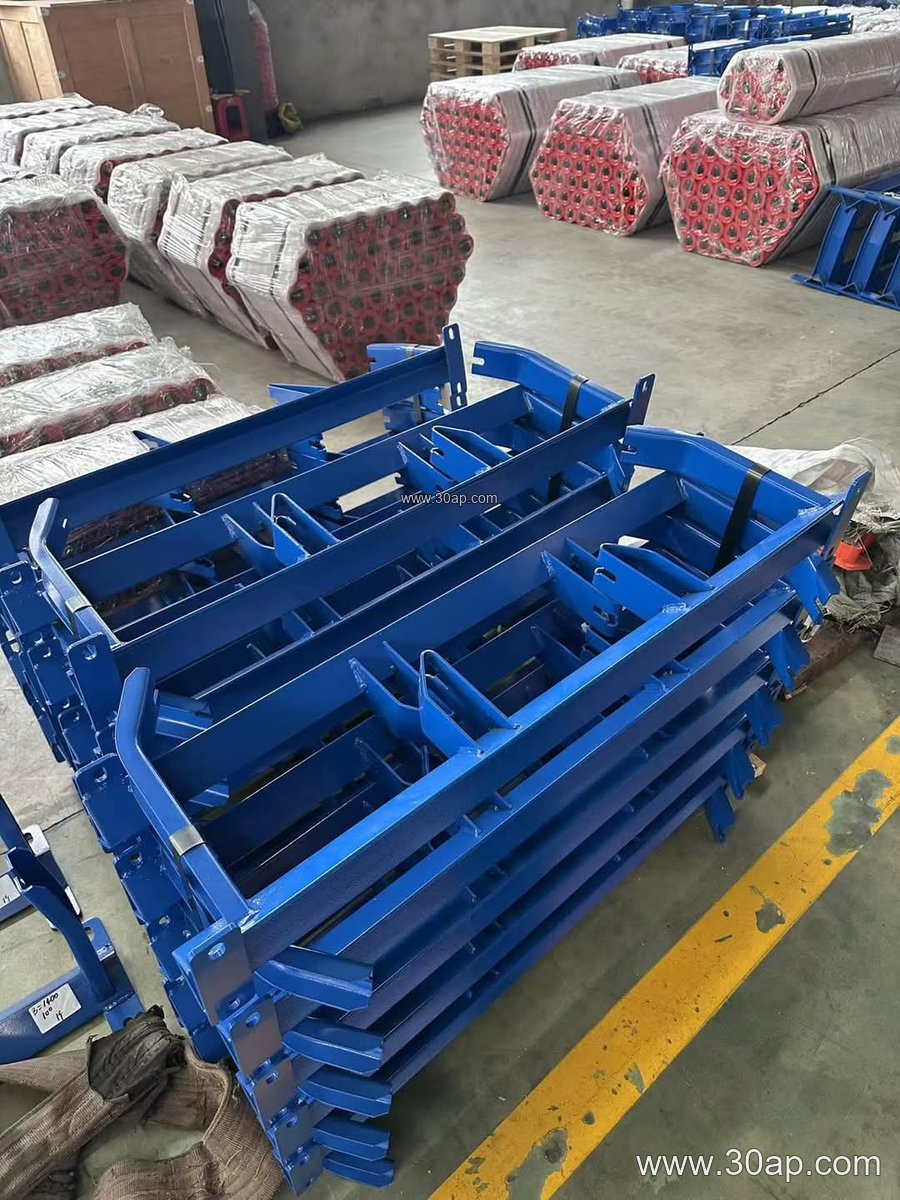
- Fixed legs are made to a set height and trough angle, typically 20, 30, 35, or 45 degrees, and are simple and rigid.
- Adjustable legs allow small changes in height or angle during installation, which helps when the floor is uneven or the belt line needs fine alignment.
- Transition and impact zones may use shorter, reinforced legs to absorb shock from coarse material falling onto the belt.
Matching the leg to the idler frame matters. A B800 frame with 35 degree troughing and Ø108 idlers has different mounting hole spacing than a B1200 frame with 45 degree troughing and Ø133 idlers. Hole spacing and beam length change with belt width and trough angle, so they should be confirmed against the drawing rather than assumed.
Where Conveyor Legs Are Used
Any elevated belt conveyor needs support, so legs appear across a wide range of bulk handling sites. In a stone crushing and screening line, legs hold the discharge and transfer conveyors above the stockpiles. In a cement plant, they support clinker and raw material belts. In a coal-fired power plant, they carry the coal handling conveyors that feed the bunkers.
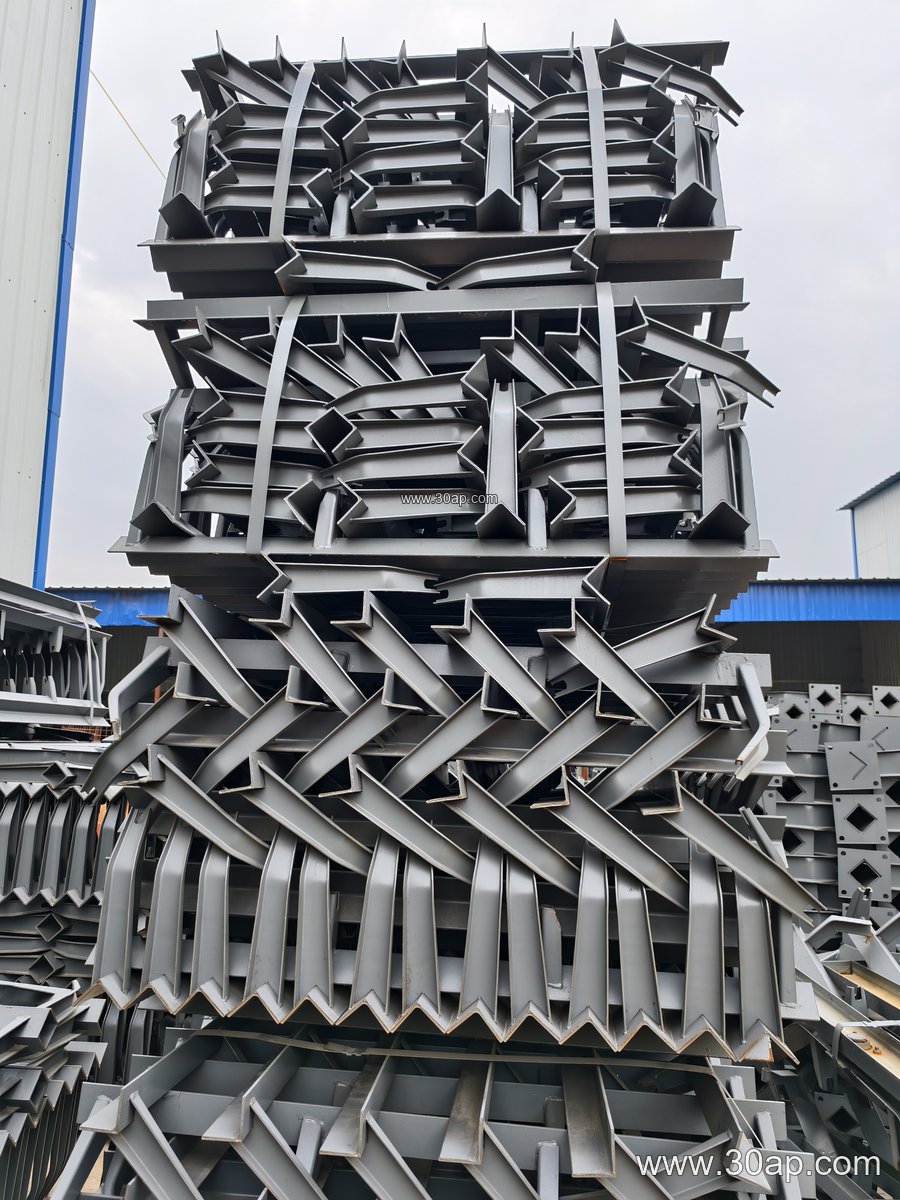
The working environment affects the leg design. A quarry line exposed to dust and washdown may use galvanized or painted legs, while a coal mining conveyor belt system underground may need legs that fit tight clearances and resist corrosion. On a long overland line carrying an abrasion resistant conveyor belt, leg spacing and foundation design become more important than the leg section alone.
Matching the Leg to Belt Width and Idler Size
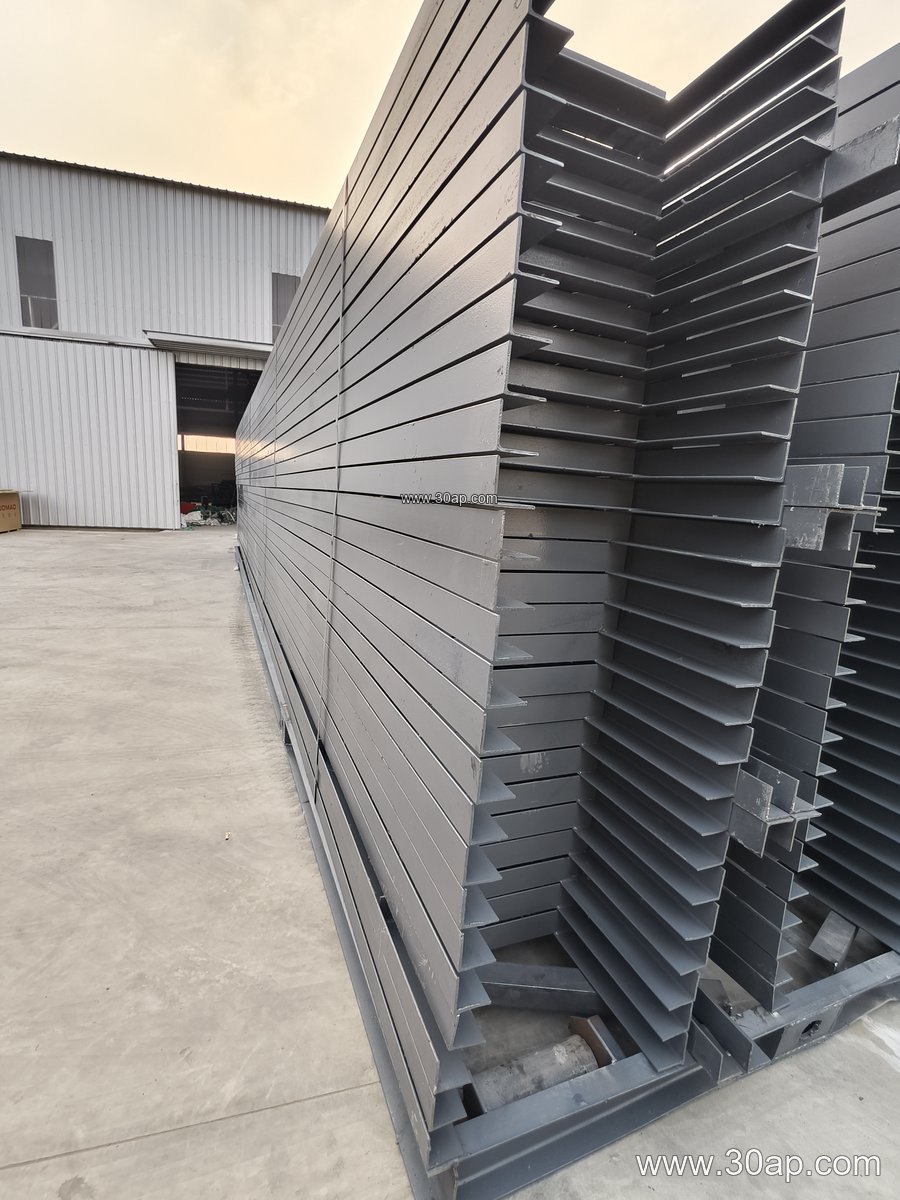
There is no single leg size for a given belt width. A B650 conveyor with 30 degree troughing and Ø89 idlers can use a lighter leg than a B1400 line with 45 degree troughing and Ø159 idlers, but the final choice depends on load, span, and wind or seismic conditions. The table below shows common reference combinations; treat them as starting points for design, not fixed rules.
| Belt width | Typical trough angle | Common idler diameter | Leg duty |
|---|---|---|---|
| B500 / B650 | 20 to 30 degrees | Ø89 | Light |
| B800 / B1000 | 30 to 35 degrees | Ø108 | Medium |
| B1200 / B1400 | 35 to 45 degrees | Ø133 | Heavy |
| B1600 / B1800 | 35 to 45 degrees | Ø159 / Ø194 | Heavy duty |
A wide belt such as a 1800mm or 2000mm conveyor belt does not automatically require one particular leg; the structural engineer sizes the leg from the actual reactions at each support. Likewise, a high-strength conveyor belt with a heavy carcass increases the tension and load, which may call for closer leg spacing rather than a larger section.
What Buyers Should Check Before Ordering
Purchasing conveyor legs is mostly a matter of matching drawings. Before ordering, confirm the belt width, the trough angle, the idler diameter, the mounting hole pattern, and the required leg height. Ask for the material specification and surface treatment, since a leg in a fertilizer plant or a port handling salt may need better corrosion protection than one in a dry limestone mine.
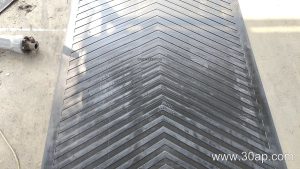
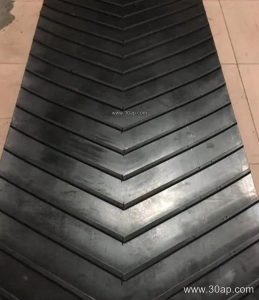
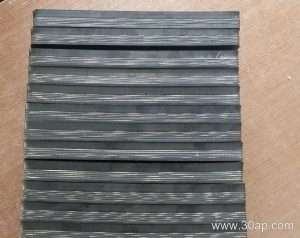
Also check how the leg interfaces with the conveyor bracket and cross beam. A leg that fits the bracket but not the beam wastes installation time. For projects involving a pipe conveyor belt, a corrugated sidewall belt, or a chevron belt on an incline, confirm that the leg height and frame geometry suit the belt profile and the transition lengths.
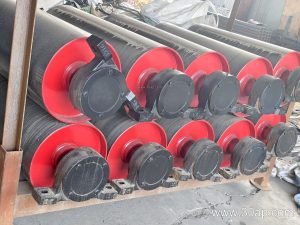
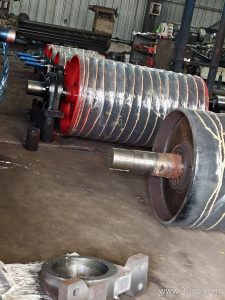
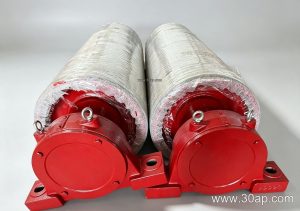
Finally, consider maintenance access. Legs near a drive or tail pulley should leave room for inspection and for removing a conveyor pulley when it needs replacement. Small details at the design stage save significant downtime later.