What a Wear-Resistant Lagged Pulley Is
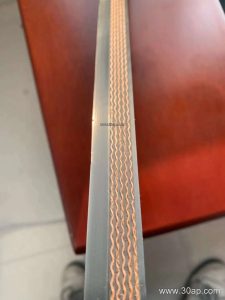
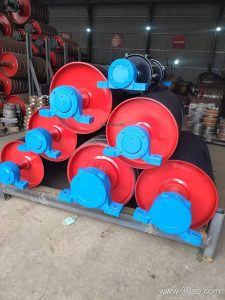
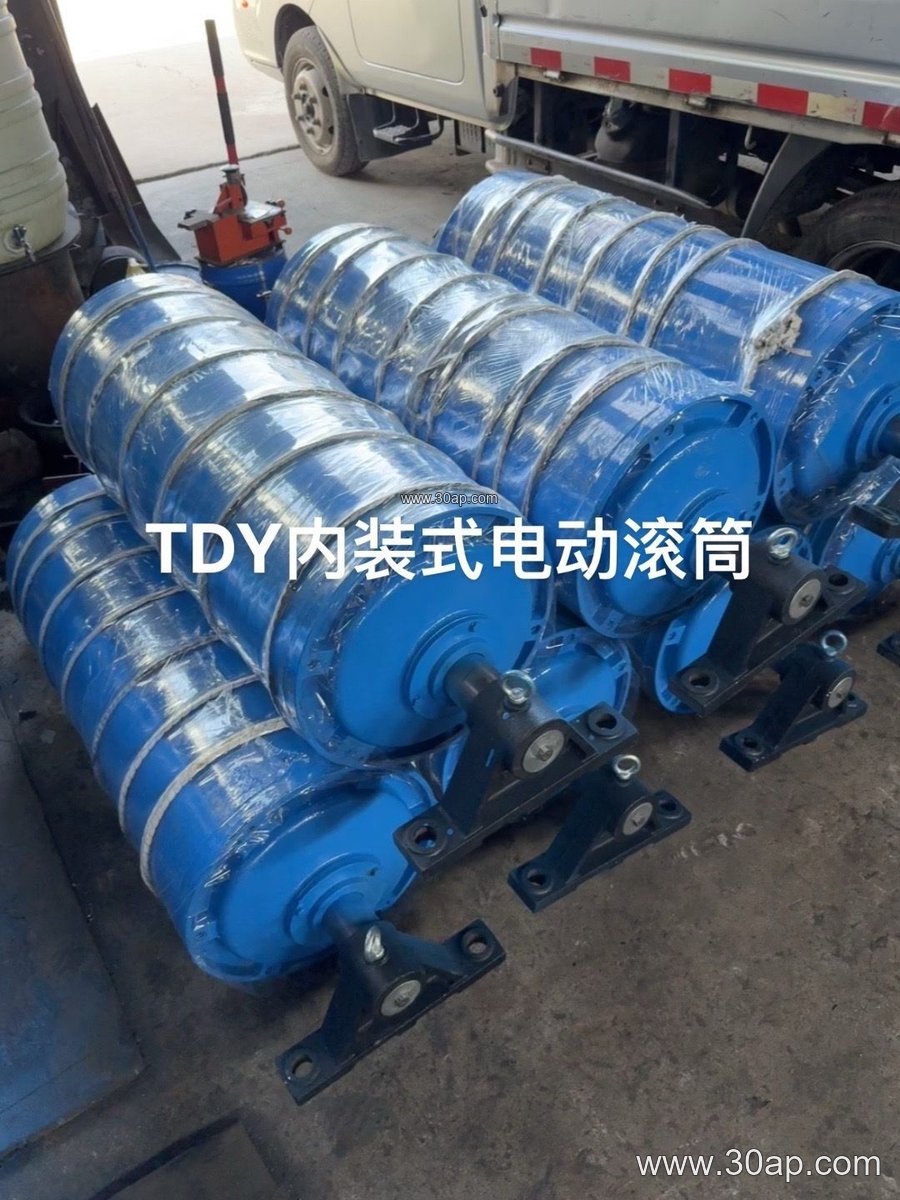
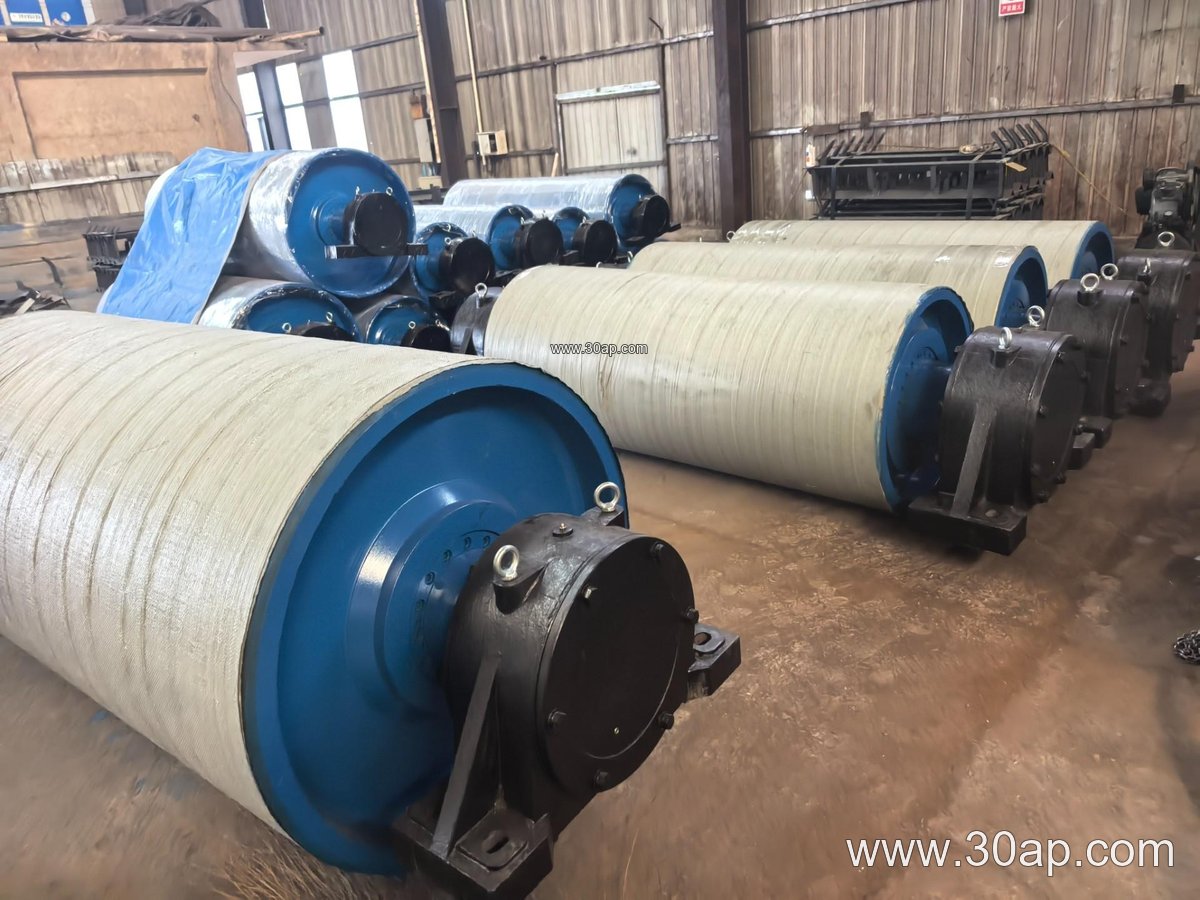
A wear-resistant lagged pulley is a conveyor pulley whose shell is covered with a durable rubber or ceramic layer to protect the drum and improve grip on the conveyor belt. This covering, called lagging, shields the pulley surface from abrasive bulk materials and reduces belt slip in tough operating conditions. In a quarry or a cement plant, the constant flow of sharp rock and clinker quickly wears plain steel drums, so a lagged version is often chosen to extend service life and maintain steady tension. The same pulley can be referred to as a rubber-lagged conveyor pulley or a ceramic-lagged drum, depending on the surface material.
Construction and Surface Options
The base is a welded steel shell with shafts, hubs, and bearing housings. Lagging is applied by hot vulcanization, cold bonding, or casting directly onto the shell. Common surface forms include plain rubber, diamond groove, herringbone, and ceramic tiles. Thickness typically ranges from 8 mm to 20 mm, with 10 mm and 12 mm being frequent choices for general duty. The right surface pattern depends on the belt and the material: diamond or herringbone lagging helps shed water and fines, while ceramic lagging offers high abrasion resistance for very sharp loads. For a conveyor moving abrasive ore, a high abrasion resistant conveyor belt paired with a properly lagged pulley reduces both belt and drum wear.
Where It Fits in the Conveyor
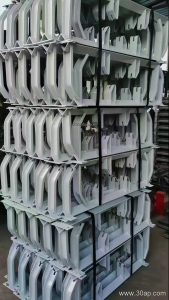
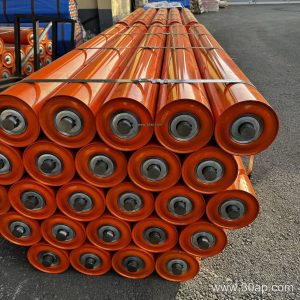
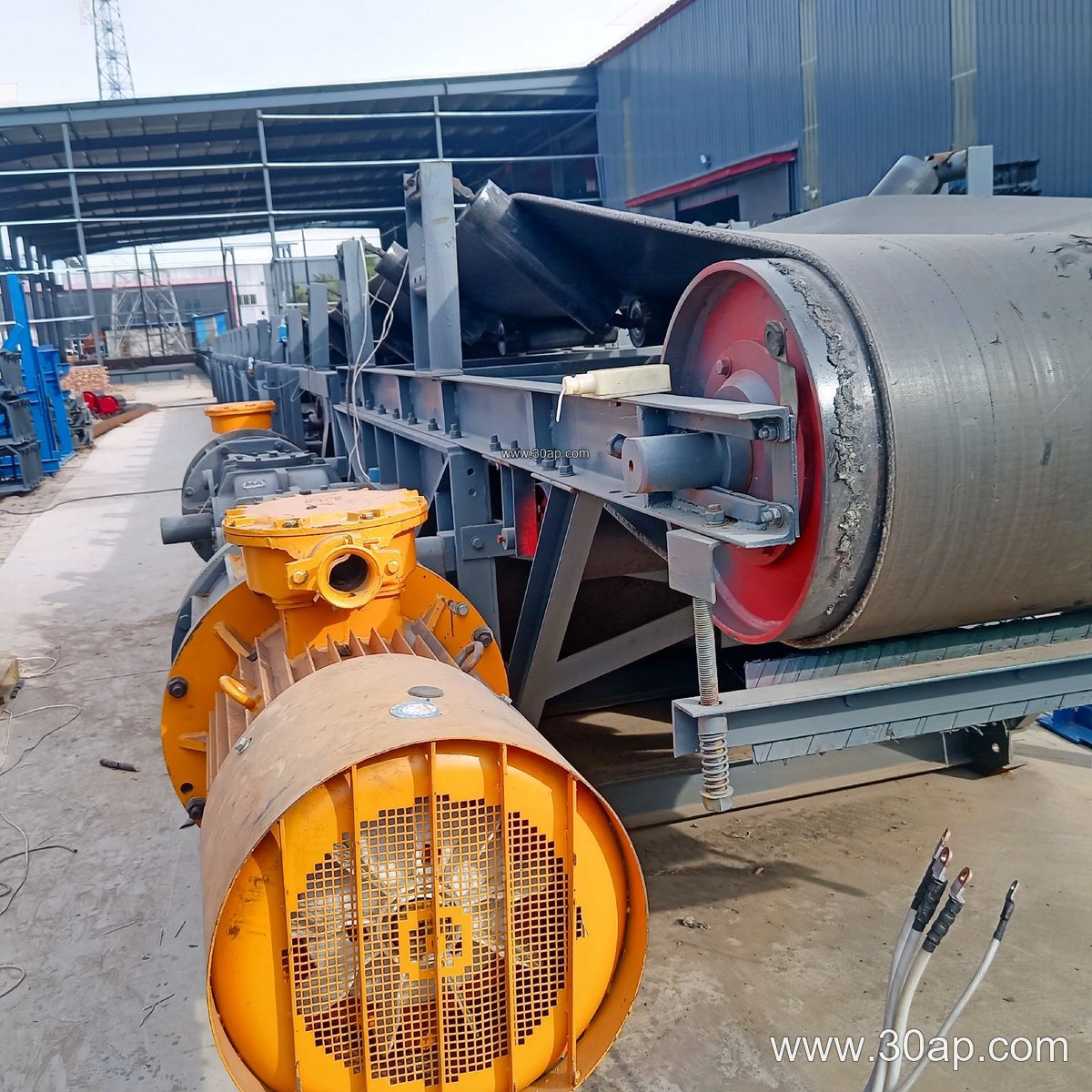
Lagged pulleys are used at drive, tail, bend, and tension positions, but each location has different demands. The drive pulley needs the highest friction to transmit power without slip, so a diamond or ceramic lagging is common. Tail pulleys often use plain rubber lagging to protect the belt and shed material. Bend and tension pulleys may use thinner lagging to keep the belt path smooth. In a coal mining conveyor system, a flame retardant conveyor belt and a lagged pulley work together to meet safety and grip requirements. The pulley is not interchangeable with an idler roller or a conveyor bracket; each component has its own role in the conveyor frame.
Key Parameters at a Glance
Buyers should consider belt width, pulley diameter, shaft diameter, lagging type and thickness, and bearing size. The table below shows common reference combinations; actual values are determined by the conveyor design, torque, and load.
| Belt Width (B) | Typical Pulley Face Width | Common Diameter Range | Lagging Thickness |
|---|---|---|---|
| B500 | about 600 mm | Ø250–Ø400 | 8–12 mm |
| B800 | about 950 mm | Ø400–Ø630 | 10–15 mm |
| B1000 | about 1150 mm | Ø500–Ø800 | 10–15 mm |
| B1200 | about 1400 mm | Ø630–Ø1000 | 12–20 mm |
| B1400 | about 1600 mm | Ø800–Ø1250 | 12–20 mm |
Shaft diameter is selected by torque and load, not by belt width alone. Common shaft sizes include Ø80, Ø100, Ø120, Ø140, and Ø160, but the final choice belongs to the conveyor designer.
Applications Across Industries
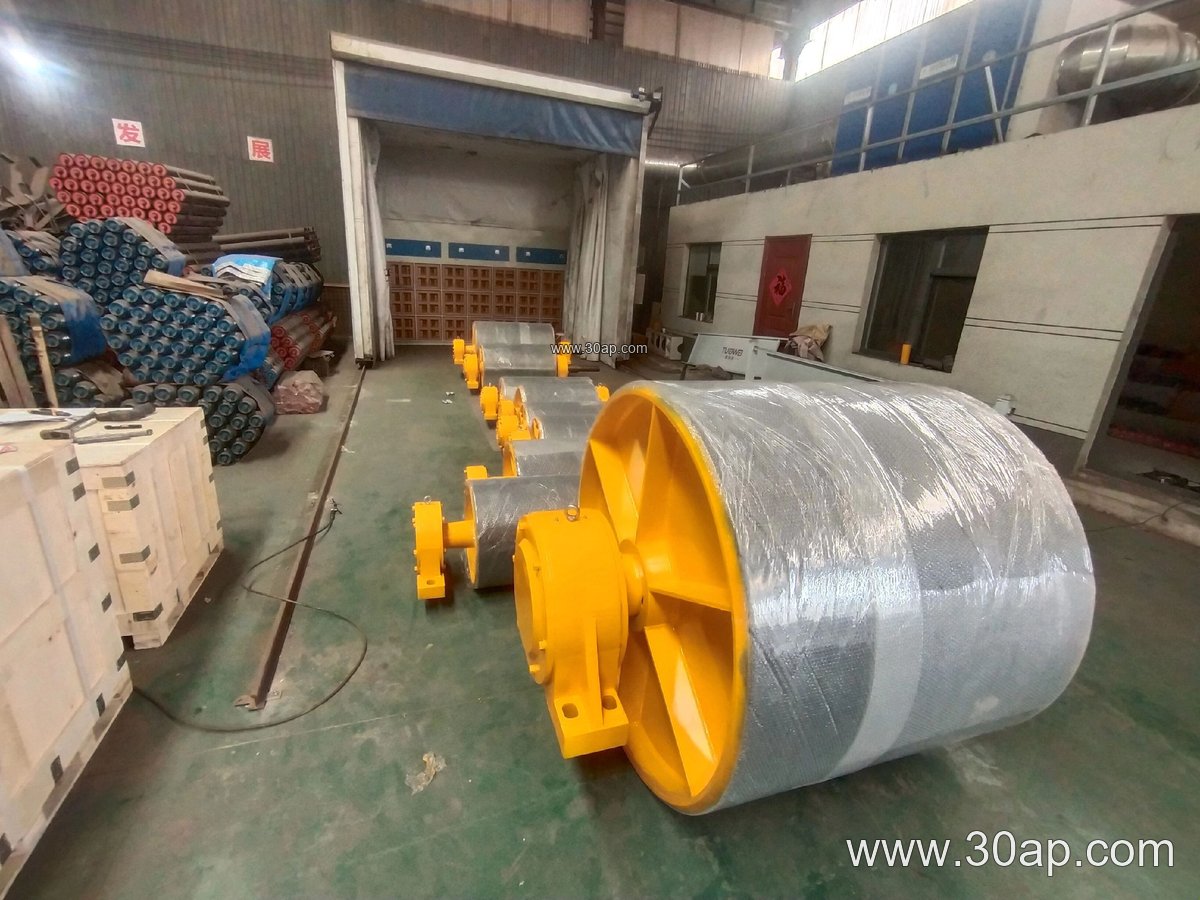
Wear-resistant lagged pulleys are found in limestone quarries, iron ore concentrators, coal preparation plants, and power station coal handling. In a sand and aggregate line, they help a crusher conveyor belt stay aligned under heavy impact. In cement plants, they handle hot clinker and abrasive raw meal. Port bulk terminals use them on ship loading conveyors where salt air and heavy loads demand robust lagging. The pulley also suits steel plant sinter lines, fertilizer plants, and tunnel spoil removal. Wherever a heavy-duty mining conveyor belt runs, a properly lagged pulley contributes to stable operation.
Buyer Checklist
- Confirm belt width, pulley diameter, and shaft size from the conveyor drawing.
- Choose lagging material and pattern based on abrasion, moisture, and slip risk.
- Specify bearing type and housing to match the conveyor bracket.
- Check that the pulley face width exceeds the belt width to allow for tracking.
- Plan a maintenance schedule to inspect lagging wear and re-lag when needed.
For assistance with wear-resistant lagged pulley selection, visit our site or contact our engineering team with your conveyor details.