What a 630mm Drive Pulley Does
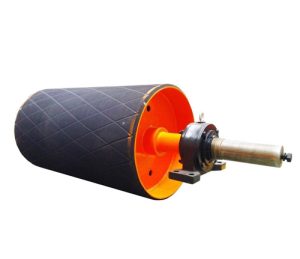
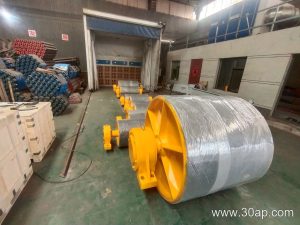
A 630mm drive pulley is the powered drum at the head of a belt conveyor, and its 630 mm diameter makes it a common choice for mid-to-heavy-duty material handling. As the main conveyor pulley that transmits torque from the gearbox to the belt, it must grip the belt without slip while keeping the carcass under controlled tension. In quarry and limestone operations, this head-end drum often sets the pace for the whole conveying line, and its condition directly affects throughput and belt life.
Construction and Surface Options
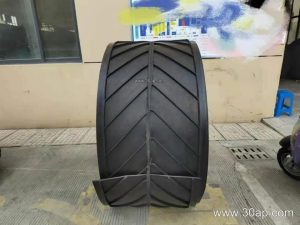
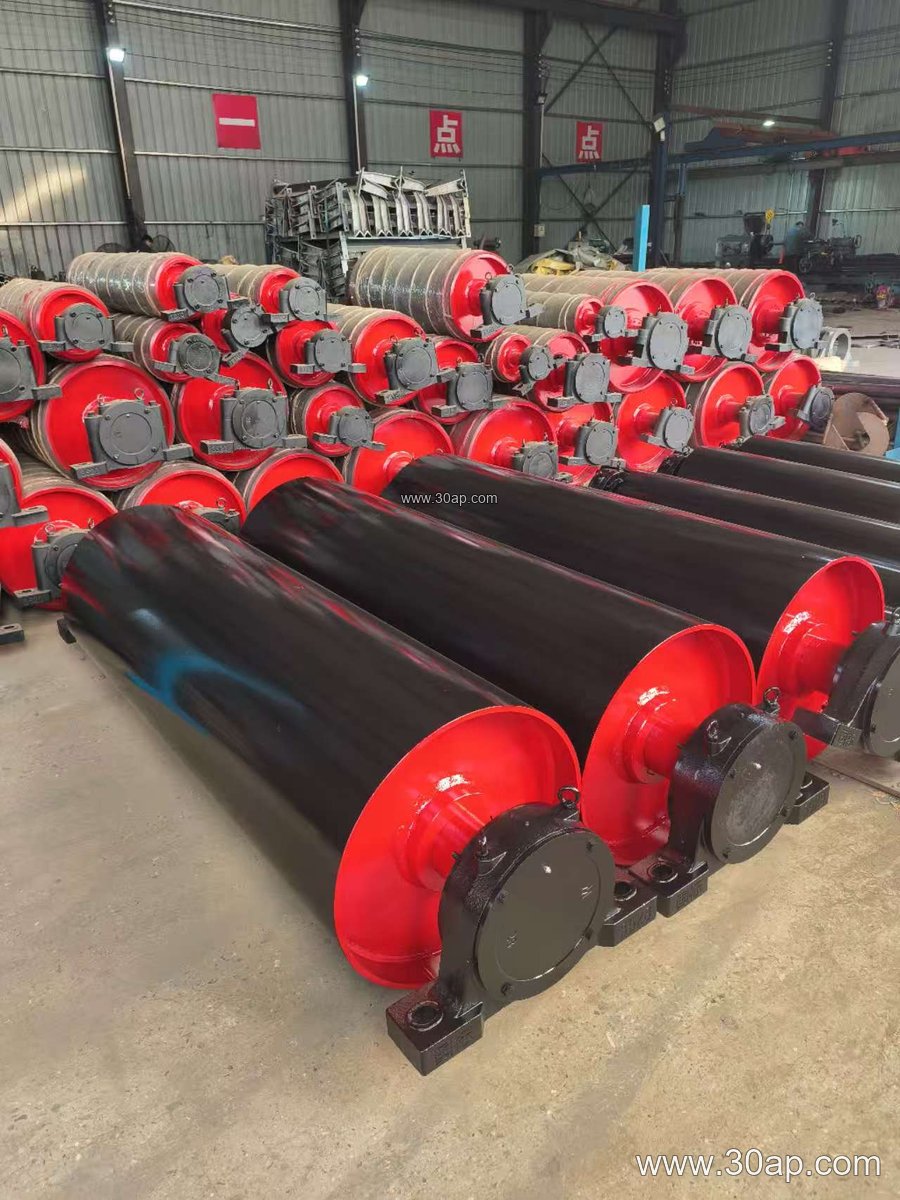
The drum is typically built from a welded steel shell with dished or flat end discs, a shaft sized by torque and load rather than belt width alone, and bearing housings that fit standard conveyor brackets. Surface treatment is where a 630mm drive pulley earns its grip. Common forms include plain finish, cast rubber, cold-bonded rubber, hot-spliced rubber, diamond grooving, herringbone grooving, ceramic lagging, and flat rubber sheet. Lagging thickness commonly runs 8, 10, 12, 15, or 20 mm depending on the duty. For a head drive in a stone crushing line, diamond or herringbone lagging helps shed water and fines, while ceramic lagging suits high-traction, abrasive service.
Where It Fits in the Conveyor
This drum is a drive pulley, not a tail or bend pulley, and the distinction matters during specification. The tail pulley returns the belt at the loading end, and bend pulleys redirect the belt around take-up systems; they are not interchangeable with the drive drum. A 630mm drive pulley is often paired with a B800 or B1000 belt, though belt width and drum diameter are matched by design rather than fixed rules. Pulley face width usually exceeds belt width, for example about 950 mm face for B800 and about 1150 mm for B1000. In a coal washing plant or power plant coal yard, the drive drum works alongside idler rollers and conveyor brackets to keep the line running smoothly.
Common Sizes and Pairings
The table below shows typical reference pairings; actual shaft diameter and lagging are determined by torque, belt tension, and site conditions.
| Belt Width (B) | Typical Pulley Face Width | Example Drive Pulley Combination |
|---|---|---|
| B650 | about 750 mm | B650 × Ø630 |
| B800 | about 950 mm | B800 × Ø630 |
| B1000 | about 1150 mm | B1000 × Ø630 |
| B1200 | about 1400 mm | B1200 × Ø630 |
Shaft diameters commonly range from Ø80 to Ø160 for this class of drum, but the final size follows the torque calculation. A 630mm drive pulley may also appear in cement plant clinker lines and port bulk terminals where a compact head-end footprint is needed.
Belt Compatibility and Selection Notes
Because the drive drum transfers force through friction, the belt carcass and cover matter. A heavy-duty mining conveyor belt or abrasion resistant conveyor belt with a robust cover tolerates the contact pressure better than a thin general-purpose belt. In underground coal mining, a flame retardant conveyor belt is often required, and the drive pulley lagging should be selected to match the belt’s friction characteristics. For long overland runs, an EP conveyor belt or steel cord conveyor belt may call for a larger diameter than 630 mm, so confirm the belt’s minimum pulley diameter before ordering. Buyers should also check lagging thickness, bearing type, and whether the drum is supplied with a shaft and keyway or as a bare shell.
Maintenance and Buyer Checklist
- Inspect lagging wear and groove depth regularly; worn lagging reduces traction and can cause belt slip.
- Check bearing temperature and lubrication intervals, especially in dusty quarry or cement environments.
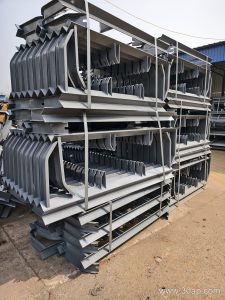
- Verify alignment with the conveyor bracket and adjacent idler roller to avoid belt mistracking.
- Confirm the drive pulley is balanced for the intended belt speed and that the shaft diameter matches the gearbox coupling.
For a 630mm drive pulley, the practical goal is a drum that matches the belt width, delivers reliable grip, and fits the head-end structure without overloading the shaft. Whether the line handles limestone, coal, clinker, or iron ore, the drive drum should be specified as part of the whole conveyor system rather than as a standalone part.