What a Metallurgical Conveyor Pulley Does
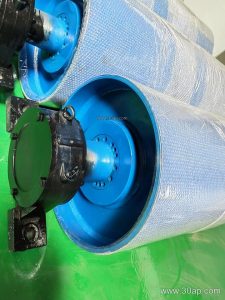
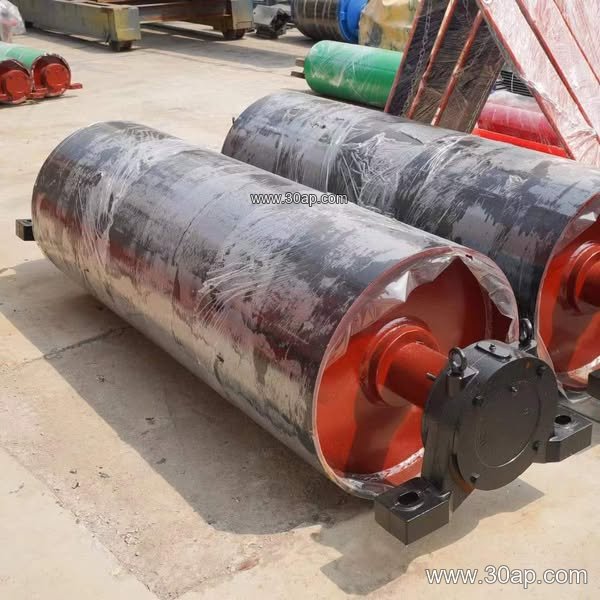
A metallurgical conveyor pulley is the rotating drum that transmits motion to the conveyor belt and sets its path at the head, tail, tension, or bend position. In a sinter plant, a pelletizing line, or a coke handling circuit, this drum works under constant grit, heat, and heavy loads, so it is usually built as a welded steel shell with machined end discs, a through shaft, and bearing housings mounted on a sturdy frame. The same product is often called a metallurgical drum pulley or simply a conveyor pulley, and both names describe the same component.
The drum is not a passive roller. It carries the belt tension, transfers torque from the drive, and keeps the belt tracking true along the structure. In a steel plant or a metallurgical processing line, a poorly matched pulley shows up quickly as belt slippage, edge wear, or premature bearing failure.
Construction Details That Matter
Most units combine a rolled or welded shell, reinforced end plates, and a shaft sized by torque rather than by belt width alone. Common shaft diameters include Ø80, Ø100, Ø120, Ø140, Ø160, Ø180, and Ø200, but the final value is set by the drive calculation and the load case. Shell diameters commonly range from Ø315 and Ø400 up to Ø1000, Ø1250, and Ø1400 depending on belt speed and tension requirements.
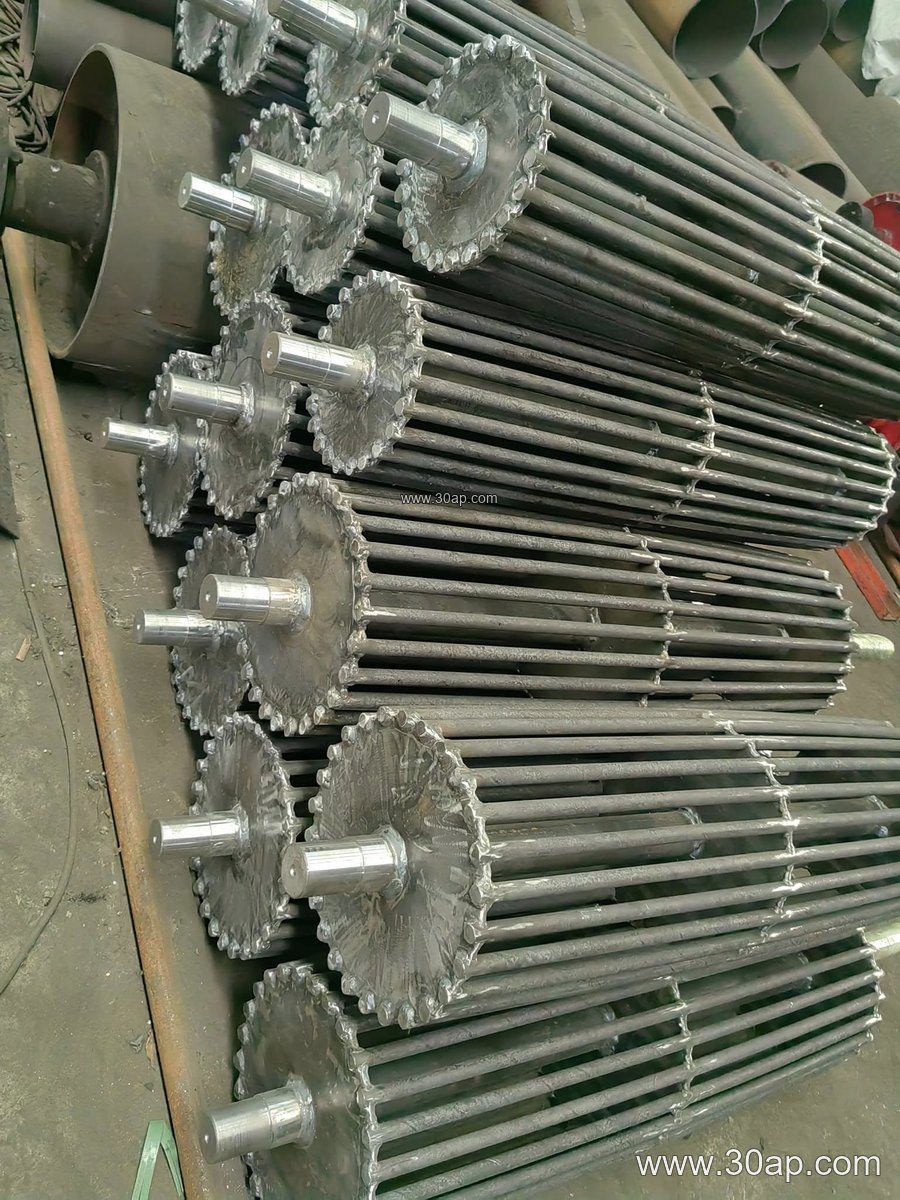
The surface form is chosen for grip and material conditions. Plain finish suits clean, low-slip duties. Rubber lagging applied by cold bonding or hot vulcanizing improves friction on wet or dusty belts, while diamond or herringbone grooving helps shed water and fines. Ceramic lagging is used where abrasion is severe, and lagging thickness is often 8, 10, 12, 15, or 20 mm. Face width normally exceeds belt width, for example about 1150 mm for a B1000 belt or about 1600 mm for a B1400 belt, but these are reference figures, not fixed pairings.
Where It Fits in the Plant
In a sinter or pellet plant, the drive pulley at the head end pulls the loaded belt, while the tail pulley returns it. A bend pulley redirects the belt around an obstacle, and a tension pulley maintains take-up. These roles are not interchangeable: a drive pulley must transmit torque, a tail pulley mainly guides and supports, and a bend pulley changes direction with modest wrap angle.
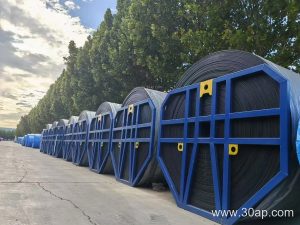
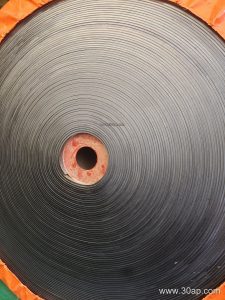
The same drum family appears in cement plants, coal preparation circuits, and power plant coal yards. A heavy-duty mining conveyor belt carrying iron ore or copper ore places high tension on the shell, so the drum and its lagging must resist abrasion. In a quarry or aggregate line, a fabric core conveyor belt such as an EP200 or EP300 belt may run over a smaller drum, while a steel cord conveyor belt on a long overland route needs a larger diameter and a stronger shaft. A flame retardant conveyor belt used underground also demands careful surface selection to avoid slip and spark risk.
Matching the Drum to the Belt
Belt type influences pulley choice more than any single dimension. A thick, stiff steel cord belt needs a larger diameter to limit bending stress, while a thin fabric belt can run over a smaller shell. The table below gives typical reference combinations; actual selection follows the conveyor design.
| Belt width reference | Typical face width | Common shell diameter | Typical duty |
|---|---|---|---|
| B650 | about 750 mm | Ø315 to Ø500 | Small aggregate or cement transfer |
| B800 | about 950 mm | Ø400 to Ø630 | Quarry and crusher feed |
| B1000 | about 1150 mm | Ø500 to Ø800 | Ore and sinter handling |
| B1200 | about 1400 mm | Ø630 to Ø1000 | Heavy bulk material lines |
| B1400 | about 1600 mm | Ø800 to Ø1250 | Steel plant and port duty |
These values are indicative only. A B1200 belt can work with a Ø1000 drum on one conveyor and a different diameter on another, because speed, tension, and available space all shape the result.
Buyer Checklist
- Confirm the pulley role: drive, tail, bend, or tension. Each has a different load profile.
- State the belt type and construction, including whether it is an abrasion resistant conveyor belt or a heat resistant conveyor belt.
- Provide belt width B and required face width, plus the shaft diameter from the drive calculation.
- Specify lagging type and thickness, such as 10 mm diamond rubber or 15 mm ceramic.
- Describe the environment: dust, moisture, temperature, and whether the line runs underground.
- Ask for bearing housing and bracket details so the drum fits the existing conveyor bracket and frame.
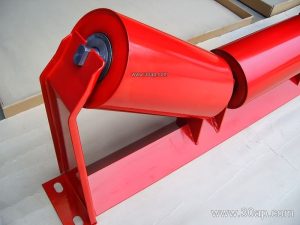
Keep spare idler roller and pulley stocks consistent with the same duty class, and record the shell diameter, face width, and lagging specification for each position. For metallurgical service, a correctly specified conveyor pulley protects the belt, reduces downtime, and keeps the whole conveyor line running steadily.