What an 800mm Conveyor Belt Is
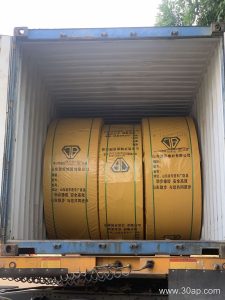
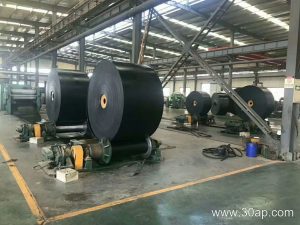
An 800mm conveyor belt is a belt with a nominal width of B800, one of the common middle widths in bulk handling. It sits between narrow belts used on small transfer lines and wide belts found in high-capacity main haulage. You will see this width in mines, coal preparation plants, cement works, power stations and sand and gravel yards, where it carries crushed rock, clinker, coal, ore or aggregate over distances that make trucking uneconomic.
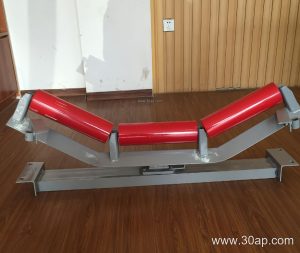
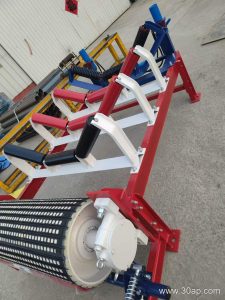
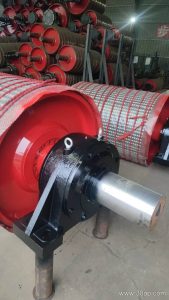
The belt itself is only one part of the circuit. It runs over a conveyor pulley at the drive end and another at the tail, supported along the carrying run by idler rollers mounted in conveyor brackets. The belt width, the trough angle of the idlers and the pulley face width all have to suit each other, but none of them is fixed by the belt width alone.
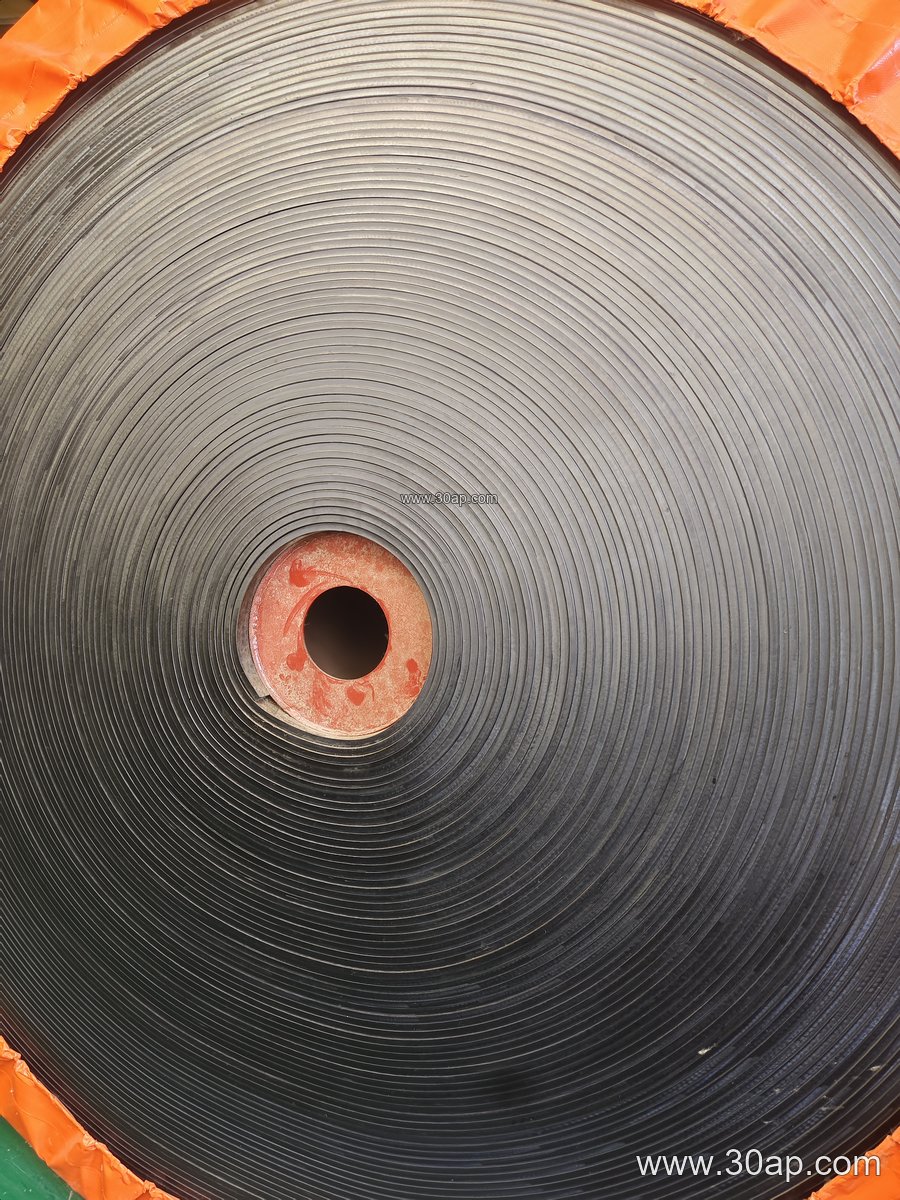
Construction and Common Specifications
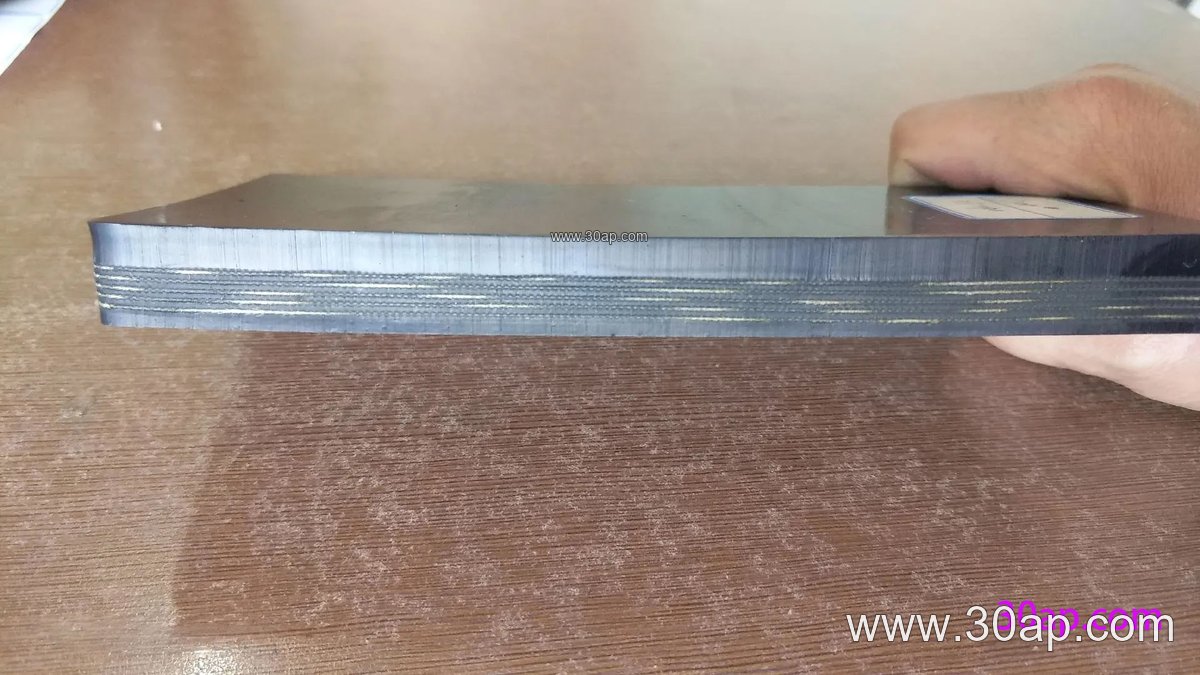
Most 800mm belts are fabric-reinforced or steel cord reinforced, with rubber covers on both faces. The carcass carries the tension, while the covers protect it from abrasion, impact and the material being carried. Buyers usually specify strength, cover thickness and special properties together, because a belt that is strong enough but not abrasion resistant will wear out early in a hard-rock application.
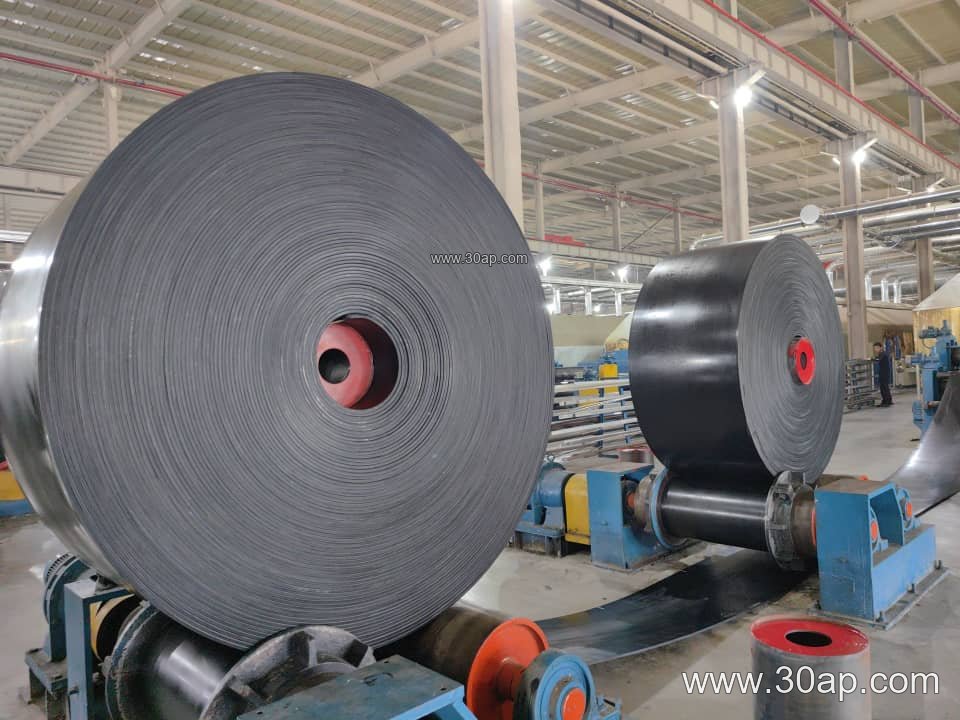
The following values are typical reference points, not universal specifications. Actual constructions vary between manufacturers and should be confirmed against the duty.
Typical Reference Data for B800 Belts
- Belt width: B800 (800 mm nominal)
- Fabric types: EP conveyor belt, NN nylon conveyor belt
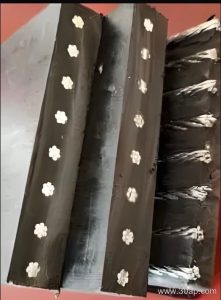
- Steel cord: steel cord conveyor belt for longer, higher-tension runs
- Strength grades: EP200, EP315, EP400, EP500, EP630, EP800, EP1000
- Cover thickness: 3+1.5, 4+2, 5+2, 6+2, 8+3 mm
- Fabric plies: commonly 2 to 6, depending on tension
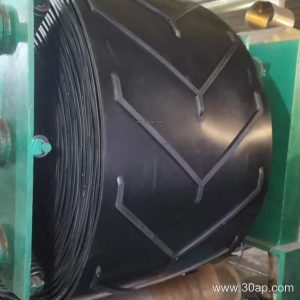
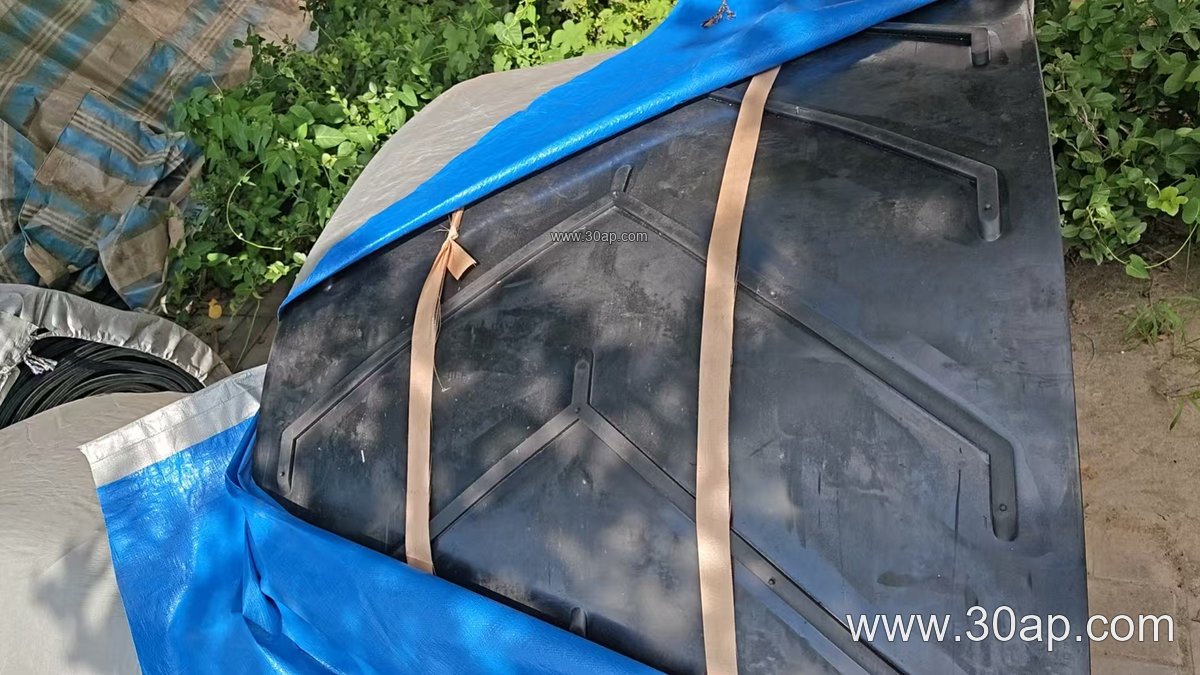
- Surface forms: plain, patterned or chevron for inclined sections, corrugated sidewall for steep inclines
- Special grades: wear resistant, heat resistant, oil resistant, flame retardant, antistatic, cold resistant, acid and alkali resistant
- PVC and PVG belts: used where fire resistance or lighter duty is the priority
Where the Width Fits in a Conveyor
An 800mm belt is a practical choice for medium-capacity lines. In a coal mine it may form part of a panel conveyor; in a cement plant it may feed a crusher or transfer clinker; in a power station it may handle coal from stockpile to bunker. The same width appears in sand and gravel plants moving screened aggregate between stockpiles.
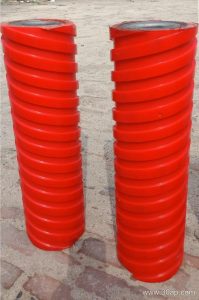
Because the belt is moderately wide, troughing idler rollers are usually set at a standard angle to give the load a rounded profile, and the belt is kept centred by training idlers or self-aligning rollers. Drive, tail and bend pulleys each do a different job and are not interchangeable: the drive pulley transmits torque, the tail pulley returns the belt, and a bend pulley changes direction or adjusts wrap. An 800mm belt may run with a pulley of a particular diameter, but that diameter is set by the belt construction, tension and wrap angle, not by the width figure on its own.
Selection Points for Buyers
Start with the material and the duty. A hard, sharp aggregate calls for a thicker abrasion-resistant cover, while hot clinker needs a heat-resistant grade and possibly a heat-resistant carcass. Coal and other combustible dusts may call for flame retardant and antistatic properties. If the conveyor climbs steeply, a patterned or chevron surface, or a corrugated sidewall belt, can help hold the load.
Then confirm the tension. The required strength grade follows from the load, incline, length and starting conditions. A short yard conveyor and a long trunk conveyor in a mine can both be 800mm wide yet need very different EP or steel cord constructions.
Finally, check the interface. Confirm pulley face width, idler trough angle and bracket dimensions with the conveyor designer so the belt runs true. Keep the belt aligned, maintain idler rollers and pulleys, and avoid over-tensioning. Records of belt grade, cover thickness and splice type make future replacement straightforward.