What an Impact Idler Does
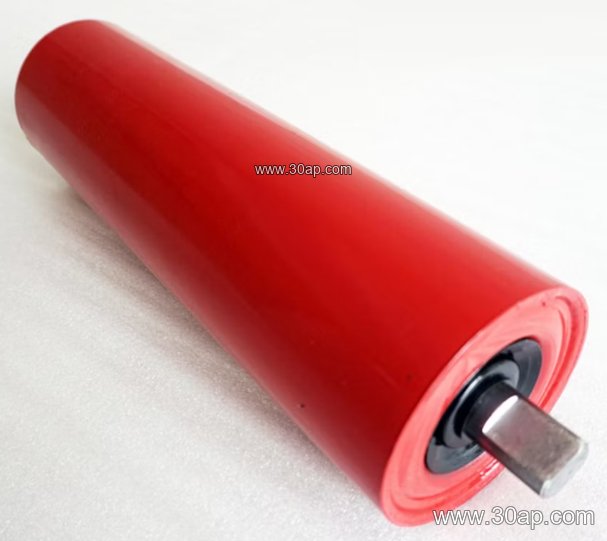
An impact idler is a heavy-duty roller assembly installed at the loading point of a belt conveyor, where bulk material first lands on the belt. Its primary job is to absorb the kinetic energy of falling rock, ore, or aggregate and protect the conveyor belt from cuts, gouges, and premature wear. Unlike standard carrying idlers, impact idlers are built with shock-absorbing elements—most commonly rubber rings or discs—that cushion the blow and distribute the load across a wider area. In quarry, mining, and cement plant operations, this component is often the difference between a belt that lasts for years and one that fails within months.
Construction and Key Components
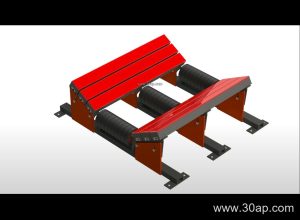
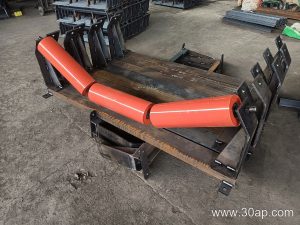
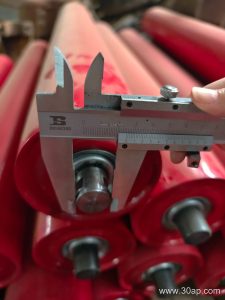
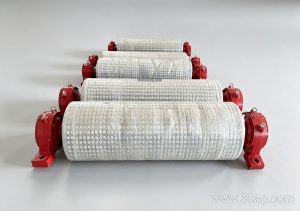
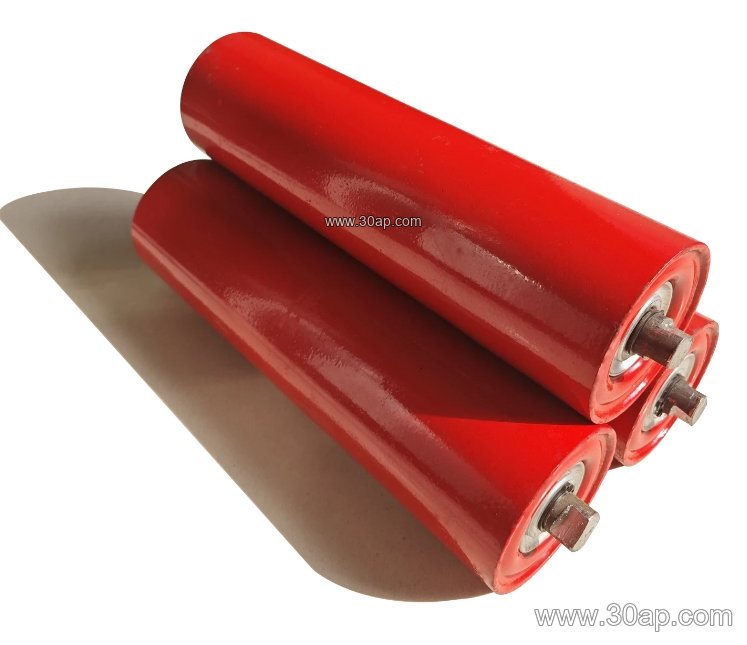
The typical impact idler consists of a steel tube or shaft fitted with a series of rubber rings or a continuous rubber sleeve. The rubber compound is usually abrasion resistant and may be reinforced for additional toughness. Bearings are housed in sealed end caps to keep out dust and moisture, which is critical in environments like coal mining, ore handling, and aggregate processing. Common bearing sizes include 6204, 6205, 6305, 6306, 6308, and 6310, selected according to load and speed requirements rather than a fixed rule. The roller surface can be plain steel, nylon, ceramic, or rubber-covered; for impact service, rubber rings are the most widespread choice because they deform elastically under shock.
Impact idlers are often supplied as part of a three-roll troughing set with a 20°, 30°, 35°, or 45° trough angle. The roll length varies with belt width and trough configuration—for example, a three-roll set on a B800 belt may use rolls around 315 mm long, while a B1200 set might use 465 mm rolls. These are typical references, not mandatory pairings; side rolls and center rolls can differ, and the final dimensions should always be confirmed with the conveyor design.
Where Impact Idlers Are Used
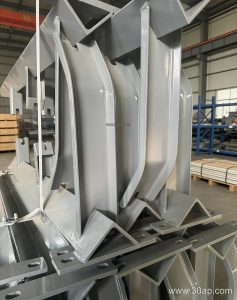
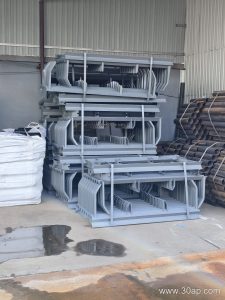
You will find impact idlers at transfer points in limestone quarries, iron ore and copper ore handling circuits, coal preparation plants, power station coal yards, and crushing and screening lines. They are also common in ship loading and port bulk terminals, where large lumps drop from height onto the receiving belt. In these locations, a standard carrying idler would quickly suffer shell denting and bearing damage. The impact idler, by contrast, spreads the force and reduces the risk of belt puncture. It works alongside other conveyor components such as the conveyor pulley, conveyor bracket, and idler roller to keep the line running smoothly.
Selection and Sizing Notes
Choosing an impact idler starts with the belt width and the lump size and drop height of the material. A conveyor carrying large, sharp rock at high drop heights needs a more robust impact idler with thicker rubber rings and heavier bearings. Belt widths from B400 to B2400 are common in bulk handling, and the idler set must match the belt and trough angle. The table below gives typical reference dimensions; actual values depend on the conveyor manufacturer and application.
| Belt Width (B) | Typical Roll Length (three-roll troughing) | Common Roll Diameter Range |
|---|---|---|
| B500 | 200 mm | Ø63–Ø89 |
| B650 | 250 mm | Ø76–Ø108 |
| B800 | 315 mm | Ø89–Ø127 |
| B1000 | 380 mm | Ø102–Ø133 |
| B1200 | 465 mm | Ø108–Ø159 |
| B1400 | 530 mm | Ø127–Ø178 |
| B1600 | 600 mm | Ø133–Ø194 |
| B1800 | 670 mm | Ø159–Ø219 |
| B2000 | 750 mm | Ø178–Ø219 |
Note that these are reference ranges only. A wide belt does not automatically require the largest diameter, and a given roll diameter can serve several belt widths depending on load and speed. Always confirm shaft diameter and bearing selection with the conveyor designer.
Maintenance and Buyer Checklist
Impact idlers should be inspected for rubber ring wear, cracks, and loose fasteners. Seized or noisy bearings indicate seal failure or contamination, especially in dusty coal mining and quarry environments. When replacing, check that the new impact idler matches the existing trough angle, roll length, and mounting bracket. Buyers should also consider the belt type in service—for example, a heavy-duty mining conveyor belt or an abrasion resistant conveyor belt may pair with different impact idler rubber compounds. In cement plants and power plants, heat resistant conveyor belt or flame retardant conveyor belt may be present, but the impact idler itself is selected mainly for shock absorption and dust sealing.
Finally, remember that the impact idler is not a substitute for a bend pulley or drive pulley; it performs a distinct function at the loading zone. Working with a supplier who understands both the conveyor belt and the idler roller system will help ensure the right fit for your site. For more information on conveyor components, visit our site at www.example.com/impact-idler.