What a Parallel Idler Bracket Does on a Conveyor
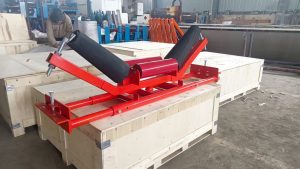
A parallel idler bracket is the support component that holds conveyor idler rollers in a flat, parallel position relative to the belt line. Unlike a troughing bracket that angles the rollers into a V or U shape, this bracket keeps the idler axis horizontal across the frame. It is commonly found on the return side of a conveyor, where the belt runs flat after discharging material, and on certain carrying sections where a flat belt profile is required. In a quarry conveyor or a cement plant transport line, the parallel bracket quietly does the job of keeping the return belt supported and tracking straight.
The bracket is also known as a flat idler bracket or return idler frame, depending on how it is configured. These names describe the same support function, and the choice between them usually comes down to mounting style rather than a different product category.
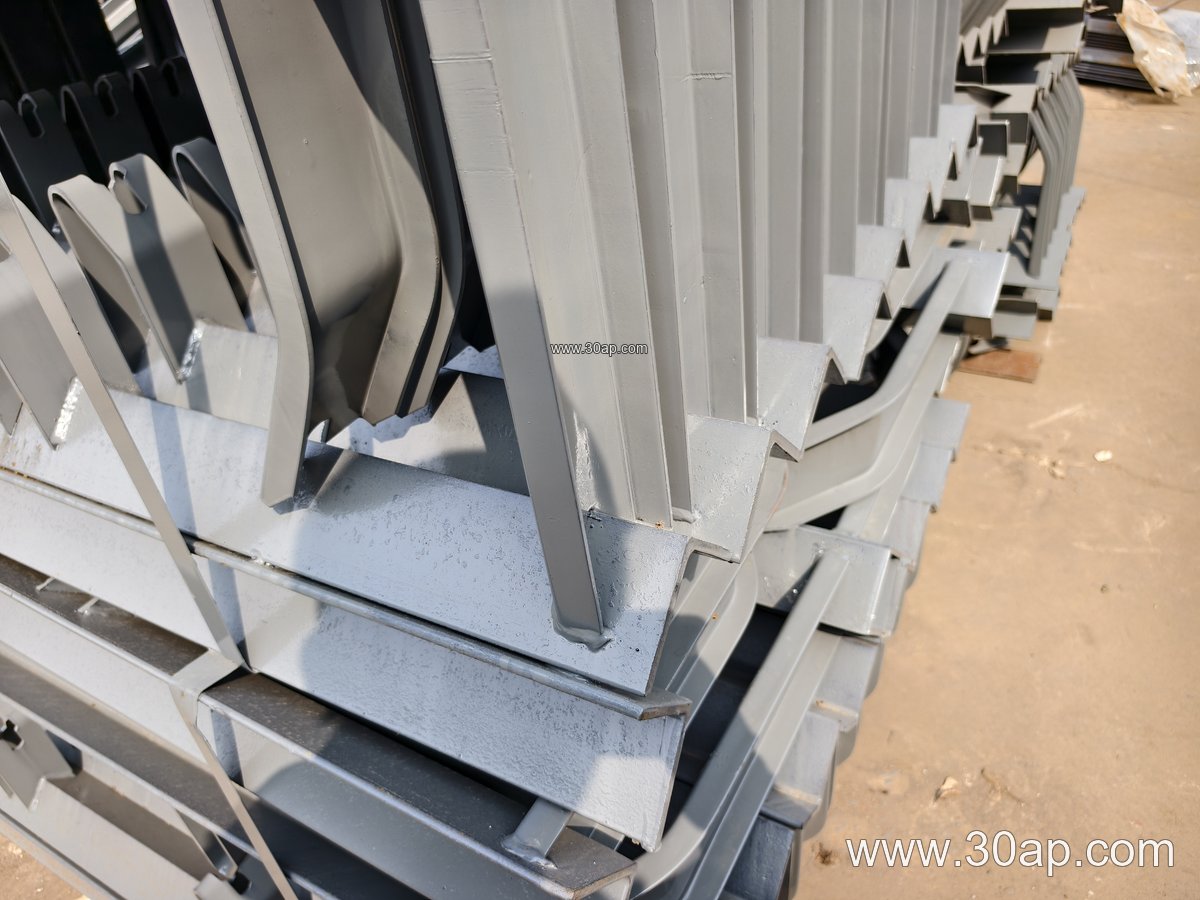
Construction and Mounting
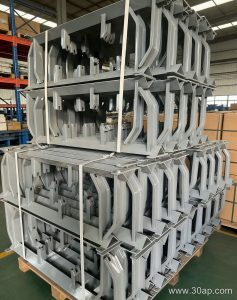
Most parallel idler brackets are fabricated from angle steel, channel steel, or bent steel plate. The frame is drilled or slotted so the idler shaft can be seated and, where needed, adjusted. A typical unit includes a cross beam, two end plates or hooks, and mounting holes that match the conveyor stringer spacing. Welded construction is common, and painted or galvanized finishes are used to resist dust and moisture in a stone crushing line or a power plant coal handling system.
Because the bracket holds a single flat idler or a pair of rollers, the mounting height and hole spacing are usually determined by belt width, roller diameter, and the frame design. There is no single fixed hole pitch that applies to every conveyor. A buyer should confirm the stringer hole pattern before ordering.
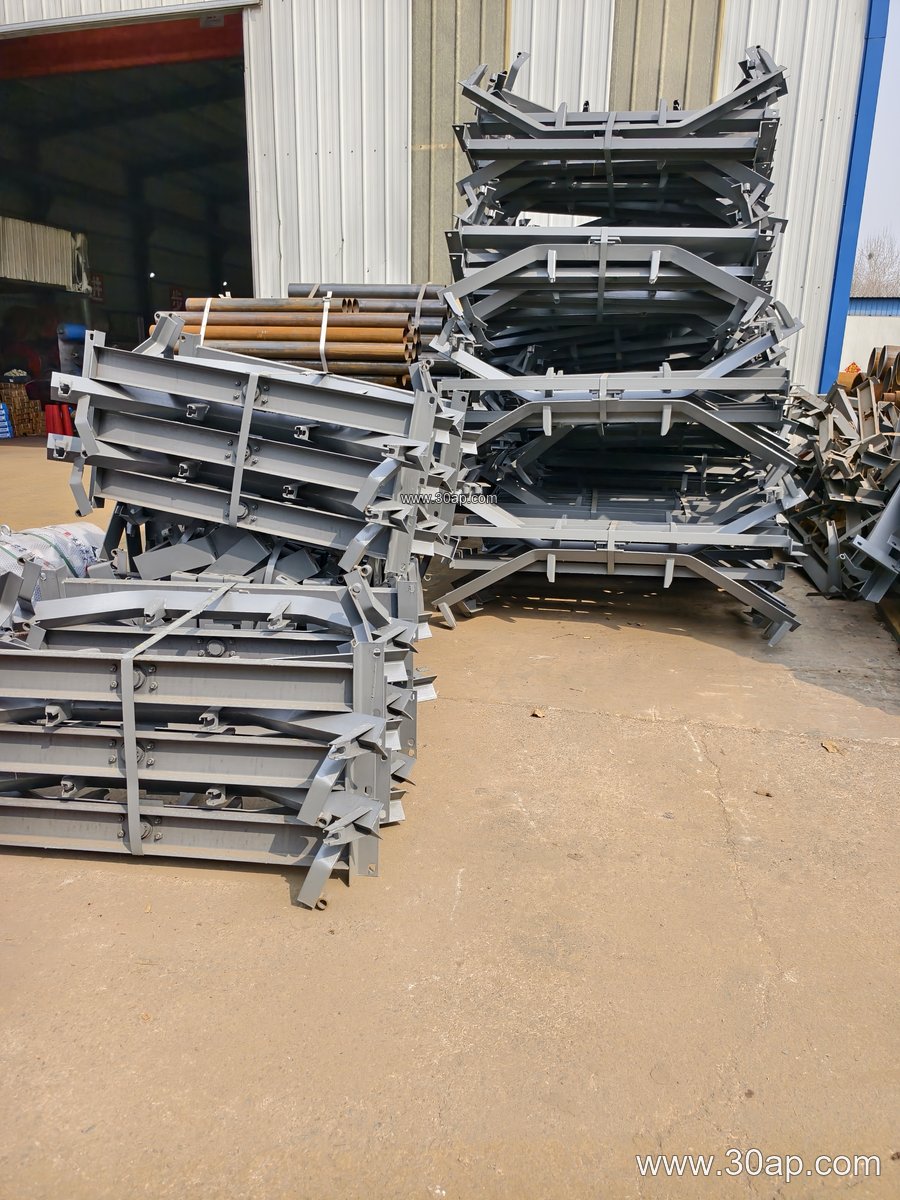
Where It Fits in the Conveyor Layout
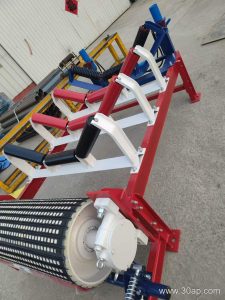
The parallel bracket is often used on the return strand, together with a return idler roller, to prevent belt sag between pulleys. It may also appear at transfer points and on flat carrying sections in a limestone mine, a fertilizer plant, or a grain silo conveyor. In these positions, the bracket works with the conveyor belt, the idler roller, and the conveyor pulley to keep the belt path stable.
It should not be confused with a troughing bracket, a V-return bracket, or a self-aligning bracket. Those parts serve different support angles and correction duties. A parallel bracket is chosen when a flat support line is wanted, not when a troughed profile is needed.
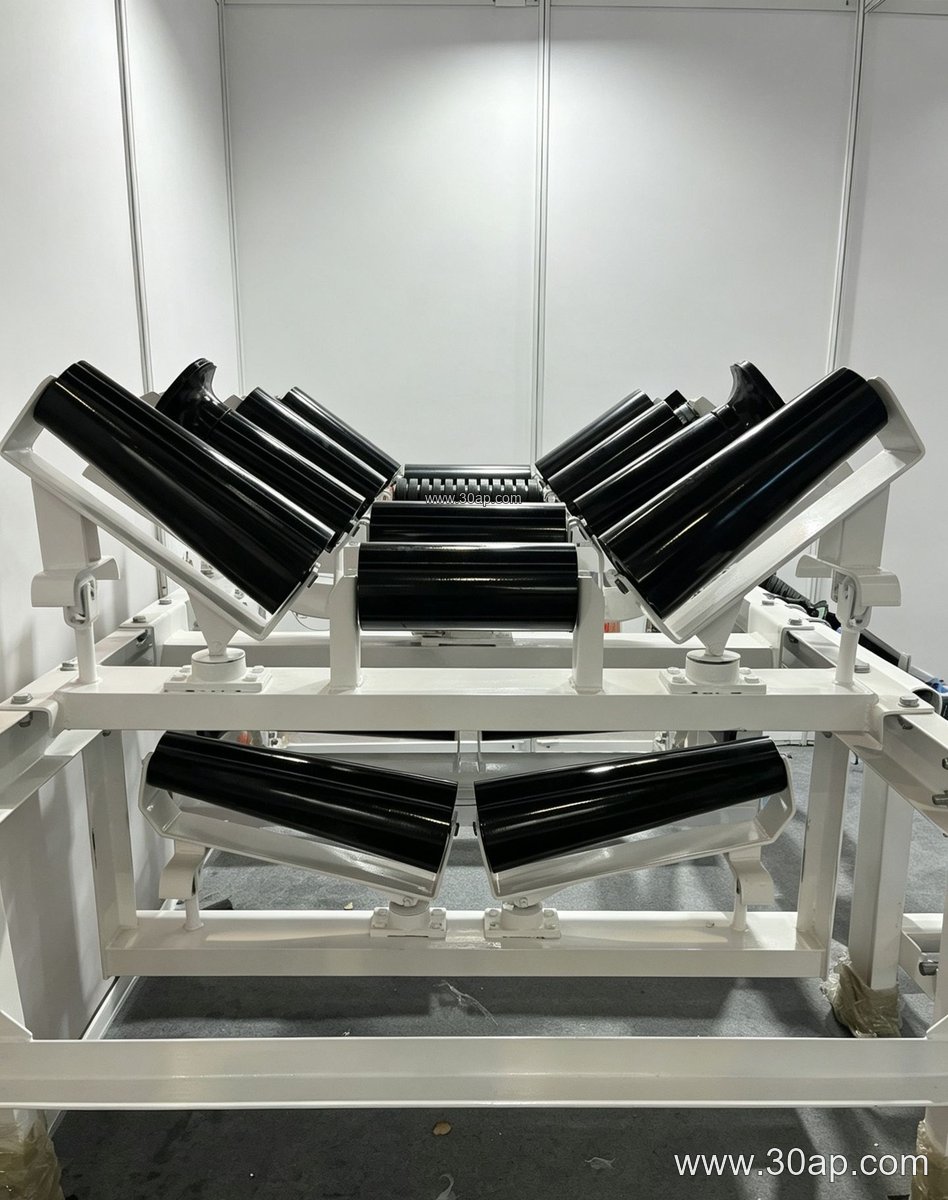
Common Reference Dimensions
The table below shows typical reference values only. Actual dimensions follow the conveyor design and should be confirmed with the supplier.
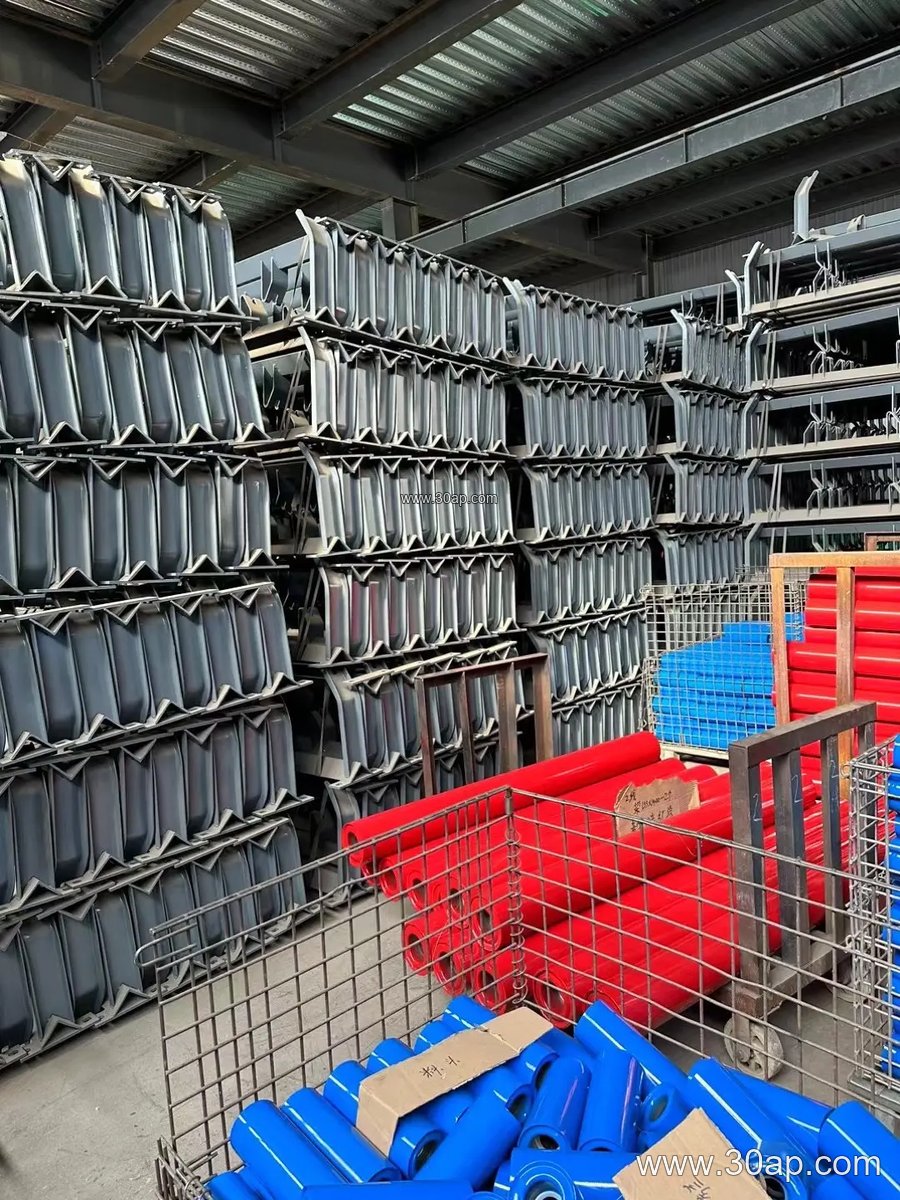
| Item | Common Reference Range | Notes |
|---|---|---|
| Belt width | B500, B650, B800, B1000, B1200, B1400, B1600, B1800 | Frame length changes with belt width |
| Roller diameter | Ø89, Ø108, Ø133, Ø159 | Selected by load and belt speed |
| Trough angle (where applicable) | 20°, 30°, 35°, 45° | Parallel brackets keep the idler flat |
| Material | Angle steel, channel steel, bent plate | Finish depends on site conditions |
For example, a B800 flat return section may use a Ø108 idler, while a B1200 line might use Ø133. These are examples, not fixed pairings. Belt width alone does not determine shaft diameter or bracket hole spacing.
Buyer Checklist
- Confirm the mounting position: return strand, flat carrying section, or transition area.
- Match the bracket to the idler roller diameter and shaft end type.
- Check stringer hole spacing and cross beam length against the actual frame.
- Ask about adjustable versions if belt tracking may need fine tuning.
- Specify the environment, such as dusty quarry air or wet coal handling, so the finish and material suit the site.
When the bracket is paired with a heavy-duty mining conveyor belt or an abrasion resistant conveyor belt, the support spacing should follow the belt manufacturer’s recommendation. On long overland lines using a steel cord conveyor belt, return support spacing is often reviewed together with belt sag limits.
Maintenance and Compatibility
Inspect parallel brackets for loose bolts, bent beams, and worn mounting seats during routine idler changes. A misaligned bracket can cause the belt to drift, so recheck the frame line after any replacement. Keep a small stock of matching brackets for each belt width on site, especially in a busy aggregate plant or a port conveyor system.
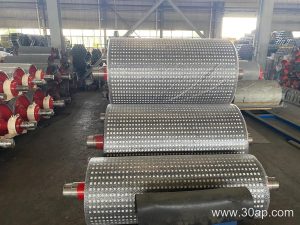
For related conveyor components, buyers often review the idler roller, conveyor pulley, and conveyor bracket together as one support package. Matching these parts at the design stage reduces field fitting problems and keeps the belt running smoothly.