What an Underground Mining Conveyor Belt Must Handle
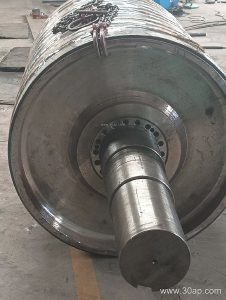
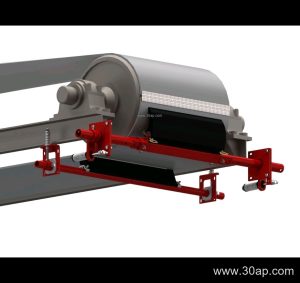
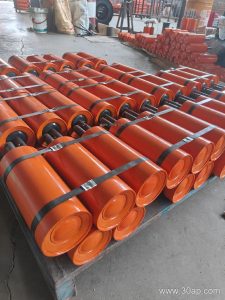
An underground mining conveyor belt is the load-carrying component of a conveyor system designed for tunnels, shafts, and underground stopes where space is tight, ventilation is limited, and the material is often abrasive, wet, or flammable. Unlike surface installations, the belt must operate reliably in confined galleries with limited maintenance access, so the selection of cover compound, carcass, and edge construction matters from day one. This article focuses on the belt itself, while related components such as the idler roller, conveyor pulley, and conveyor bracket are mentioned only where they affect belt performance.
Construction and Common Belt Types
The belt body usually combines a fabric or steel cord carcass with rubber covers. For underground coal mining conveyor belt duty, flame retardant and anti-static properties are frequently specified, and PVC or PVG covers are common where fire safety rules are strict. In metal mines, a heavy-duty mining conveyor belt with an abrasion resistant conveyor belt cover often suits hard rock and ore. EP conveyor belt and NN conveyor belt carcasses are widely used for moderate tension runs, while steel cord conveyor belt constructions are chosen for long horizontal or inclined haulage where higher strength is needed.
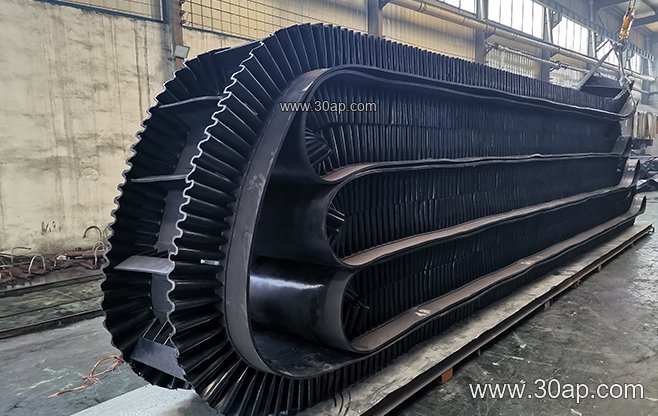
Special constructions solve specific problems:
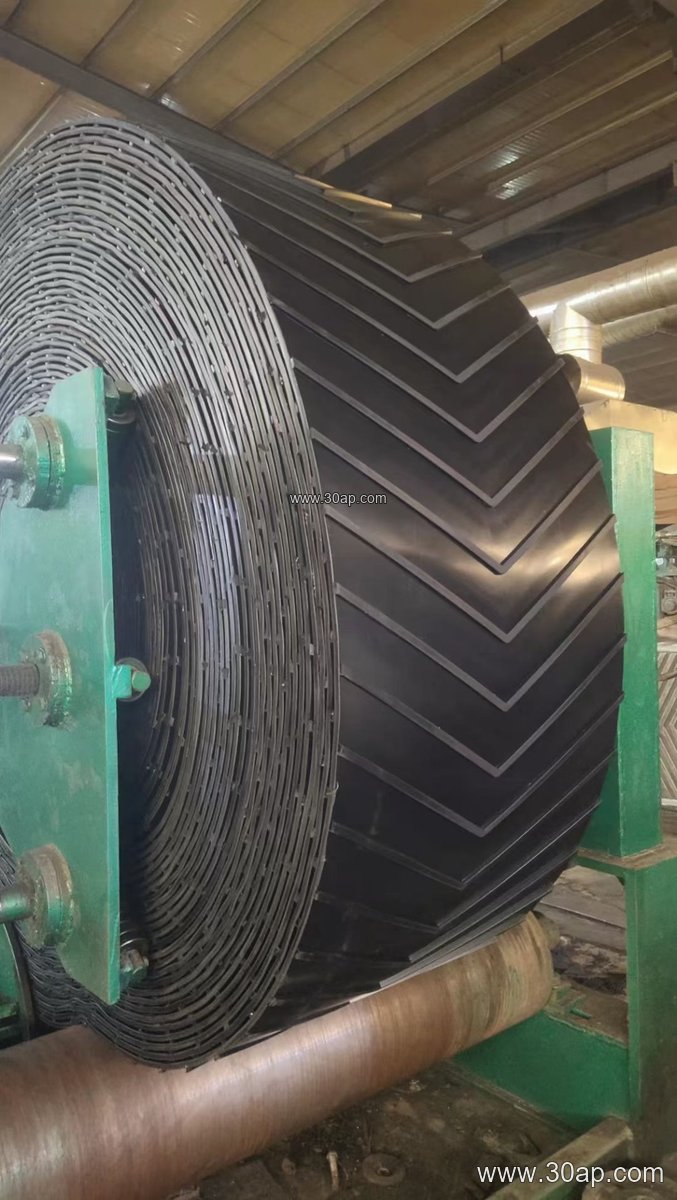
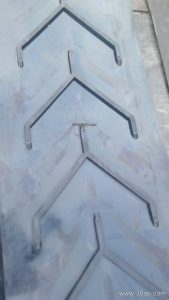
- Chevron conveyor belt or corrugated sidewall conveyor belt for steep inclines where material would otherwise slide back.
- Skirted conveyor belt and pipe conveyor belt for spill control and dust containment in transfer zones.
- Heat resistant conveyor belt, oil resistant conveyor belt, and cold resistant conveyor belt where the local environment demands it.
For coal seams with methane risk, a mining flame retardant conveyor belt and anti-static conveyor belt are typical choices, and PVG800S conveyor belt constructions appear in some underground coal applications. The exact compound and carcass grade should always follow the mine’s engineering design and local safety requirements.
Typical Specifications and Reference Data
Belt width, strength grade, and cover thickness are usually selected together. The following reference values are common in the industry but are not universal; final values are determined by the conveyor design, material lump size, and safety factor.
Strength Grades (Fabric and Steel Cord)
- EP grades: EP200, EP315, EP400, EP500, EP630, EP800, EP1000, EP1250, EP1600, EP2000.
- NN grades: NN100, NN200, NN300, NN400.
- Steel cord grades: ST1000, ST1250, ST1600, ST2000, ST2500, ST3150.
Belt Widths
- Common widths: B500, B650, B800, B1000, B1200, B1400, B1600, B1800, B2000.
- Wider belts such as 2200mm and 2400mm exist for high-capacity trunk conveyors.
Cover Thickness and Carcass Layers
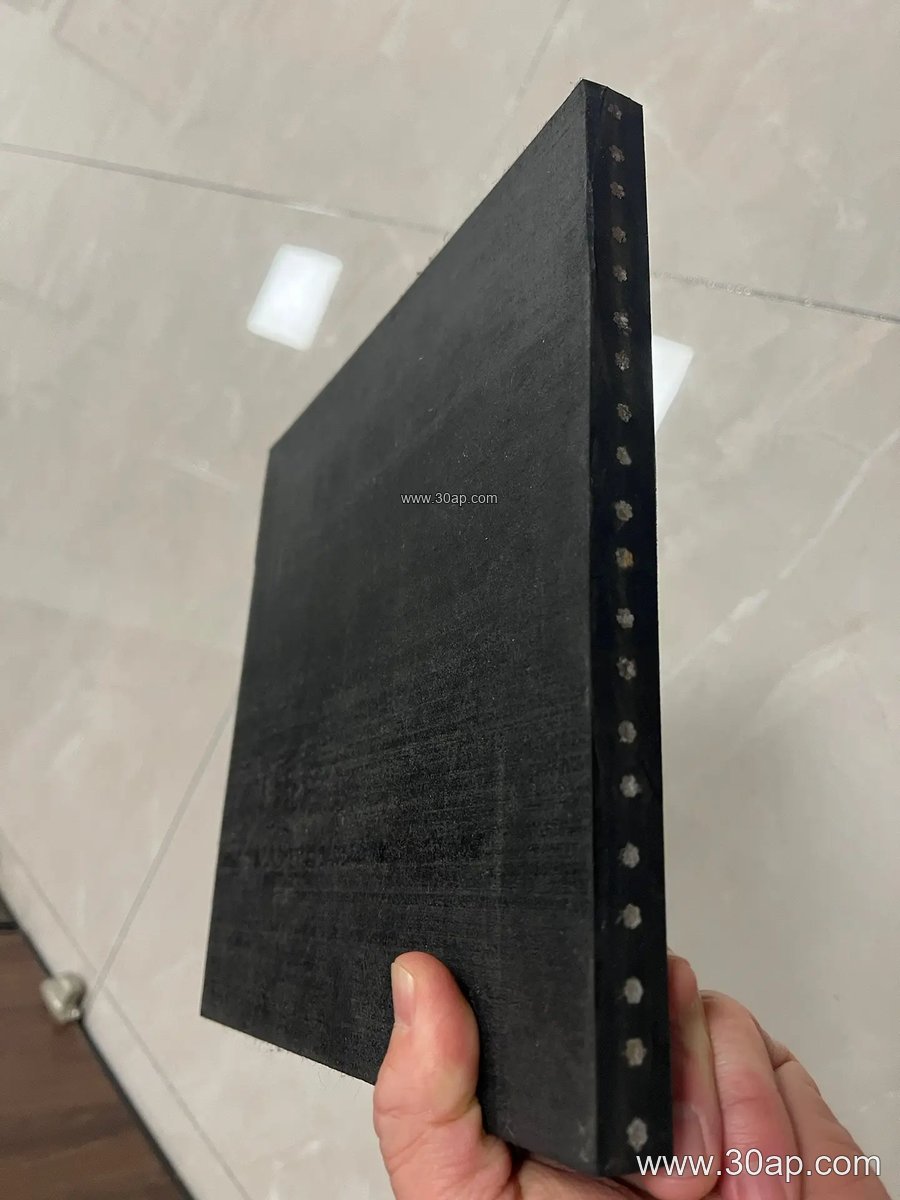
Cover combinations like 3+1.5, 4+2, 5+2, 6+2, and 8+3 mm are common, with 2 to 6 fabric plies typical for EP and NN constructions. A thick conveyor belt with a high abrasion resistant conveyor belt cover is often preferred at crusher discharge points.
Where These Belts Are Used
Underground mining conveyor belt systems move coal, ore, and waste rock in coal mines, metal mines, and industrial mineral operations. Similar belt technology also appears in cement plants, power plants, and quarry conveyor belt lines, though the fire and anti-static requirements differ. In a sand making plant conveyor belt or stone crushing conveyor belt circuit, an abrasion resistant conveyor belt with a robust carcass reduces downtime from impact and cutting. Port conveyor belt and ship loading conveyor belt systems usually use different safety standards, so underground-specific flame retardant grades are not automatically transferable.
Selection and Maintenance Notes for Buyers
Buyers should match the belt to the conveyor’s actual duty, not just to a catalog number. Key questions include the material type and lump size, the incline angle, the loading method, and the fire safety class required underground. A belt that is too stiff for small pulleys can crack, while an underspecified cover may wear through quickly at transfer points. Inspect the idler roller and conveyor pulley alignment regularly, since misalignment accelerates edge wear on any underground conveyor belt. Keep spare belt sections and monitor splice condition, especially on high-tension steel cord conveyor belt installations.
For more information on compatible belt, idler roller, and conveyor pulley options for mining and quarry applications, visit www.beltconveyorparts.com and review the relevant product data before ordering.