What the ST2500 Conveyor Belt Is
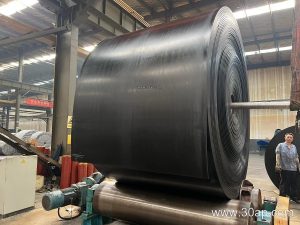
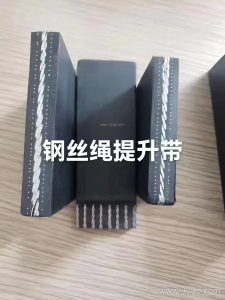
The ST2500 Conveyor Belt is a steel cord conveyor belt with a nominal tensile strength of 2500 N/mm per unit width. It belongs to the ST series, where the number indicates the breaking strength class, so the ST2500 sits near the top of the common range that also includes ST1000, ST1250, ST1600, ST2000 and ST3150. This is not a fabric-reinforced product; the load is carried by galvanized steel cords embedded in a rubber matrix, which is why the belt suits long, heavily loaded conveyor lines in mines, cement works, power plants and port terminals.
Because it is a steel cord belt, the ST2500 is often specified where an EP Conveyor Belt or NN Conveyor Belt would need too many plies or an impractical belt width. The trade-off is a stiffer belt that demands larger pulley diameters and more careful splicing.
Construction and Materials
A typical ST2500 belt is built from three functional layers: the top cover, the steel cord carcass and the bottom cover. The cords run longitudinally at a defined pitch and are bonded to the rubber through a calendering and vulcanizing process. Cover compounds are selected for the duty, and the same carcass can be paired with different covers.
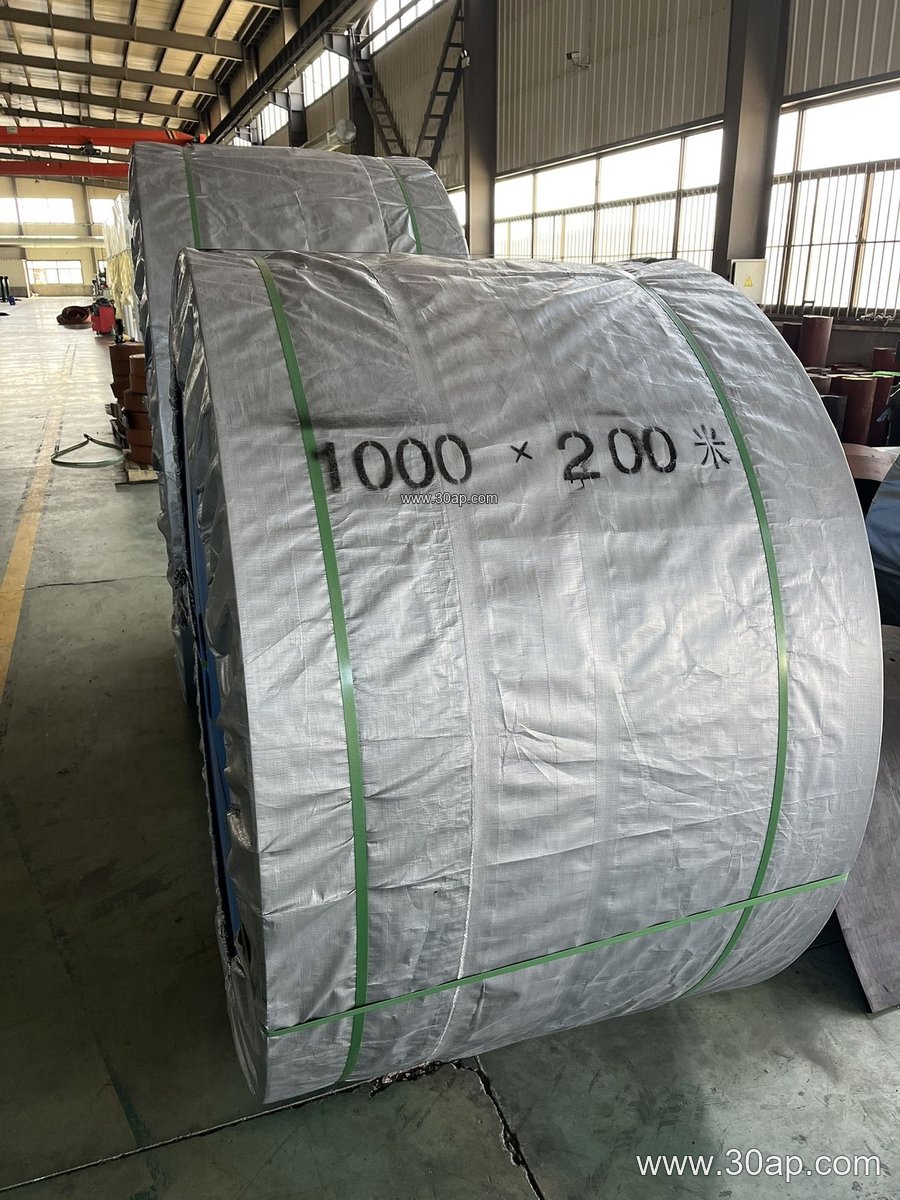
- Carcass: high-carbon steel cords, usually brass or zinc coated for adhesion.
- Top cover: abrasion resistant, heat resistant, oil resistant, flame retardant or anti-static grades depending on the site.
- Bottom cover: often a thinner abrasion resistant layer running against the idler roller.
- Edges: cut or moulded, with edge protection recommended for wide belts.
Cover thickness is stated as top plus bottom, for example 6+2 mm or 8+3 mm, and the total belt thickness follows from the cord diameter and the covers. A Thick Conveyor Belt in this class is normal rather than exceptional.
Reference Dimensions
The figures below are common reference values, not fixed combinations. Actual construction is confirmed by the manufacturer against the conveyor design.
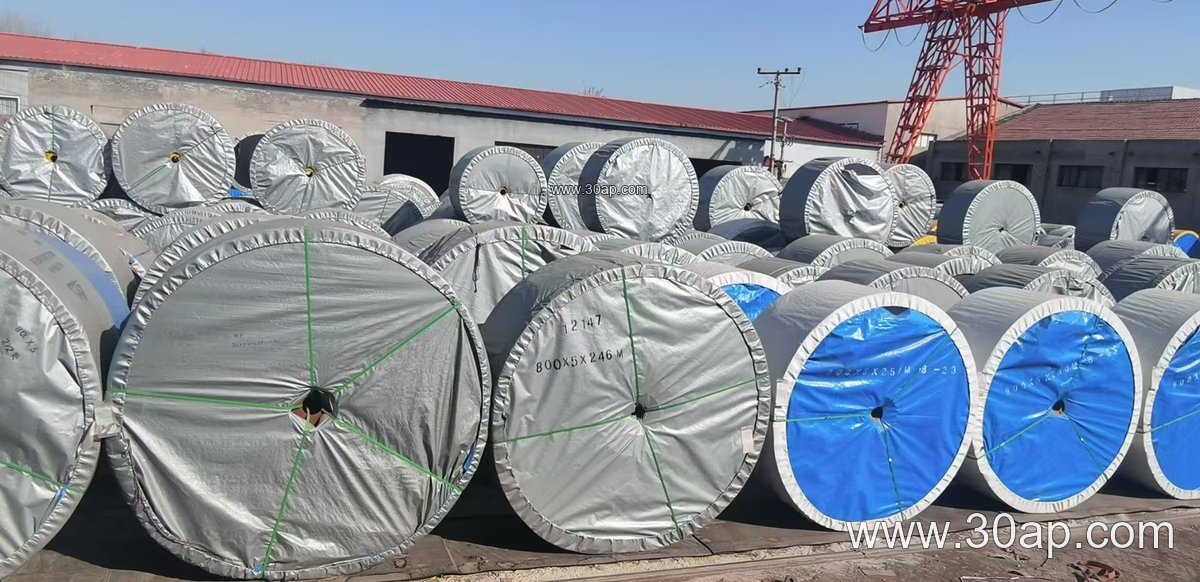
| Parameter | Typical reference |
|---|---|
| Strength class | ST2500 (2500 N/mm) |
| Belt width | B800, B1000, B1200, B1400, B1600, B1800, B2000 |
| Cover thickness | 6+2 mm, 8+3 mm and other designs |
| Cover grades | Abrasion resistant, heat resistant, flame retardant, oil resistant, cold resistant, anti-static |
| Belt type | Endless Conveyor Belt or open-end with vulcanized splice |
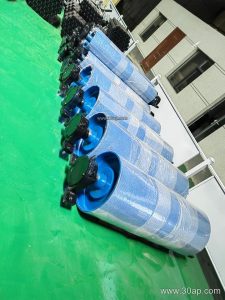
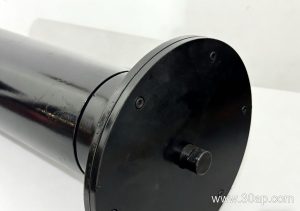
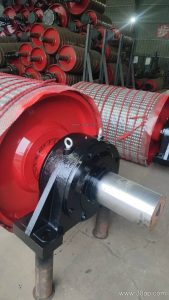
Belt width and pulley diameter are separate design decisions. A 1200mm wide Conveyor Belt does not automatically fix a shaft diameter, and a Wide Conveyor Belt such as 1800mm or 2000mm may use different pulley sizes on the drive and tail ends. Drive pulleys, tail pulleys and bend pulleys each have their own role and are not interchangeable.
Where It Fits in the Plant
High-strength steel cord belts are common in the following duties:
- Main trunk conveyors in underground coal mining and underground mining operations.
- Ore transport in iron ore, copper ore and gold mining lines.
- Limestone and clinker handling in cement plants.
- Coal and ash systems in power plants.
- Ship loading and stockyard conveyors at ports.
- Crusher discharge and long overland runs in quarry and aggregate plants.
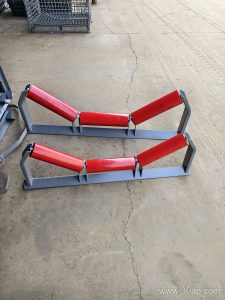
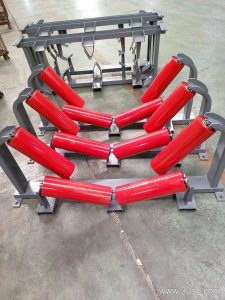
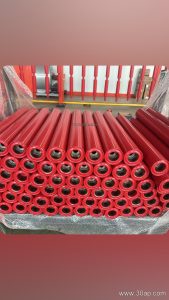
In these circuits the belt works with conveyor pulleys, idler rollers and conveyor brackets, and the whole system must be matched. A belt that is too stiff for the pulley set will fatigue; a pulley set that is too small for the cord diameter will shorten belt life.
Selection Points for Buyers
Start with the actual duty rather than the strength number alone. Confirm the material, lump size, temperature, moisture and any chemical exposure. A hot clinker line may call for a Heat Resistant Conveyor Belt compound, while a coal face with methane risk usually needs a Flame Retardant Conveyor Belt or Fire Resistant Conveyor Belt grade. Abrasive rock favours a High Abrasion Resistant Conveyor Belt cover.
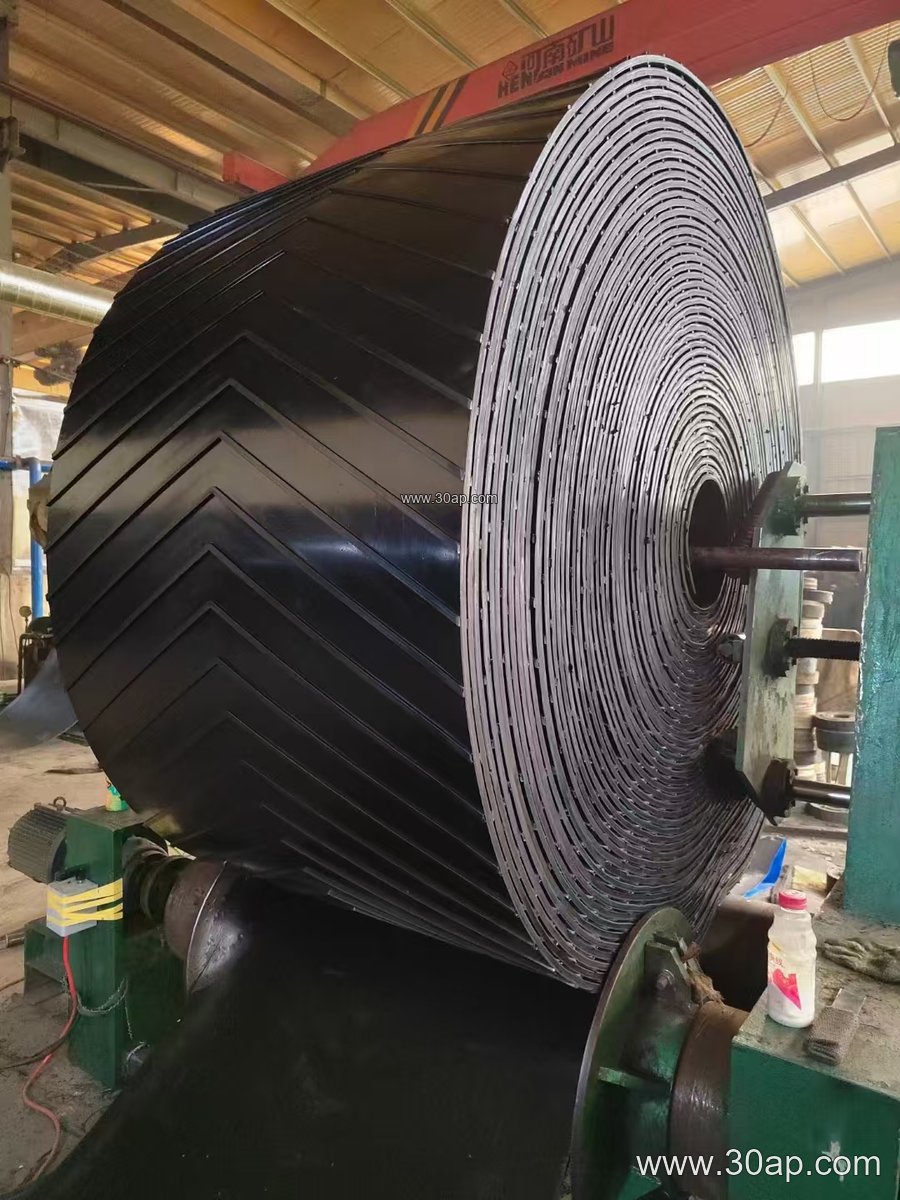
Then check the conveyor geometry: centre distance, lift, trough angle, pulley diameters, take-up travel and splice method. For long runs, an Endless Conveyor Belt with a factory or field vulcanized joint reduces the risk of splice failure. Ask for the cord pitch, cover grade, edge condition and marking details in writing, since these vary between suppliers.
Handling and Maintenance Notes
Steel cord belts are heavy and should be handled with proper lifting gear and controlled spooling. Store rolls on a flat, dry surface away from ozone sources. During installation, keep the belt aligned and avoid sharp bends below the minimum pulley diameter. In service, inspect the splice, edges and cover wear at regular intervals, check idler roller rotation and confirm that pulleys run true. Small cover damage is easier to repair early than after water reaches the cords.
For a comparable light-duty line, a Multi-Ply Fabric Core Conveyor Belt or EP Conveyor Belt may be more economical, but it should not be treated as a substitute where the ST2500 class is genuinely required. Matching the belt class to the conveyor design remains the safest approach.