What an EP Fabric Core Conveyor Belt Is
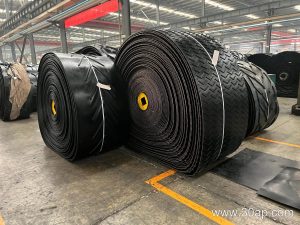
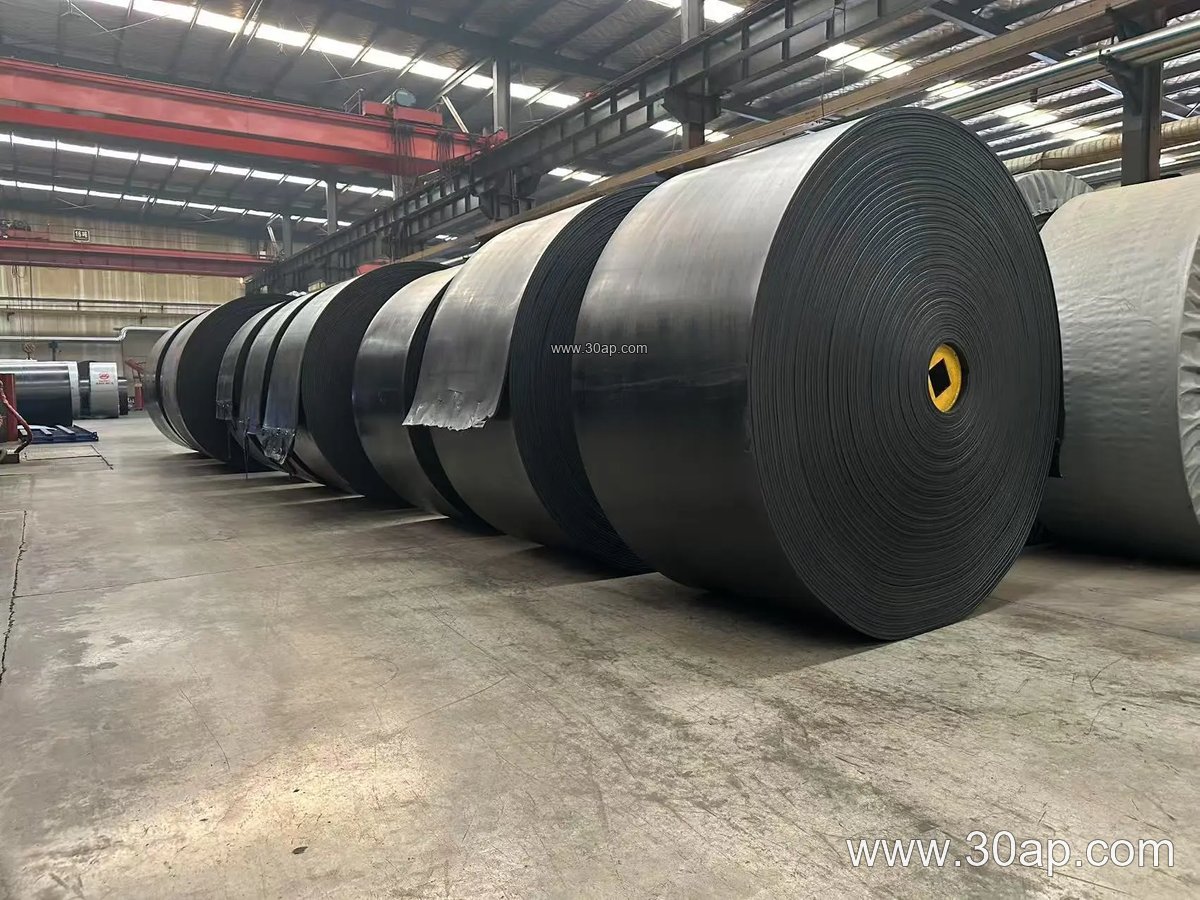
An EP Fabric Core Conveyor Belt is a rubber conveyor belt whose load-bearing skeleton is made from polyester warp and polyamide weft yarns. The “EP” stands for the two fibre types, and this construction is also known as a polyester-nylon fabric core belt. It has become a workhorse in bulk handling because it balances tensile strength, low elongation, and resistance to fatigue.
The belt is a composite product. The fabric plies carry tension, while the rubber covers protect the carcass and transfer grip. The result is a belt that suits long runs, steady loads, and demanding industrial sites such as mines, cement plants, power stations, quarries, and port terminals.
How the Belt Is Built
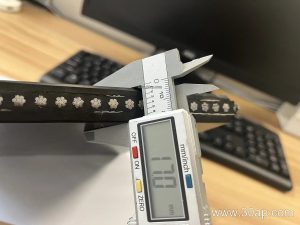
A typical EP Fabric Core Conveyor Belt uses a multi-ply design. Two to six fabric plies are bonded with rubber skim compound, then covered on both sides with top and bottom rubber. Ply count and cover thickness are chosen to match the duty.
- Carcass: EP fabric plies, usually 2 to 6 layers.
- Skim: rubber layer that separates and bonds the plies.
- Top cover: carries the material and resists abrasion, heat, oil, or flame as required.
- Bottom cover: runs against idler rollers and pulleys.
Common cover combinations include 3+1.5 mm, 4+2 mm, 5+2 mm, 6+2 mm, and 8+3 mm. For heavy abrasive ore or rock, a thicker top cover is usually selected. The carcass strength is expressed as a grade, such as EP200, EP315, EP400, EP500, EP630, EP800, EP1000, EP1250, EP1600, or EP2000.
Common Reference Values
| Property | Typical Range |
|---|---|
| Belt width | B500, B650, B800, B1000, B1200, B1400, B1600, B1800, B2000 mm |
| Strength grade | EP200 to EP2000 |
| Ply count | 2 to 6 |
| Cover thickness | 3+1.5, 4+2, 5+2, 6+2, 8+3 mm |
These figures are reference points, not fixed combinations. Final specifications are confirmed by design according to load, pulley diameter, trough angle, and site conditions.
Where It Is Used
The belt handles crushed stone, coal, ore, clinker, sand, fertilizer, and other bulk materials. In a quarry or aggregate plant it often feeds a crusher and discharges to screens. In a coal mining or underground coal mining operation, the flame retardant and anti-static versions are selected for safety. At a power plant or steel plant, heat resistant and abrasion resistant grades carry hot sinter, coke, or limestone.
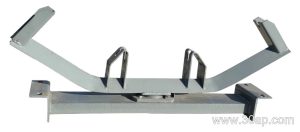
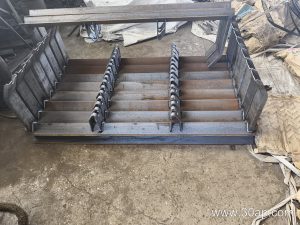
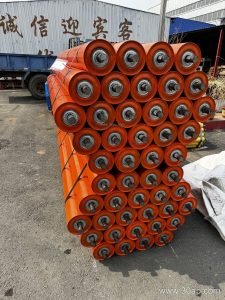
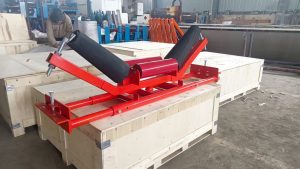
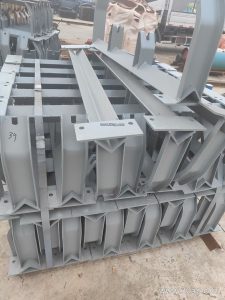
Other industries include cement plants, ship loading terminals, recycling lines, and construction sites. In each case the belt runs over a conveyor pulley at the head and tail, supported by idler rollers and mounted on conveyor brackets along the structure.
Selection Points a Buyer Should Check
The first step is to define the material, lump size, capacity, and incline. Then match the belt grade, width, ply count, and cover thickness. A 1200 mm or 1400 mm wide belt is common for medium-capacity lines, while extra-wide belts may be needed for high tonnage. Do not assume that one belt width fits only one pulley diameter; pulley size is determined by the belt’s rated tension and the manufacturer’s recommendations.
Environmental conditions decide the cover compound. A heat resistant conveyor belt handles hot loads, a flame retardant conveyor belt limits flame spread, and an oil resistant or acid resistant cover protects the carcass from chemical attack. In cold climates, a cold resistant grade keeps the rubber flexible. Where static build-up is a risk, an anti-static belt is used. For food handling, a food grade belt is chosen.
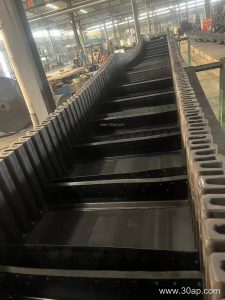
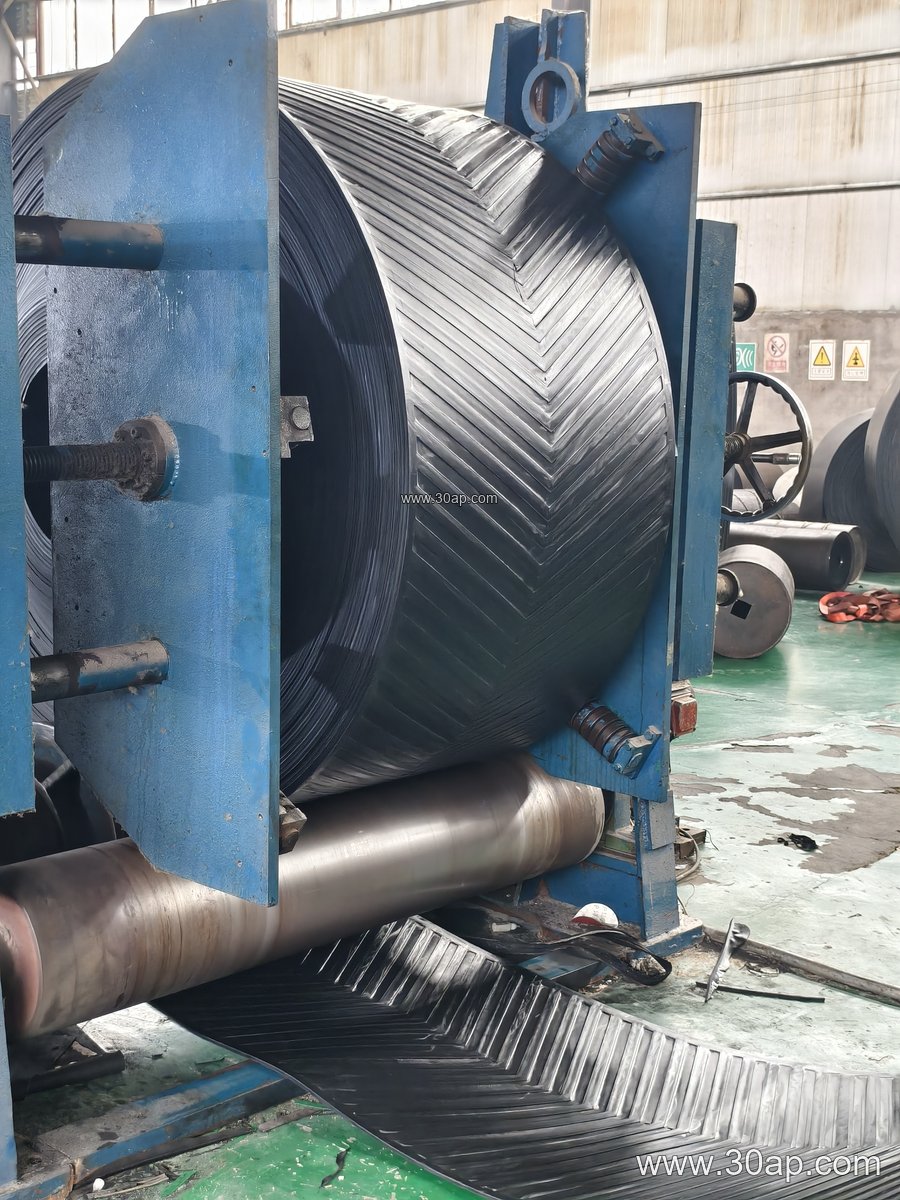
Compare the EP fabric core design with alternatives when relevant. A steel cord conveyor belt offers higher tension for very long overland runs, while an NN conveyor belt uses nylon in both directions. A chevron conveyor belt adds cleats for steep inclines, and a corrugated sidewall belt keeps material contained. Each serves a different duty rather than replacing the EP belt.
Installation and Maintenance Notes
- Align pulleys and idler rollers before tensioning the belt.
- Check belt tracking after the first few hours of running.
- Inspect cover wear, edge damage, and splice condition regularly.
- Keep the belt free of spilled material and sharp debris.
- Store spare belts in a dry, shaded place away from ozone and heat.
Correct splicing, suitable pulley lagging, and well-maintained conveyor brackets extend service life. Buyers should ask for the carcass grade, cover thickness, ply count, and any special compound in writing, and confirm that the belt matches the conveyor’s calculated tension and pulley dimensions.