What an Impact Resistant Conveyor Belt Is
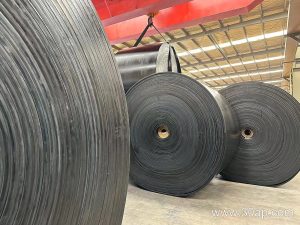
An impact resistant conveyor belt is a heavy-duty belt built to absorb the shock of large, sharp or falling material without tearing or delaminating at the loading point. In mines, quarries and primary crushing circuits, rock and ore often drop several meters onto the belt. A standard belt may cut, gouge or break its carcass under that load. The impact resistant version adds cushioning and strength so the belt keeps running through repeated hits.
This is not a separate family of belting in the way that a steel cord or pipe design is. It is a performance emphasis applied to a fabric or steel reinforced belt. Buyers usually meet it as an abrasion resistant conveyor belt with extra impact protection, or as a heavy-duty mining conveyor belt specified for a crusher discharge. The exact construction depends on the duty, so the term describes the job more than one fixed recipe.
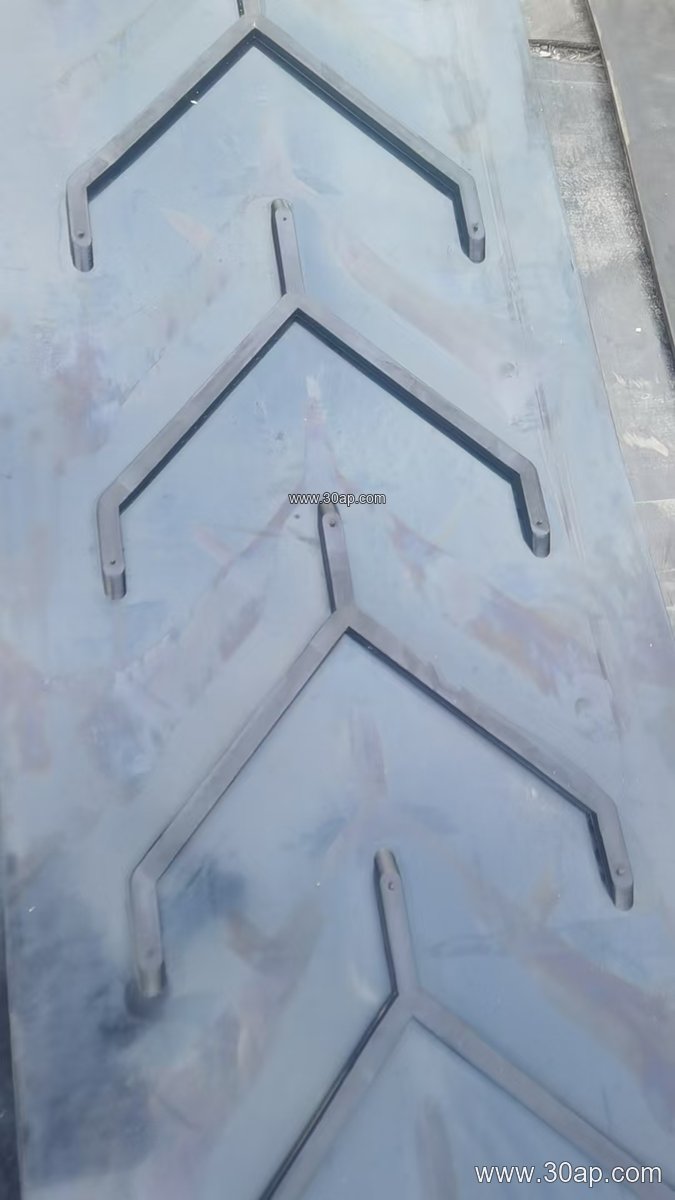
How the Belt Is Built
The impact resistance comes from three elements working together.
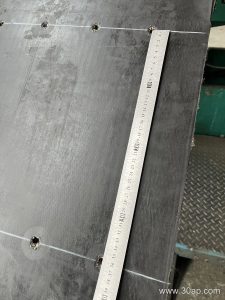
- Cover compound. The top cover is usually a tough rubber with high tear strength. Thicker covers, often 6+2 mm or 8+3 mm on severe duty, give more material to absorb gouging before the carcass is reached.
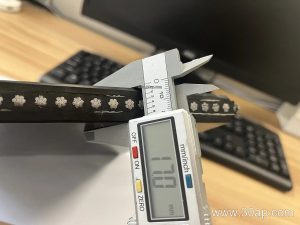
- Carcass. Multi-ply fabric core conveyor belts spread the point load across several layers. EP conveyor belt and NN conveyor belt carcasses are common choices, and higher strength grades such as EP400, EP630 or EP1000 are used where tonnage and lump size demand it. Steel cord conveyor belt is chosen for very long or high-tension drives.
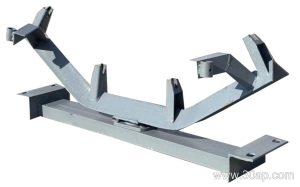
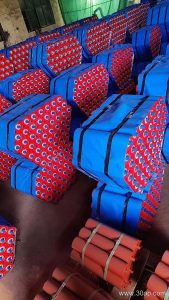
- Load zone protection. Impact beds, rubber buffer strips or closely spaced idler roller sets under the loading point support the belt and stop it from sagging into the gap between rollers.
A corrugated sidewall or skirted conveyor belt can also be built with impact resistant covers when the belt carries material up an incline, but those features serve a different purpose and do not replace impact protection at the transfer point.
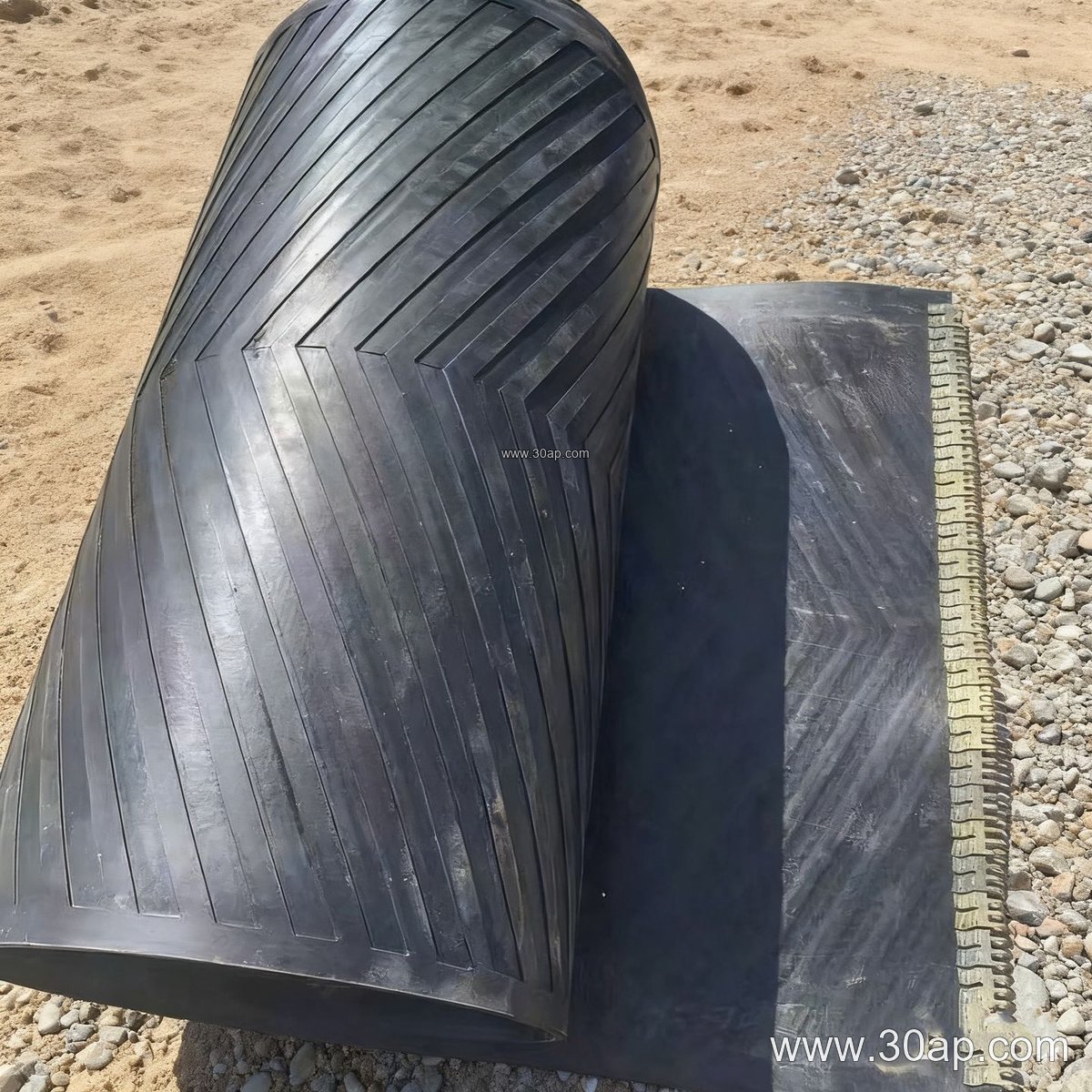
Where It Is Used
The hardest service is at the point where material first lands on the belt. Typical locations include:
- Crusher discharge and screen feed in a quarry conveyor belt line
- Run-of-mine and ore transfer in an underground mining conveyor belt or open pit operation
- Coal handling and bunker discharge in a coal mining conveyor belt system
- Clinker and limestone handling in a cement plant conveyor belt
- Coal yard and boiler feed lines in a power plant conveyor belt
- Aggregate, sand and stone drop points in a sand making plant or stone crushing line
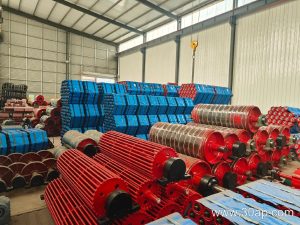
In these places the belt works alongside conveyor pulley, idler roller and conveyor bracket assemblies. Drive, tail and bend pulleys each have their own role, and the impact zone is normally some distance from all of them, so belt selection should be checked against the whole conveyor layout rather than the loading point alone.
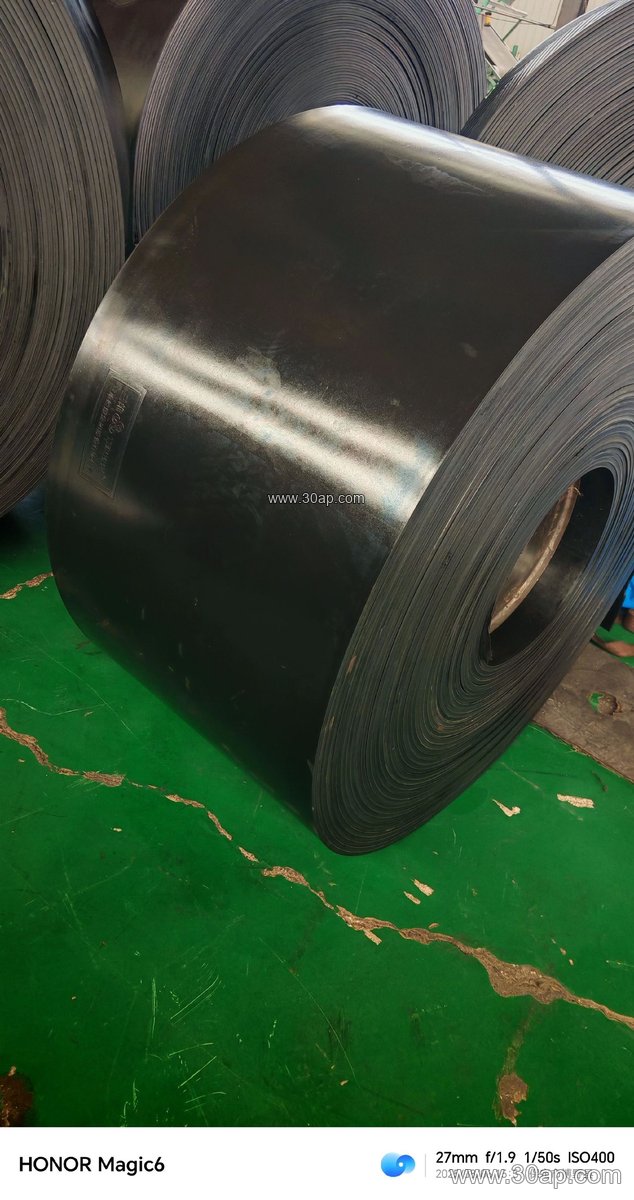
Common Reference Data
Values below are typical references, not fixed supply commitments. Final figures are set by the conveyor design and the manufacturer.
| Item | Common reference |
|---|---|
| Belt width | B650, B800, B1000, B1200, B1400, B1600 |
| Fabric strength grade | EP200, EP315, EP400, EP500, EP630, EP800, EP1000 |
| Cover thickness | 4+2, 5+2, 6+2, 8+3 mm |
| Carcass plies | 2 to 6 layers, depending on grade |
| Steel cord grades | ST1000, ST1250, ST1600 where tension is high |
Wider belts such as 1200 mm or 1400 mm are often used at large primary stations, while narrower widths suit secondary transfers. Thickness and grade should follow the lump size, drop height and throughput, not a single rule.
What a Buyer Should Check
Start with the loading conditions. Record the maximum lump size, the drop height, the material density and the feed rate. These decide whether a multi-ply fabric belt is enough or whether a steel cord design is needed. Ask for the cover grade and confirm it also meets the site’s needs for flame retardant conveyor belt or fire resistant conveyor belt performance in coal and underground service, and for oil resistant or heat resistant behaviour where the material is hot or oily.
Then look at the support under the load point. Impact beds and cushion idlers reduce the demand on the belt, and a well supported belt lasts longer than one relying on cover thickness alone. Check that the belt width matches the chute and that material is centered, because off-center loading concentrates wear on one edge.
Finally, confirm the splice method and the pulley sizes with the belt supplier. Impact resistance does not remove the need to match belt tension rating to the drive and to keep the conveyor pulley, idler roller and frame in good condition. For site-specific advice on an impact resistant conveyor belt, share the duty data and let the supplier propose the construction.