What the Trough Idler Bracket Set Does
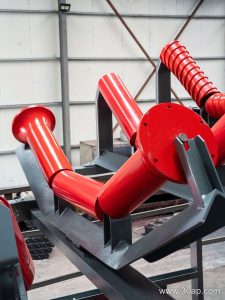
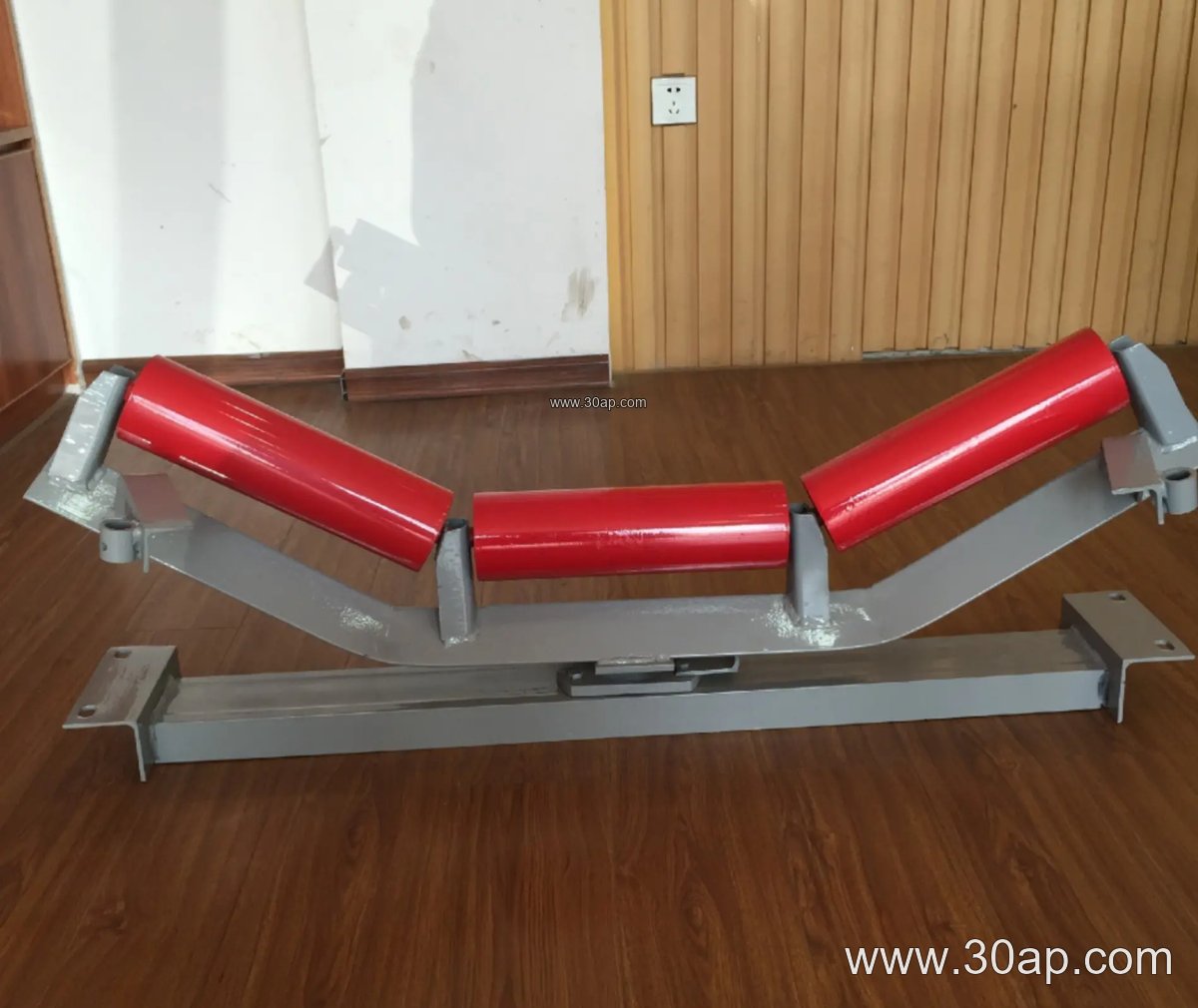
A trough idler bracket set is the steel support assembly that holds the carrying idlers in a troughed profile under a conveyor belt. In everyday plant language it is often called a troughing idler frame or troughing bracket set, and it is the part that turns three separate idler rollers into one working trough. The set normally includes the crossbeam or base section plus the mounting seats and, where used, the hinged or fixed arms that position the side rollers at the required trough angle. Without a properly aligned bracket set, the belt loses its trough shape, material spills at the edges, and the idlers wear unevenly.
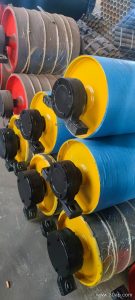
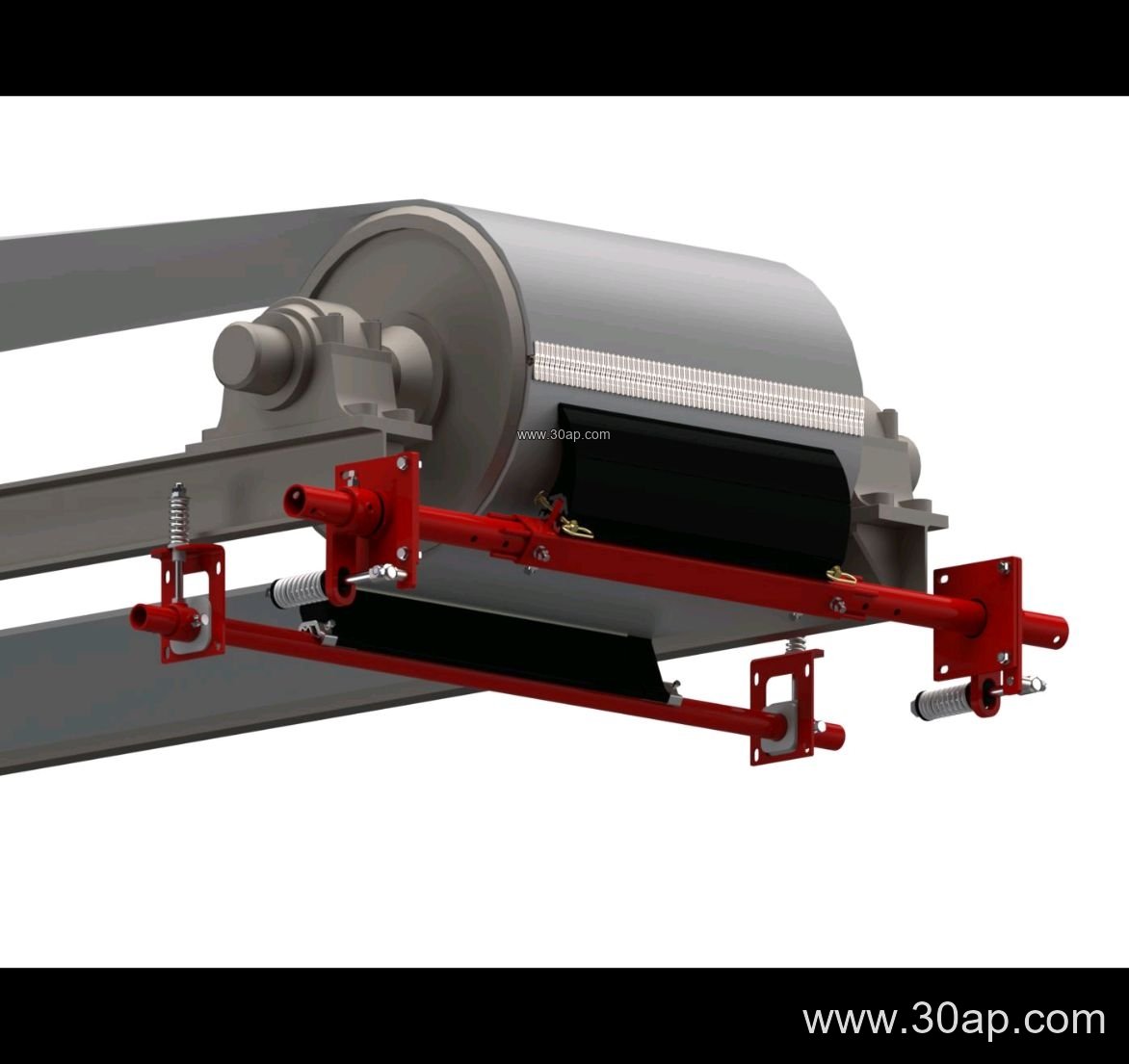
The bracket set is not the pulley. Drive pulleys, tail pulleys and bend pulleys transmit or redirect belt tension, while the troughing bracket set simply carries the load side of the belt. Keeping that distinction clear helps when ordering spare parts and planning maintenance windows.
Construction and Common Materials
Most sets are fabricated from angle steel, channel steel or folded steel plate, then drilled or punched for the idler shaft ends. A typical assembly consists of a horizontal centre section and two inclined side sections. On adjustable versions, the side sections can be repositioned so the same frame accepts different trough angles.
- Frame material: angle steel, channel steel or bent plate
- Finish: painted, galvanised or powder coated, depending on the environment
- Mounting: bolt-on seats for idler shafts, with slots for fine alignment
- Options: fixed troughing, adjustable troughing, transition frames and impact bracket sets
Hole spacing and beam length are determined by belt width, trough angle and idler diameter, so they should be confirmed against the conveyor drawing rather than assumed.
Where These Bracket Sets Are Used
Troughing bracket sets appear wherever a belt carries bulk material on the load side. In a limestone quarry they sit under the primary crushing discharge and along the stockpile feed lines. In a coal washing plant they support the belt through the screening and dewatering sections, often alongside a flame retardant conveyor belt where underground or enclosed conditions apply. Cement plants use them on clinker and raw meal lines, and power plant coal handling systems rely on them through transfer towers and bunker feed conveyors.
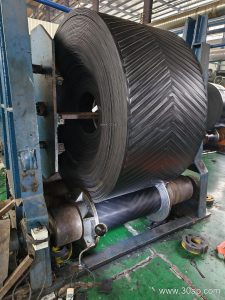
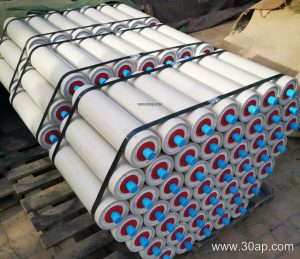
The supporting hardware works together with the conveyor belt, idler roller and conveyor pulley, so bracket condition directly affects belt tracking. On a long overland line carrying iron ore or copper ore, a worn or mis-set bracket set can cause edge damage on a heavy-duty mining conveyor belt within a short period.
Matching Belt Width, Trough Angle and Roller Diameter
Selection is a combination rather than a single number. Belt width, trough angle and idler diameter are chosen together with belt tension, lump size and capacity. The table below shows representative combinations; actual values follow the conveyor design.
| Belt width | Trough angle | Idler diameter | Typical duty |
|---|---|---|---|
| B500 / B650 | 20° or 30° | Ø89 | Light to medium aggregate lines |
| B800 / B1000 | 30° or 35° | Ø108 / Ø133 | Quarry and cement plant conveyors |
| B1200 / B1400 | 35° or 45° | Ø133 / Ø159 | Coal handling and ore transport |
| B1600 / B1800 | 35° or 45° | Ø159 / Ø194 | Heavy-duty mining and port systems |
These combinations are common references, not fixed pairings. A B800 frame may be built for 30° or 35°, and the roller diameter depends on load and shaft size. Adjustable brackets allow the trough angle to be changed within the range the frame supports, which is useful during commissioning or when material characteristics change.
Fixed, Adjustable and Transition Variants
Fixed troughing brackets are simple and rigid, and they suit lines where the trough angle never changes. Adjustable sets cost more but let maintenance teams correct the profile after belt replacement or idler change. Transition brackets are placed near the head and tail to ease the belt from flat to troughed form; they are a distinct subtype and should not be confused with standard carrying frames. Return side brackets, V-return frames and impact bracket sets serve different positions on the same conveyor, so each should be ordered by its actual function.
Buyer Checklist
- Confirm belt width, trough angle and idler shaft diameter before ordering.
- Check whether the frame is fixed or adjustable and record the angle range.
- Match the finish to the site: washdown, dust, humidity or coastal air.
- Ask for mounting hole dimensions and beam length, since these vary by design.
- Verify compatibility with the existing idler roller seats, not only the belt width.
- Plan spare sets for transition and impact positions, where loads are highest.
For operators in sand and gravel plants, fertilizer handling or grain silos, a correctly specified trough idler bracket set is a low-cost way to protect the belt, keep the trough consistent and reduce spillage. Reviewing bracket condition during routine idler inspection is often more effective than replacing rollers alone. For related conveyor components such as 输送带 and 托辊, keep the same design data on file so future bracket orders match the original installation.