What a Heavy-Duty Steel Conveyor Bracket Does on a Conveyor Line
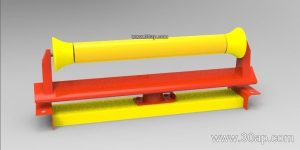
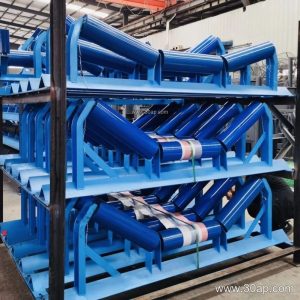
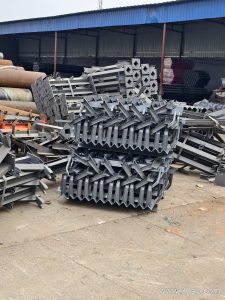
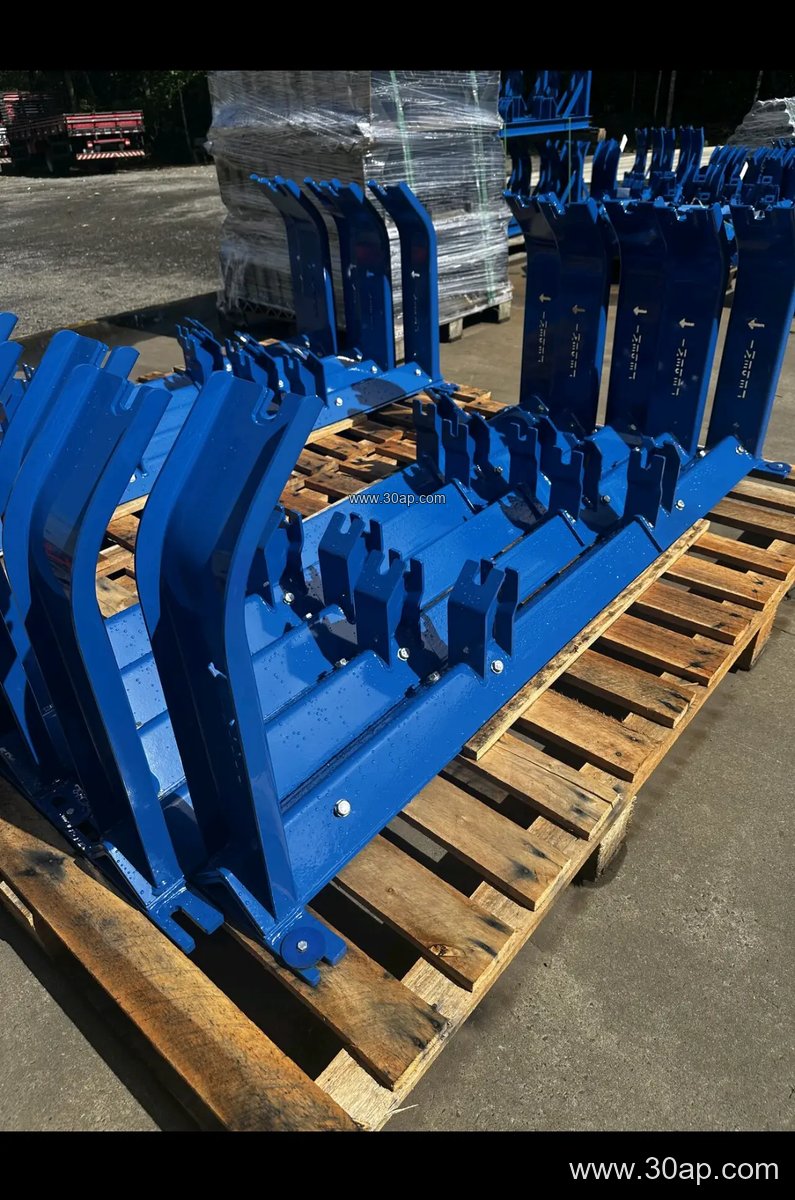
A Heavy-Duty Steel Conveyor Bracket is the structural support that holds idler rollers in the correct position along a conveyor frame. It carries the weight of the belt and the material, keeps the trough shape consistent, and maintains roller alignment over long spans. In a quarry, a limestone mine, or a cement plant, the bracket is often the part that decides whether the idler roller stays square after years of vibration and impact loading.
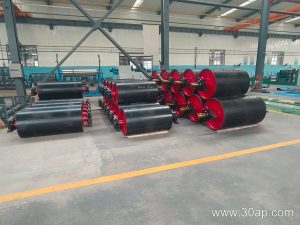
The bracket is not a standalone item. It works with the conveyor belt, the idler roller set, and the conveyor pulley at each end of the line. Drive pulleys, tail pulleys, and bend pulleys each have their own mounting arrangements and are not interchangeable, so the bracket must match the frame design rather than the pulley name.
How the Bracket Is Built
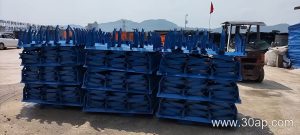
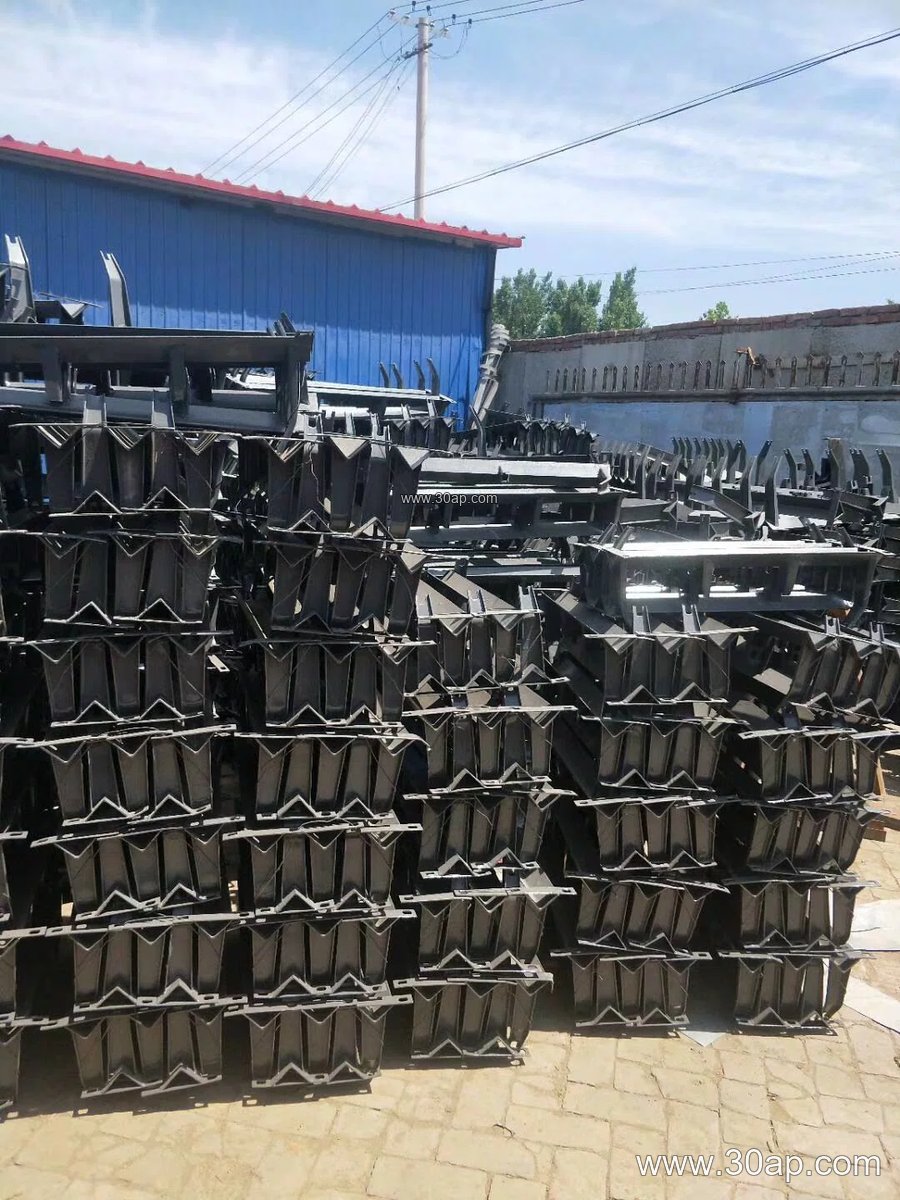
Most heavy-duty brackets are fabricated from angle steel, channel steel, or folded steel plate. The choice depends on load, belt width, and the amount of impact expected at the loading point. A well-made bracket usually has:
- Reinforced mounting holes that resist elongation under vibration
- Welds sized for the calculated load rather than for appearance
- A crossbeam length matched to belt width and trough angle
- Corrosion protection suited to wet or dusty conditions
Brackets are commonly supplied as trough brackets, return brackets, transition brackets, impact brackets, self-aligning brackets, and adjustable brackets. An adjustable design lets the maintenance team set the trough angle within a working range, typically 20, 30, 35, or 45 degrees, instead of replacing the whole assembly.
Where These Brackets Are Used
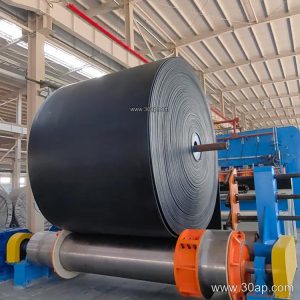
Two typical settings show the range of the product. In a coal washing plant, a flame retardant conveyor belt runs over closely spaced idlers, and the brackets must hold alignment through constant wash-down and fine dust. In a crushing and screening line, a heavy-duty mining conveyor belt receives lump ore at the transfer point, so impact brackets and reinforced trough brackets take the shock before it reaches the frame.
The same bracket family also appears in power plant coal handling, steel plant sintering lines, port ship loading systems, and aggregate plants. In each case, the bracket is selected together with the roller diameter and the belt width, not in isolation.
Matching Belt Width, Trough Angle, and Roller Diameter
There is no single bracket size for every conveyor. A B800 belt at 35 degrees with Ø108 rollers is a common combination, while a B1200 line at 45 degrees with Ø133 rollers may need a longer crossbeam and heavier section. The table below gives reference combinations, not fixed supply rules.
- B500 / 20–30 degrees / Ø89
- B650 / 30 degrees / Ø89 or Ø108
- B800 / 35 degrees / Ø108
- B1000 / 35–45 degrees / Ø108 or Ø133
- B1200 / 45 degrees / Ø133
- B1400 / 35–45 degrees / Ø133 or Ø159
- B1600 / 45 degrees / Ø159
- B1800 / 35–45 degrees / Ø159 or Ø194
- B2000 / 35–45 degrees / Ø194
These values are indicative. Hole spacing and crossbeam length change with belt width and trough angle, so the drawing should always be confirmed before fabrication. A forward-leaning bracket, often set at about 1.5 to 2 degrees, is a separate design choice used for belt tracking, not a substitute for a self-aligning bracket.
Buyer Checklist Before Ordering
Start with the conveyor drawing, not with a catalogue number. Confirm the belt width, the required trough angle, the roller diameter, and the mounting hole pattern. Ask whether the bracket is fixed or adjustable, and whether it is for the carrying side or the return side. Check the steel section and the finish against the site conditions.
For a project that also involves a rubber conveyor belt, EP conveyor belt, or steel cord conveyor belt, the bracket schedule should be issued together with the idler and pulley schedule so that frame heights and take-up positions stay consistent. A small mismatch at the bracket level can cause belt edge wear and premature roller failure.
Finally, keep a small stock of spare brackets on site. Replacing one bracket is quick; replacing a bent frame section is not. For inquiries about heavy-duty steel conveyor brackets and compatible conveyor components, contact the supplier with your belt width, trough angle, and roller diameter.