What a Conveyor Idler Bracket Does on a Belt System
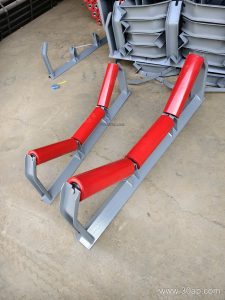
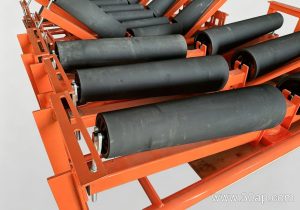
A conveyor idler bracket is the structural component that holds idler rollers at the correct position and angle beneath and along a conveyor belt. Often called a conveyor support bracket or idler frame bracket, it connects the rotating idler roller to the conveyor frame and keeps the belt profile stable from loading point to discharge. In a typical bulk handling line, the bracket carries the load transmitted through the rollers, maintains the trough shape that keeps material centered, and allows worn rollers to be replaced without cutting or welding the main frame.
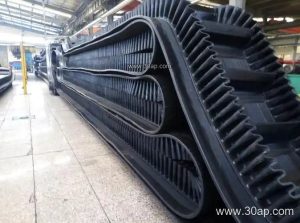
The bracket is easy to overlook, yet it directly affects belt tracking, splice life, and how often maintenance crews need to intervene. A loose or misaligned bracket can wear a belt edge quickly, while a properly specified one keeps a fabric core conveyor belt or steel cord conveyor belt running smoothly in demanding duty.
Construction and Common Materials
Most brackets are fabricated from angle steel, channel steel, or folded steel plate. The choice depends on load, belt width, and the environment. Folded plate offers clean edges and good stiffness for lighter duty, while channel steel suits heavy mining and quarry installations where impact and vibration are constant.
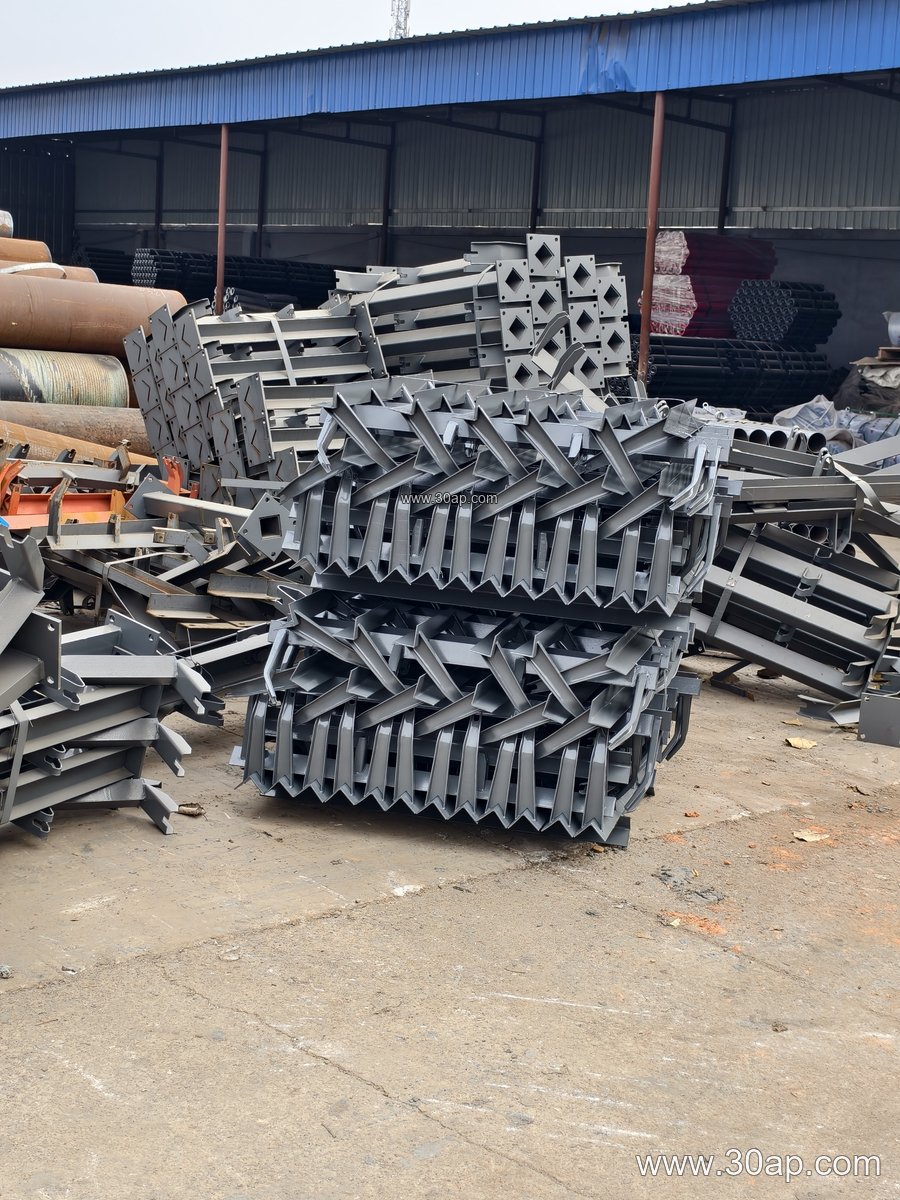
Fabrication details matter as much as material. Mounting slots should match the frame hole pattern, and the bracket face that contacts the roller shaft should be flat and square so the idler sits true. A powder-coated or galvanized finish helps in wash-down plants and coastal ports, though the base steel grade still governs strength.
Main Types and Where They Fit
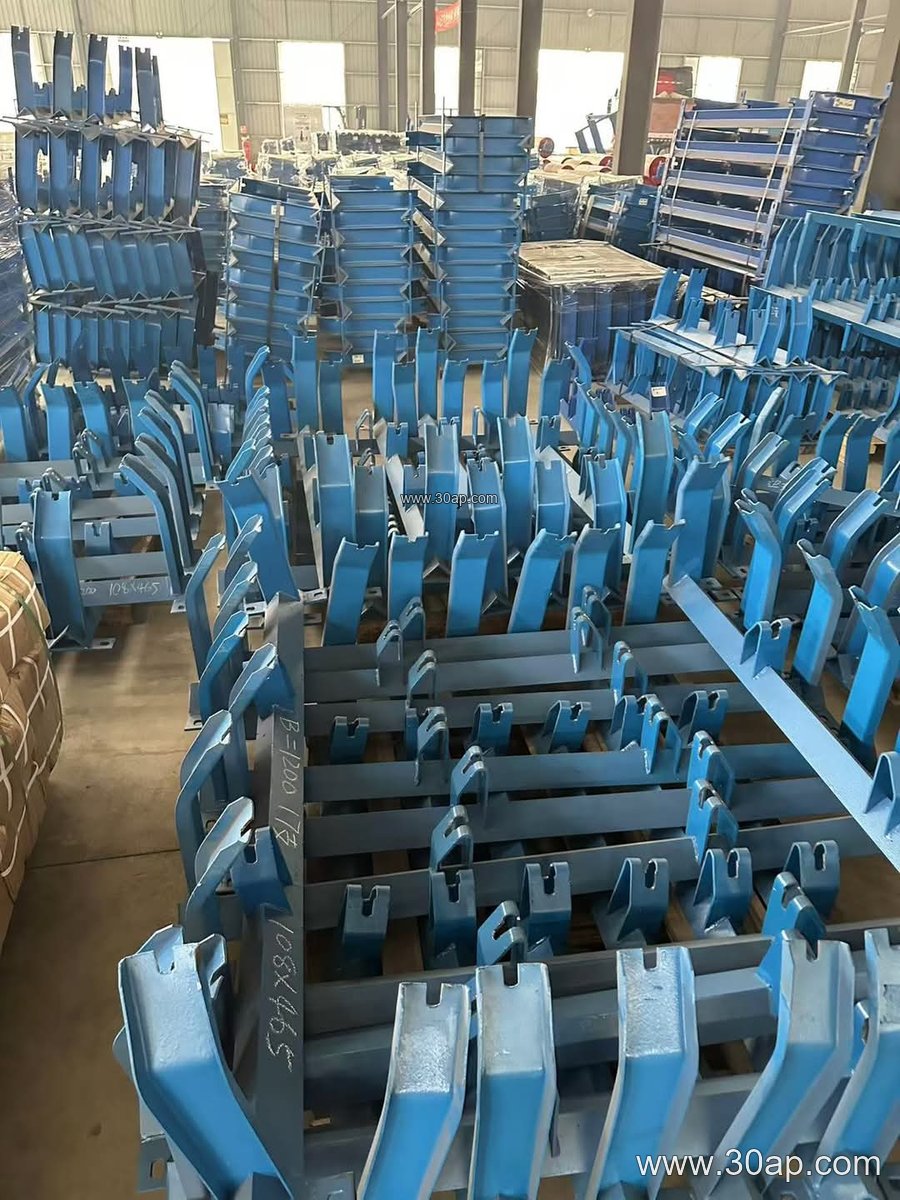
Brackets are usually grouped by their position and function on the conveyor. The table below lists common forms and their typical role.
| Bracket Type | Typical Position | Function |
|---|---|---|
| Troughing bracket (upper) | Carrying side | Holds three idlers in a trough to center bulk material |
| Transition bracket | Near head and tail | Gradually changes belt from flat to troughed |
| Return bracket (flat or V-type) | Return side | Supports the empty belt and controls sag |
| Impact bracket | Loading point | Carries cushion rollers under heavy drop zones |
| Self-aligning bracket | Long straight runs | Pivots to correct belt drift |
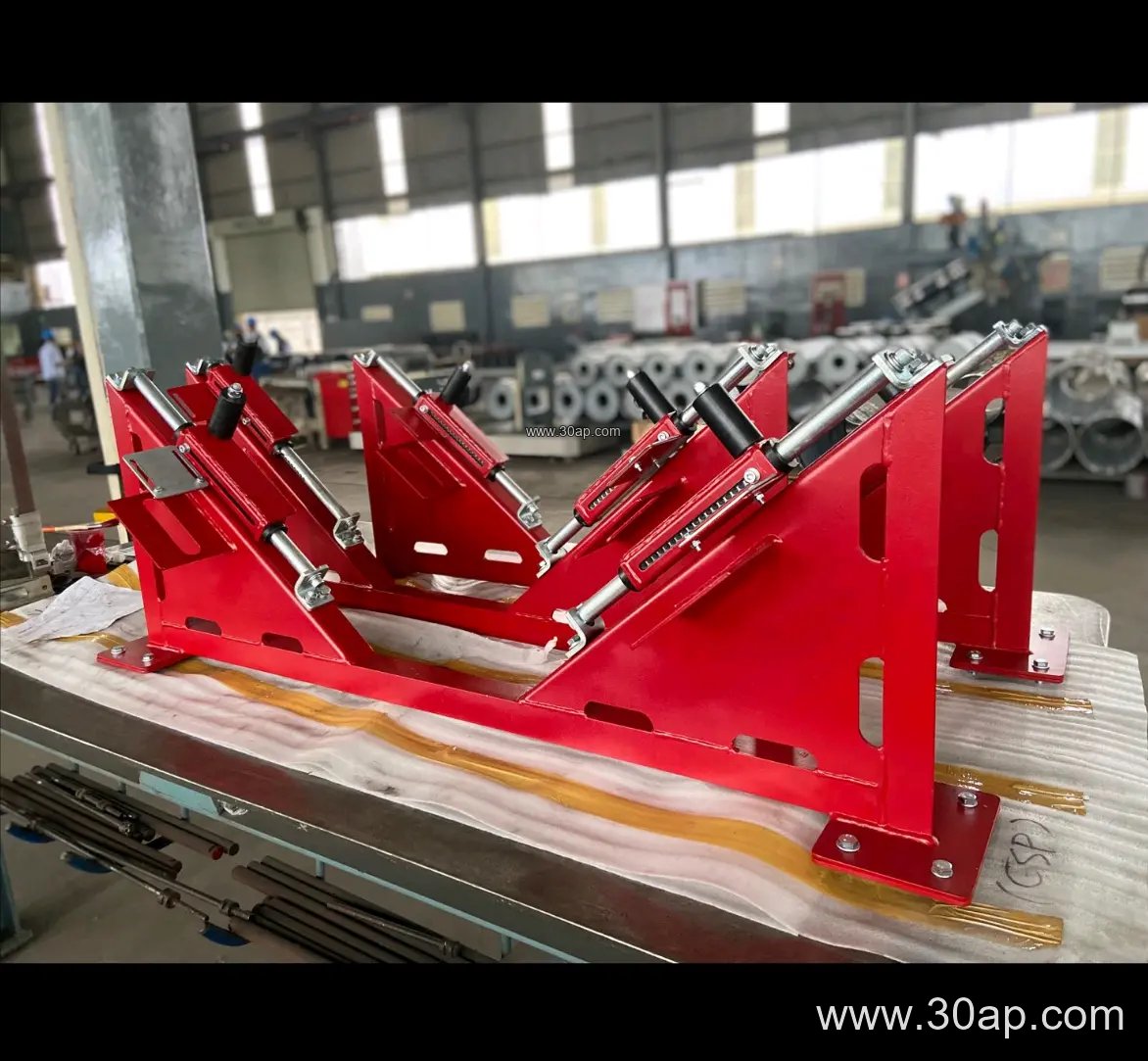
| Adjustable bracket | Variable sections | Allows trough angle changes on site |
Adjustable versions are useful where the same frame must handle different materials or where belt training needs fine tuning. Fixed brackets are simpler and cheaper, and they suit lines that run one product at a steady rate. A self-aligning bracket is not a substitute for a transition bracket; each solves a different problem, and both may appear on the same conveyor.
Trough Angle, Belt Width and Roller Diameter
The bracket sets the trough angle, commonly 20, 30, 35 or 45 degrees. A wider belt carrying fine, free-flowing material often uses a deeper trough, while a flat or shallow angle suits bulky lumpy loads. Adjustable brackets can move between these angles, but the frame and roller length must still match the belt width.
Belt width and roller diameter are selected together with the bracket, not in isolation. Common combinations include B800 with a 35 degree trough and Ø108 rollers, B1200 with 45 degrees and Ø133, or B650 with 30 degrees and Ø89. These are reference examples only; the final match depends on load, speed and frame design. Mounting hole spacing and crossbeam length usually vary with belt width and trough angle, so they should be confirmed against the actual conveyor drawing rather than assumed.
- B500 to B800: light to medium duty, often Ø89 or Ø108
- B1000 to B1400: general bulk duty, often Ø108 or Ø133
- B1600 to B2200: heavy duty, often Ø159 or Ø194
Applications Across Industries
These brackets appear wherever a belt conveyor moves loose material. In a limestone quarry or sand and gravel line, troughing and impact brackets take constant abrasive load. In a coal preparation plant, flame retardant conveyor belt and self-aligning brackets work together to keep the belt centered on long runs. Cement plants use them on clinker and raw meal lines, while power plant coal handling and port ship loading systems rely on sturdy return brackets to protect the belt on the empty side.
Whatever the site, the bracket should be chosen for the environment: dust, moisture, temperature and impact all influence material and finish. For more on matching belts and rollers to these frames, see conveyor idler bracket and the related roller and pulley ranges.
Buyer Checklist Before Ordering
Confirm the belt width, required trough angle, roller diameter and mounting hole pattern first. Then check the frame beam spacing and whether the bracket must be fixed or adjustable. Ask for the steel grade and finish, and request drawings that show hole positions rather than relying on a general model number alone. For heavy impact zones, a reinforced impact bracket is worth specifying early. Buyers sourcing complete systems often review EP conveyor belt and steel cord conveyor belt options alongside the bracket, since belt stiffness affects how the trough and transition sections behave.
Finally, plan for maintenance access. Brackets that allow a single roller to be lifted out without removing the whole assembly reduce downtime in continuous operations such as ore handling or cement production.