What a Conveyor Bracket Quotation Covers
A conveyor bracket quotation is more than a price list for steel pieces. It is a technical and commercial document that defines the support structure for the carrying and return sides of a conveyor belt. Whether you are specifying troughing brackets for a limestone quarry, return brackets for a coal handling system at a power plant, or transition brackets for a cement plant, the quotation should clearly state the bracket type, material, belt width range, trough angle, roller diameter compatibility, and surface treatment. A well-prepared quotation helps maintenance teams and procurement officers compare offers without guessing which bracket fits which conveyor section.
Because brackets are often paired with idler rollers, conveyor pulleys, and the conveyor belt itself, the quotation must align with the whole system. For example, a quotation for a B1000 conveyor bracket with 35-degree trough angle and Ø108 roller seats will not suit a B650 line with 20-degree troughing. The bracket is a small component, but it determines how well the belt is supported and how smoothly material moves.
How the Bracket Is Built and Where It Sits
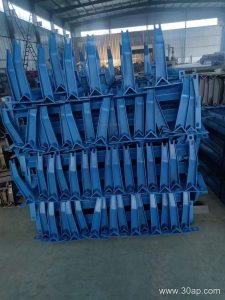
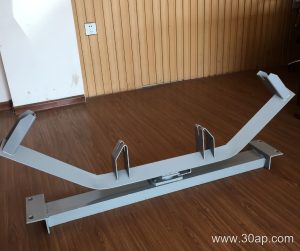
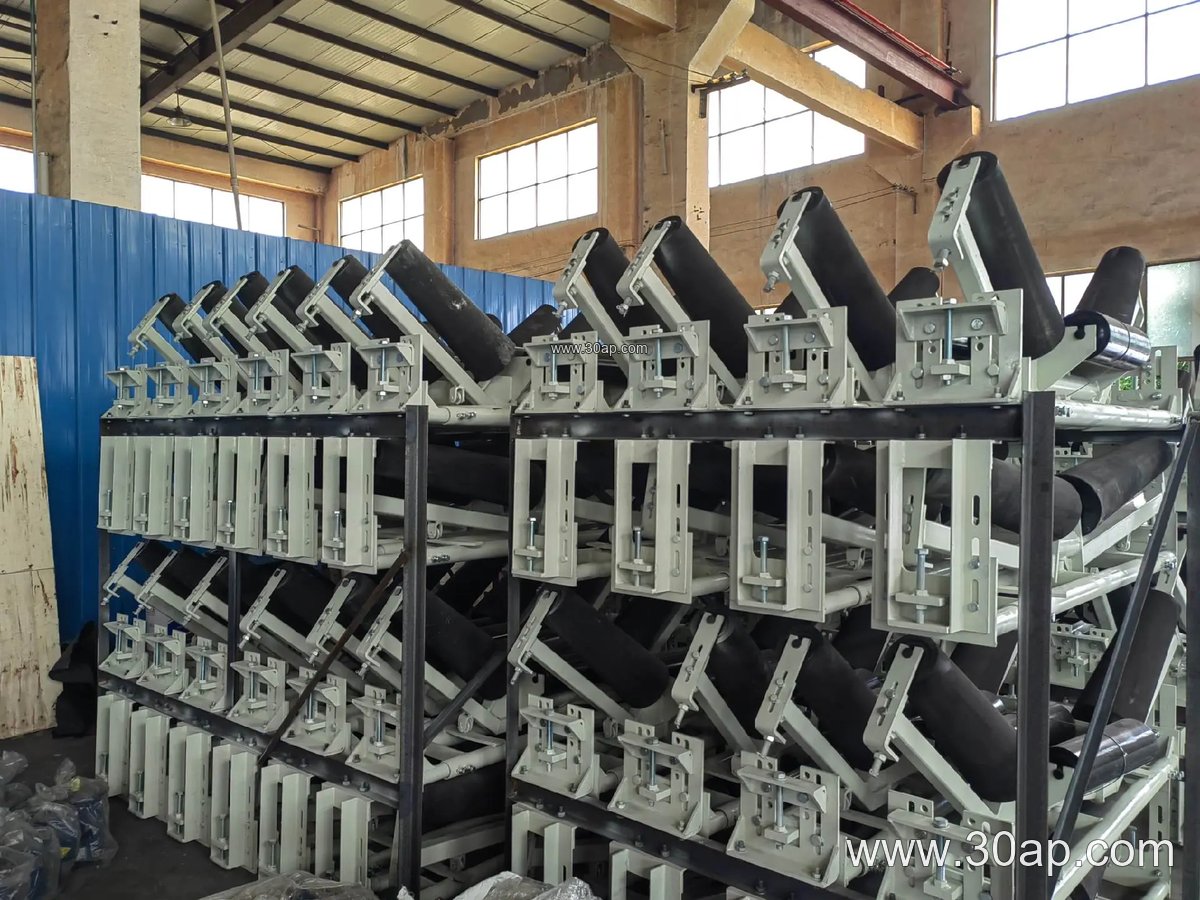
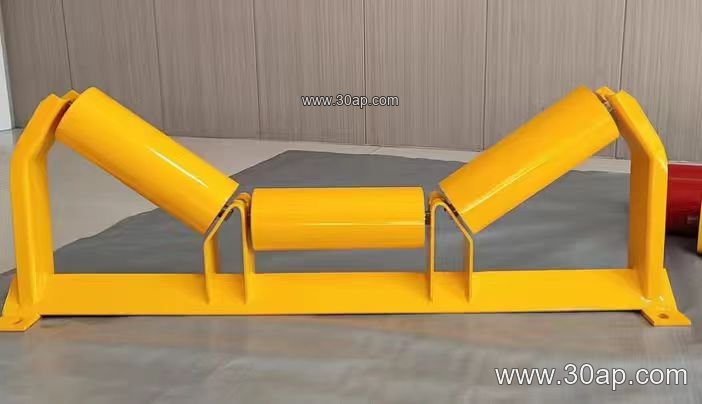
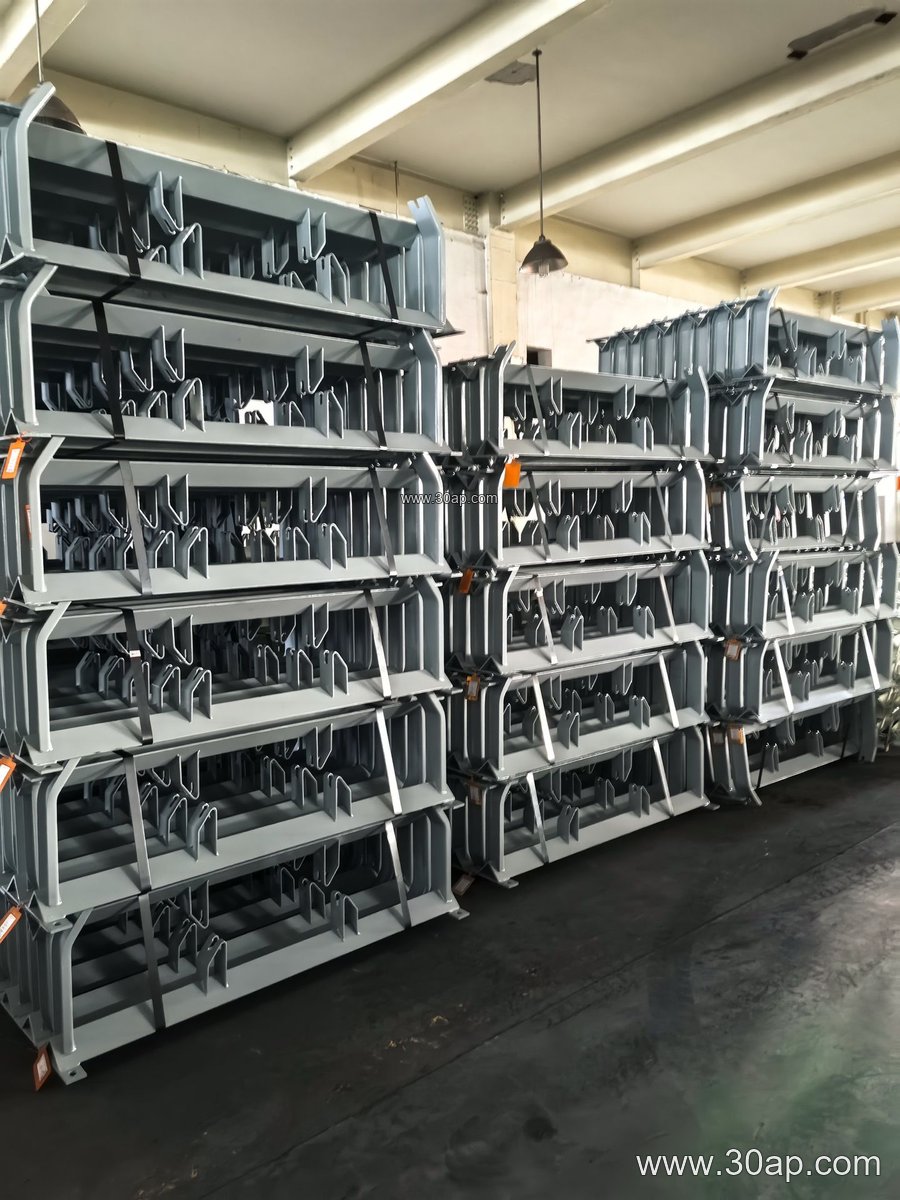
Most conveyor brackets are fabricated from angle steel, channel steel, or folded steel plate. The frame is welded or bolted, with mounting holes positioned according to the belt width and trough angle. Common types include troughing brackets (upper carrying side), transition brackets (near pulleys), return brackets (lower side), V-return brackets, impact brackets under loading points, and self-aligning brackets for belt tracking. Adjustable brackets allow the trough angle to be changed between 20, 30, 35, and 45 degrees, which is useful when a single conveyor handles different materials or when alignment needs fine-tuning.
The bracket sits between the conveyor stringers and the idler roller, holding the roller at the correct angle and spacing. In a typical B800 conveyor with 30-degree troughing and Ø89 rollers, the bracket’s crossbeam length and hole spacing are set by design. The same belt width can use different trough angles and roller diameters depending on the load and material characteristics, so the quotation should not assume one fixed combination. Brackets with a 1.5 to 2 degree forward tilt are sometimes used on the carrying side to help center the belt.
Application Notes from Different Industries
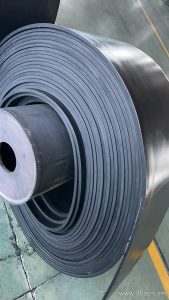
In a sand and gravel line, troughing brackets and impact brackets are common because the belt receives abrasive aggregate. A quotation for this duty should mention the bracket’s material thickness and any reinforcement at the loading zone. In a coal washing plant, flame retardant and anti-static properties of the conveyor belt matter, and the brackets must be compatible with the belt’s width and roller diameter. A coal mining conveyor belt or underground mining conveyor belt often runs on heavy-duty brackets with robust welds.
At a cement plant, transition brackets near the head and tail pulleys help the belt change from flat to troughed without stress. In a power plant coal yard, return brackets and V-return brackets support the belt on the lower side, while self-aligning brackets reduce misalignment on long runs. For a port conveyor handling bulk material, the quotation may include brackets for B1400 or B1600 belts with 35-degree troughing and Ø133 or Ø159 rollers. Each site has its own layout, so the bracket quotation should be reviewed against the conveyor drawing, not just a generic catalogue.
Key Parameters in a Quotation
The table below lists typical bracket-related parameters that a buyer may see. These are reference values, not mandatory combinations or fixed supply promises. Installation hole spacing and crossbeam length change with belt width and trough angle, so they are determined by design.
| Parameter | Common Options | Notes |
|---|---|---|
| Bracket type | Troughing, transition, return, V-return, impact, self-aligning, adjustable | Match the bracket to its position on the conveyor |
| Material | Angle steel, channel steel, folded steel plate | Thickness and coating per design |
| Belt width (B) | B500, B650, B800, B1000, B1200, B1400, B1600, B1800 | Quotation should state the range |
| Trough angle | 20°, 30°, 35°, 45° | Adjustable brackets can change between these |
| Roller diameter | Ø89, Ø108, Ø133, Ø159, Ø194 | Must match the idler roller used |
| Forward tilt | About 1.5° to 2° | Optional for belt centering |
A quotation may also mention surface treatment such as painting or galvanizing, and whether fasteners are included. For a B1200 conveyor with 45-degree troughing and Ø133 rollers, the bracket design differs from a B650 line with 30-degree troughing and Ø89 rollers. Buyers should confirm the roller diameter and belt width before comparing prices.
What Buyers Should Check Before Ordering
- Confirm the bracket type and position: carrying side, return side, transition, or impact zone.
- Verify belt width and trough angle against the conveyor drawing.
- Check roller diameter compatibility, because the bracket seat must fit the idler roller.
- Ask whether the quotation includes mounting hardware and surface treatment.
- For adjustable brackets, confirm the adjustment range and locking method.
- Review the material specification with the conveyor belt supplier, especially for flame retardant or heat resistant belts.
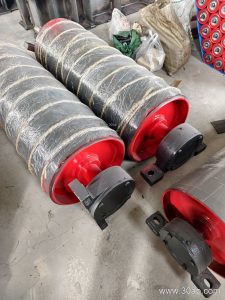
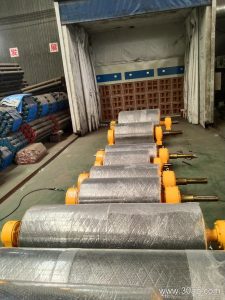
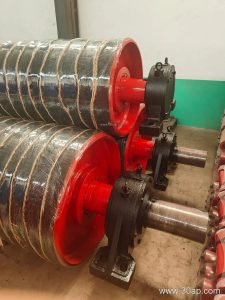
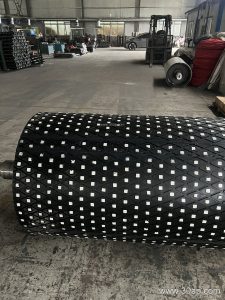
A clear conveyor bracket quotation reduces installation errors and keeps the belt support system consistent. Whether the project is a quarry conveyor, a cement plant, or a coal mining conveyor belt line, the bracket is a small but critical part of the whole conveyor pulley and idler assembly. For related components such as rubber conveyor belt, EP conveyor belt, or steel cord conveyor belt, the bracket quotation should be read together with the belt and roller specifications.