What a High Temperature Conveyor Belt Is
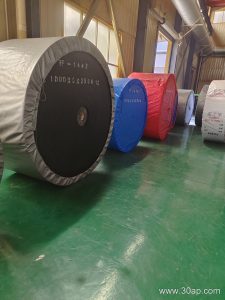
A High Temperature Conveyor Belt is a heat resistant conveyor belt built to carry hot materials without losing its carcass strength or cover adhesion. In cement plants, steel plants, power plants and foundry lines, the belt often faces clinker, sinter, ash or castings that stay hot for a long distance along the conveyor. The same product is also sold as a heat resistant conveyor belt, and both names describe one family of belts rather than two different products.
The heat problem is not only the surface temperature. Heat soaks through the cover into the fabric or steel cord carcass, and repeated heating and cooling can harden the rubber, open cracks and loosen the bond between plies. A belt specified for hot service usually combines a heat-stable cover compound with a carcass designed to keep its elastic properties at elevated temperatures.
Construction and Common Configurations
Most heat resistant belts use a fabric core, such as an EP Conveyor Belt or NN Conveyor Belt carcass, or a Steel Cord Conveyor Belt for very long, high-tension runs. Cover grades are usually selected by the temperature range of the material and by whether sparks, embers or abrasive dust are also present. Where the load is heavy and sharp, a Heat Resistant Conveyor Belt may also need good abrasion performance, so buyers often compare it with an Abrasion Resistant Conveyor Belt rather than treating heat resistance alone as sufficient.
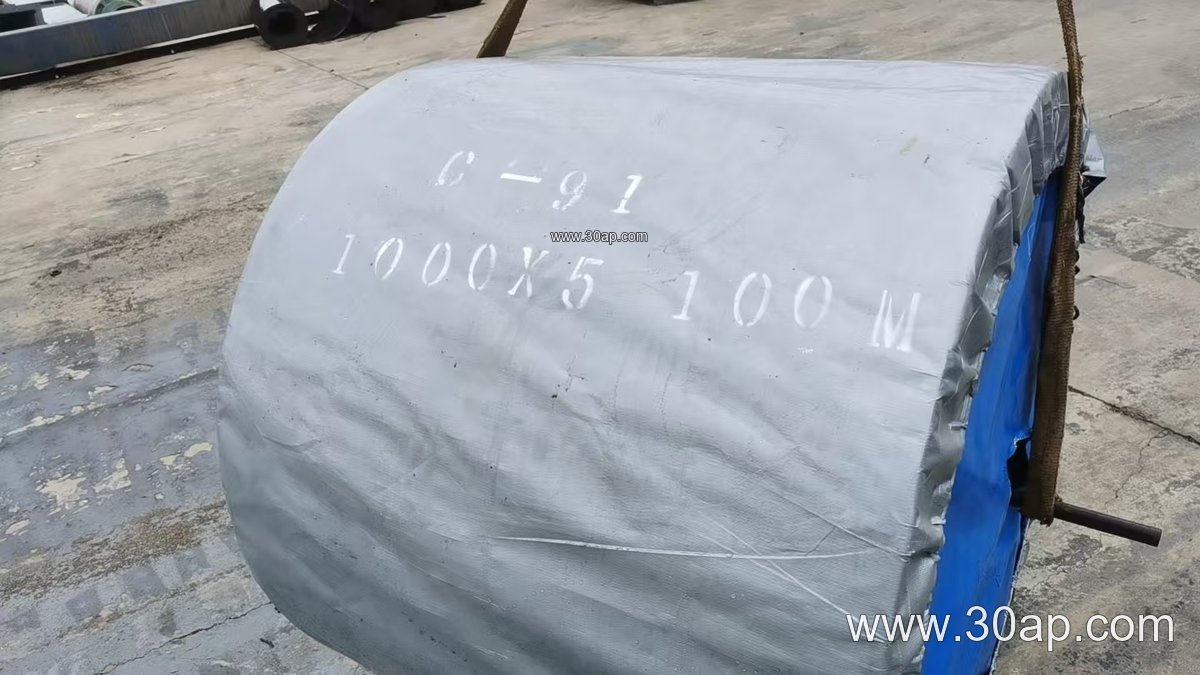
Typical reference data for heat-service fabric belts are shown below. These are common ranges for discussion, not fixed supply commitments, and actual values are confirmed by the manufacturer for each design.
Reference Parameters
- Strength grades commonly quoted: EP200, EP315, EP400, EP500, EP630, EP800, EP1000, EP1250
- Belt widths commonly quoted: B500, B650, B800, B1000, B1200, B1400, B1600, B1800
- Cover thickness examples: 4+2 mm, 5+2 mm, 6+2 mm, 8+3 mm
- Carcass plies: usually 2 to 6 layers in multi-ply fabric core designs
A Multi-Ply Fabric Core Conveyor Belt is common in cement and clinker service because the plies can be tuned to the impact and tension of the line. In longer overland or steep systems, a steel cord construction may be preferred, but the heat rating of the cover and the carcass protection still decide the final choice.
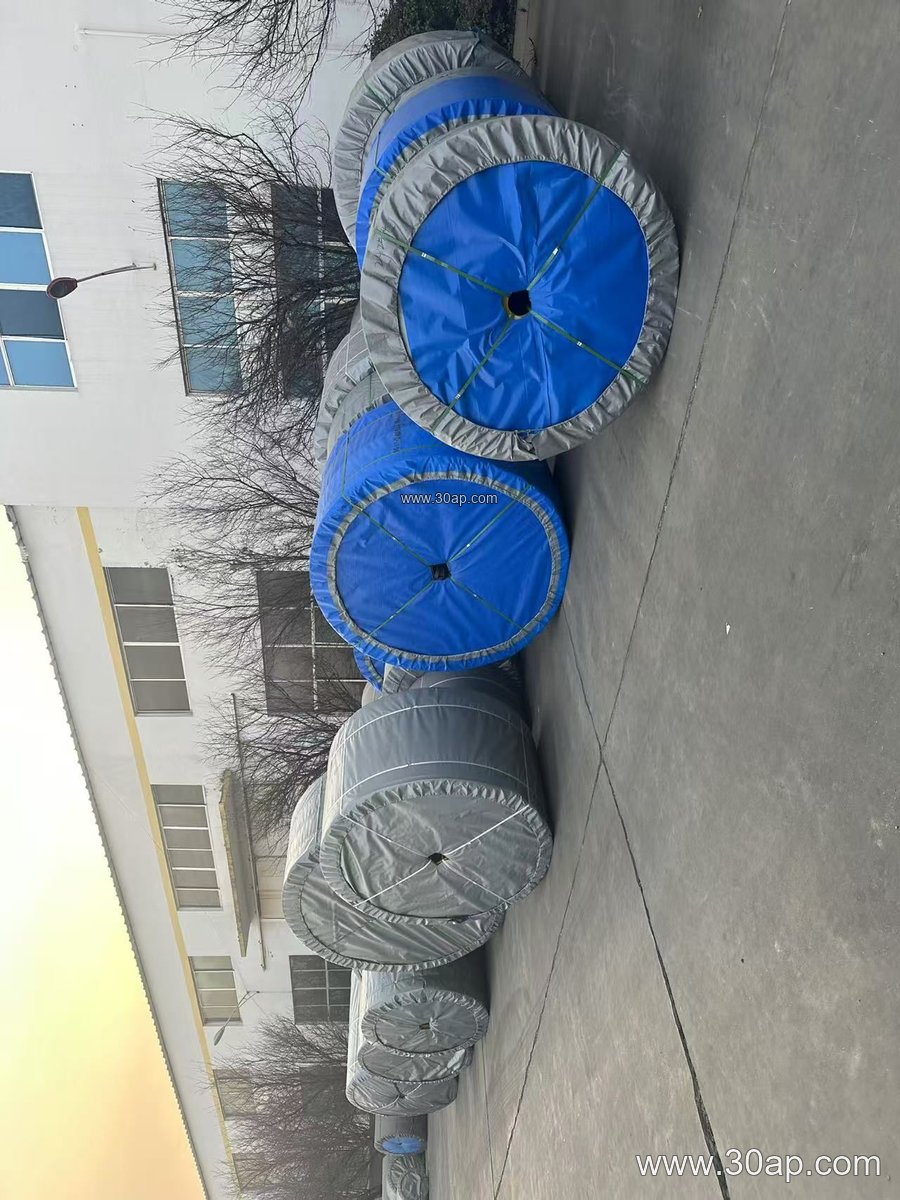
Where Heat Resistance Matters
In a cement plant, belts move clinker from the cooler to storage, and the material can still be hot when it reaches the transfer point. In a power plant, ash handling and boiler bottom ash lines expose the belt to warm, abrasive residue. Steel plants use heat resistant belts for sinter, coke and scale, while foundries and sand reclamation lines handle castings and hot sand. Quarry and aggregate operations usually focus on abrasion, but a kiln or dryer section can bring heat into the same plant.
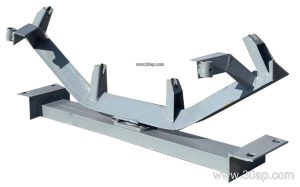
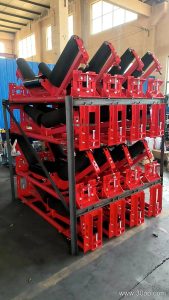
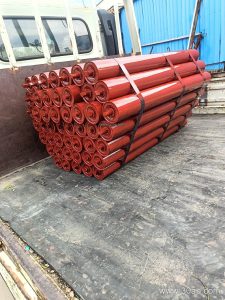
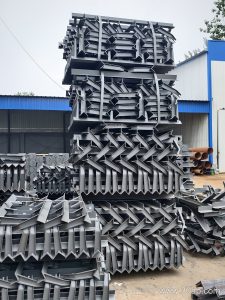
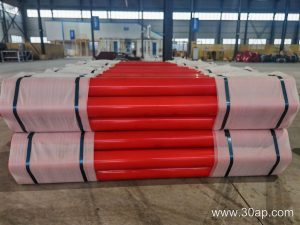
Hot service also affects the rest of the conveyor. A conveyor pulley at the head end, an idler roller under a hot load, and a conveyor bracket near a transfer chute all see radiant heat. The belt is the main subject, but alignment and free rotation of the pulley and idlers matter because a stalled roller can create a hot spot under a belt that is already warm. On inclined sections, a Chevron Conveyor Belt or a Corrugated Sidewall Conveyor Belt may be used for grip or material retention, but only when the heat rating of that profile design is confirmed for the duty.
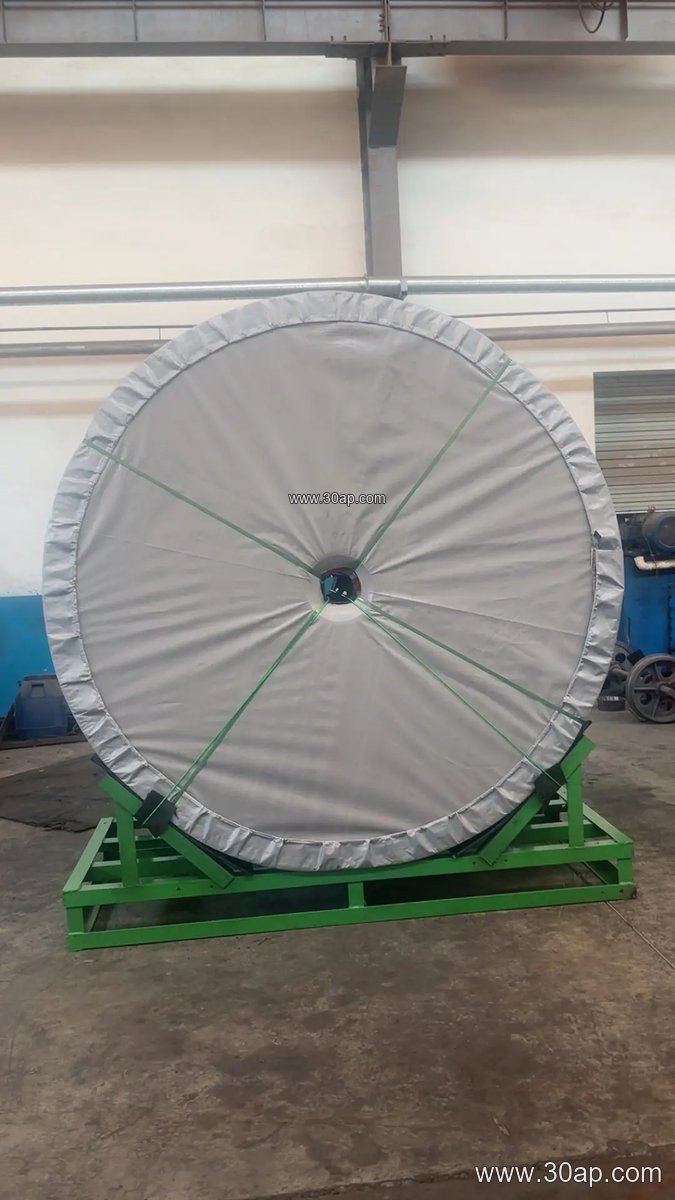
Selection Points for Buyers
Buyers should give the supplier the material type, the measured surface temperature at the loading point, the ambient temperature, the belt speed, the duty cycle and whether water spray or steam is present. A belt that runs hot continuously behaves differently from one that sees short peaks, and a belt cooled by water can see thermal shock at the cover surface.
Width and strength should follow the conveyor design, not the other way round. A 1000mm or 1200mm belt on a medium-duty line is a different specification from a 1600mm or 1800mm belt on a high-tonnage cement or steel plant conveyor. The pulley diameter, shaft size and take-up arrangement are set by the conveyor engineer, and no single belt width fixes one pulley diameter.
For storage and installation, avoid sharp bends in the belt roll and keep the belt away from direct flame or strong sunlight before it is fitted. Check that the splice material matches the heat grade of the belt, because a standard splice can fail long before the belt body does. Where the plant also handles coal or combustible dust, a Flame Retardant Conveyor Belt or Fire Resistant Conveyor Belt property may be required alongside heat resistance, and the two requirements should be stated together in the enquiry.
Finally, match maintenance to the duty. Inspect the cover for hardening and cracking, watch the edges for ply separation, and keep the idler roller and pulley surfaces clean so heat is not trapped under the belt. A belt chosen for the real temperature profile, with the right carcass and cover, will usually give longer service than an oversized general-purpose belt pressed into hot duty.