What Is an EP630 Conveyor Belt
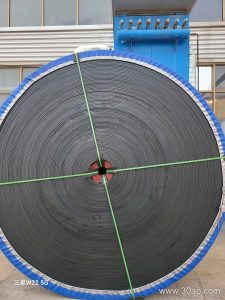
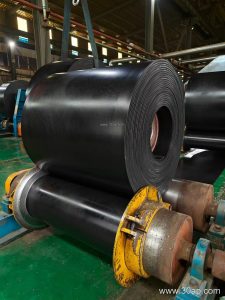
An EP630 Conveyor Belt is a fabric-core belt built with polyester (E) and nylon (P) warp and weft yarns. The number 630 refers to the nominal tensile strength of the carcass in newtons per millimeter of belt width. This places it in the mid-to-high strength range of EP conveyor belts, making it a common choice for continuous bulk conveying where a single-ply or light-duty belt would be stretched too far. In many plants, the EP630 Conveyor Belt serves as the workhorse on main haulage lines, while lighter EP200 or EP400 belts handle tertiary circuits and a Steel Cord Conveyor Belt may take over on the longest, highest-tension overland routes.
Construction and Build
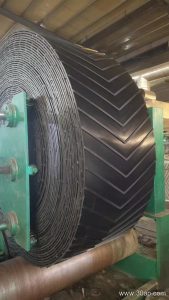
The carcass of an EP630 belt typically contains multiple plies of EP fabric, often between two and five, bonded with rubber skim compounds. The cover rubber is applied to both the top and bottom surfaces. Common cover thickness combinations include 4+2 mm, 5+2 mm, and 6+2 mm, although the exact gauge is selected according to the material being carried and the pulley diameters on the conveyor. The belt edges may be cut square or molded, and the surface can be smooth or carry a pattern such as a Chevron Conveyor Belt profile for inclined sections.
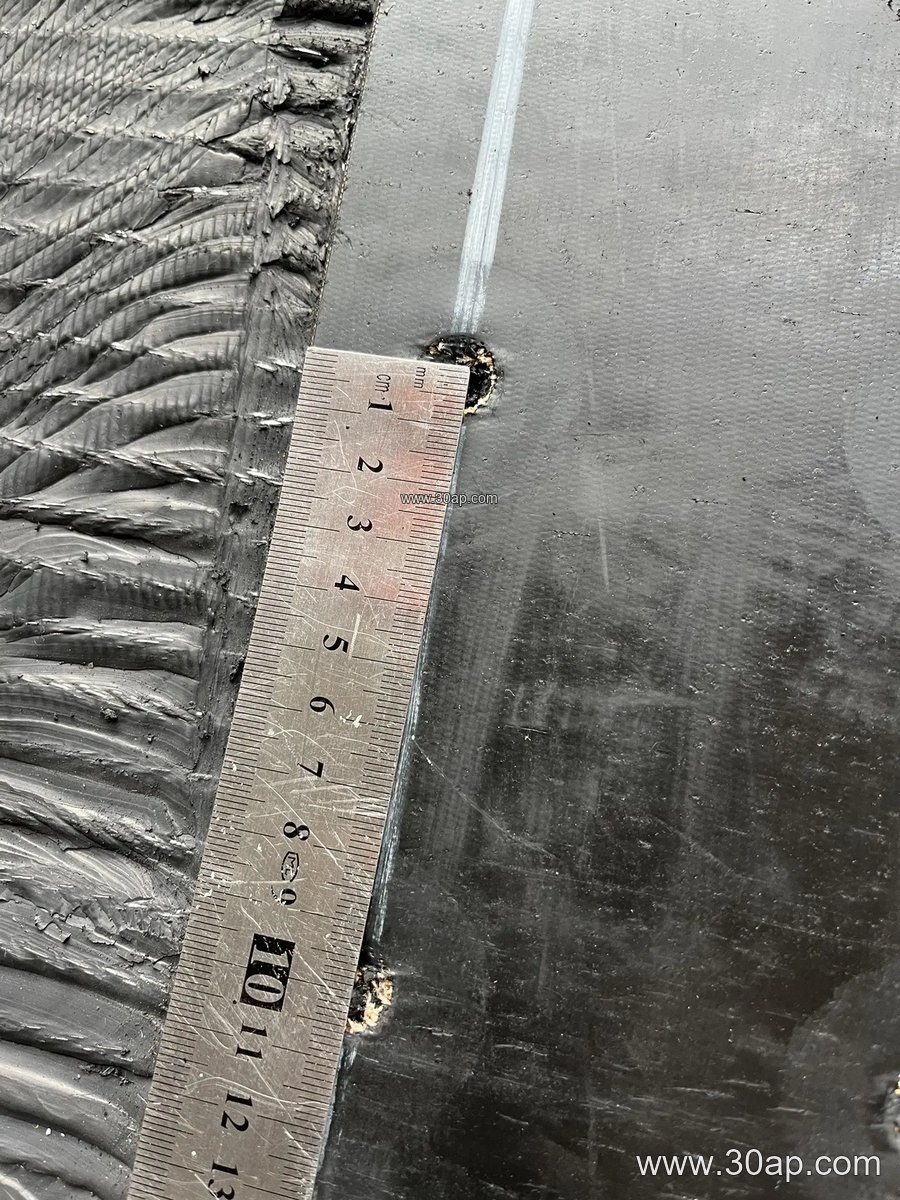
EP fabric offers low elongation compared with nylon-only carcasses, which helps maintain tension over long centers and reduces take-up travel. The rubber covers can be formulated for specific duties: an Abrasion Resistant Conveyor Belt cover for sharp rock, a Heat Resistant Conveyor Belt cover for clinker or sinter, a Flame Retardant Conveyor Belt cover for coal handling, or an Oil Resistant Conveyor Belt cover for recycled material and oily scrap. Each of these options uses the same EP630 carcass but changes the surface compound to suit the environment.
Where EP630 Belts Are Used
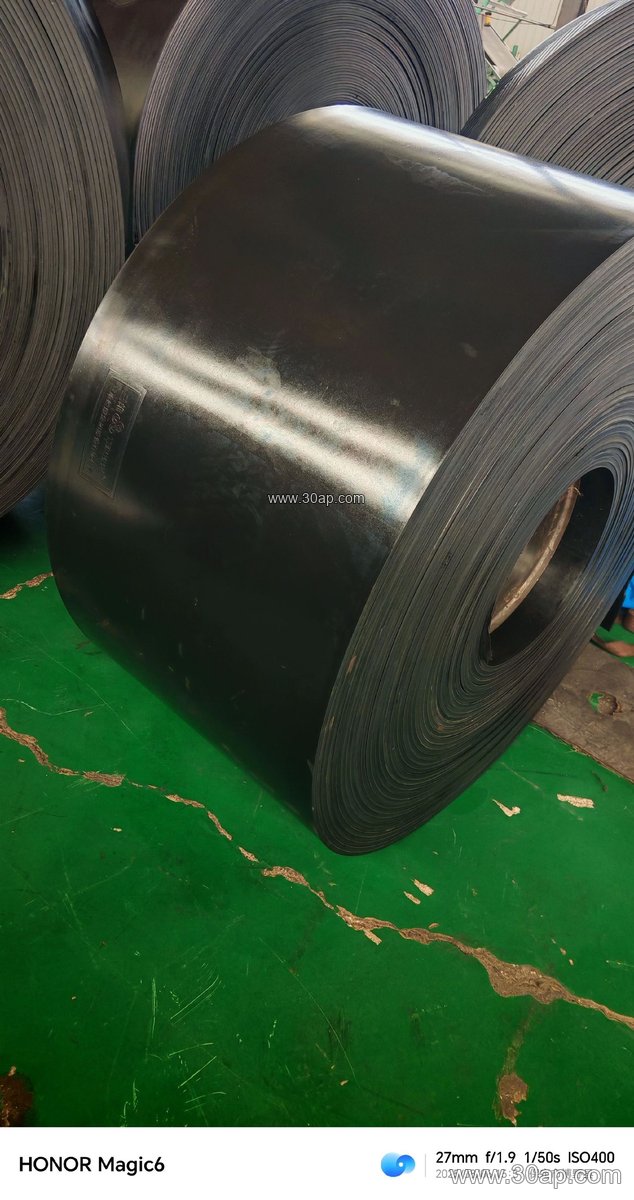
Because of its balance of strength and flexibility, the EP630 belt appears across many industries. In a quarry or sand making plant, it often runs on primary and secondary crusher discharge conveyors, carrying aggregate and rock. In a cement plant, it may feed raw meal or transport clinker, where a Heat Resistant Conveyor Belt variant is sometimes specified. Coal mining operations use flame-retardant versions for underground and surface haulage, while power plants rely on EP630 belts on coal yard and ash handling lines. Ports and ship loading facilities use it for bulk material transfer, and recycling plants apply oil-resistant grades where waste contains lubricants or chemicals.
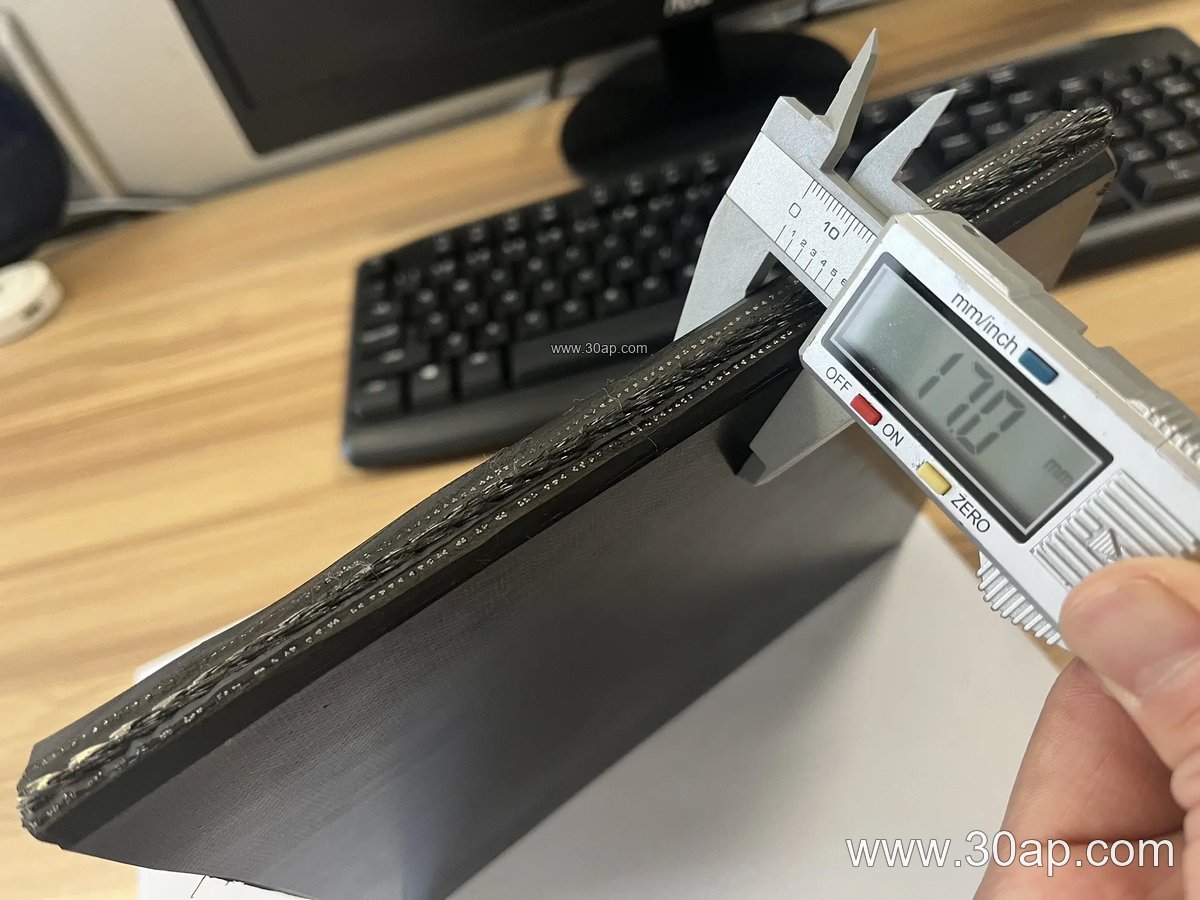
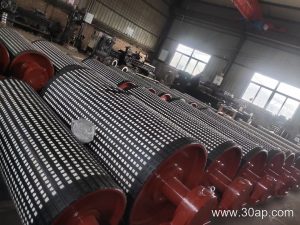
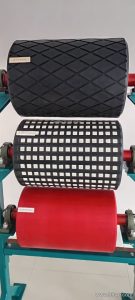
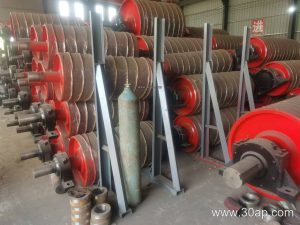
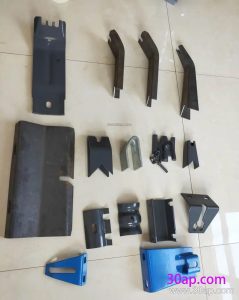
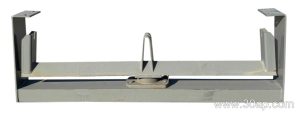
The belt runs over conveyor pulleys—drive, tail, and bend pulleys—and is supported by idler rollers spaced along the carrying and return sides. Conveyor brackets hold the idlers and pulleys in alignment. The EP630 carcass tolerates the repeated flexing over these components, provided the pulley diameters and idler spacing are matched to the belt’s ply count and cover gauge.
Specifications and Selection Notes
Buyers should confirm the following details when specifying an EP630 Conveyor Belt. The table below lists typical reference values; actual supply should be confirmed with the manufacturer.
| Parameter | Common Reference Range |
|---|---|
| Belt width | B500, B650, B800, B1000, B1200, B1400, B1600, B1800 |
| Cover thickness | 3+1.5 mm, 4+2 mm, 5+2 mm, 6+2 mm, 8+3 mm |
| Carcass plies | 2 to 6 plies, depending on design |
| Nominal strength | EP630 (630 N/mm) |
| Surface options | Smooth, Chevron, skirted, corrugated sidewall |
Belt width and pulley diameter are not linked by a single fixed rule; a 1000mm wide EP630 belt can run on different pulley sizes depending on the conveyor design, load, and ply count. For inclined haulage, a Chevron Conveyor Belt or a Corrugated Sidewall Conveyor Belt may be preferred to prevent material rollback. For dusty or explosive atmospheres, an Anti-Static Conveyor Belt grade is often requested alongside flame resistance.
Maintenance and Handling
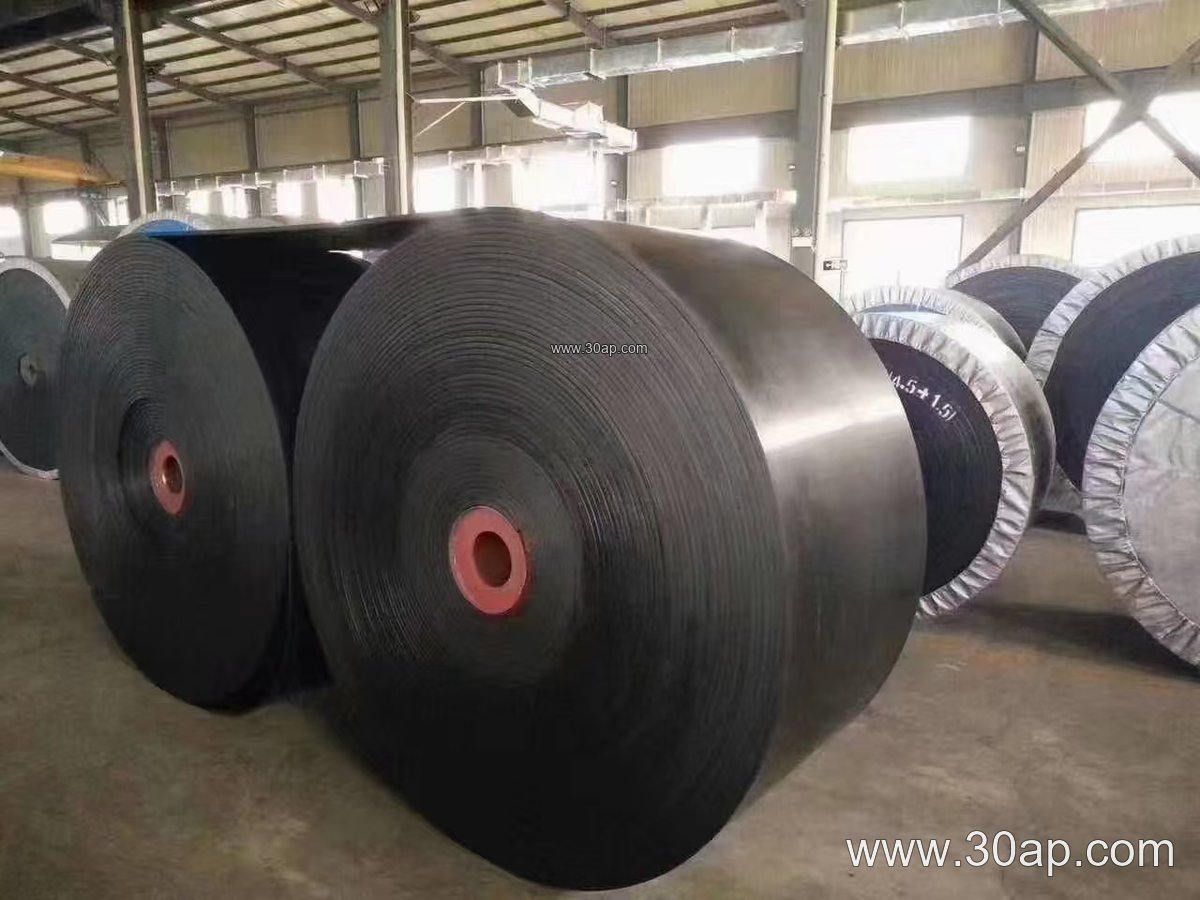
Proper tracking and tension are the main factors in belt life. Check that idler rollers turn freely and that conveyor pulleys are aligned. Worn lagging on the drive pulley or seized idlers can cause edge damage and premature cover wear. Keep the belt cleaner adjusted so that carryback does not build up on the return side. When splicing, use the splice method recommended for the ply count and cover gauge; a poorly made splice is a common cause of early failure. Store spare belts in a dry, shaded area and avoid sharp bends that could crack the cover rubber.
For any EP630 Conveyor Belt inquiry, specify the material to be conveyed, belt width, cover thickness, ply count, and any special surface or compound requirement. This allows the supplier to match the belt to the conveyor pulleys, idler rollers, and brackets already in place.