What a Carrying Idler Does on the Load Side
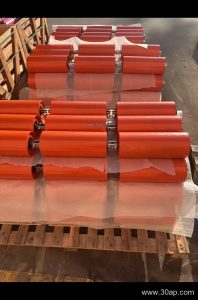
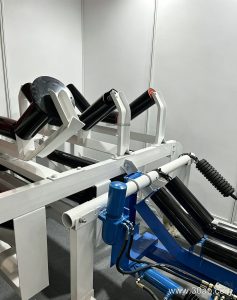
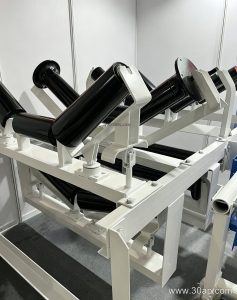
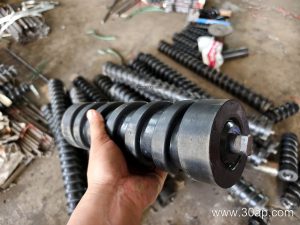
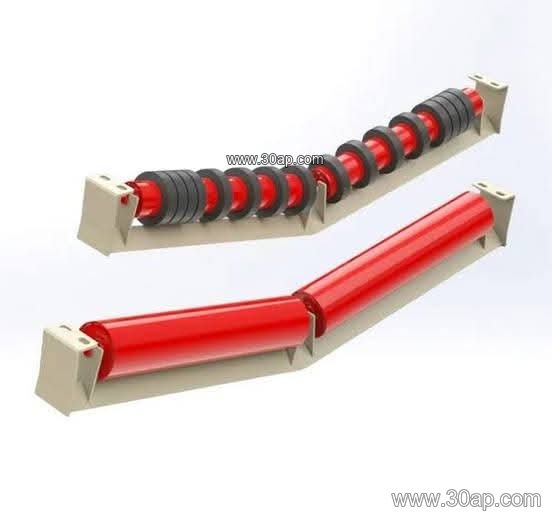
A carrying idler is the roller that supports the loaded strand of a conveyor belt and gives it the trough shape that keeps bulk material centered. On a typical three-roll troughing set, the two side rolls are inclined at the trough angle while the center roll stays flat, so the belt forms a shallow channel. This is the working definition of the carrying idler, sometimes written as the carrying roller, and it is the component most often in contact with the belt under load.
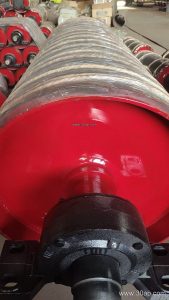
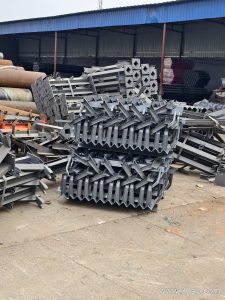
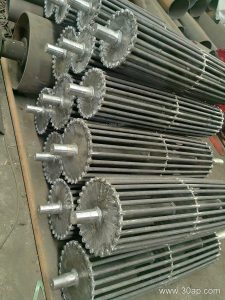
These rollers sit in frames held by conveyor brackets along the stringer. They carry the weight of the belt plus the material, absorb the impact of lumps, and let the belt run with low rolling resistance. The arrangement is different from a return idler, which supports the empty strand, and from a conveyor pulley at the head or tail, which drives or redirects the belt.
Construction Details That Affect Life
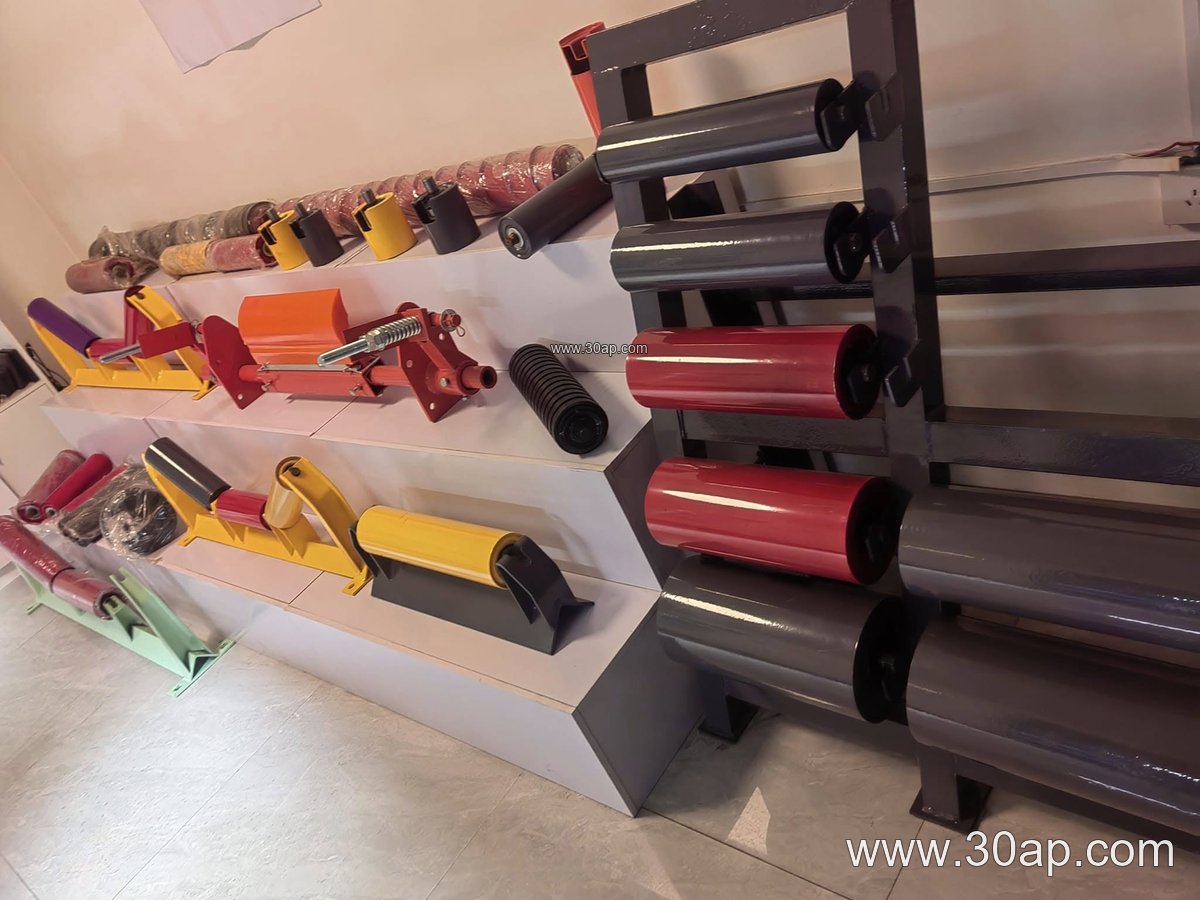
A carrying idler is usually built around a steel tube shell with welded end caps, a through shaft, and deep-groove ball bearings sealed against dust. Roller diameter and wall thickness are chosen for belt width, load, and speed. Common diameters include Ø89, Ø102, Ø108, Ø127, Ø133, and Ø159 mm, with larger sizes such as Ø178 or Ø219 mm used on heavy-duty lines. Shell materials range from plain steel to nylon, ceramic, or rubber rings where wear or impact is severe.
- Bearing seats are often fitted with labyrinth seals to keep out fine grit.
- Rubber rings or impact rolls are used at transfer points to cushion falling material.
- Ceramic or nylon covers reduce wear on abrasive quarry and ore duty.
- Roll length depends on belt width, trough angle, and frame type; a three-roll set for B1000 might use a center roll near 380 mm, but side rolls and center rolls can differ.
Bearing numbers such as 6205, 6305, 6306, 6308, or 6310 appear in catalogs, but no single bearing is tied to one roller diameter. Buyers should confirm shaft size and seal type with the frame drawing.
Where the Carrying Idler Fits in a Plant
In a limestone quarry or aggregate line, carrying idlers keep crushed rock moving from the crusher to the screening deck. In a coal mining or coal handling plant, they support the loaded run of a flame retardant conveyor belt through transfer houses and along inclined galleries. The same roller type appears in cement plants feeding raw meal, in power plant coal yards, and in port ship-loading conveyors. Whatever the material, the troughing angle and roll spacing are set by belt width, capacity, and the sag limit allowed by the belt manufacturer.
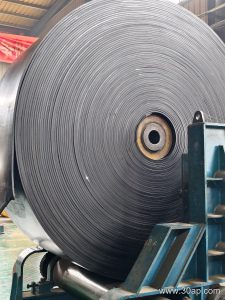
Selection also depends on the belt itself. A heavy steel cord conveyor belt may need wider roll spacing and larger diameters, while a multi-ply fabric core belt on a shorter run can use smaller rollers. Abrasion resistant conveyor belts in a stone crushing plant may justify ceramic-faced rolls, and heat resistant belts near a kiln discharge need rollers rated for the ambient temperature.
Reading Sizes and Trough Angles
Carrying idlers are commonly grouped by belt width and trough angle. Standard belt widths include B500, B650, B800, B1000, B1200, B1400, B1600, B1800, and B2000, with wider belts available for large port and mining projects. Trough angles of 20, 30, 35, and 45 degrees are common; a 35-degree set is widely used for general bulk material, while 45 degrees gives a deeper trough for high capacity. The table below shows typical reference values, not fixed supply rules.
| Belt width | Common idler diameter | Trough angle | Typical three-roll center length |
|---|---|---|---|
| B500 | Ø89 mm | 20–35° | about 200 mm |
| B650 | Ø89–Ø108 mm | 20–35° | about 250 mm |
| B800 | Ø102–Ø127 mm | 30–35° | about 315 mm |
| B1000 | Ø108–Ø133 mm | 30–35° | about 380 mm |
| B1200 | Ø127–Ø159 mm | 30–45° | about 465 mm |
| B1400 | Ø133–Ø159 mm | 35–45° | about 530 mm |
| B1600 | Ø133–Ø178 mm | 35–45° | about 600 mm |
| B1800 | Ø159–Ø194 mm | 35–45° | about 670 mm |
These figures are typical examples only. Side rolls can be shorter than the center roll, and transition idlers near a pulley are often set at a shallower angle to avoid stressing the belt edge.
Buyer Checklist Before Ordering
Start with the belt width, trough angle, and frame drawing rather than a single size. Confirm the shaft diameter and bearing seat, the seal arrangement, and whether the rolls are plain steel, rubber covered, or ceramic faced. Check the load per idler and the belt speed, because high speed and heavy lumps raise the impact and wear on the carrying idler. Ask how the rollers fit the conveyor bracket and whether frames are fixed or suspended. For dusty coal or cement duty, specify seals that resist fine powder; for a quarry with wet, abrasive rock, consider wear-resistant shells. If the line uses a chevron conveyor belt or a corrugated sidewall belt, confirm that the roller surface and frame clearance suit the belt profile. Finally, keep a small stock of the most common diameters and lengths so a failed carrying roller does not stop the whole conveying line.
For matching belts and rollers, the selection should be reviewed together with the conveyor pulley layout and belt specification. A carrying idler that is correctly sized for the belt, load, and environment will run cooler, last longer, and protect the belt edge far better than an oversized or undersized substitute.