What a Belt Conveyor Return Idler Does
A Belt Conveyor Return Idler is the roller set mounted under the carrying run of a conveyor, supporting the empty side of the belt as it travels back to the tail pulley. It is a small component compared with a conveyor pulley or a heavy drive, yet it carries the belt’s own weight across long spans and keeps the return strand tracking in line. In a quarry, a coal preparation plant or a cement kiln feed line, these rollers are installed in regular stations along the frame, and their condition influences belt life and drive power.
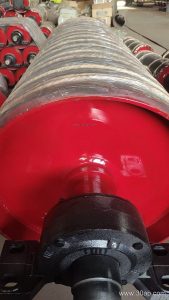
The return idler is not a substitute for a tail pulley or a bend pulley; those pulleys change belt direction, while the return roller simply supports the flat or troughed belt on its way back. conveyor idler selection usually begins with the belt width, the material load and the environment.
Construction and Common Forms
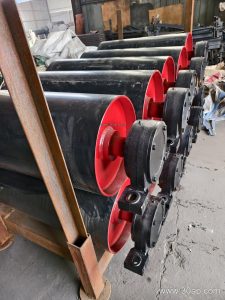
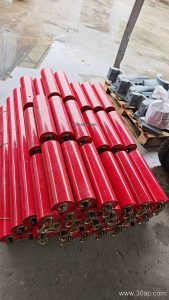
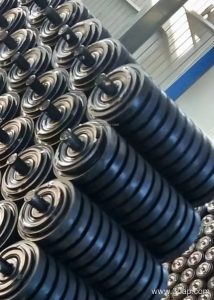
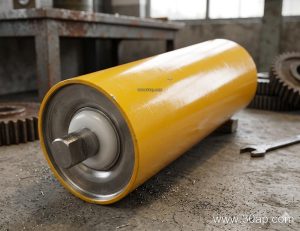
A typical return roller consists of a steel tube shell, a shaft, bearing housings and a sealing arrangement. The shell can be plain steel, nylon coated, ceramic covered or fitted with rubber rings. Seals matter in dusty conditions, because fine grit from a crusher or a limestone stockpile will shorten bearing life if it reaches the races.
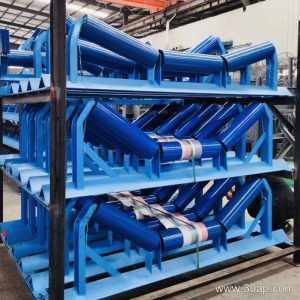
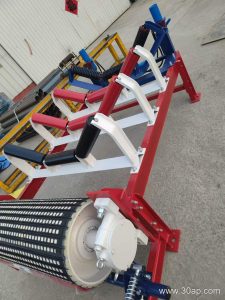
Return rollers appear in several forms. A plain flat return idler is common on the empty strand. A V-shaped return idler set uses two rollers at an angle to help center the belt. Spiral or helix return rollers shed sticky material, which is useful in wet coal or clay handling. Rubber-disc impact types are sometimes compared here, but those are normally carry-side impact idlers and are not a replacement for the return roller.
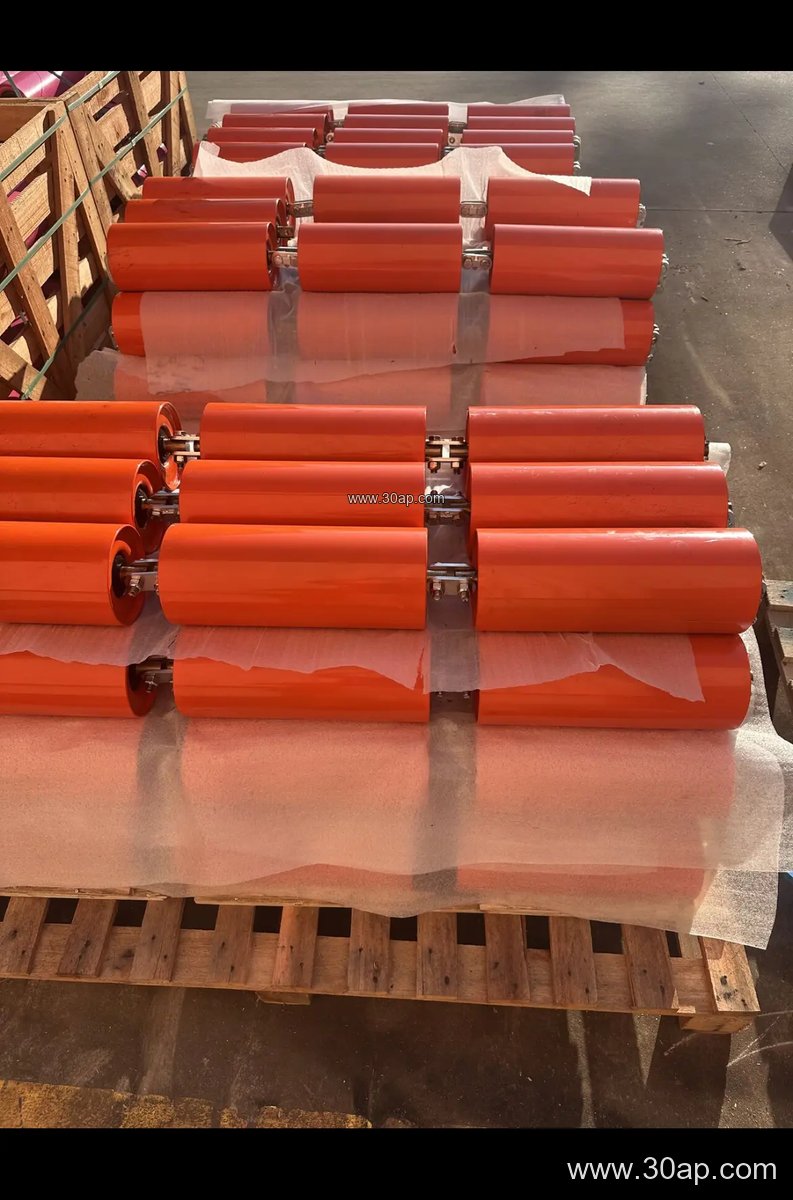
- Roll diameter examples: Ø89, Ø102, Ø108, Ø127, Ø133, Ø159
- Belt width examples: B650, B800, B1000, B1200, B1400, B1600
- Bearing examples: 6204, 6205, 6305, 6306, 6308
- Surface options: steel tube, nylon, ceramic, rubber ring
These values are common references, not fixed pairings. A single belt width can accept more than one roller diameter, and shaft size is set by the frame design and load calculation rather than by belt width alone.
Where Return Idlers Are Used
You will see them in sand and aggregate plants, iron ore and copper ore handling, power station coal yards and steel plant sinter lines. In a tunnel mucking system or a concrete batching plant, return rollers keep the empty belt from sagging between frames. On long overland conveyors, the spacing of these idlers is often closer near the tail and head to control belt sag.
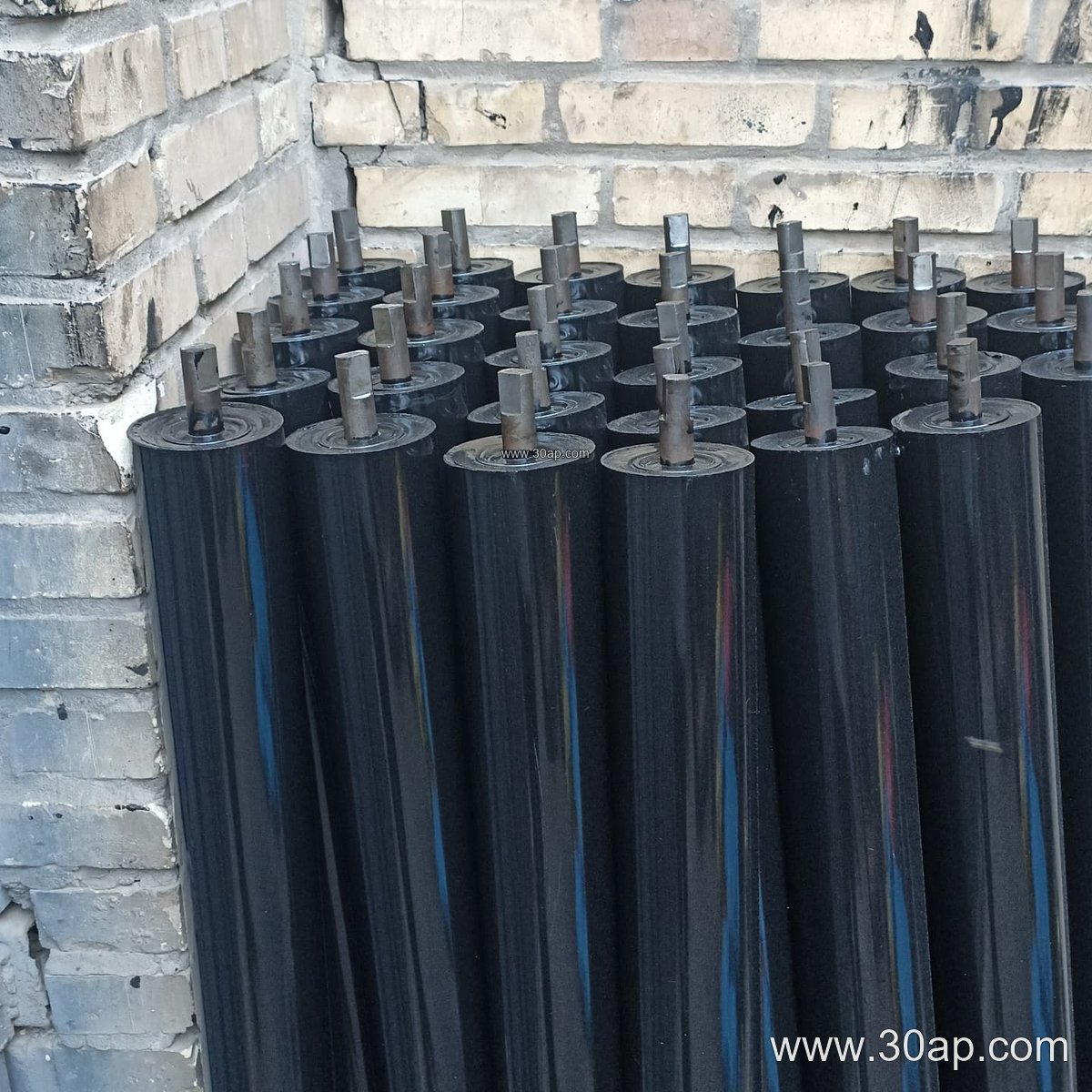
Heavy-duty mining conveyor belt installations often pair abrasion resistant conveyor belt with robust return rollers, while cement plants handling hot clinker may choose heat resistant conveyor belt and heat-tolerant roller options. The roller itself must suit the dust, moisture and temperature of the site.
Selection Points for Buyers
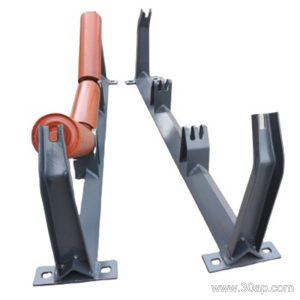
Ask for the belt width, the return strand load, the expected belt speed and the ambient conditions. Check whether the conveyor uses a flat return or a V-return arrangement, and confirm the bracket dimensions, since a conveyor bracket that does not match the frame will cause installation delays. Roller length follows belt width, trough angle and the number of rollers in the set; a B1000 belt might use a return roller around 380 mm long in one design, but the final figure should come from the conveyor drawing.
Abrasion resistant conveyor belt and flame retardant conveyor belt are often specified underground, and the return idler should be selected with compatible sealing and bearing protection. For dusty coal mining conveyor belt systems, labyrinth seals and good grease retention are practical priorities.
Maintenance Notes
Inspect return rollers for seized bearings, shell wear and material build-up. A dragging roller can wear the belt cover and raise power consumption. Replace damaged rollers in sets where alignment matters, and keep spare shafts and brackets for planned shutdowns. During a plant audit, check whether the return roller spacing still matches the belt tension and load after any upgrade to a heavier belt.