What a Q355 Conveyor Bracket Does
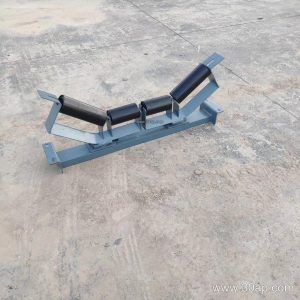
In a belt conveyor system, the Q355 conveyor bracket is the structural interface between the idler roller and the conveyor frame. Its job is to hold the roller at the correct position and angle so the conveyor belt tracks smoothly under load. The bracket also transfers the weight of the belt, material, and roller into the main frame. Because it is often overlooked, a poorly made bracket can cause misalignment, edge wear, and premature roller failure. The Q355 grade refers to the steel strength, giving the bracket good load-bearing capacity for bulk material handling in industries such as coal mining, cement plants, and power plant coal yards.
How the Bracket Is Built
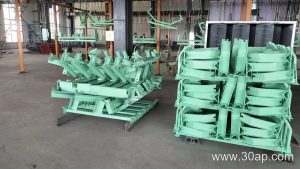
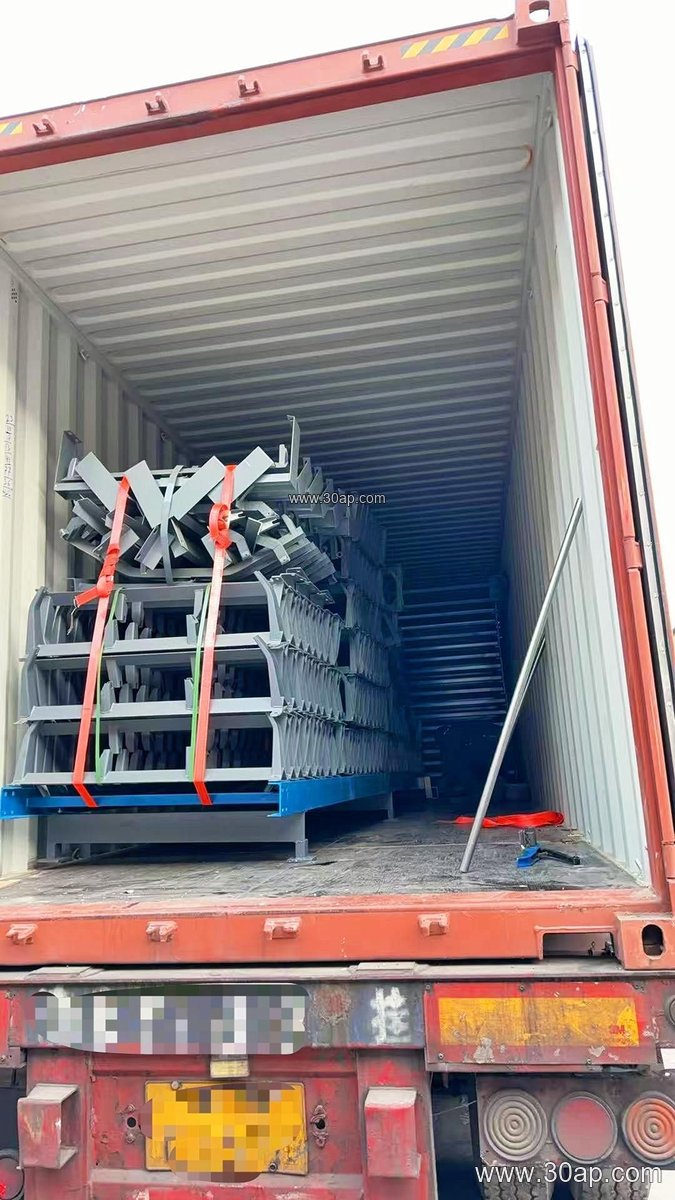
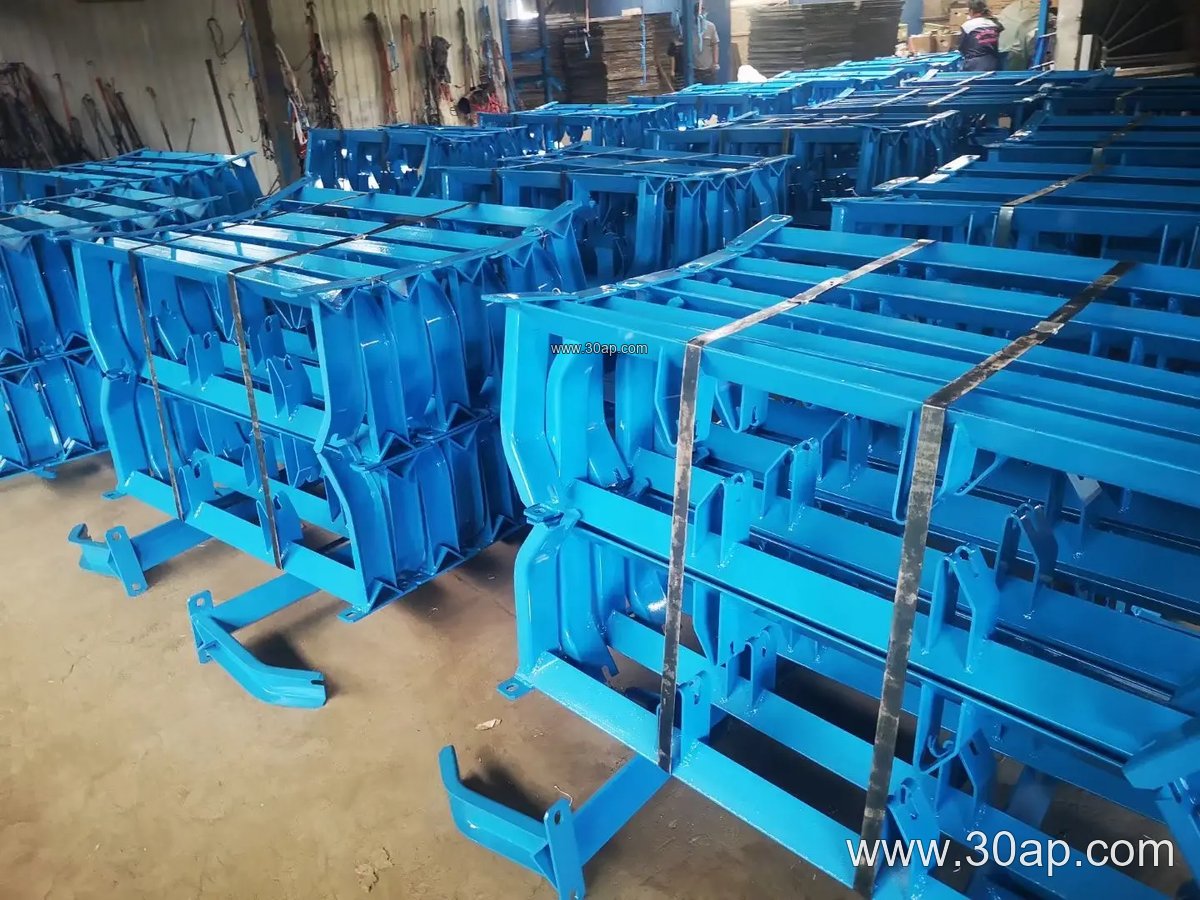
Most conveyor brackets are fabricated from angle steel, channel steel, or bent steel plate. The Q355 conveyor bracket uses Q355 steel, which offers a higher yield strength than common Q235, making it suitable for heavy-duty mining conveyor belts and high-abrasion service. The bracket typically includes mounting holes or slots for the idler roller shaft, and may have a fixed or adjustable design. A fixed bracket holds a set trough angle, while an adjustable bracket allows the angle to be changed between common settings such as 20°, 30°, 35°, and 45°. Some designs include a slight forward tilt of about 1.5° to 2° to help center the belt. The bracket surface may be painted or galvanized depending on the environment.
Common Types and Where They Fit
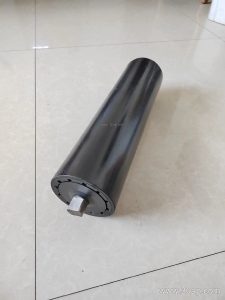
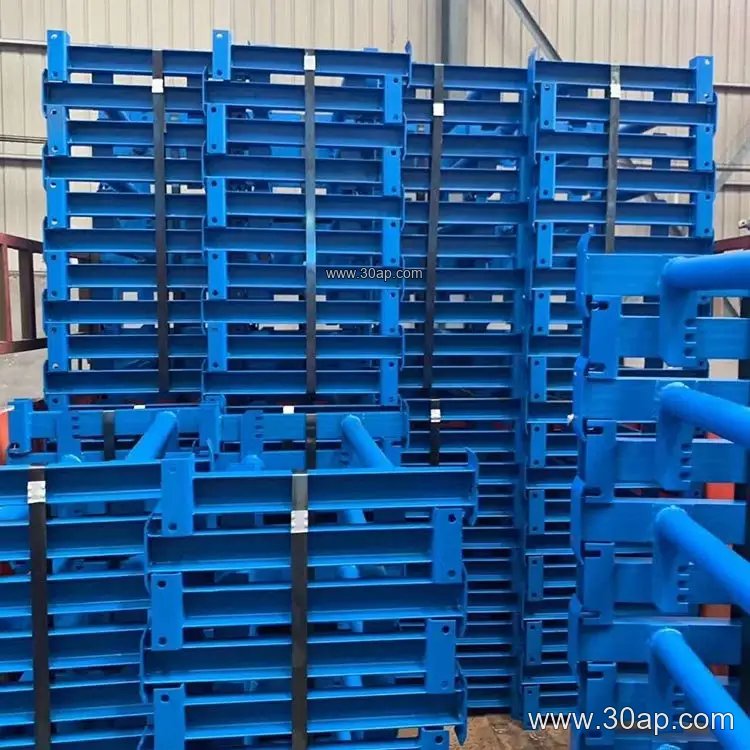
Different positions on a conveyor call for different bracket forms. Troughing brackets support the carrying side of the belt, while return brackets support the empty side. A V-return bracket is often used to help self-clean the belt. Impact brackets are placed under loading points to absorb shock, and self-aligning brackets help correct belt wander. The Q355 conveyor bracket can be supplied in these various forms, but the main subject here is the base bracket structure that carries the idler roller. When specifying, note that the bracket type must match the idler roller diameter and the belt width, but there is no single fixed pairing.
Typical Sizes and Reference Parameters
Bracket dimensions are usually determined by belt width, trough angle, and roller diameter. The table below shows common reference combinations, not mandatory specifications. Actual mounting hole spacing and beam length are confirmed by design.
- B500, 20°, Ø89
- B650, 30°, Ø89
- B800, 35°, Ø108
- B1000, 35°, Ø108
- B1200, 45°, Ø133
- B1400, 35°, Ø133
- B1600, 45°, Ø159
- B1800, 35°, Ø159
- B2000, 45°, Ø194
These values are typical references for mining conveyor belts and aggregate conveyor belts. A 1200mm wide conveyor belt may use a 35° or 45° trough angle depending on the material and load. Similarly, a 650mm conveyor belt does not automatically dictate a single roller diameter. The Q355 conveyor bracket should be selected after the conveyor pulley, idler roller, and belt width are known.
Where Q355 Brackets Are Used
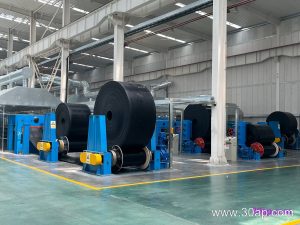
You will find Q355 conveyor brackets in quarry conveyor lines, coal preparation plants, and cement plants. In a crusher conveyor belt system, impact brackets are common at the loading zone. In a port conveyor belt handling bulk material, troughing brackets must resist salt air and heavy loads, so galvanized or painted versions are often chosen. The bracket also appears in steel plant conveyor belts and power plant coal handling systems. When paired with a flame retardant conveyor belt or a heat resistant conveyor belt, the bracket material and coating should suit the environment, but the Q355 grade remains a good structural choice for many fixed installations.
Buyer Checklist
Before ordering, confirm the belt width, trough angle, roller diameter, and mounting hole pattern. Decide whether a fixed or adjustable bracket is needed. Check the steel grade and surface treatment. Ask whether the bracket is designed for a specific idler roller type, such as a spiral roller or a rubber disc roller. For harsh conditions, consider a heavier plate thickness. Always request a dimensional drawing and confirm that the bracket fits the existing conveyor frame. A well-matched Q355 conveyor bracket helps extend the life of the idler roller and keeps the conveyor belt running true.