What the EP1250 Conveyor Belt Is
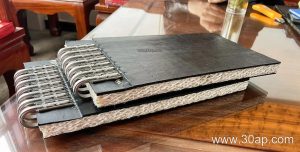
An EP1250 Conveyor Belt is a multi-ply fabric core belt built with polyester warp and polyamide weft plies inside a rubber matrix. The designation EP1250 refers to the nominal breaking strength class of the carcass, typically expressed in newtons per millimetre of belt width, so this grade sits in the upper-middle range of the EP family — above EP1000 and below the heavier EP1600 and EP2000 classes. Buyers often search for it as an EP Rubber Conveyor Belt or an EP Fabric Core Conveyor Belt, and both descriptions point to the same product: a rubber-covered, fabric-reinforced belt rather than a steel cord construction.
Because the carcass is fabric based, the EP1250 offers good flexibility around pulleys while retaining enough tensile strength for long, heavily loaded conveying lines. It is a common choice in mining, coal preparation, cement plants, power stations, iron ore terminals and aggregate quarries where moderate-to-high tension and tight troughing are both required.
How the Belt Is Built
The construction is straightforward in principle but demanding in execution. Multiple EP plies are bonded together, topped and bottomed with cover rubber, and finished with edges cut or moulded to suit the installation.
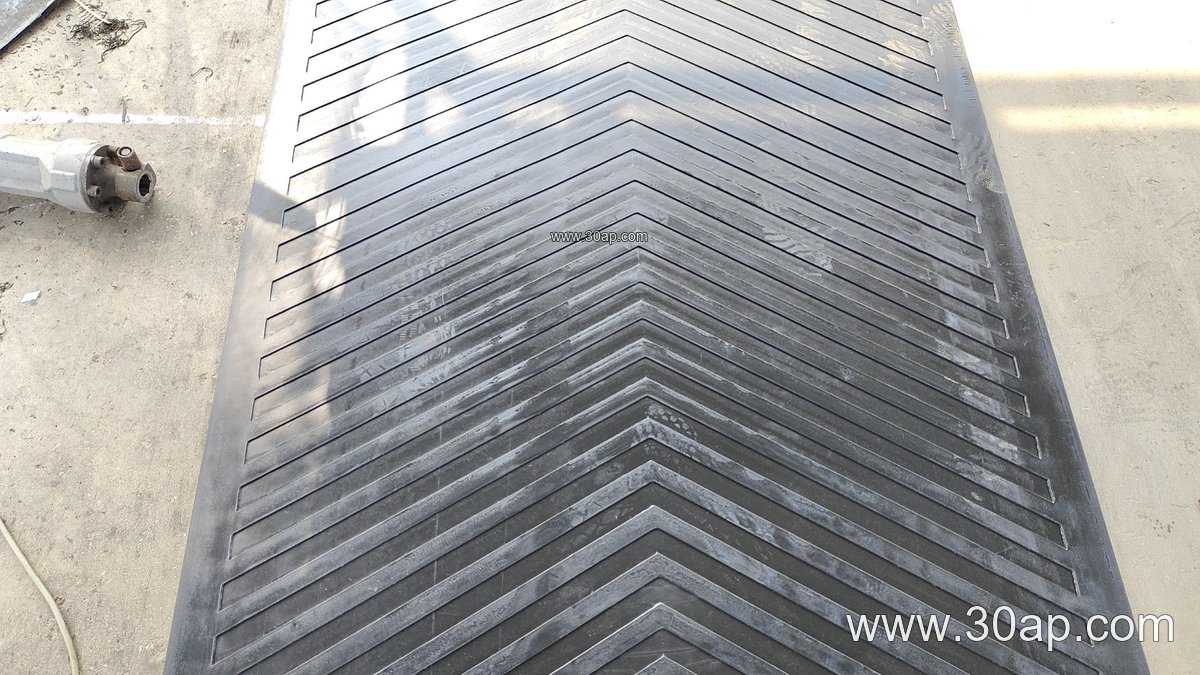
- Carcass: usually 2 to 6 plies of EP fabric, with the number of plies and the strength class selected by the conveyor designer.
- Top cover: commonly 3 mm to 8 mm, chosen for abrasion, impact, heat or oil exposure.
- Bottom cover: often 1.5 mm to 3 mm, sized to protect the carcass on the return side.
- Edges: cut edge or moulded edge depending on the application and belt width.
A typical specification might read EP1250, 4-ply, 6+2 mm covers, but the correct combination depends on the duty. Cover grades can be abrasion resistant, flame retardant, heat resistant, oil resistant or anti-static, and some projects require a combination such as a flame retardant and anti-static belt for underground coal mining conveyors.
Common Sizes and Strength References
Belt width is matched to the material size, tonnage and pulley geometry, not to a single fixed rule. Reference values below show the range normally discussed at the enquiry stage; final dimensions should be confirmed by the conveyor designer and the belt manufacturer.
| Parameter | Typical reference range |
|---|---|
| Strength class | EP200, EP315, EP400, EP500, EP630, EP800, EP1000, EP1250, EP1600, EP2000 |
| Belt width | B500, B650, B800, B1000, B1200, B1400, B1600, B1800, B2000 |
| Cover thickness | 3+1.5, 4+2, 5+2, 6+2, 8+3 mm |
| Carcass plies | 2 to 6 plies, depending on class and design |
Width and strength are independent variables. A 1200 mm wide EP1250 belt and an 1800 mm wide EP1250 belt may be used on conveyors with quite different pulley diameters and shaft sizes, because those components are determined by the full drive calculation rather than by belt width alone.
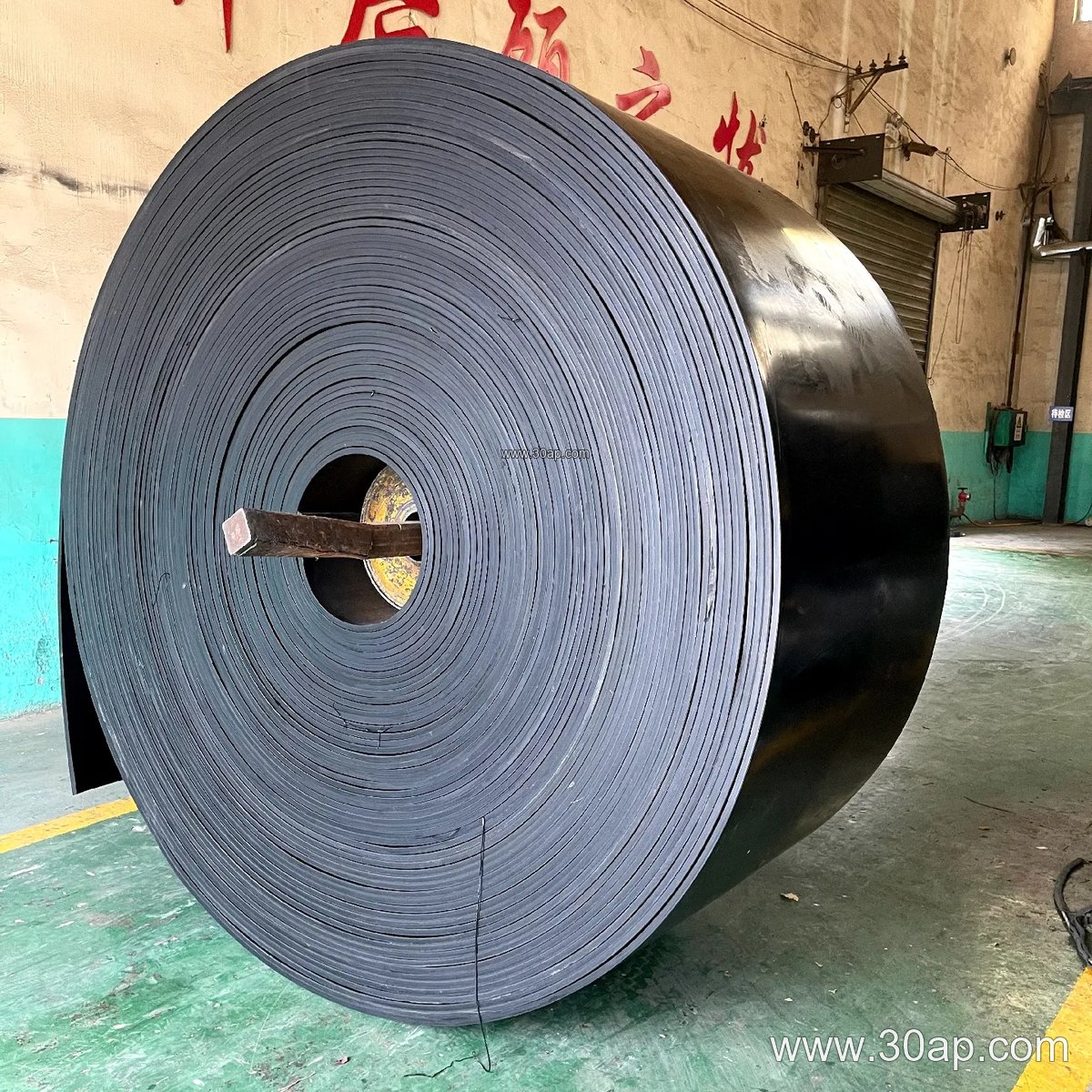
Where It Fits in the Plant
The EP1250 grade appears in bulk material handling circuits where a steel cord belt would be unnecessarily stiff or expensive, but where a lighter EP200 or EP400 belt would be under-designed. Typical duties include:
- Run-of-mine and coal handling conveyors in mining and coal preparation plants.
- Clinker, limestone and raw meal transport in cement works.
- Coal and ash handling lines in power plants.
- Primary and secondary crushing circuits in quarries and sand making plants.
- Ore transfer conveyors in iron ore, copper ore and gold mining operations.
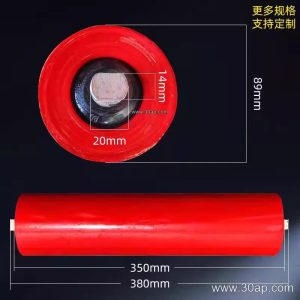
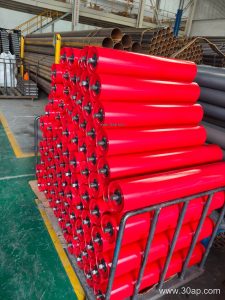
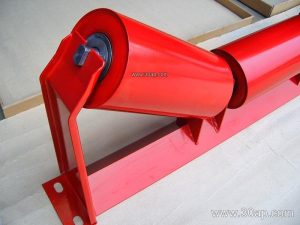
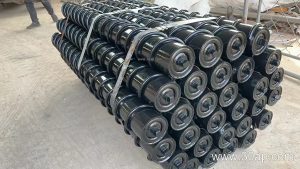
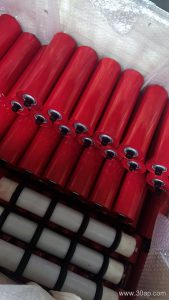
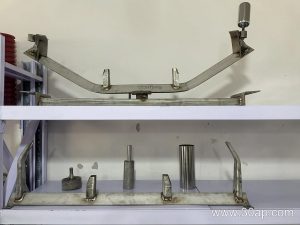
On these lines the belt works together with conveyor pulleys, idler rollers and conveyor brackets, and the interaction between belt stiffness, troughability and pulley diameter affects tracking and splice life. A belt that is too stiff for the pulley set can cause edge lift and premature cover wear; a belt that is too soft for the load may sag between idlers.
Selection Points for Buyers
Match the cover to the material
Abrasive rock and sinter call for a high abrasion resistant grade, while hot clinker or cement requires heat resistant cover compound. Coal mining conveyors often need flame retardant and anti-static properties, and underground coal mining conveyors usually require both. Food and recycling lines may need oil resistant or food grade covers.
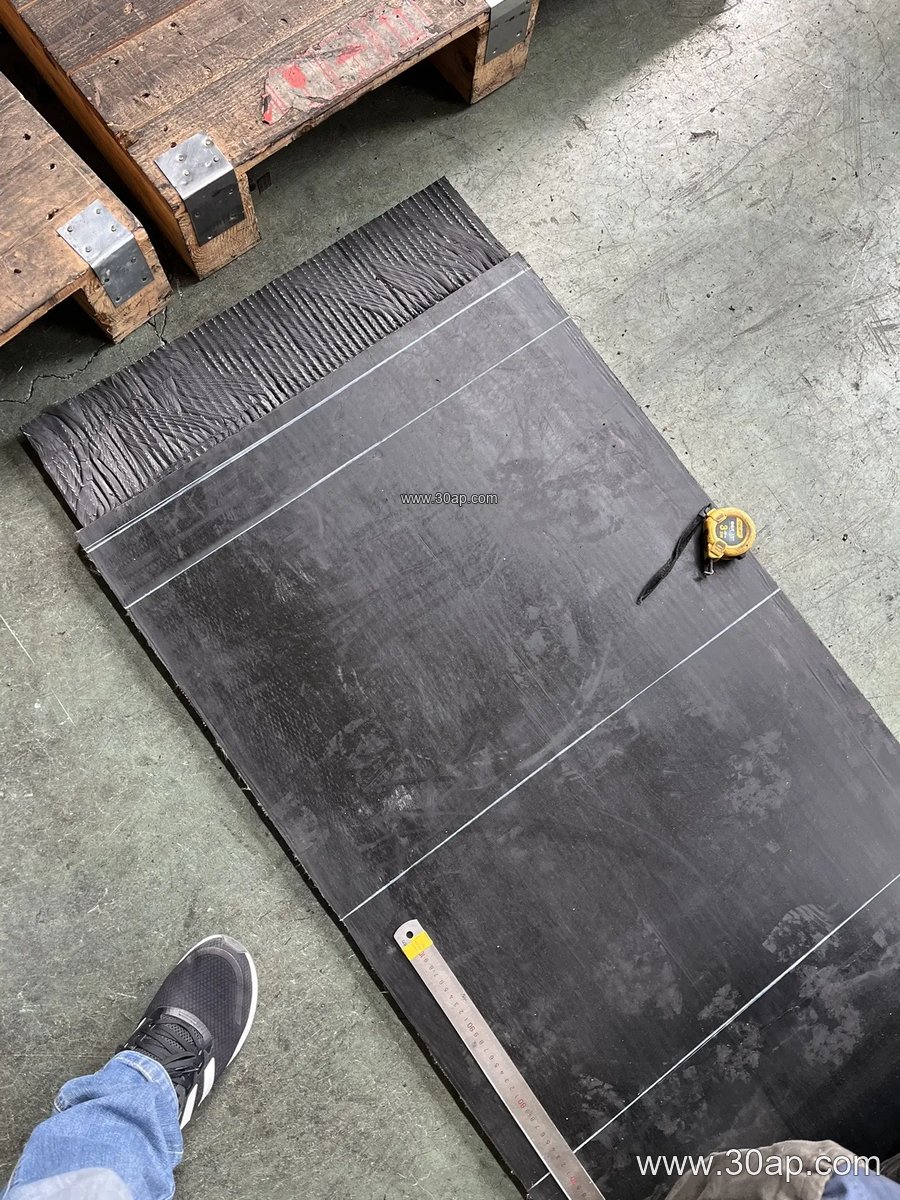
Check the splice and pulley compatibility
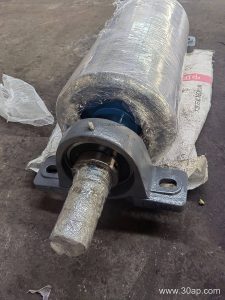
Fabric belts are usually spliced mechanically or vulcanised. Confirm the splice method with the belt supplier and check that drive, tail and bend pulleys are sized for the selected carcass. These pulley types are not interchangeable, and each has its own role in the tension and tracking behaviour of the belt.
Consider the environment
Cold resistant compounds suit winter operations in northern mines and ports, while chemical resistant and acid resistant covers are used where the material or wash water is aggressive. Anti-static belts are specified where dust ignition is a concern.
For a full conveyor package, the belt specification should be read together with the roller and pulley schedule, the bracket layout and the maintenance plan. Detailed dimensional data for EP1250 Conveyor Belt, NN Conveyor Belt and steel cord options can be reviewed at www.beltconveyorsolution.com before the final enquiry.
Installation and Maintenance Notes
Store belts on a dry, shaded surface, avoid sharp bends during handling, and check pulley alignment before tensioning. During operation, inspect the return side for material build-up on idler rollers, which is a common cause of belt mistracking. Keep the take-up adjusted to the design tension, and monitor cover wear at loading points where impact is highest. A well-matched EP1250 belt, correctly spliced and supported by compatible pulleys and idlers, gives long service in demanding mining, cement and power plant duty.