What a Belt Conveyor Pulley Does
A belt conveyor pulley is the rotating drum that drives, tensions, or redirects the conveyor belt. It is sometimes called a conveyor pulley or drum pulley, and it sits at the heart of the transfer point between the belt and the frame. In a quarry, limestone mine, or iron ore line, the pulley must survive dust, grit, and continuous load. The same component works in cement plant clinker circuits, power plant coal yards, and port bulk terminals, though the duty differs.
Its job is simple in principle: transfer torque to the belt through friction and keep the belt tracking. In practice, the design must match belt tension, wrap angle, and the material being carried. A conveyor pulley used under a heavy-duty mining conveyor belt sees different loads than one on a short aggregate conveyor belt feeding a screen.
How It Is Built
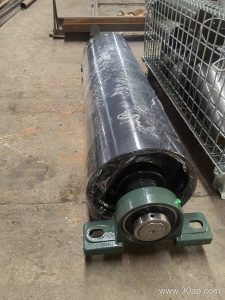
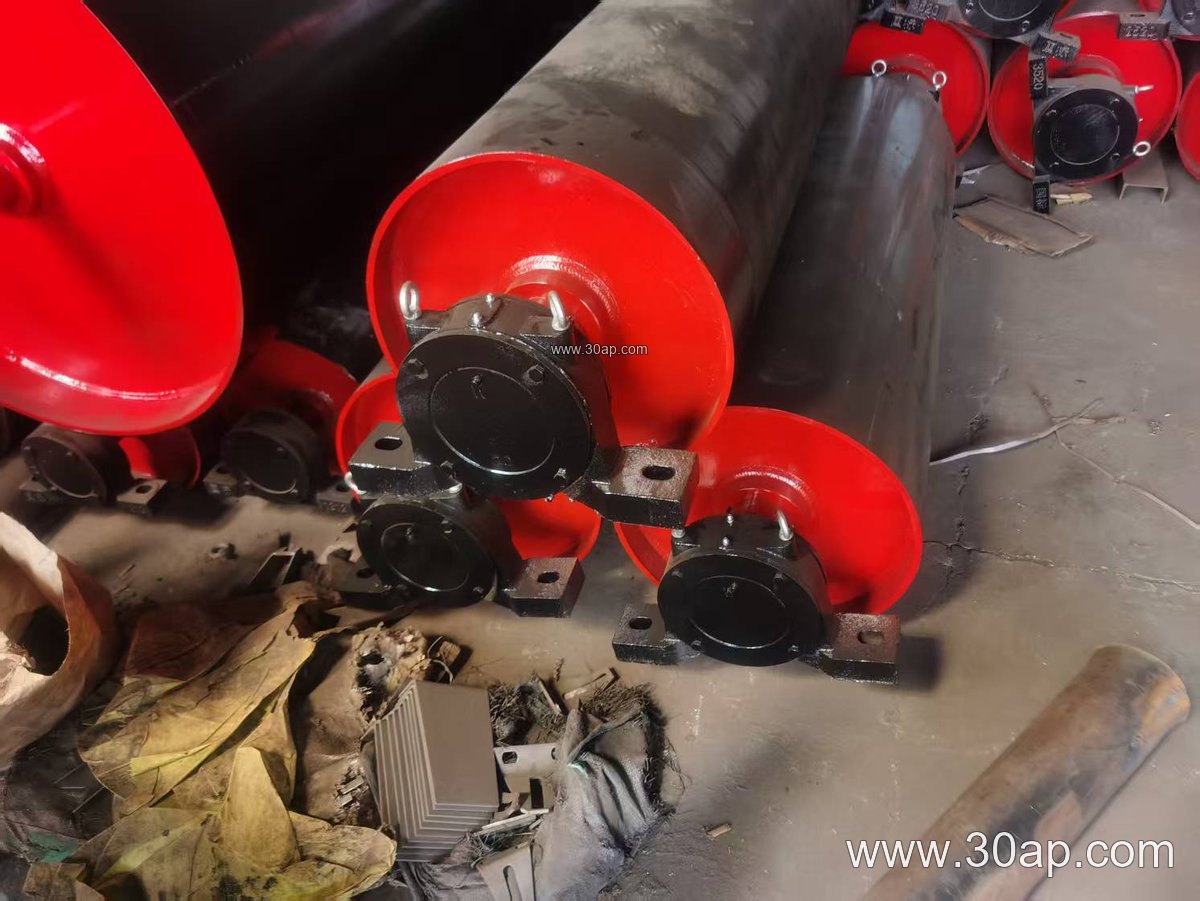
Most belt conveyor pulleys combine a cylindrical shell, end discs or hubs, a shaft, and bearing housings. The shell can be seamless tube or rolled plate, and the shaft is sized by torque and bending load rather than belt width alone. Bearing selection follows the same rule. Do not assume that a belt width dictates one fixed shaft diameter; shaft diameter is usually confirmed after load calculation.
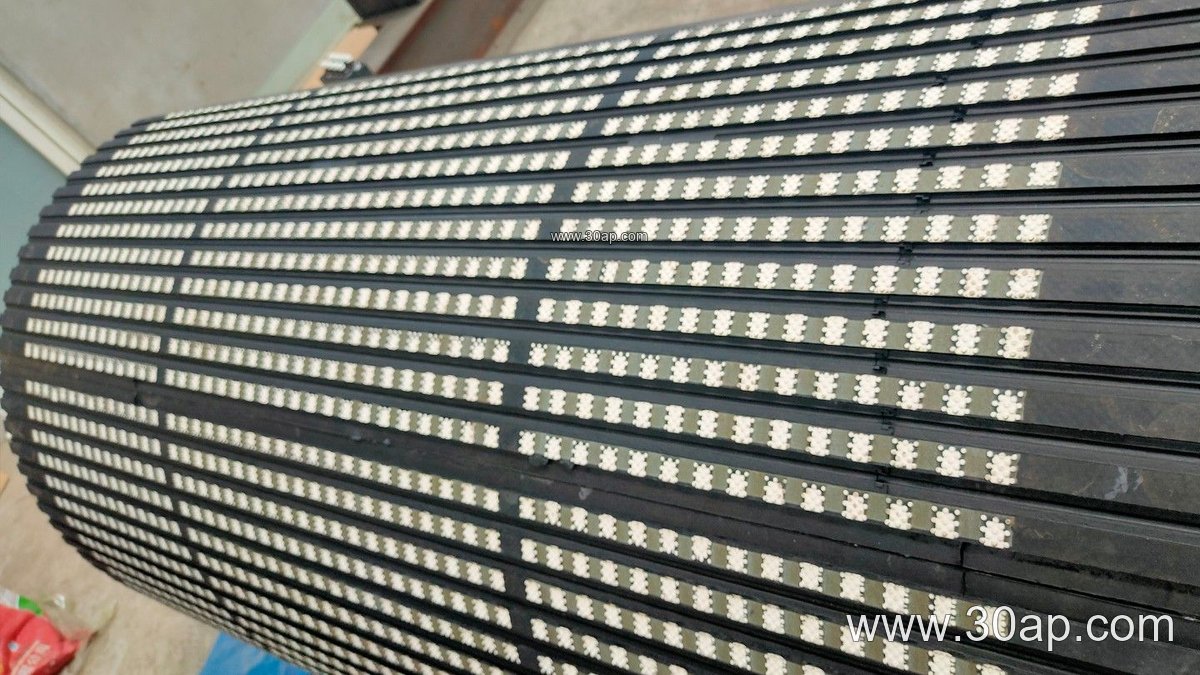
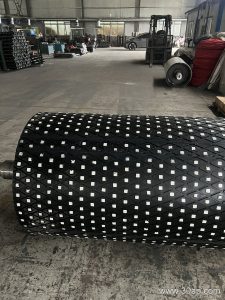
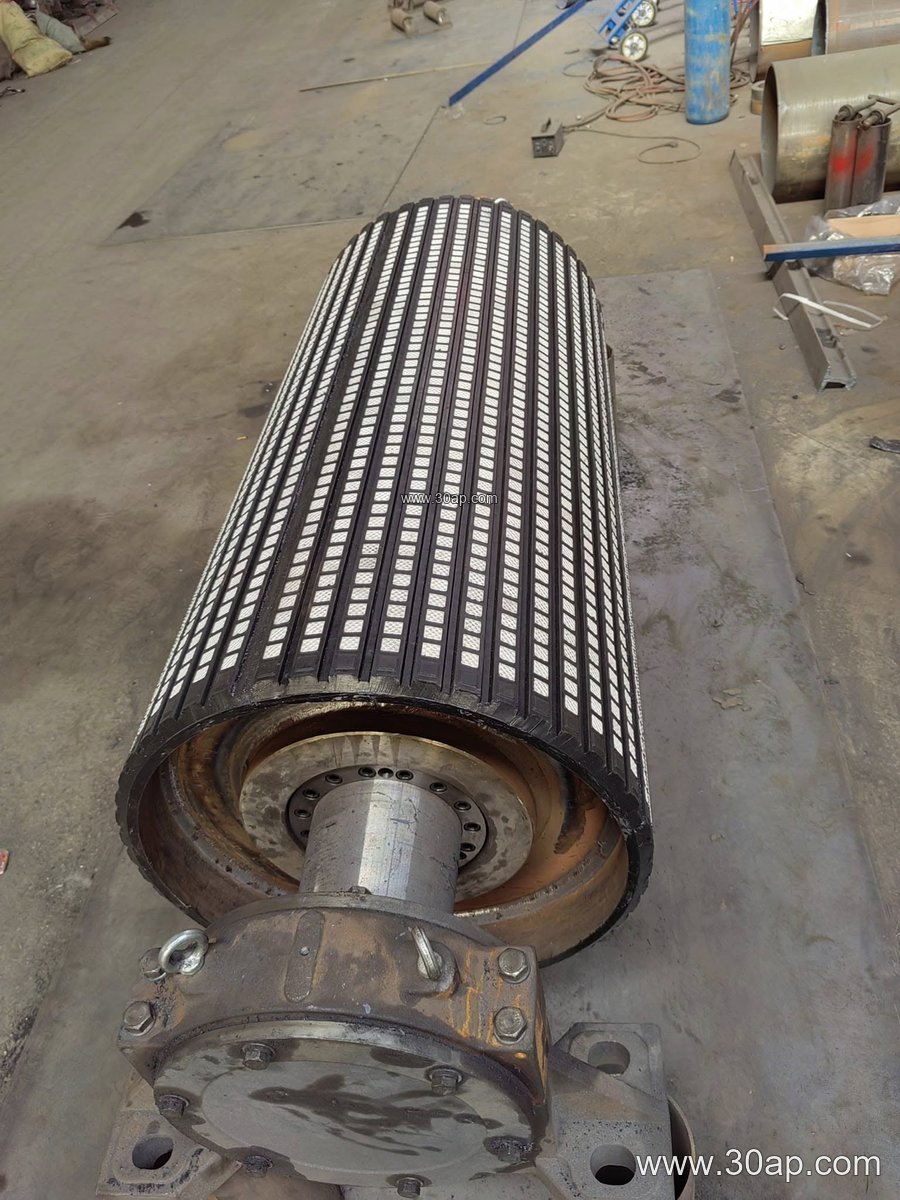
Surface treatment matters as much as the shell. Common options include plain, hot-vulcanized rubber, cold-bonded rubber, diamond grooving, herringbone grooving, ceramic lagging, and flat lagging. Lagging thickness is often 8, 10, 12, 15, or 20 mm, chosen to balance grip and wear life. A drive pulley needs friction; a tail or bend pulley may be plain or lightly lagged. These subtypes are not interchangeable, and each is positioned for a specific task.
Common Sizes and Combinations
Pulley diameter and face width are usually matched to belt width and tension, not to a single universal table. Reference values are useful when checking a layout or preparing an inquiry. The following examples show how diameter and face width often appear together in project discussions.
- B400 with face width around 500 mm
- B500 with face width around 600 mm
- B650 with face width around 750 mm
- B800 with face width around 950 mm
- B1000 with face width around 1150 mm
- B1200 with face width around 1400 mm
- B1400 with face width around 1600 mm
- B1600 with face width around 1800 mm
Diameter choices commonly include Ø200, Ø250, Ø315, Ø400, Ø500, Ø630, Ø800, Ø1000, Ø1250, and larger sizes where wrap angle and belt tension require it. A B800 × Ø500 pulley and a B1200 × Ø1000 pulley may both appear on the same plant site, but they are not interchangeable. Shaft diameters such as Ø80, Ø100, Ø120, Ø140, or Ø160 are selected after torque and load review.
Where It Fits in the Line
In a stone crushing line, the head pulley discharges crushed rock onto a transfer belt, while a bend pulley helps route the belt around a tight frame. In an underground coal mining conveyor, flame retardant conveyor belt and anti-static conveyor belt requirements often shape the whole conveyor design, including the pulley lagging and grounding path. In a cement plant, heat resistant conveyor belt may carry clinker, so the pulley bearings and lagging must tolerate warm surroundings.
At a port or ship loading facility, wide belts such as a 1200mm wide conveyor belt or 1500mm wide conveyor belt run over large pulleys that must maintain grip under variable cargo loads. In a fertilizer or grain silo, an oil resistant conveyor belt or food grade conveyor belt may be used, and the pulley surface should be chosen to avoid slip without damaging the belt cover.
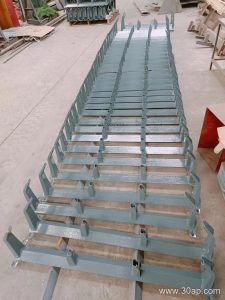
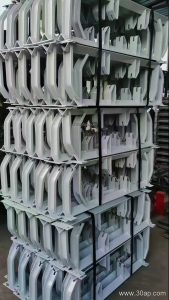
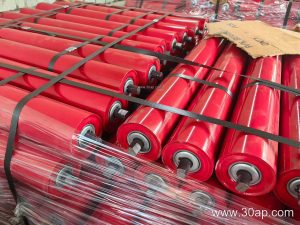
For more on matching belts and drums, see www.example.com/conveyor-pulley and www.example.com/belt-conveyor-pulley. Related equipment such as the idler roller, conveyor bracket, and conveyor belt should be reviewed together during layout.
Buyer Checklist
Before ordering, confirm the belt width, belt type, and expected tension. A steel cord conveyor belt and a multi-ply fabric core conveyor belt place different demands on the pulley. State the application: quarry conveyor belt, coal mining conveyor belt, ore conveyor belt, or cement conveyor belt. Then specify the pulley position, whether it is a drive, tail, bend, take-up, or snub pulley, and the required lagging form and thickness.
Ask for the shaft diameter calculation basis, bearing type, and sealing arrangement. In dusty or wet conditions, good sealing protects bearing life. Check that the face width is wider than the belt, and confirm the interface with the conveyor bracket. For an abrasion resistant conveyor belt or high abrasion resistant conveyor belt duty, ceramic lagging may be considered, but the final choice should follow the duty and belt cover. Finally, request inspection records for runout, balance, and lagging bond, and keep spare pulleys for critical drives. A well-specified belt conveyor pulley reduces downtime across mining, aggregate, and bulk material handling operations.