What a Q235 Conveyor Bracket Does on a Conveyor Line
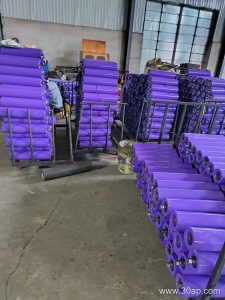
A Q235 conveyor bracket is the steel support that holds the idler roller in the correct position under or over the belt. Fabricated from Q235 mild steel, this bracket ties the roller to the conveyor frame and fixes the trough angle that shapes the belt into a carrying profile. In a quarry, a coal preparation plant, or a cement clinker line, the bracket is one of the least visible parts on the structure, yet it controls how evenly the load sits on the belt and how freely the roller turns.
Because Q235 is a common structural steel grade in general fabrication, buyers often meet it as an angle, channel, or folded plate component. The same bracket family appears under several names, including conveyor idler bracket and roller support frame, and all of them refer to the same supporting element described here.
How the Bracket Is Built
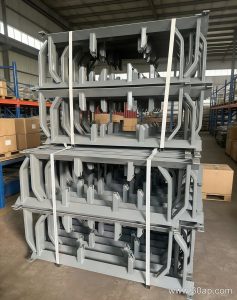
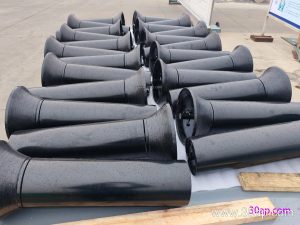
Most units are made from angle steel, channel steel, or folded steel plate. The fabrication route is straightforward: cutting, hole punching for the roller shaft, bending to the required trough angle, and welding of gussets where the load is high. A welded bracket should have clean, full welds at the joints, and the mounting holes should line up so the roller sits square to the belt centre line.
Common materials and build details are summarized below. Values are typical references, not a fixed supply promise.
- Material: Q235 angle, channel, or folded plate
- Surface: painted, or galvanized on request
- Trough angles: 20, 30, 35, or 45 degrees, with adjustable versions covering a range
- Belt width range: B500 to B2200 in common designs
Hole spacing and beam length change with belt width and trough angle, so they are confirmed per design rather than treated as universal numbers.
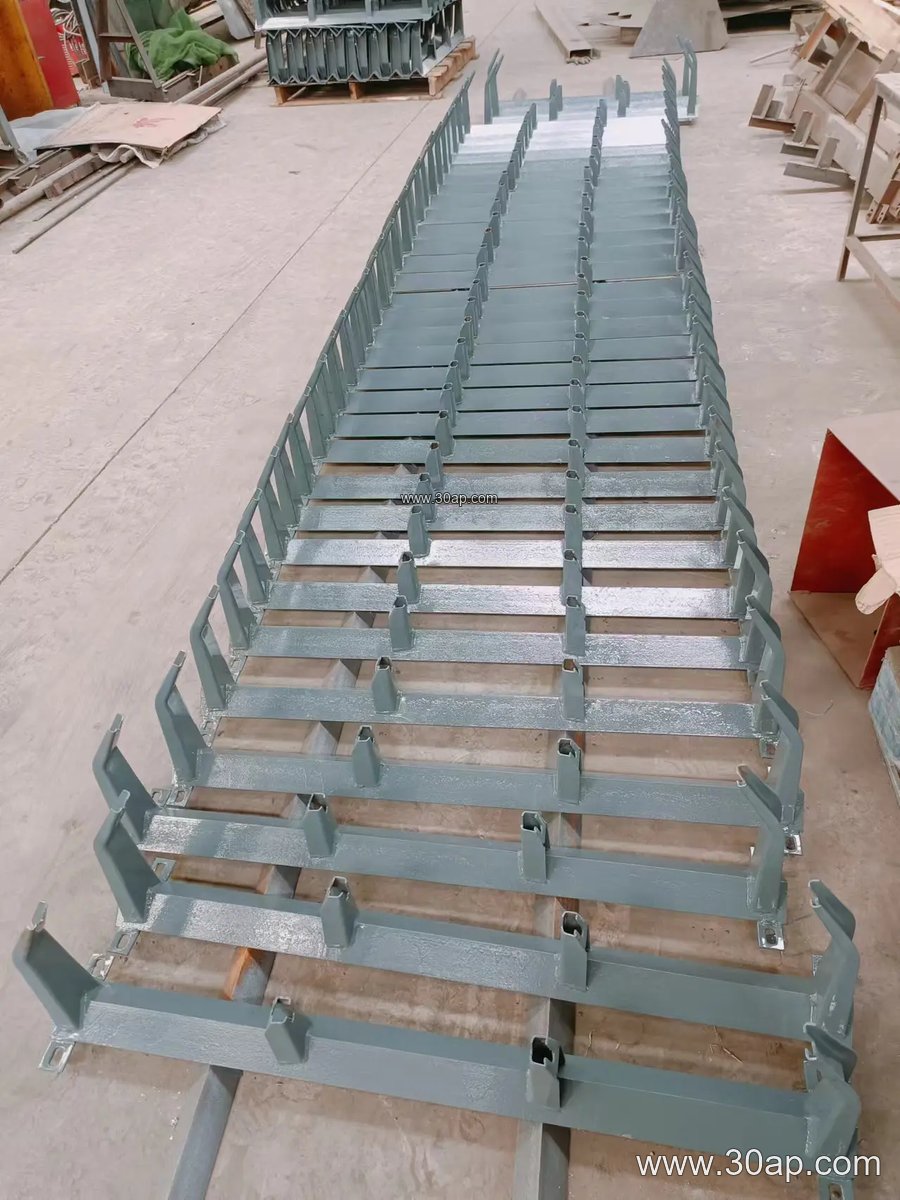
Where It Fits in the Conveyor Structure
The bracket is usually grouped by its position on the line. A carrying-side trough bracket supports three rollers in a trough shape; a return bracket holds a single flat roller or a V-shaped return set. Transition brackets sit near the head or tail to ease the belt from flat to troughed, while impact brackets carry the load at a transfer point. Self-aligning and forward-leaning versions are used where belt tracking needs help.
Common bracket positions
| Position | Function | Typical pairing |
|---|---|---|
| Carrying trough bracket | Forms the belt into a trough | B800, 35 degrees, Ø108 |
| Return bracket | Supports the empty belt | B1000, flat or V return |
| Transition bracket | Smooths the change in belt shape | B1200, 45 degrees, Ø133 |
| Impact bracket | Absorbs load at transfer points | B650, 30 degrees, Ø89 |
These combinations are examples only. One belt width does not force a single trough angle or roller diameter; the correct set follows the belt, load, and frame design.
Selecting a Bracket for the Application
Start with the belt width and the required trough angle, then match the roller diameter to the load and speed. A heavy iron ore or copper ore line may call for a sturdier bracket and a larger roller, while a light sand line can use a smaller set. Check the mounting hole pattern against the frame before ordering, and confirm whether a fixed or adjustable bracket suits the maintenance plan.
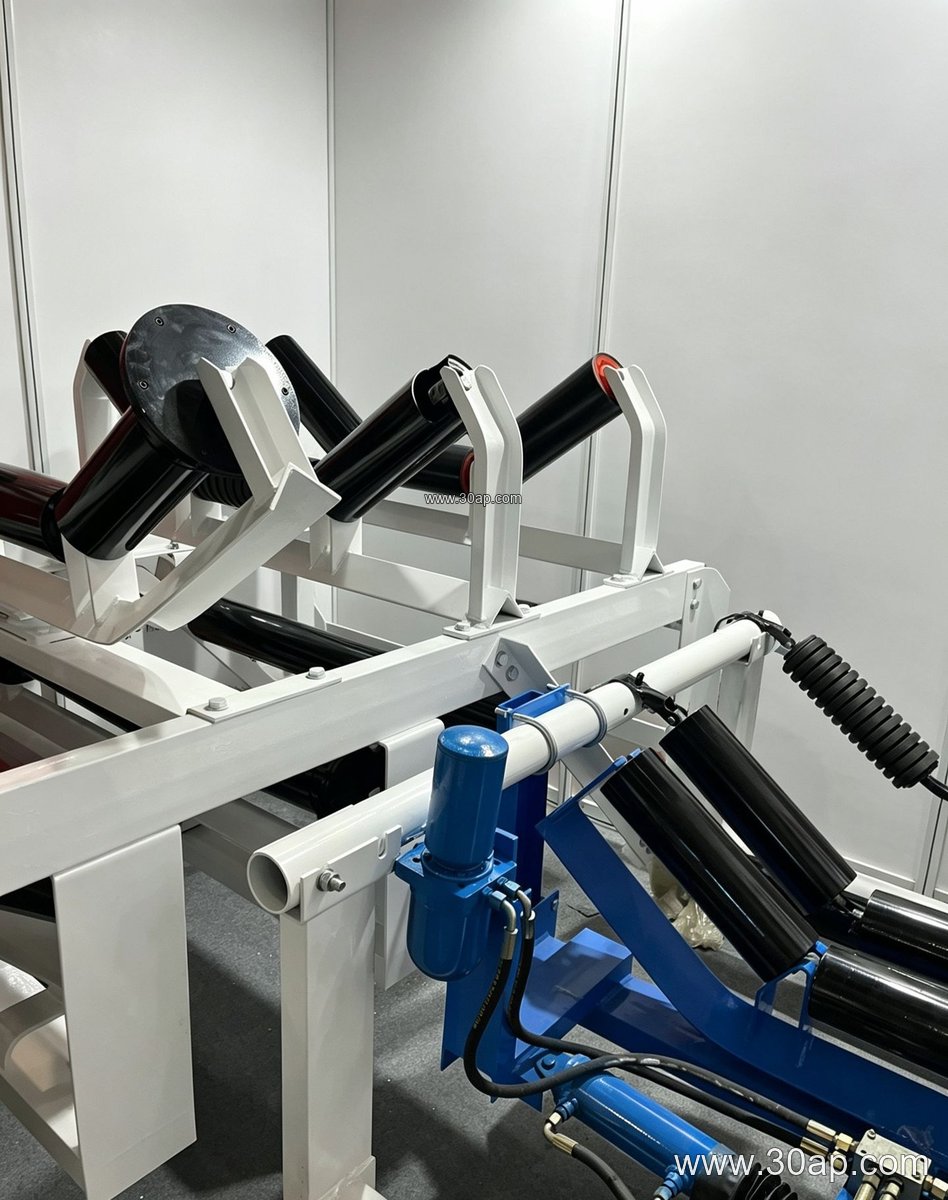
In a power plant coal yard or a port ship loading line, dust and moisture make coating and drainage details worth asking about. For underground coal mining, flame retardant conveyor belt is normally specified alongside the belt, and the bracket should be easy to inspect in a confined space.
Matching the Bracket with Belt and Roller
The bracket only works well when the belt and roller suit the duty. An abrasion resistant conveyor belt reduces wear at the trough edges, and a heat resistant conveyor belt protects the carcass near hot clinker. Where the line carries sharp rock, an impact resistant conveyor belt and cushion rollers ease the shock at the loading point. For long overland runs, a steel cord conveyor belt or a high strength conveyor belt changes the tension and the roller loads, so bracket strength should be reviewed at the same time.
In a stone crushing plant, an EP conveyor belt or NN conveyor belt is common, and the bracket layout follows the same trough geometry. Buyers can review roller and bracket options at www.example.com/conveyor-bracket and belt choices at www.example.com/rubber-conveyor-belt before finalizing a frame drawing.
Installation and Maintenance Notes
Set the bracket square to the frame, tighten the roller shaft clamps evenly, and check that all three rollers in a trough set touch the belt with similar pressure. A bracket that is twisted will pull the belt to one side and wear the idler roller faster. During routine inspection, look for loose bolts, cracked welds, and paint loss that leads to rust. Replacing a single bent bracket is inexpensive compared with the downtime caused by a derailed belt.
For a cement plant or a limestone mine, keep a small stock of the most used bracket sizes so a damaged unit can be swapped during a short shutdown. Record the belt width, trough angle, and roller diameter on the frame tag; this makes future orders simple and avoids mismatches.