What a Steel Cord Conveyor Belt Is
A Steel Cord Conveyor Belt is a heavy-duty rubber belt whose tension-carrying skeleton is made of parallel steel cables running longitudinally through the carcass. Instead of woven fabric plies, the core is a single layer of high-tensile steel cords, so the belt can carry very high loads over long centre distances with minimal stretch. In mining, cement, power and port bulk handling, this construction is often specified where a fabric belt would need too many plies or too many transfer points. You may also see it called a steel cable conveyor belt or wire rope conveyor belt; these are equivalent names for the same product.
How the Belt Is Built
The carcass is a set of brass-plated steel cords, spaced at a defined pitch and bonded to a top and bottom rubber cover through a friction and adhesion layer. Core rubber fills the gaps between cords to protect them from moisture and abrasion, while the covers protect the cords from impact, wear and the environment. Cover compounds are selected for the duty: abrasion resistant, heat resistant, flame retardant, oil resistant or cold resistant grades are all common. The result is a belt with low elongation, good troughability and high longitudinal strength in a relatively thin profile.
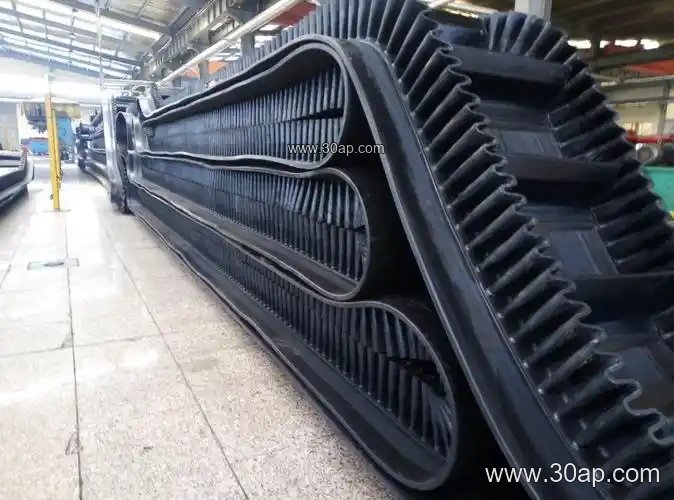
Typical Strength Grades
Steel cord belts are commonly designated by nominal tensile strength per unit width, for example ST1000, ST1250, ST1600, ST2000, ST2500 or ST3150. The table below shows reference grades only; actual construction and cover thickness are set by the conveyor design.
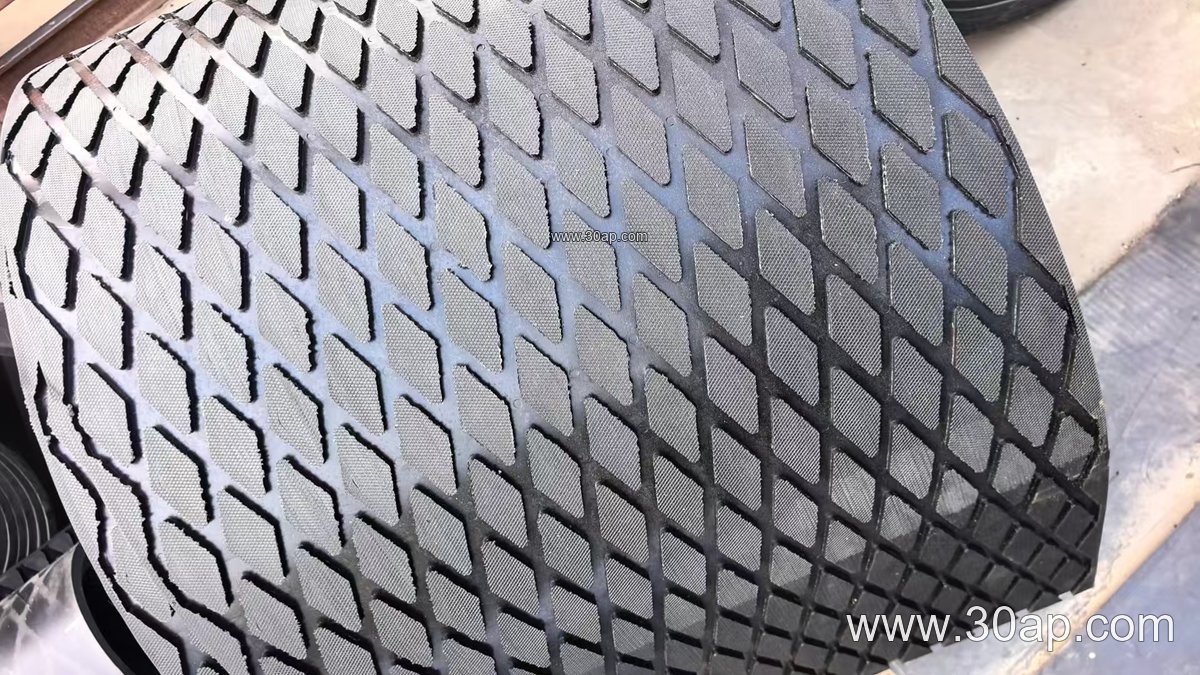
- ST1000 – light to medium long-distance duty
- ST1250 – general bulk material conveying
- ST1600 – heavy mine and plant main lines
- ST2000 – high-capacity ore and coal systems
- ST2500 and ST3150 – very high tension, long overland routes
Where It Is Used
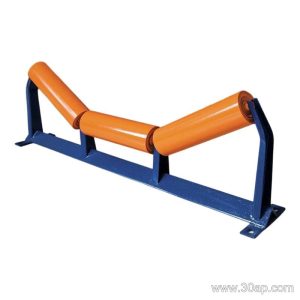
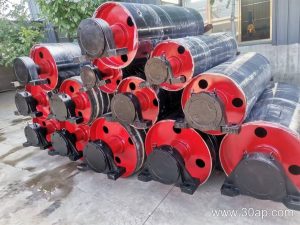
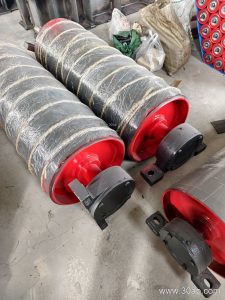
Because the cords carry tension efficiently, this belt suits long overland conveyors, steep main haulage lines and high-tonnage systems. Typical industries include coal mining, iron ore and copper ore handling, quarry and aggregate plants, cement plants, steel plants, power plant coal yards, and port ship loading. In underground coal mining, flame retardant and anti-static grades are usually required, and the belt may run on closely spaced idler roller sets through a complex route of conveyor pulley drives, bend pulleys and take-up units. In sand and stone plants, a crusher conveyor belt may be a steel cord type when the main line is long, while short transfer belts often use an EP Conveyor Belt or NN Conveyor Belt.
Specification and Selection Notes
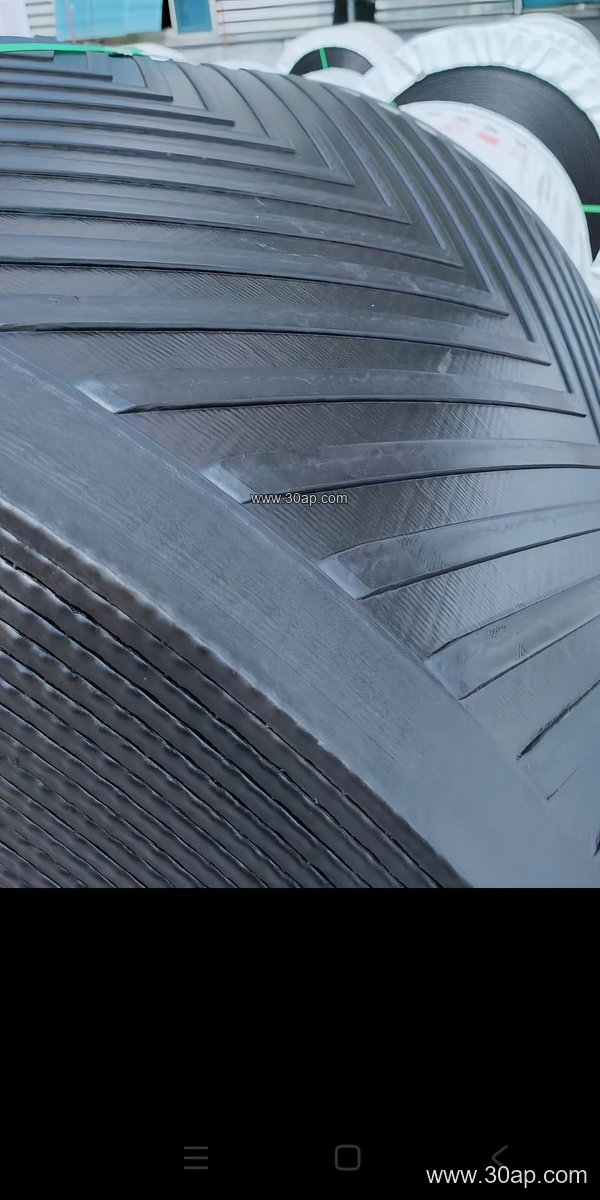
Buyers should confirm the duty with the conveyor designer rather than picking a size from a catalogue alone. Key data include the maximum belt tension, belt width, speed, material lump size and density, loading impact, ambient and material temperature, and whether the belt must be fire resistant or anti-static. Belt width is usually matched to the material size and required capacity, not to a single fixed pulley diameter; pulley and shaft sizing follow the actual tension and drive layout.
- Strength grade: ST1000 to ST3150, selected by calculated tension
- Belt width: 650 mm, 800 mm, 1000 mm, 1200 mm, 1400 mm, 1600 mm and wider as designed
- Cover thickness: commonly 4+2 mm, 5+2 mm, 6+2 mm or 8+3 mm, adjusted for wear and impact
- Cord pitch and number of cords: set by the manufacturer for the required strength
- Special grades: heat resistant, flame retardant, abrasion resistant, oil resistant, cold resistant
For comparison, a Multi-Ply Fabric Core Conveyor Belt or an EP1000 Conveyor Belt may be adequate on shorter runs and lighter duties, while a Pipe Conveyor Belt is a different design used for enclosed routing. These are alternatives for other duties, not replacements for the steel cord main line.
Installation and Maintenance Points
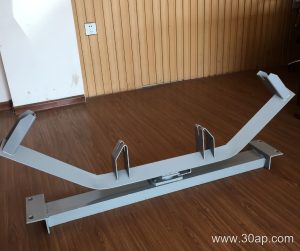
Steel cord belts are spliced with a hot vulcanised joint that steps the cords and rebuilds the covers; splice quality strongly affects belt life. Alignment at the conveyor pulley, idler roller frames and conveyor bracket supports should be checked before tensioning, since a misaligned structure concentrates load on the edges. Keep the belt tracking correctly, avoid material build-up on rollers and pulleys, and inspect the splice and covers regularly for cuts, cord exposure or cover wear. Store spare belts on a suitable stand, away from heat, oil and sunlight, and follow the manufacturer’s storage and handling instructions.
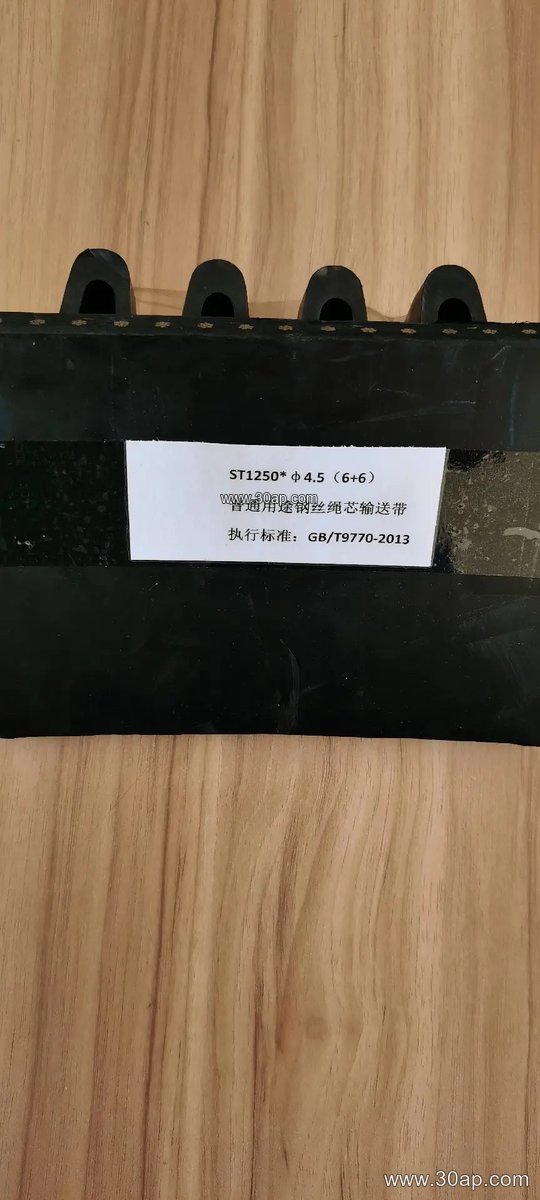
Where the environment is abrasive or hot, specify the cover grade accordingly; a high abrasion resistant conveyor belt cover and a heat resistant conveyor belt cover are common choices for cement and steel plant service. For coal and underground work, flame retardant and anti-static properties should be confirmed in writing with the supplier against the actual site requirements.
Buyer Checklist
- Provide the calculated maximum tension and the conveyor profile, not just the belt width
- State material type, lump size, temperature and any oil, chemical or fire risk
- Confirm cover grade and thickness, cord pitch and splice method
- Check compatibility with the drive pulley, tail pulley and bend pulley arrangement
- Ask for the manufacturer’s handling, splicing and storage recommendations
For more on matching belts, rollers and pulleys, see the conveyor belt and conveyor pulley ranges available for mining, cement and port projects.