What an EP1000 Conveyor Belt Is
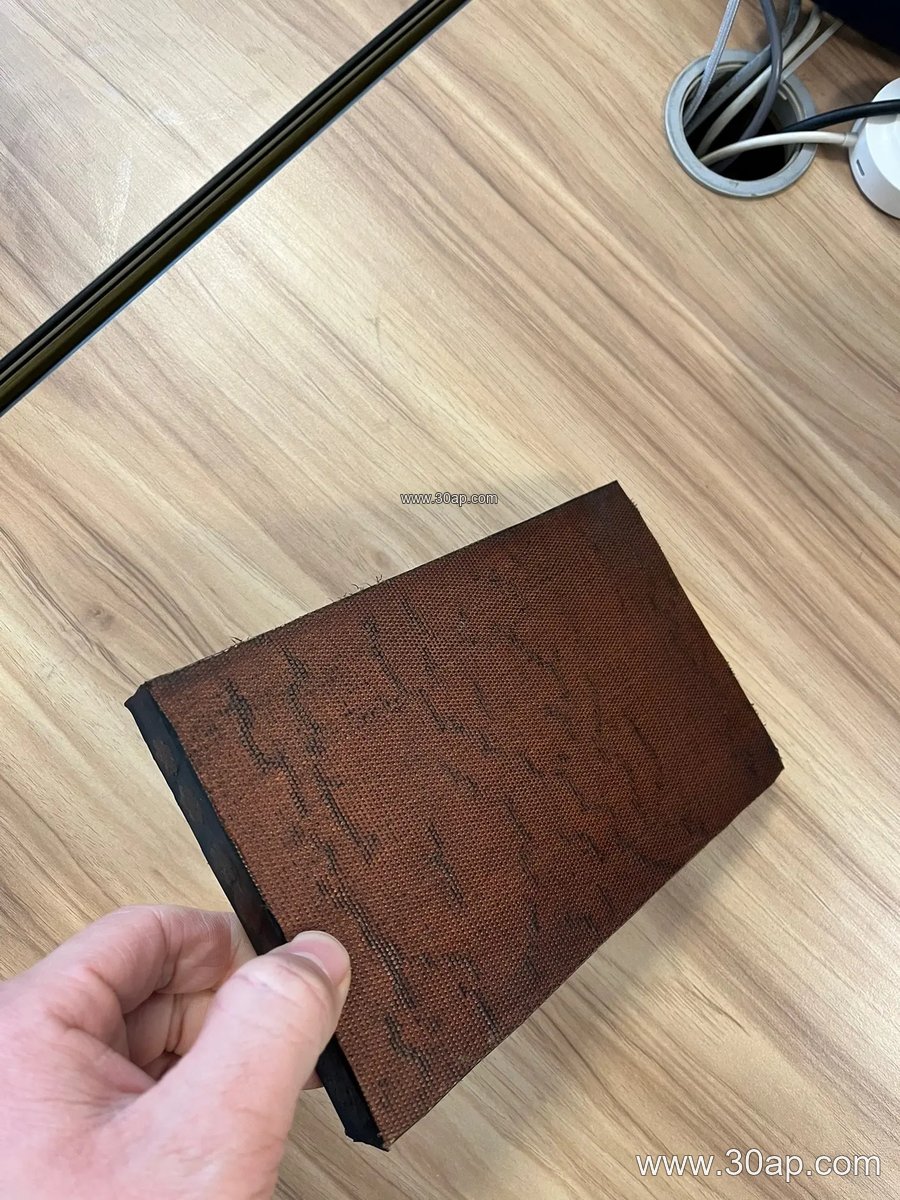
An EP1000 Conveyor Belt is a fabric core belt built with polyester warp and nylon weft (EP) carcass layers, rated for a nominal tensile strength of 1000 N/mm per ply. It sits in the middle-upper range of the EP family, above EP630 and EP800, but below EP1250 and EP1600. Buyers often call it an EP1000 rubber conveyor belt or an EP fabric core conveyor belt, and all three names describe the same product. The EP1000 Conveyor Belt is a workhorse choice for long runs and heavy loads where a steel cord belt is not required and a lighter NN belt would be marginal.
How the Belt Is Built
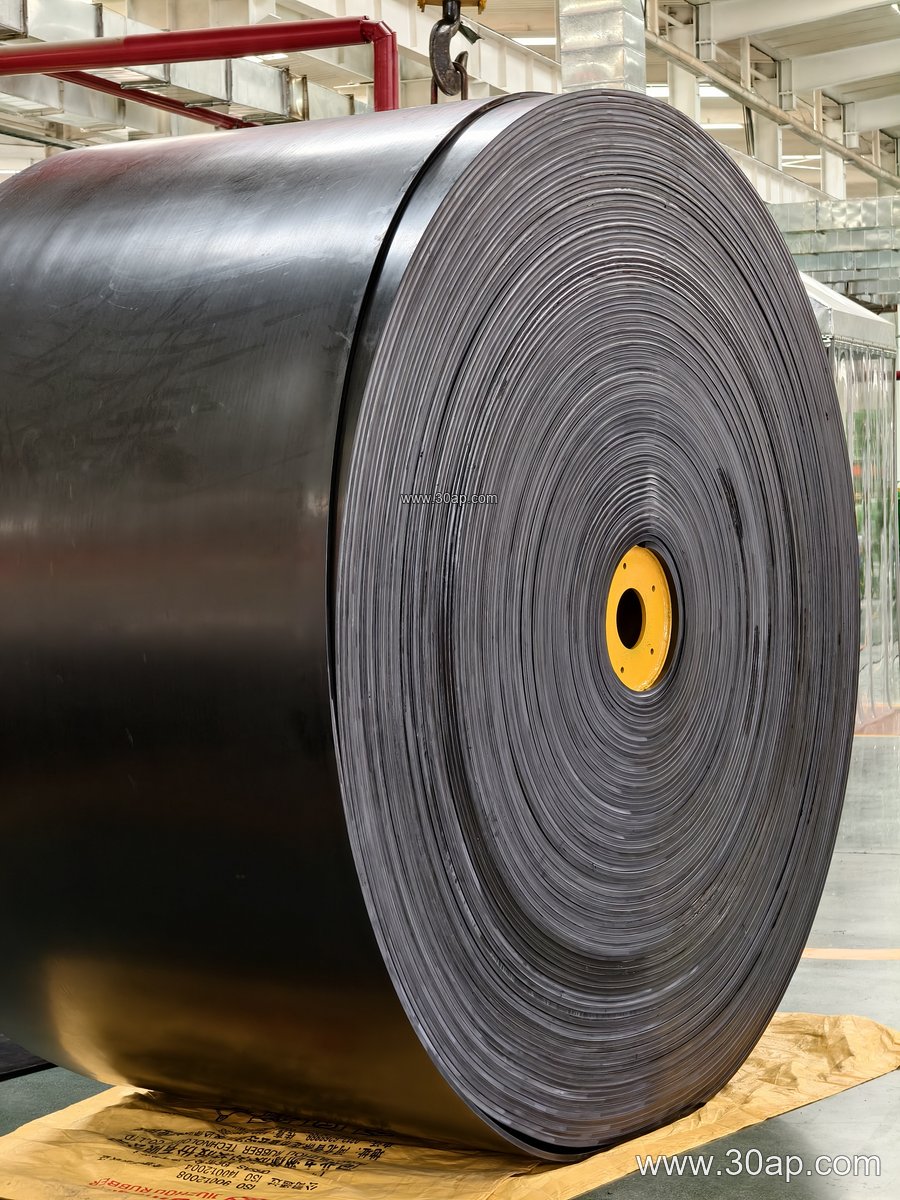
The carcass is the strength member. Multiple EP plies are bonded under heat and pressure, then covered with rubber on both faces. Typical cover constructions include 4+2 mm, 5+2 mm, 6+2 mm and 8+3 mm, with the first number being the top cover and the second the bottom. The number of plies is usually 2 to 6 depending on the required strength and the pulley diameters. Cover compound selection matters as much as the carcass: a plain abrasion resistant grade suits sand and stone, a flame retardant grade is common in coal, and a heat resistant grade is used where material arrives warm.
Where It Fits in the Plant
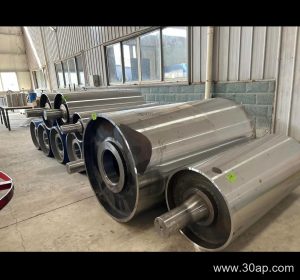
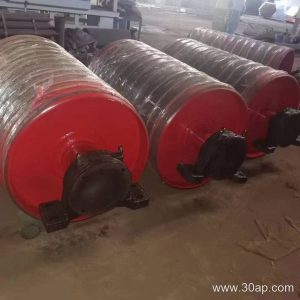
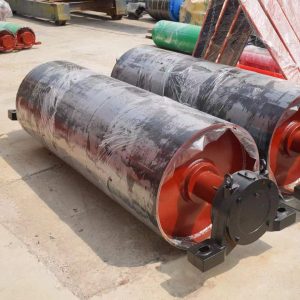
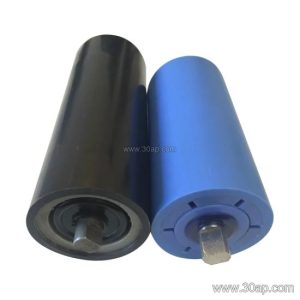
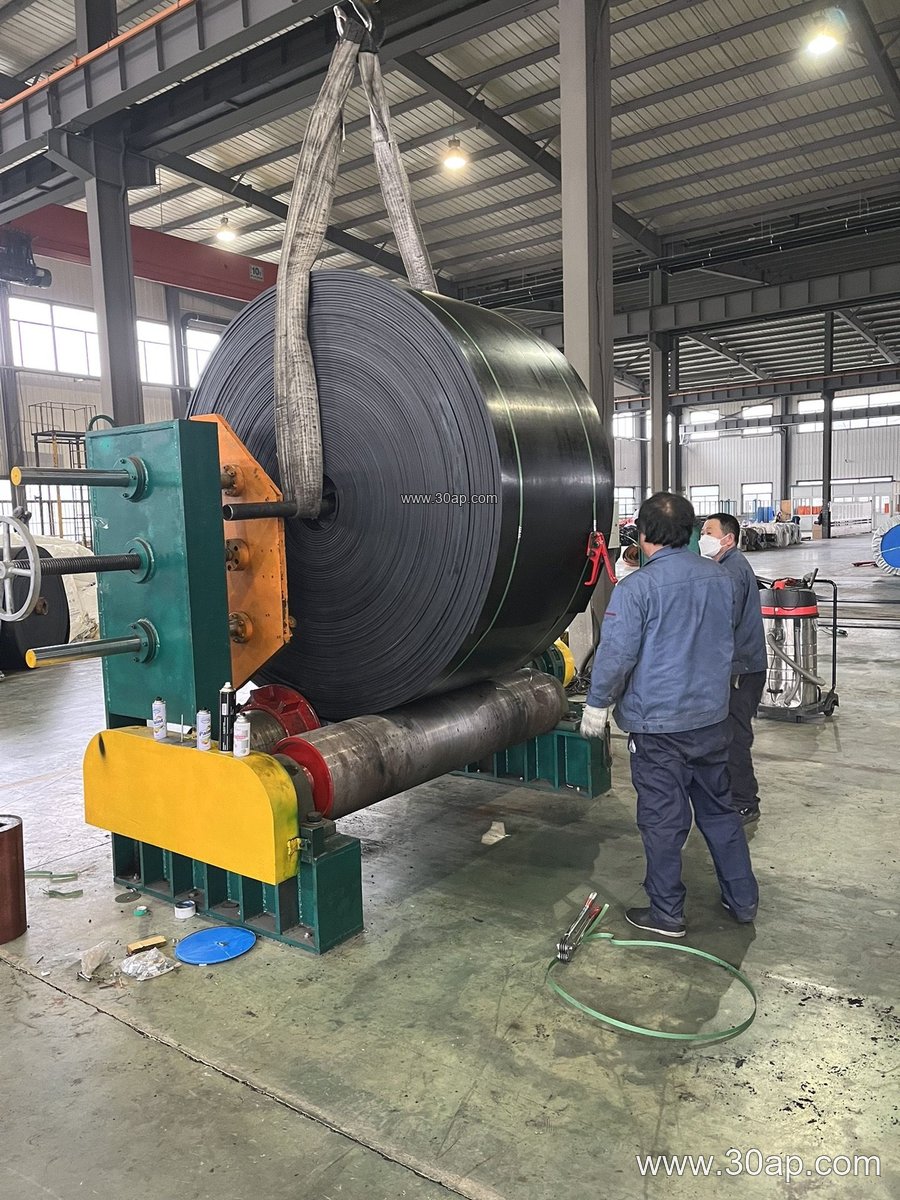
The EP1000 Conveyor Belt appears in quarries, aggregate plants, cement works, power stations, ports and metalliferous mines. It handles crushed rock, ore, clinker, coal and similar bulk material. In a crushing circuit it often runs as a crusher conveyor belt between the primary crusher and the screening tower. In a coal preparation plant it may be specified as a coal mining conveyor belt with flame retardant covers. For iron ore or copper ore duty, a high abrasion resistant cover extends service life. The belt runs over idler rollers on the carrying side, returns over return rollers, and wraps the drive pulley, tail pulley and bend pulleys. Each of those pulleys has its own function and should not be treated as interchangeable.
Structure and Support Components
- Drive pulley: transmits torque to the belt.
- Tail pulley: returns the belt and sets tension at the loading end.
- Bend pulley: changes belt direction without driving.
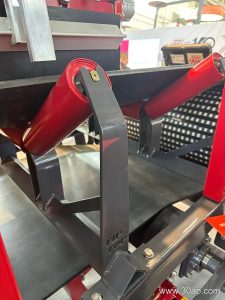
- Idler roller: supports the belt and material load.
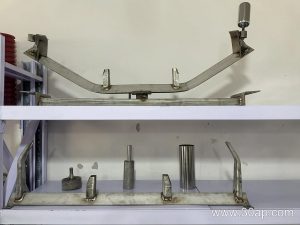
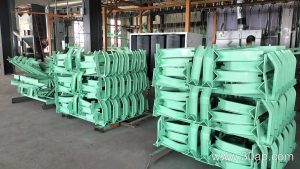
- Conveyor bracket: fixes rollers and pulleys to the frame.
Common Specifications
The table below shows reference values, not a fixed catalogue. Actual construction is confirmed by design.
| Parameter | Typical Range |
|---|---|
| Nominal strength | EP1000 (1000 N/mm per ply) |
| Belt width | B650, B800, B1000, B1200, B1400, B1600, B1800 |
| Cover thickness | 4+2, 5+2, 6+2, 8+3 mm |
| Carcass plies | 2 to 6 |
| Cover grades | abrasion resistant, heat resistant, flame retardant, oil resistant, cold resistant, anti-static |
Popular widths for this strength class include 800mm, 1000mm and 1200mm, with 1400mm and 1600mm used on high-capacity mainlines. A 1200mm wide conveyor belt is a common match for medium-size crushing plants. Belt width and pulley diameter are separate design decisions; a given width does not fix the pulley size, and shaft diameter must be calculated from the actual duty.
Selection Guidance
Start with the peak tonnage, lump size, incline angle and material temperature. Check whether the material is oily, wet, sticky or chemically active, since that decides between a standard cover and an oil resistant or acid resistant grade. Confirm the minimum pulley diameters allowed by the carcass, because a tight bend pulley on a thick multi-ply belt shortens flex fatigue life. On steep inclines, a chevron conveyor belt or a corrugated sidewall conveyor belt may be a better answer than a plain EP1000 belt; these are different constructions, not substitutes for the flat belt on horizontal runs.
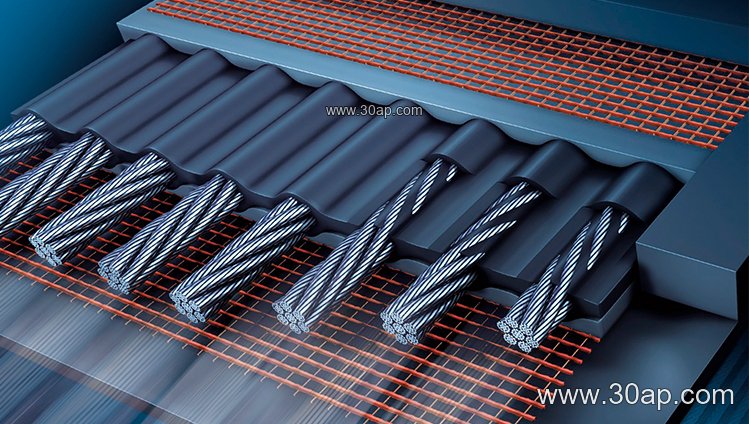
For very long, high-tension overland lines, compare against a steel cord conveyor belt before finalising. For lighter duty, an NN conveyor belt such as NN200 or NN300 can be sufficient. The EP1000 sits between those options and rewards a careful look at the actual load profile.
Installation and Maintenance Notes
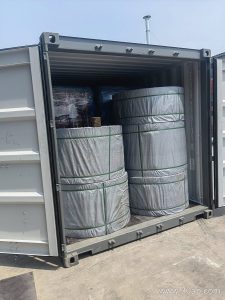
Store belts on a dry, shaded rack, never on the ground. Align the idler roller frames and the conveyor bracket before splicing, because misalignment causes edge wear long before the cover wears out. Check pulley lagging and belt tracking weekly in dusty plants. Inspect the splice and cover for cuts, especially at the loading point where impact is highest, and use impact resistant covers or cushion idlers there if needed. Keep the belt cleaner adjusted so carryback does not build up on the tail pulley. Track cover wear against the original thickness to plan replacement instead of reacting to a failure.
For specifications, cover grades and width options, review the product data on EP Conveyor Belt and confirm every detail with the supplier before ordering.