What a Corrugated Sidewall Conveyor Belt Is
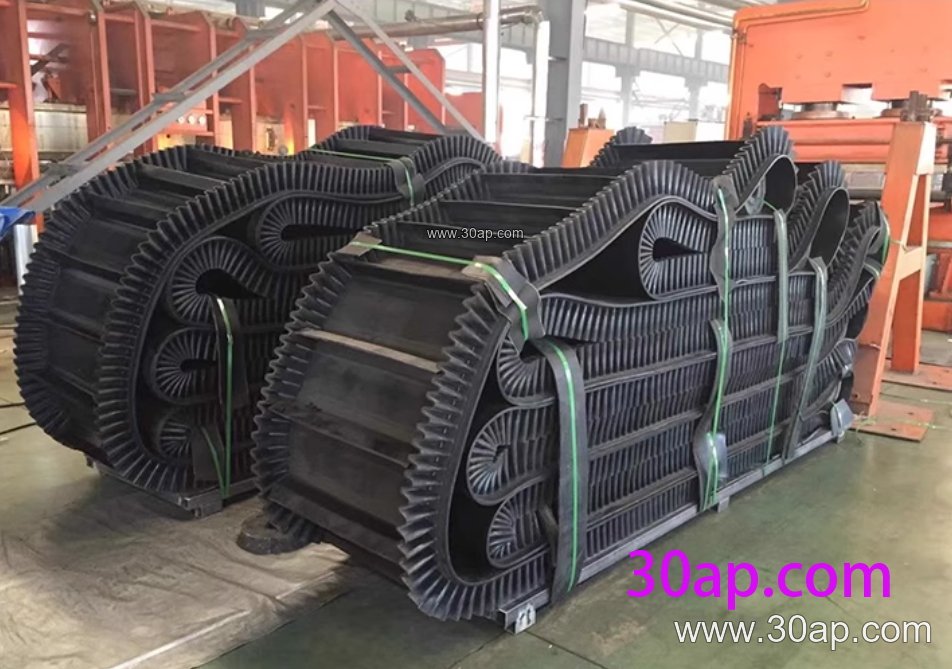
A corrugated sidewall conveyor belt is a heavy-duty rubber conveyor belt with raised, wave-shaped walls along both edges and horizontal cleats spanning the width between them. This design lets one belt handle steep inclines that a standard flat belt cannot, because the material sits in pockets instead of sliding back down the incline. In plant layouts where space is tight, a single corrugated sidewall belt can replace a series of inclined belts and transfer points, which reduces spillage and dust around the conveyor pulley and idler roller stations.
The product is also sold under the accurate equivalent name skirted conveyor belt with cleats, especially when the sidewalls are lower and the belt runs on flatter sections. Both names describe the same construction principle: a base belt, two sidewalls, and cross cleats.
How the Belt Is Built
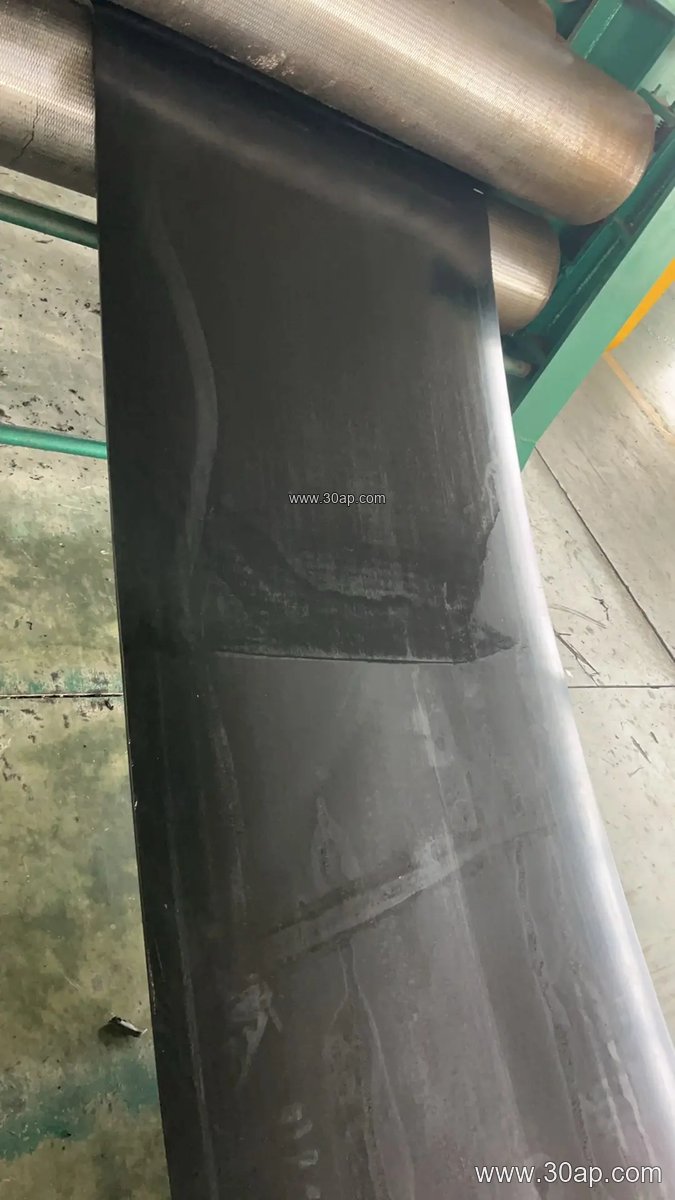
The base belt is usually a fabric core or steel cord carcass covered with rubber. The sidewalls and cleats are vulcanized onto the base belt, so the joint strength between base and wall matters as much as the carcass itself. Buyers will see two common base options:
- EP conveyor belt base, with polyester-nylon fabric plies for general bulk handling
- Steel cord conveyor belt base, for longer runs and higher tension demands
Cover compound is chosen for the duty: abrasion resistant conveyor belt grades for sand and gravel, heat resistant conveyor belt grades for cement clinker, oil resistant conveyor belt grades for certain industrial feeds, and flame retardant conveyor belt grades for coal handling. Anti-static conveyor belt behavior is often requested alongside flame resistance in underground mining conveyor belt service.
Common Reference Dimensions
The values below are typical reference data, not universal specifications. Final dimensions are set by the conveyor design.
| Item | Common reference range |
|---|---|
| Belt width | B500, B650, B800, B1000, B1200, B1400, B1600, B1800 |
| Sidewall height | 40, 60, 80, 100, 120, 160, 200, 240, 300 mm |
| Cleat height | Matched to sidewall height |
| Cleat pitch | 125, 200, 250, 315, 400, 500 mm |
| Cover thickness | 3+1.5, 4+2, 5+2, 6+2, 8+3 mm |
| Carcass plies | 2 to 6 plies for fabric cores |
| Strength grades | EP200 to EP2000; ST1000 to ST3150 for steel cord |
Where It Fits in the Plant
Steep-angle conveying appears across mining, coal preparation, cement, power generation, and quarrying. A corrugated sidewall unit is often chosen for:
- Inclined haulage from a crusher discharge to a stockpile in a quarry conveyor belt system
- Coal Mining Conveyor Belt routes where headroom is limited
- Cement plant feed lines carrying clinker or raw meal at angles beyond 30 degrees
- Ship loading and port conveyor belt systems that need a compact vertical lift
- Sand making plant and stone crushing conveyor belt circuits with confined footprints
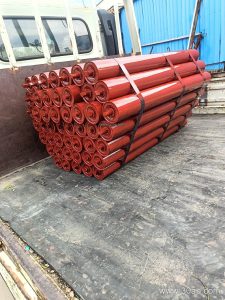
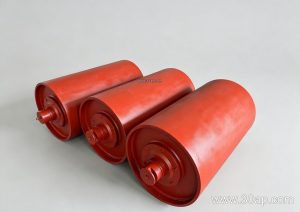
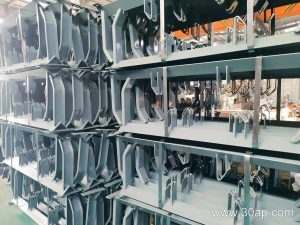
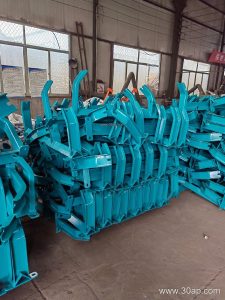
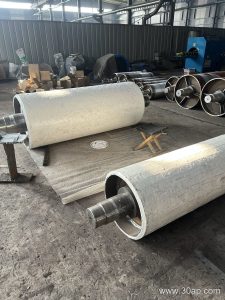
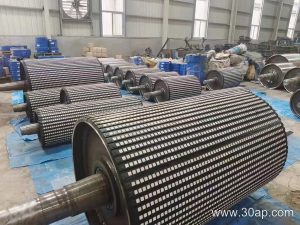
On these routes, the belt works with a drive pulley, a tail pulley, and bend pulleys that hold the belt in its pocket shape. These three pulley roles are not interchangeable: the drive pulley transmits torque, the tail pulley returns the belt, and bend pulleys guide the transition into the incline. Supporting idler rollers and conveyor brackets should be specified together with the belt so the belt path stays clean and the sidewalls do not rub.
Selection Points for Buyers
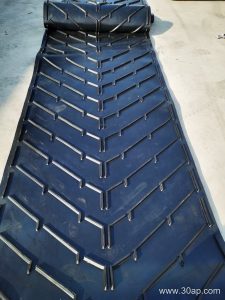
Start with the material: lump size, bulk density, moisture, temperature, and whether the cargo is oily or abrasive. Lump size drives cleat pitch and sidewall height, since large lumps need wider pockets. Incline angle decides whether a corrugated design is needed at all; beyond roughly 30 to 35 degrees, a flat belt usually loses traction and a chevron conveyor belt or a sidewall belt becomes the practical option. Note that a chevron belt only adds surface grip, while a sidewall belt contains the load, so the two are used for different reasons.
Then confirm the belt width against the required capacity and the pulley face width, and confirm the tension grade against the conveyor length and lift. A wide belt does not automatically match every pulley diameter; the pulley and shaft are sized from the actual belt tension and drive layout, not from belt width alone. For long overland runs, a pipe conveyor belt may be considered, but it solves encapsulation rather than steep incline carrying.
Installation and Maintenance Notes
Alignment is critical. Sidewalls that run against the structure wear quickly, so check that the belt tracks centrally over the tail pulley and bend pulleys. Inspect cleat-to-base joints and sidewall roots for cracks during routine stops. Keep the return side free of build-up, and check idler roller rotation so dragged rollers do not scuff the base. Store spare belts flat, away from heat and sunlight, and avoid sharp folds that can damage the sidewall wave.
For a bulk material conveyor belt in a dusty plant, a modest inspection routine on the conveyor pulley lagging, brackets, and skirt area prevents most unplanned stops. For more on rubber conveyor belt grades and matching accessories, visit rubberbeltpro.com for conveyor belt guidance, and rubberbeltpro.com for idler roller and conveyor pulley references.