What a Construction Industry Conveyor Belt Actually Does
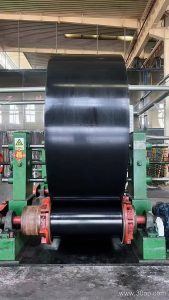
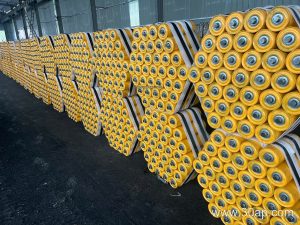
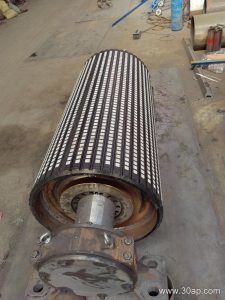
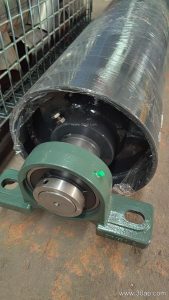
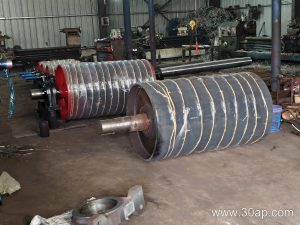
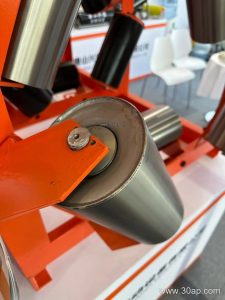
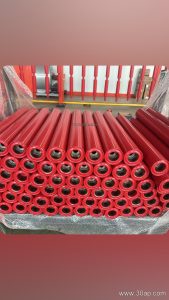
A Construction Industry Conveyor Belt is the load-carrying element that keeps aggregate, cement, sand, crushed stone and excavated spoil moving between crushers, screens, batching plants and stockpiles. On a construction site the belt rarely runs in ideal conditions. It sees sharp rock edges, abrasive dust, intermittent loading from wheel loaders, and weather that swings from summer heat to winter frost. That is why the belt specification has to be matched to the duty rather than chosen by width alone. The same conveying line also relies on conveyor pulleys, idler rollers and conveyor brackets to keep the belt tracking and supported, so belt and hardware are usually specified together. You can review belt and component options at gzbelts.com conveyor belt.
How the Belt Is Built
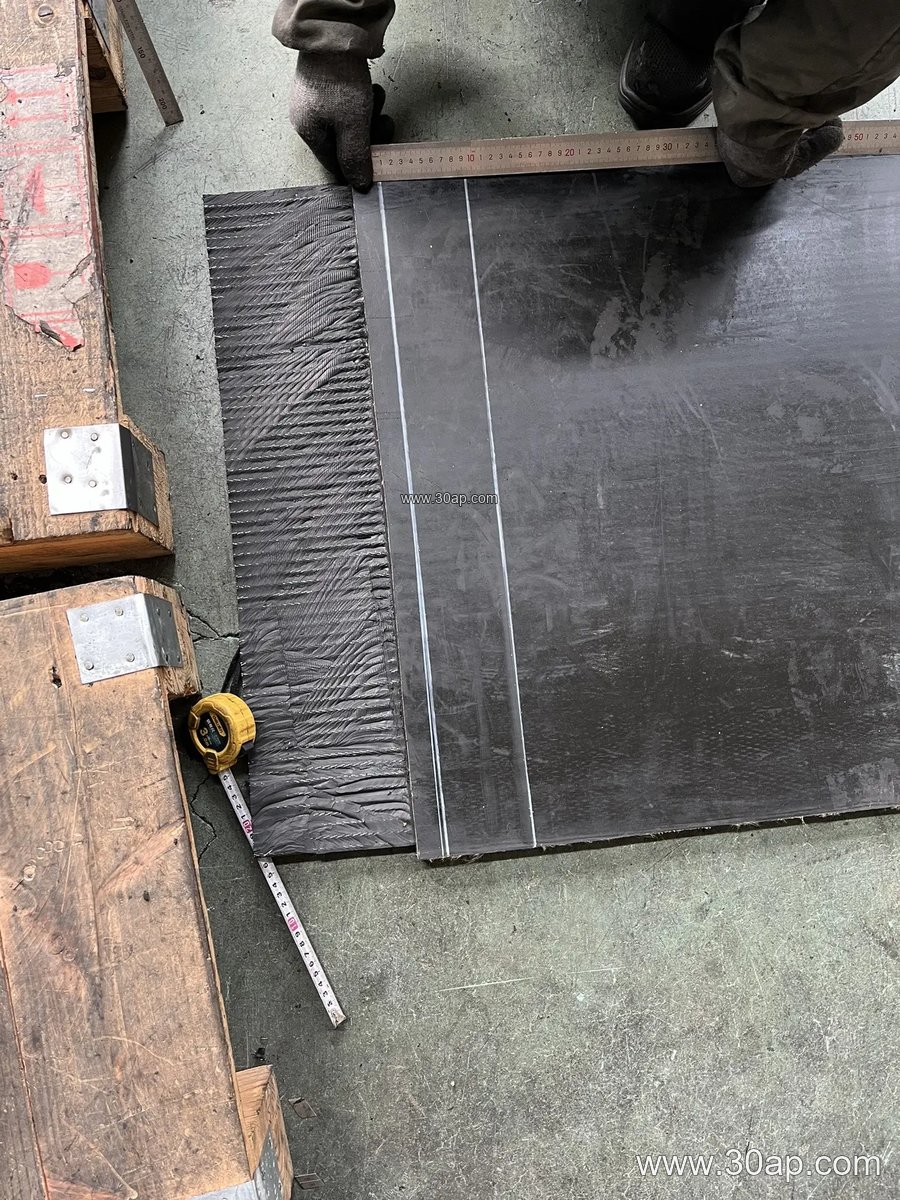
Most belts used in construction are fabric-core or steel-cord reinforced. A fabric core carries tension through multiple plies of woven fabric, while a steel cord core uses brass-plated wires for very long runs and high tension. On top and bottom sit cover rubber compounds that protect the carcass from cutting, abrasion, heat or oil. Edge construction, skim layers and the bond between plies determine how well the belt survives impact at transfer points.
Common Construction Belt Types
- EP Conveyor Belt and NN Conveyor Belt for general aggregate and cement duty
- Steel Cord Conveyor Belt for long overland or high-tension lines
- Abrasion Resistant Conveyor Belt for crushed rock and quarry feed
- Chevron Conveyor Belt for inclined stockpile and loader ramps
- Corrugated Sidewall Conveyor Belt and Skirted Conveyor Belt for steep or contained conveying
- Heat Resistant Conveyor Belt near asphalt and clinker handling
- Flame Retardant Conveyor Belt and Anti-Static Conveyor Belt where fire risk or dust ignition is a concern
Each type solves a different problem. A chevron belt is not a substitute for a smooth abrasion-resistant belt on a horizontal run, and a sidewall belt is not a replacement for a standard EP belt on a flat transfer.
Typical Construction Site Applications
Construction material handling overlaps with several industries. A quarry conveyor belt feeds a primary crusher, an aggregate conveyor belt carries screened stone to bins, and a cement conveyor belt moves clinker or raw meal in a cement plant. Sand making plants, stone crushing lines, concrete batching stations and port ship loading systems all use similar belts. In mining and coal mining, flame retardant and anti-static grades are common, while power plant and steel plant lines often need heat or abrasion resistance. Tunnelling and underground mining conveyors add space constraints and stricter fire safety demands.
Sizes and Reference Parameters
Belt width, carcass strength, number of plies and cover thickness are the four numbers a buyer will be asked about most often. The values below are common reference ranges, not universal specifications; final figures are set by the conveyor design and confirmed with the supplier.
Belt Width
| Parameter | Common reference values |
|---|---|
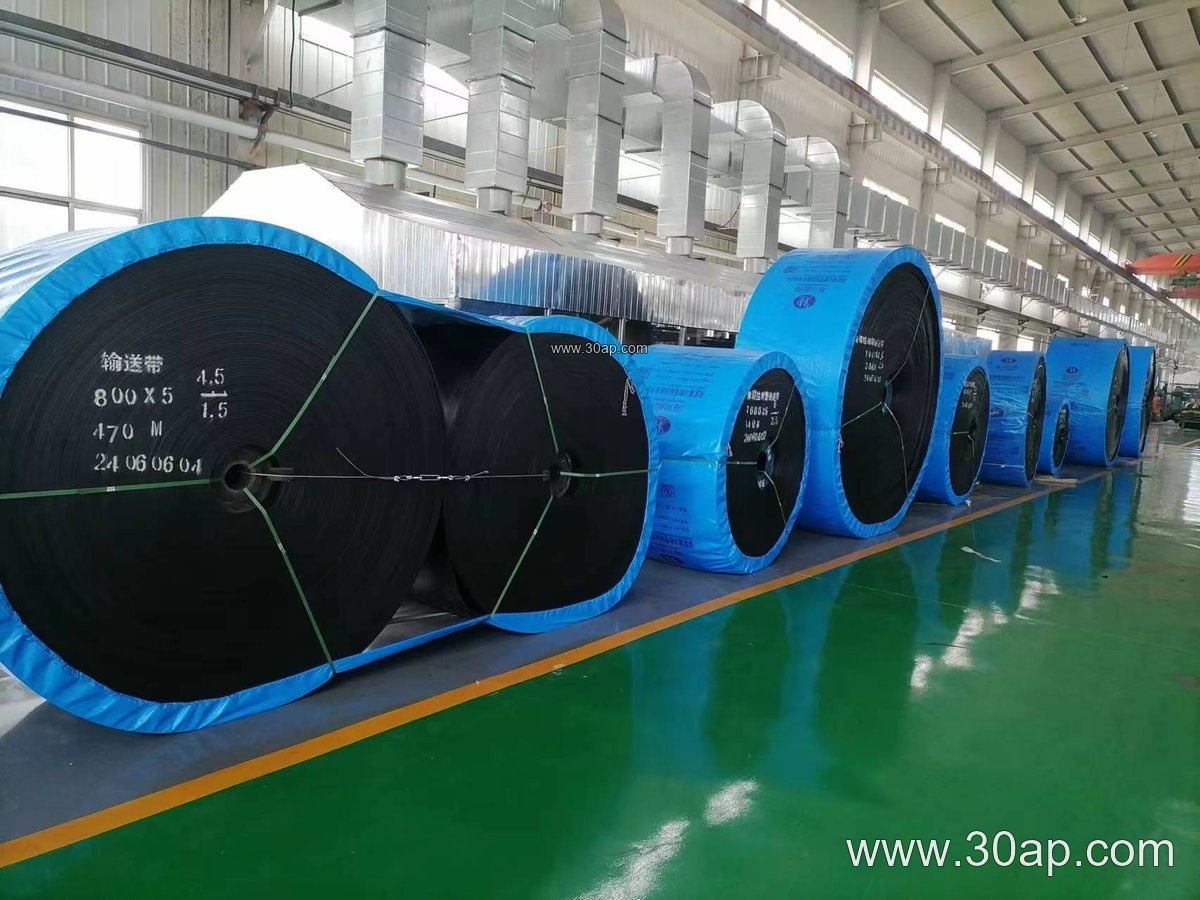
| Belt width | B500, B650, B800, B1000, B1200, B1400, B1600, B1800, B2000 |
| Wide formats | 1200mm, 1500mm and 1800mm wide belts on high-capacity lines |
Carcass Strength
| Family | Reference grades |
|---|---|
| EP | EP200, EP315, EP400, EP500, EP630, EP800, EP1000, EP1250, EP1600, EP2000 |
| Steel cord | ST1000, ST1250, ST1600, ST2000 and higher grades by design |
Cover and Ply Configuration
| Item | Typical range |
|---|---|
| Top and bottom cover | 3+1.5, 4+2, 5+2, 6+2, 8+3 mm |
| Fabric plies | 2 to 6 layers depending on tension |
A 1000mm or 1200mm belt is common on plant conveyors, while 1600mm and 1800mm widths appear on main trunk lines. Width and pulley diameter are matched through the conveyor design, not by a fixed rule, so the drive pulley, tail pulley and bend pulley are each sized for the actual tension and wrap angle.
What to Check Before Ordering
- Material size and drop height at the loading point, which drive impact resistance and cover thickness
- Belt speed, incline angle and whether a chevron or sidewall profile is needed
- Temperature range, oil exposure and fire or dust regulations on site
- Pulley and idler roller condition, since worn rollers shorten belt life
- Whether an endless or spliced belt suits the installation access
Site conditions change, so a belt that works on one stockpile may fail on another. Share the material, throughput, incline and ambient conditions with the supplier, and ask for the carcass and cover recommendation in writing. Further technical details on construction-grade belts are available at gzbelts.com conveyor pulley and gzbelts.com idler roller.
Maintenance Points That Extend Belt Life
Most premature failures start at the transfer point or the tracking system, not in the carcass. Keep skirt rubber and chute liners adjusted so material does not spill onto the return strand, check conveyor brackets for looseness, and confirm idler rollers spin freely. Inspect splices for edge separation after the first weeks of running, and re-tension only to the figure the conveyor designer specified. A belt that mistracks will wear its edge quickly, so resolve misalignment before replacing the belt.