What a Belt Conveyor Idler Does on the Line
A belt conveyor idler is the rotating roller assembly that supports the conveyor belt and the material riding on it. In a sand and gravel plant or a cement clinker line, dozens of these units sit under the belt at regular intervals, carrying the load while letting the belt move with low resistance. The idler roller itself is a simple component, but its condition decides how much power the drive needs, how well the belt tracks, and how long the conveyor belt lasts.
Although the name sounds minor, the belt conveyor idler is a wear part that deserves proper specification. A poorly chosen unit can wear the belt edge, spill material at transfer points, or fail early in a dusty coal handling circuit.
How an Idler Roller Is Built
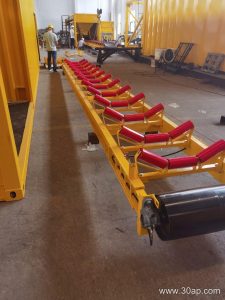
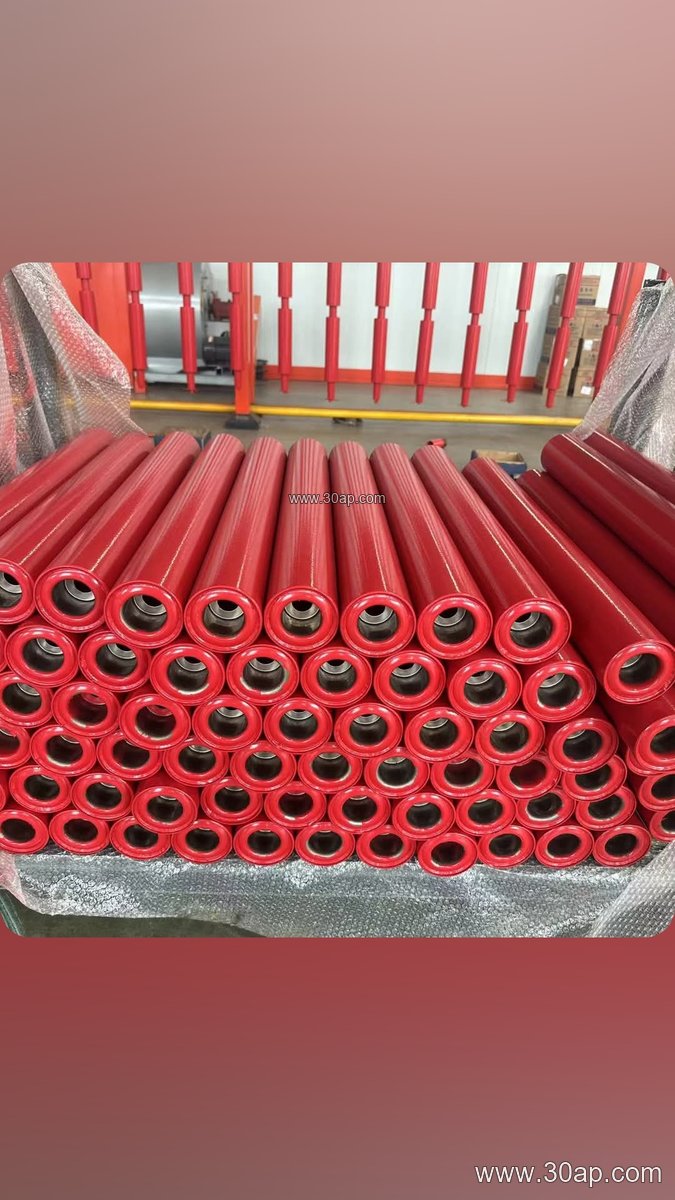
A typical idler roller consists of a steel tube shell, a shaft, two bearing housings, seals, and end caps. The shell is often made from steel pipe, and the surface may be left plain or fitted with rubber rings, nylon, or ceramic for special duties. The bearing set is the heart of the unit; common sizes include 6204, 6205, 6305, 6306, 6308, and 6310, matched to the roller diameter and load rather than to belt width alone.
Sealing matters in wet or dusty service. Labyrinth seals and contact seals are both used, and the choice depends on the environment. A washdown area in a concrete mixing plant has different demands from a dry limestone quarry. Shaft ends are usually supported in the conveyor bracket, and the bracket geometry must match the idler frame so the roller sits square to the belt.
Common Types and Where They Sit
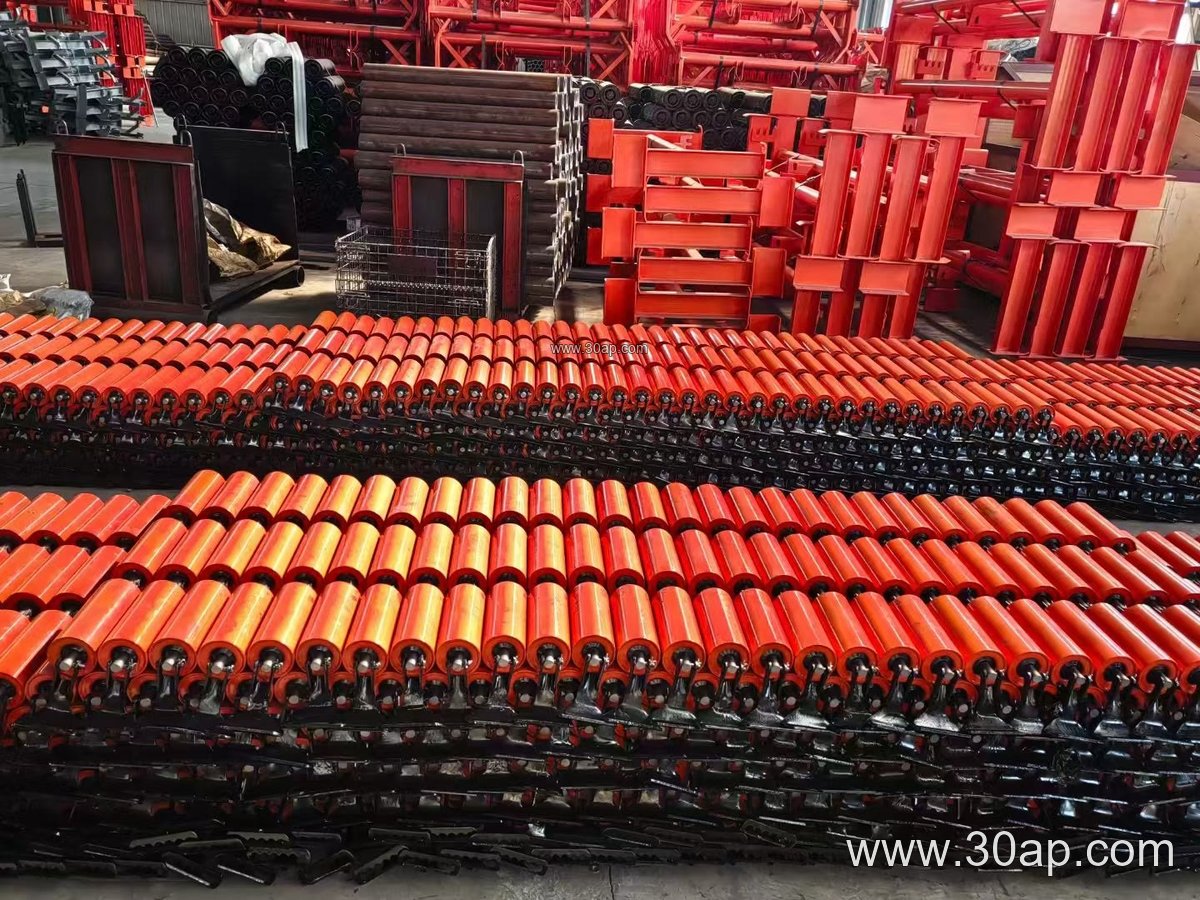
The carrying side is normally supported by troughing idlers, often arranged as a three-roll set with a trough angle. Common trough angles are 20, 30, 35, and 45 degrees, and the angle affects how the material is contained. A wider angle suits fine, free-flowing material, while a shallower angle may be preferred where the belt is stiff or the load is lumpy.
- Troughing idlers and upper idlers carry the loaded belt.
- Transition idlers ease the belt from flat to troughed at the tail and head.
- Return idlers, including flat and V-return forms, support the empty belt.
- Impact idlers and rubber-ring impact idlers absorb shock below a chute.
- Self-aligning idlers, including friction and tapered types, help correct belt wander.
- Spiral and comb idlers are used where sticky material tends to build up.
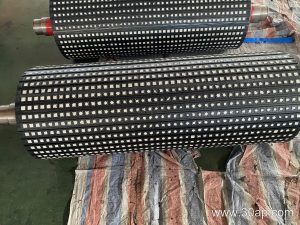
These are not interchangeable with drive pulleys, tail pulleys, or bend pulleys. A conveyor pulley drives or redirects the belt, while an idler roller only supports it. Keeping that distinction clear helps when ordering spare parts for a port terminal or a steel plant sinter line.
Roller Diameter, Belt Width, and Roll Length
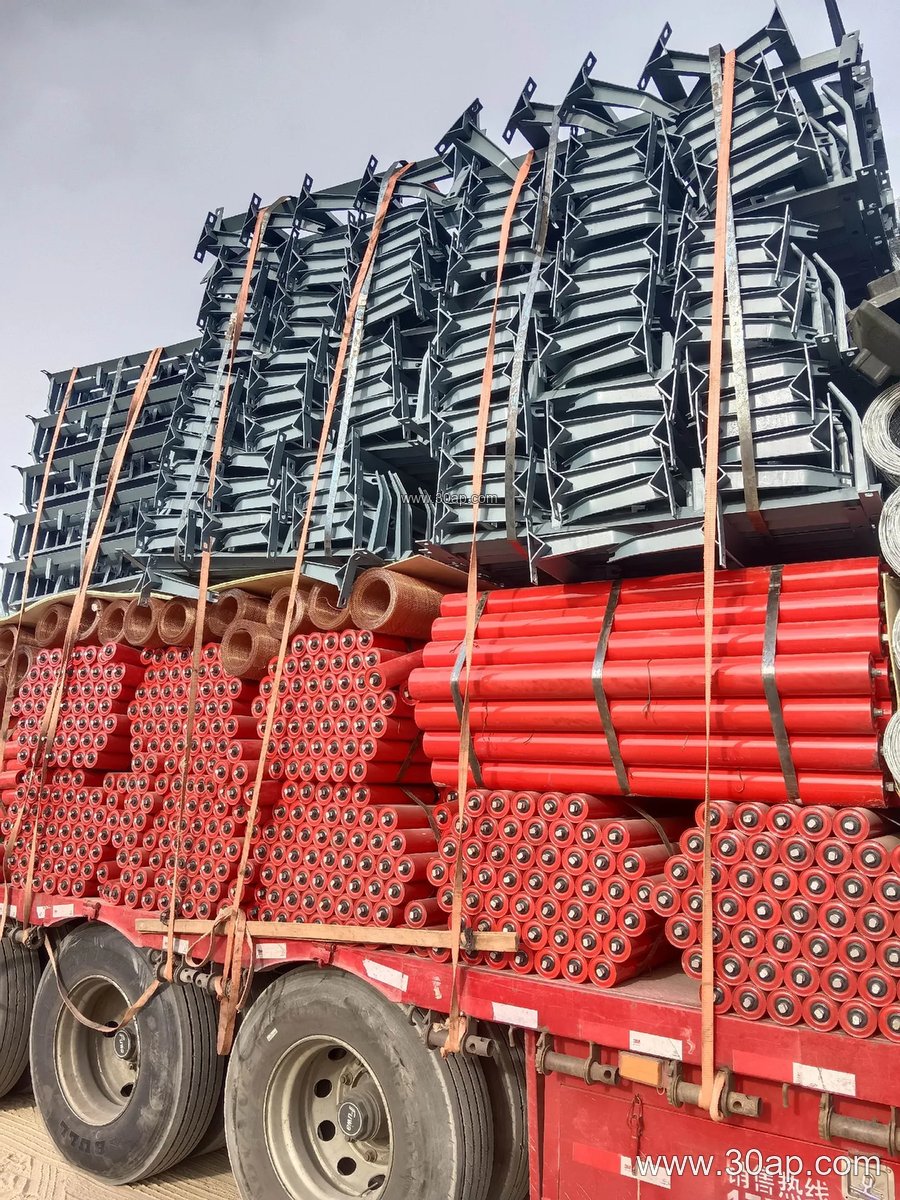
Buyers often ask which roller diameter fits a given belt width. There is no single fixed pairing. Diameter is chosen from load, belt speed, and the frame design, and common roller diameters include 63, 76, 89, 102, 108, 127, 133, 159, 178, 194, and 219 mm. Belt widths range from B400 up to B2400 in many bulk handling lines. A larger diameter usually means lower rotation speed and better bearing life under heavy load.
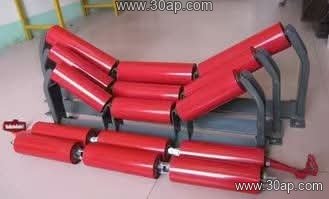
Roll length changes with belt width, trough angle, and the idler arrangement. For a three-roll troughing set, common roll lengths are roughly 200 mm for B500, 250 mm for B650, 315 mm for B800, 380 mm for B1000, 465 mm for B1200, 530 mm for B1400, 600 mm for B1600, 670 mm for B1800, and 750 mm for B2000. These are examples, not fixed rules, and side rolls may differ from the center roll.
What to Check Before Ordering
For a quarry, coal preparation plant, or power station coal yard, the specification should cover the belt width, the trough angle, the roller diameter, the shell material, the bearing size, and the sealing arrangement. It also helps to state whether the idler is for the carrying side, the return side, or an impact zone below a crusher discharge.
Ask about the shaft and bracket interface, because a replacement idler must fit the existing conveyor bracket without modification. Check that the roller surface suits the material, since sticky limestone or wet sand may call for a spiral or rubber-ring form. Finally, confirm that the idler is supplied as a complete roller with bearings and seals, not as a bare tube, so installation on the conveyor frame is straightforward.
Maintenance Notes
Idlers fail mainly through bearing contamination, shell wear, or seizure. A seized roller can rub through the conveyor belt quickly, so routine inspection should include listening for squealing and checking for stopped rollers. Lubrication practice depends on the bearing type, and sealed-for-life units should not be greased. Keeping the belt aligned and the chute loading centered reduces side loading on the idler roller and extends service life in demanding aggregate and mining duty.