What a Rubber Idler Is
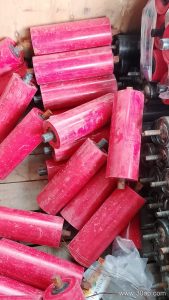
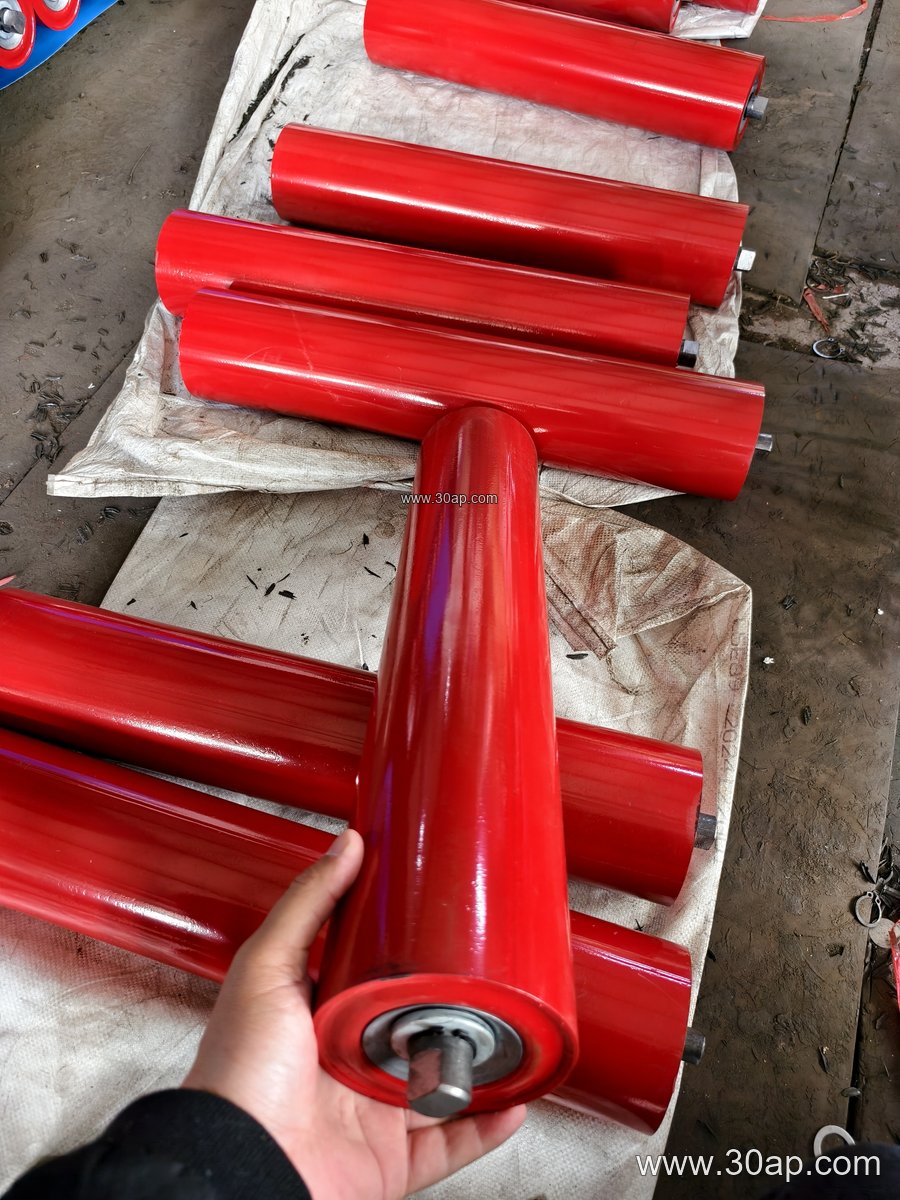
A rubber idler is a load-carrying or return roller whose outer surface is covered with rubber, usually bonded to a steel tube body. In a belt conveyor line, it supports the conveyor belt and the material riding on it, keeps the belt tracking steadily, and absorbs part of the impact and vibration that occur at transfer points. Buyers often call it a rubber-covered idler roller, and it belongs to the same family as the standard steel roller, but with a resilient outer layer that changes how it behaves under load.
The rubber layer is not a cosmetic addition. It grips the belt better, reduces slip, dampens noise, and protects both the belt cover and the roller shell from abrasive or wet material. This makes the rubber idler a practical choice in dusty, damp, or high-impact positions where a plain steel roll would wear quickly or let the belt wander.
How It Is Built
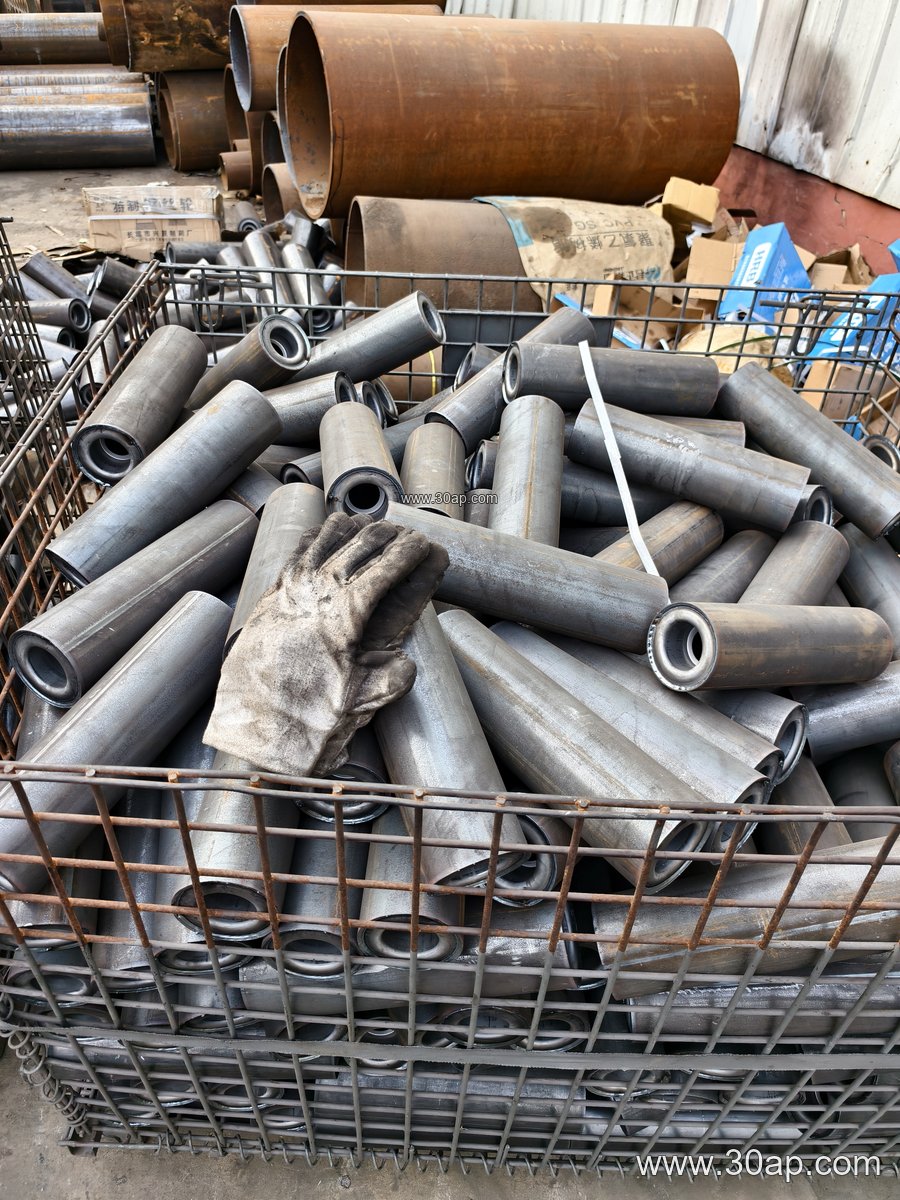
A typical rubber idler starts with a seamless steel tube, machined bearing housings at each end, and a shaft that runs through sealed bearings. The rubber cover is applied to the shell by vulcanization, so it becomes a single wear surface rather than a loose sleeve. Sealing is the detail that decides service life: good labyrinth seals and grease retention keep fine dust out of the bearing cavity.
- Shell: steel tube with a vulcanized rubber cover, sometimes grooved or ribbed for grip
- Bearing: deep-groove ball bearings such as 6204, 6205, 6305, 6308 or 6310, matched to load and speed by design
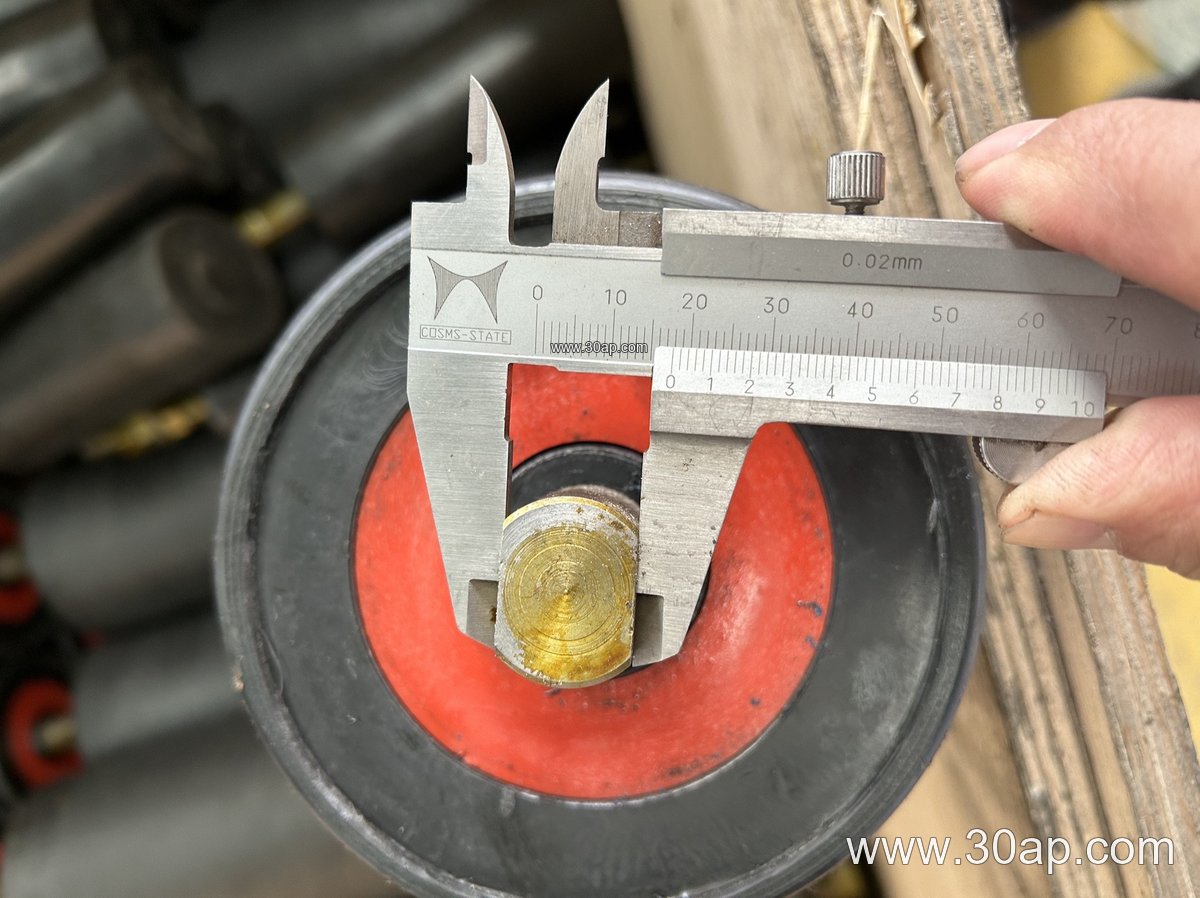
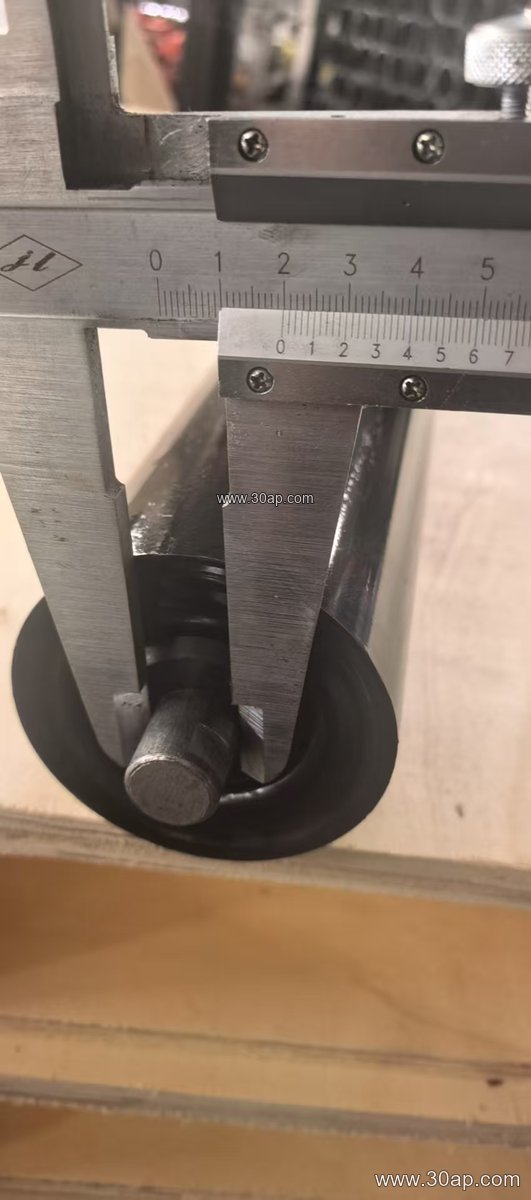
- Shaft: fixed or rotating depending on the frame design, with flattened ends for mounting
- Sealing: multi-stage dust seal, often with a grease nipple for relubrication
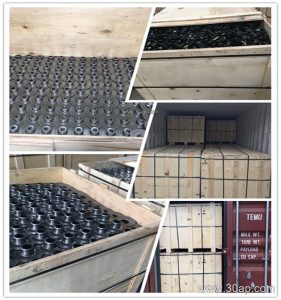
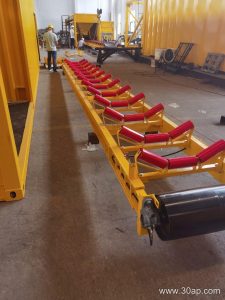
Rubber rings are also used in impact idlers, where a series of rubber discs cushions falling rock at the loading point. The rubber ring buffer idler and the fully rubber-covered idler serve different purposes, so a buyer should confirm which surface form is required rather than assuming they are the same item.
Where It Fits on the Conveyor
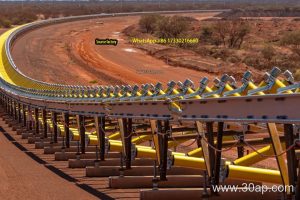
Rubber idlers appear in several positions along a conveyor. Troughing idlers on the carrying side support the loaded belt, return idlers hold up the empty strand, and impact idlers sit below the chute where material drops onto the belt. In a quarry or a crushing and screening line, impact and troughing positions are where rubber covers earn their cost. In a coal preparation plant or a power plant coal yard, the same roller helps with damp fines and reduces belt wear.
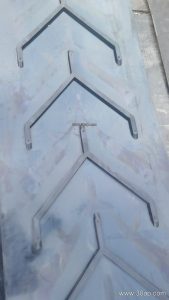
On a long overland run, a fabric core conveyor belt such as an EP conveyor belt or NN conveyor belt may travel over hundreds of rubber idlers, and consistent roller quality matters more than any single component. Where the belt is steeply inclined and carries wet aggregate, a chevron conveyor belt or a corrugated sidewall conveyor belt needs clean, well-aligned rollers so the cleats do not catch or rub.
Related hardware includes the conveyor pulley at the drive and tail ends, the conveyor bracket that holds each idler frame, and the conveyor belt itself. A drive pulley, a tail pulley and a bend pulley are separate items with separate duties and are never swapped for one another; the rubber idler is a supporting roller, not a pulley.
Sizes and Selection Points
Rubber idlers are ordered by roller diameter, roller length, belt width, trough angle and bearing size. The table below shows common reference values; actual dimensions follow the conveyor design.
| Parameter | Common reference values |
|---|---|
| Roller diameter | Ø63, Ø76, Ø89, Ø102, Ø108, Ø127, Ø133, Ø159, Ø178, Ø194, Ø219 mm |
| Belt width | B400, B500, B650, B800, B1000, B1200, B1400, B1600, B1800, B2000, B2200, B2400 |
| Trough angle | 20°, 30°, 35°, 45° |
| Idler set form | single roll, two-roll, three-roll troughing |
| Roller surface | steel tube, nylon, ceramic, rubber ring |
| Bearing | 6204, 6205, 6305, 6306, 6308, 6310 |
Roller length changes with belt width, trough angle and frame type. As a rough guide, a three-roll troughing set may use a roll of about 200 mm at B500, 315 mm at B800, 465 mm at B1200 and 600 mm at B1600, but side rolls and center rolls can differ, so the drawing governs. No single belt width locks a roller to one diameter, and shaft size must be confirmed from the frame and load calculation rather than guessed from belt width.
What Buyers Should Check
Ask for the rubber hardness and cover thickness, the bearing brand or grade, and the sealing arrangement. Confirm whether the roller is for carrying, return or impact duty, because the rubber thickness and ring pattern differ. Check the frame drawing for shaft ends, mounting flats and bracket spacing. On abrasive duties, an abrasion resistant conveyor belt paired with quality rubber idlers reduces total wear cost; in hot clinker or sinter service, heat resistant conveyor belt grades may be needed and the roller’s rubber compound should be discussed with the supplier.
During operation, listen for squealing bearings, watch for belt misalignment and check that rollers turn freely. Re-grease where nipples are provided, replace seized rollers promptly, and keep the belt cleaner so fines do not pack around the seals. A small stock of spare rubber idlers in the common sizes used on site keeps a quarry, cement plant or coal yard running without long stops.