Understanding the Idler Roller’s Core Role
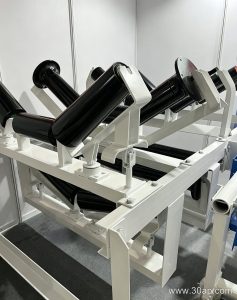
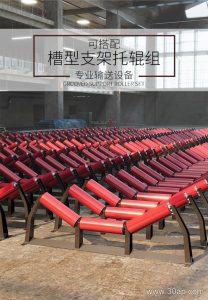
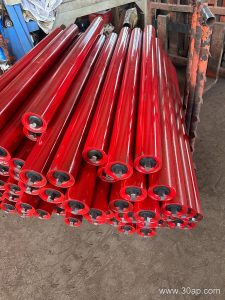
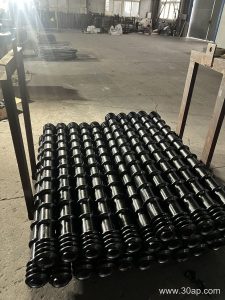
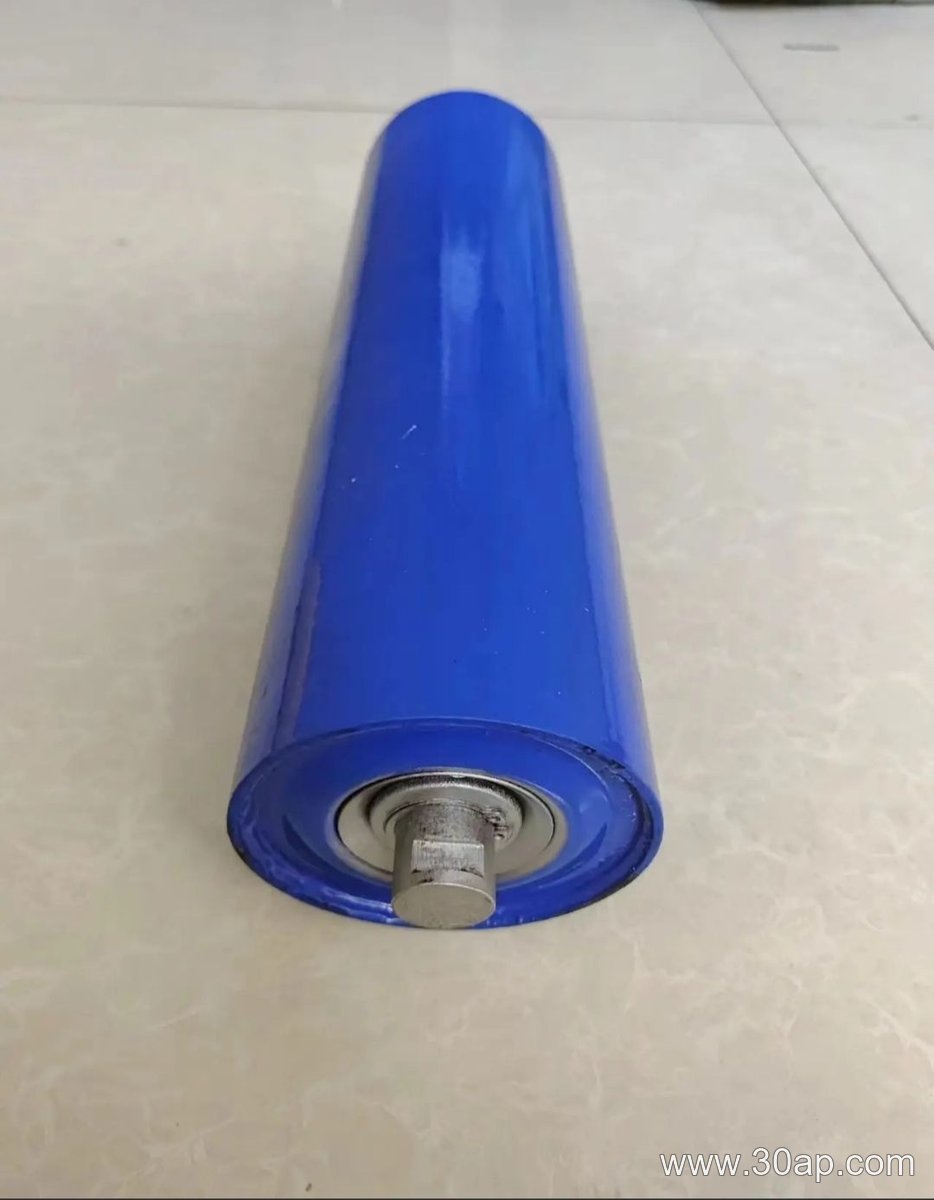
An idler roller is a non-powered cylindrical component that supports and guides conveyor belts, reducing friction and preventing sagging. Its design directly impacts belt alignment, material spillage, and energy consumption.
Key Selection Criteria
- Load capacity: Choose rollers rated for your maximum belt load and impact zones.
- Diameter and shell thickness: Larger diameters reduce belt wear; thicker shells resist deformation under heavy loads.
- Bearing type: Sealed ball bearings suit dusty environments; precision bearings for high-speed lines.
- Material: Steel for durability, rubber-covered for slip resistance, or HDPE for corrosive settings.
- Sealing: labyrinth or contact seals protect against moisture and fine particles.
Purchasing Advice
Measure existing shaft ends and frame spacing before ordering. For long conveyors, request dynamic balancing to minimize vibration. Always confirm trough angle (20°, 35°, or 45°) to match your belt profile. For retrofit projects, verify idler roller spacing – typically 1–1.5 m on carry side, but reduce to 0.3–0.5 m at loading points. Test with a trial unit if possible, and prioritize rollers with replaceable components for lower lifecycle costs.
Understanding the Conveyor Pulley’s Core Role
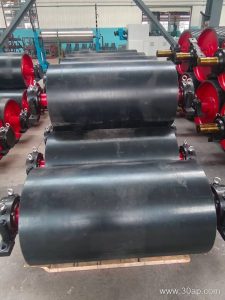
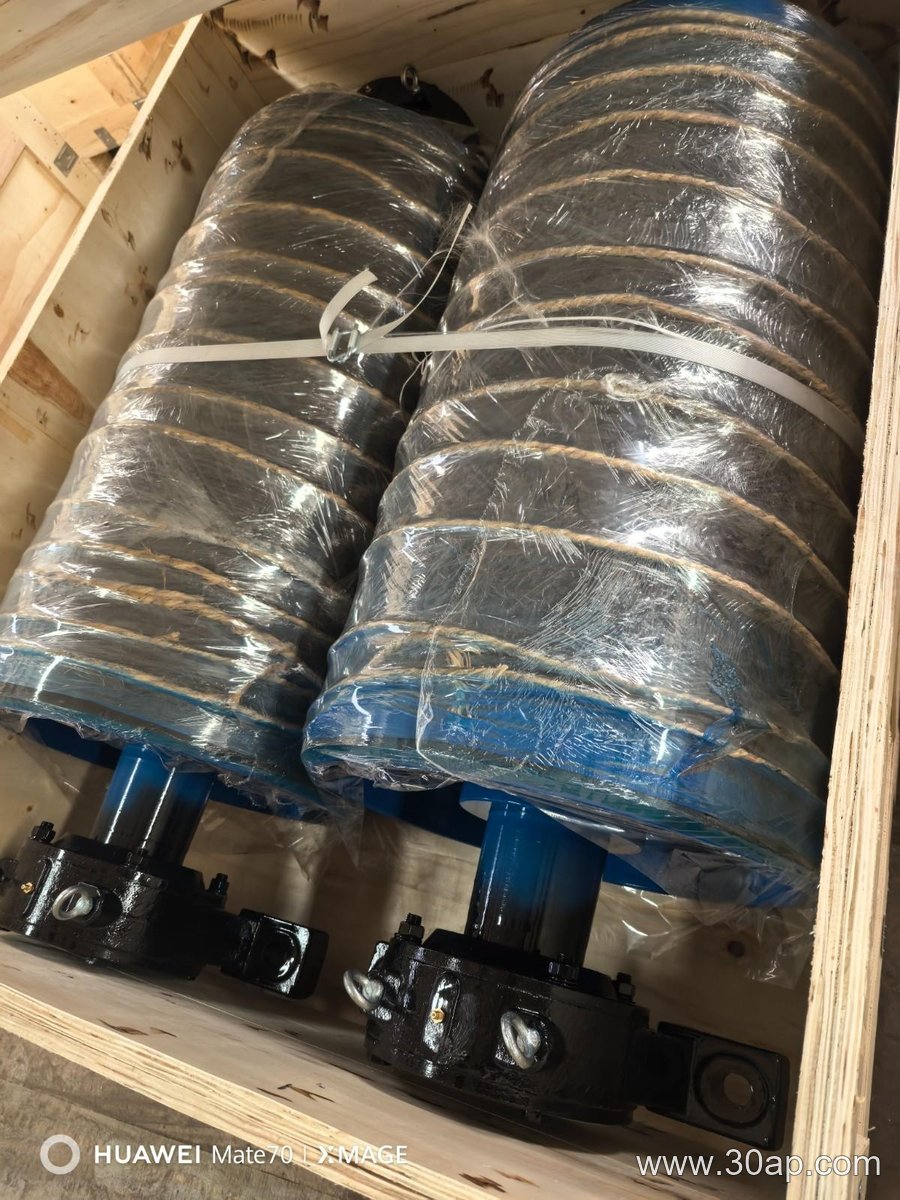
The conveyor pulley is not merely a rotating cylinder; it is the structural anchor that transmits drive torque, maintains belt tension, and dictates tracking accuracy across the entire bulk handling line. Choosing the wrong unit leads to slippage, edge damage, and costly downtime.
Key Selection Criteria for Industrial Buyers
- Load calculation: Verify shaft diameter and bearing rating against peak belt tension and starting torque—never use average load values.
- Shell construction: Specify welded steel with a minimum crown (0.5–1 mm) for self-centering, or lagged rubber for high-friction drive pulleys.
- Lagging type: Ceramic for wet or high-slip conditions; diamond-grooved rubber for general abrasive materials.
- Bearing housing: Choose self-aligning spherical roller bearings with effective sealing for dusty or corrosive environments.
Purchasing Advice: Avoid the Under-Spec Trap
Always request the manufacturer’s dynamic stress analysis, not just a static weight rating. Confirm that the pulley’s hub-to-shaft connection (keyed, taper-lock, or shrink disc) matches your maintenance frequency. For critical applications, demand a minimum safety factor of 1.5 on the weld seams and shaft deflection under 0.0015 times the pulley face width. Finally, verify crown profile tolerance—a flat pulley will never correct belt misalignment, regardless of accessory tensioners.
Understanding the Conveyor Bracket’s Role
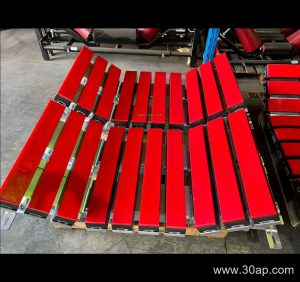
The conveyor bracket is far more than a simple metal fixture. It is the structural anchor that aligns rollers, supports belt tension, and absorbs dynamic load. A properly engineered bracket prevents misalignment, reduces vibration, and extends the lifespan of your entire conveyor system.
Key Selection Criteria for Industrial Buyers
- Load rating: Always match the bracket’s static and dynamic capacity to your heaviest product plus safety margin (typically 1.5x).
- Material compatibility: For food or chemical plants, choose stainless steel (304/316). For dusty or abrasive environments, consider zinc-plated carbon steel with hardened bushings.
- Adjustability: Slotted or multi-position brackets allow quick belt tracking and roller spacing changes without downtime.
- Fastener type: Verify hole patterns and thread sizes against existing frames—metric vs. imperial confusion causes costly rework.
Purchasing Advice from a Maintenance Perspective
Do not buy on price alone. Review the bracket’s weld quality, edge deburring, and coating thickness. Ask for a sample for a 48-hour trial under real load. Check that replacement parts are available from the same supplier—non-standard brackets often trap you into long lead times.
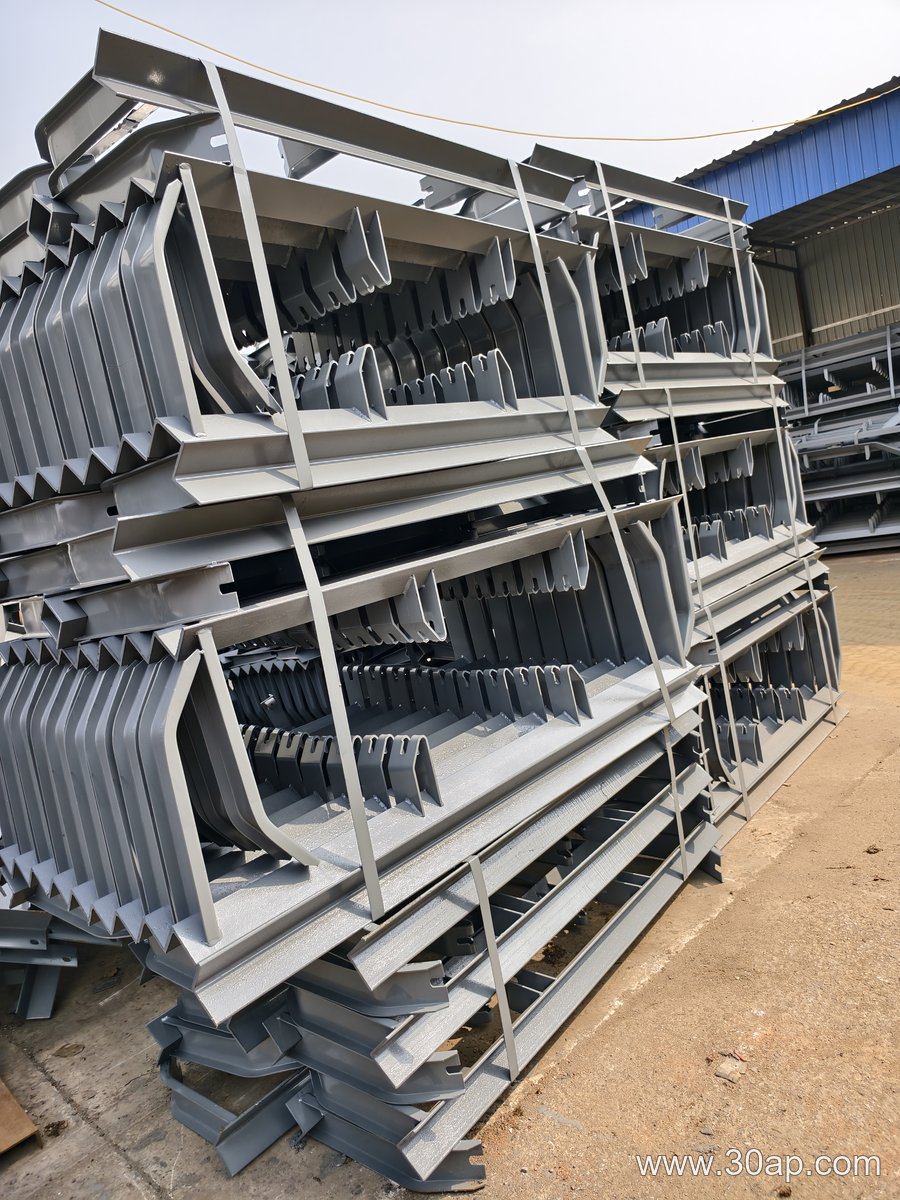
Finally, request deflection data at rated load. A bracket that flexes even 2 mm can cause roller chatter and premature bearing failure. Remember: the cheapest bracket is the one you install once.
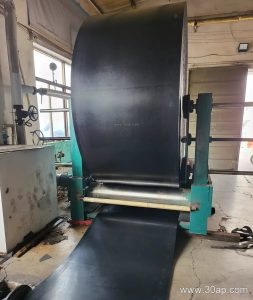
Why the Conveyor Belt Remains the Backbone of Material Handling
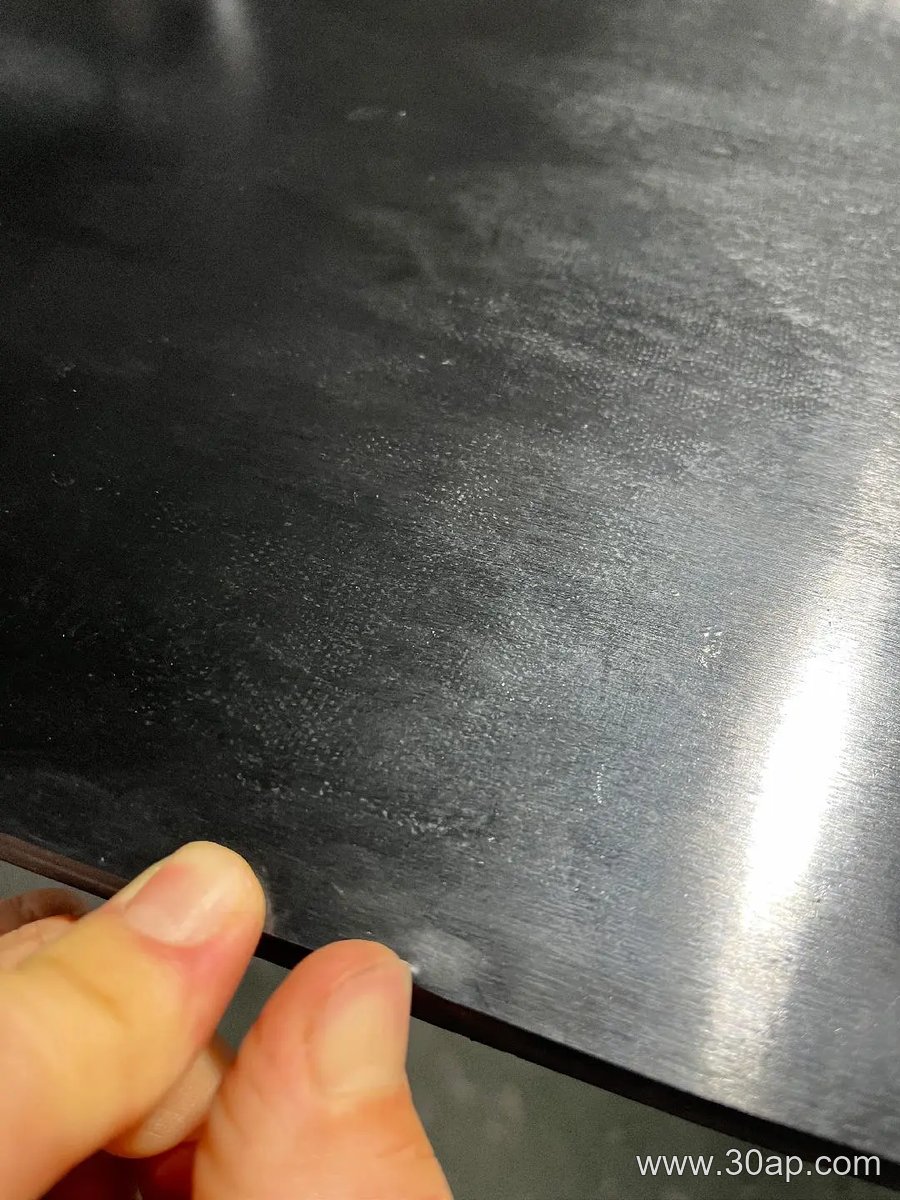
The conveyor belt is the most cost-effective and reliable method for moving bulk or unit loads across fixed distances. Its selection directly impacts uptime, energy consumption, and product safety.
Key Selection Criteria
- Material compatibility: Match the belt cover (rubber, PVC, PU) to the product’s temperature, oil resistance, and abrasiveness.
- Tensile strength: Calculate the working tension (kN/m) based on load weight, belt speed, and troughing angle.
- Environment: For outdoor or dusty sites, choose covers with UV and ozone protection; for food plants, use FDA-grade, easy-clean designs.
Purchasing Advice
Always specify belt thickness, carcass layers, and splice method (mechanical vs. vulcanized) with your supplier. Request a trial length for custom compounds. Verify that the belt’s minimum pulley diameter matches your existing frame to avoid premature fatigue.
Finally, consider total lifecycle cost—not just the initial price. A slightly heavier belt with superior edge wear often saves more over five years than a cheaper alternative that requires frequent tracking adjustments.