What a Labyrinth-Sealed Idler Does on a Conveyor
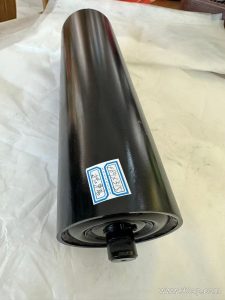
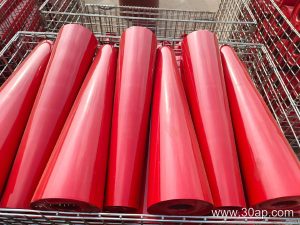
In a quarry, coal preparation plant, or cement kiln feed line, the idler roller is often the hardest-working component that nobody notices until it stops turning. A labyrinth-sealed idler is a carrying or return roller built with a non-contact sealing path that keeps fine dust, grit, and water spray away from the bearing cavity. Unlike a simple contact lip seal, the labyrinth seal uses a series of interlocking grooves and clearances, so the roller turns freely while contaminants have to travel a long, winding route before they reach the bearing.
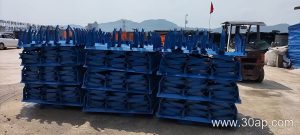
The product is still a conveyor idler in form and function. It mounts on the same conveyor bracket, supports the same conveyor belt, and follows the same basic installation rules as other rollers. The difference is the sealing arrangement inside the end cap, which is why this design is often chosen where airborne dust is constant and washdown or rain is part of daily operation.
How the Sealing Path Is Built
A typical labyrinth-sealed idler uses a steel or nylon end cap with several concentric rings. The rotating and stationary parts do not rub against each other, so there is no seal lip to wear out quickly. Grease stays in the bearing housing, and the narrow gaps slow down the entry of particles. Some versions add a felt or rubber dust lip outside the labyrinth for extra protection, but the main barrier remains the labyrinth itself.
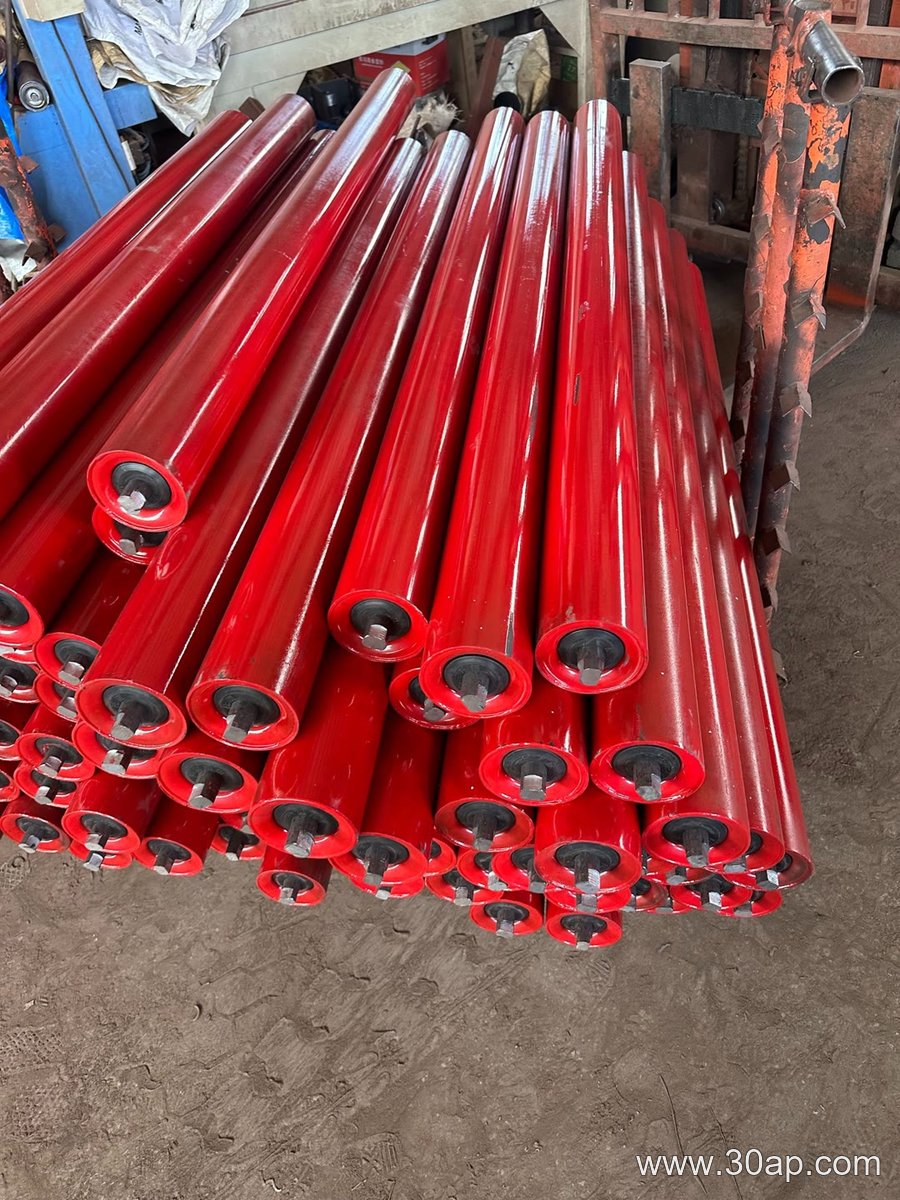
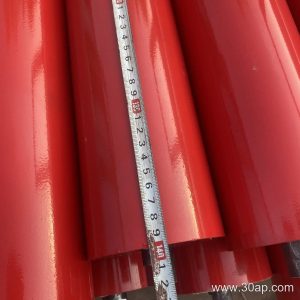
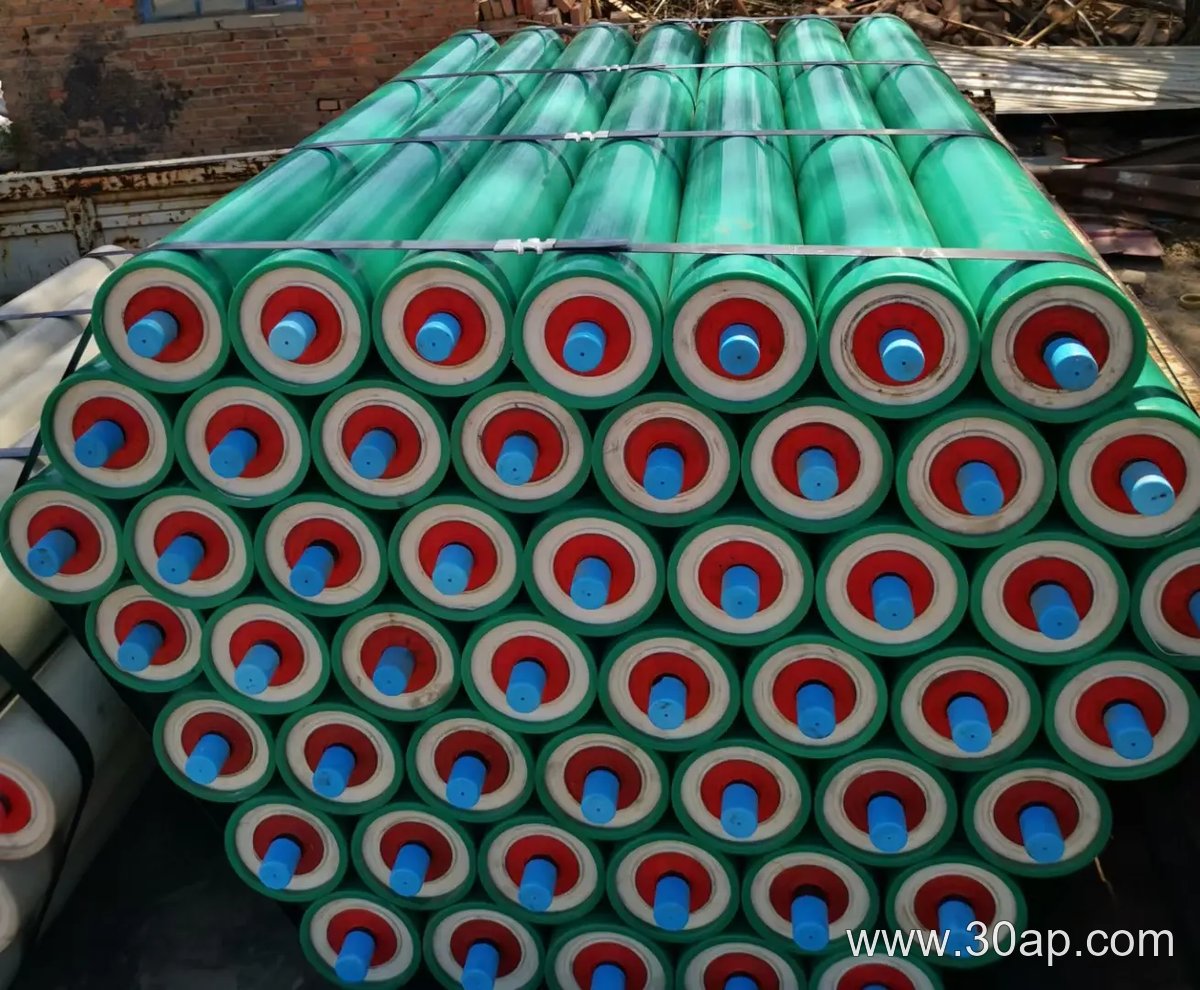
The roller body can be made from steel tube, nylon, or rubber-covered pipe depending on the application. Bearing sizes are matched to the load and speed, with common examples including 6204, 6205, 6305, 6306, 6308, and 6310. A larger roller diameter does not automatically require one specific bearing, and a given belt width does not dictate one shaft diameter. Those choices come from the conveyor design, load, and duty cycle.
Where This Idler Fits in the Conveyor Line
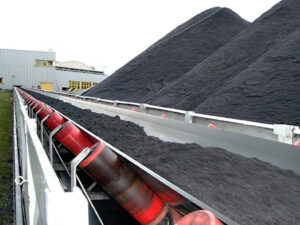
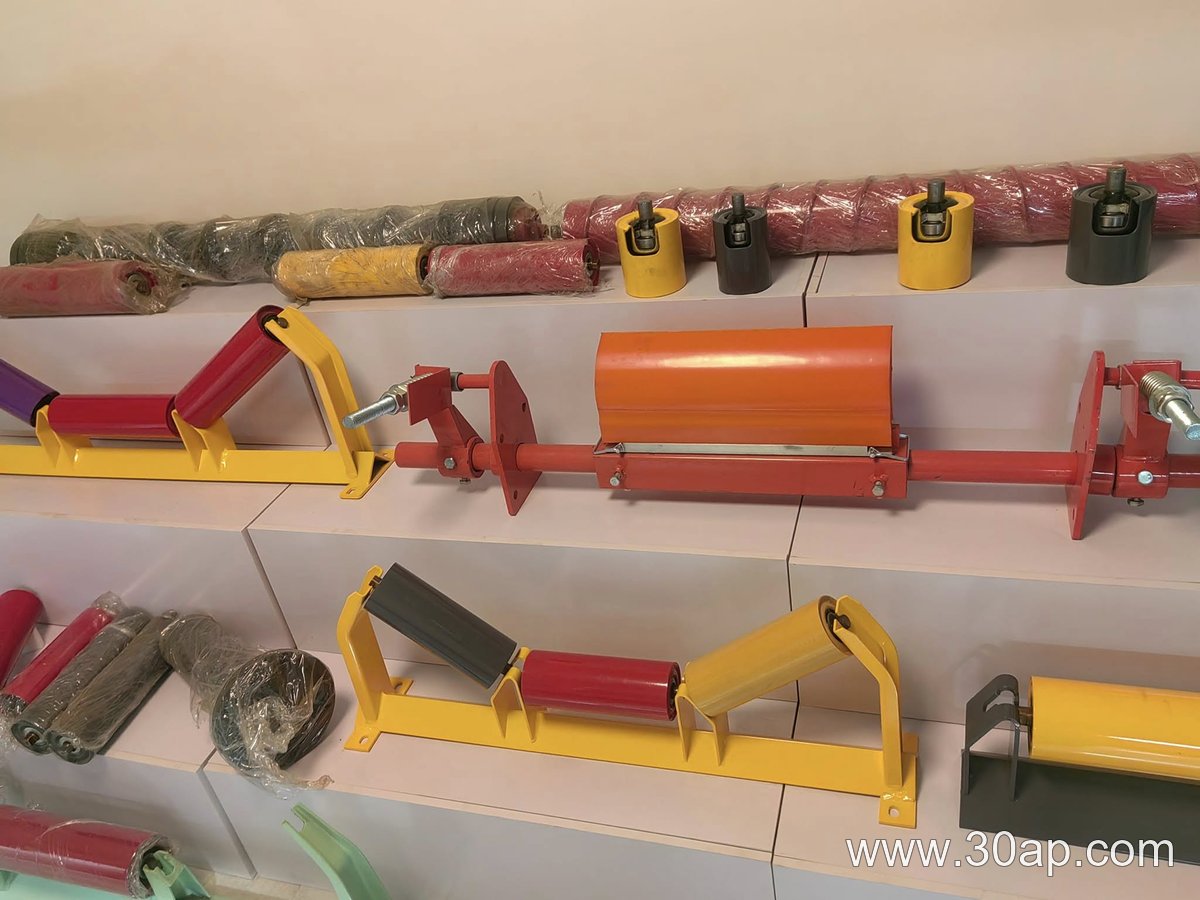
Labyrinth-sealed rollers are used in troughing sets, return sets, and transition zones. A three-roll troughing set on a B1000 belt might use a center roll around 380 mm long, with side rolls at a different length and angle. The trough angle is often 20, 30, 35, or 45 degrees, and the sealing design does not change that geometry. What changes is how long the roller survives when the material is abrasive or the environment is wet.
- Mining and quarrying: iron ore, copper ore, limestone, and sand and gravel lines where dust is heavy.
- Coal handling: wash plants and power station coal yards where fine coal and moisture combine.
- Cement and concrete: clinker, limestone, and aggregate transfer points with constant airborne powder.
- Ports and bulk terminals: outdoor conveyors exposed to rain, salt air, and material spillage.
In these settings, a standard idler may still turn, but the bearing grease can become contaminated and the roller may seize earlier. The labyrinth-sealed version is a practical upgrade when maintenance access is difficult or when a stopped roller risks belt damage.
Common Sizes and Configuration Examples
The table below shows common reference values for roller diameter, belt width, and trough angle. These are examples, not universal rules. The actual roller length depends on the belt width, trough angle, and whether the set is two-roll or three-roll. Side rolls and center rolls can differ in length.
| Roller Diameter (mm) | Belt Width | Common Trough Angle | Typical Bearing Example |
|---|---|---|---|
| Ø89 | B500, B650 | 20°, 30° | 6204, 6205 |
| Ø108 | B650, B800 | 30°, 35° | 6205, 6305 |
| Ø133 | B1000, B1200 | 30°, 35°, 45° | 6305, 6306 |
| Ø159 | B1200, B1400 | 35°, 45° | 6306, 6308 |
| Ø178 | B1600, B1800 | 35°, 45° | 6308, 6310 |
| Ø194 | B1800, B2000 | 35°, 45° | 6310 |
For a three-roll troughing set, common center roll lengths include about 200 mm for B500, 250 mm for B650, 315 mm for B800, 380 mm for B1000, 465 mm for B1200, 530 mm for B1400, 600 mm for B1600, 670 mm for B1800, and 750 mm for B2000. These figures are only a starting point for selection and should be confirmed against the conveyor drawing.
Buyer Checklist for Labyrinth-Sealed Rollers
Before ordering, confirm the roller diameter, belt width, trough angle, and mounting bracket type. Check whether the roller is for the carrying side, return side, or a transition zone. Ask about the seal material and whether the labyrinth is combined with a felt or rubber dust lip. For wet or washdown conditions, confirm that the bearing grease and end cap materials suit the environment.
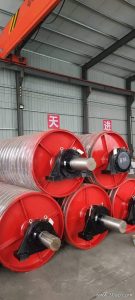
Do not assume that a wider belt automatically means a larger shaft or a specific bearing. The drive pulley, tail pulley, and bend pulley are separate components with their own selection rules, and they are not interchangeable with an idler roller. A reliable supplier will ask for the conveyor duty and the material being handled rather than offer one fixed size for every line.
Used correctly, a labyrinth-sealed idler helps keep a conveyor belt running in dusty, wet, and abrasive service. It is not a substitute for proper belt alignment, adequate maintenance, or correct pulley design, but it is a sensible choice when bearing contamination is the main cause of roller failure.