What a Stone Conveyor Pulley Does
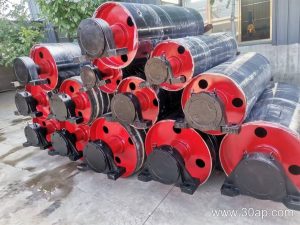
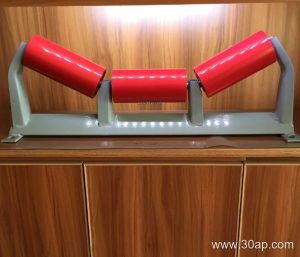
A stone conveyor pulley is the rotating drum that drives, tensions, or redirects the belt on a heavy-duty conveyor handling crushed rock, aggregate, or ore. In a quarry or crushing circuit, the pulley is the point where belt tension and motor torque meet, so its construction and surface treatment decide how well the conveyor copes with abrasive, heavy loads. The pulley works together with the conveyor belt, conveyor idler rollers, and conveyor brackets to keep the line tracking and turning.
Unlike a standard conveyor pulley, the stone conveyor pulley is built for grit, impact, and moisture. Dust from crushing and screening penetrates seals, and wet stone increases belt slip. A well-built pulley keeps the belt centered and transfers power without wearing the belt cover prematurely.
Construction and Surface Options
The core is usually a welded steel shell with machined end discs and a through shaft. Shaft diameter is determined by torque and load, not by belt width alone, so a Ø120 shaft on a B1200 pulley is a design outcome rather than a rule. Common shaft sizes include Ø80, Ø100, Ø120, Ø140, and Ø160.
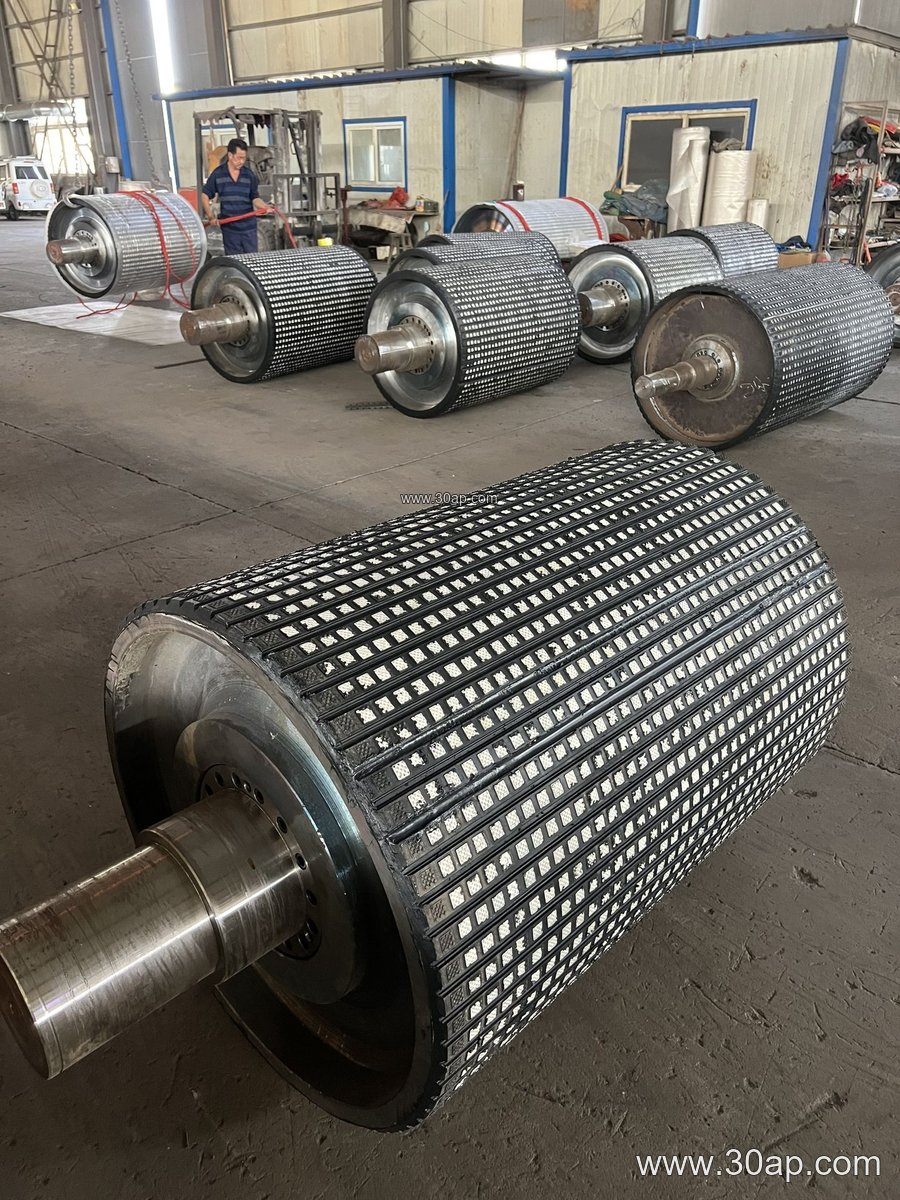
Surface treatment matters on stone conveyors. A plain face is fine for light tensioning duties, while lagged surfaces improve grip. Lagging types include cast rubber, cold-bonded rubber, hot-vulcanized rubber, diamond groove, herringbone, and ceramic lagging. Lagging thickness of 8 mm, 10 mm, 12 mm, 15 mm, or 20 mm is commonly selected according to duty.
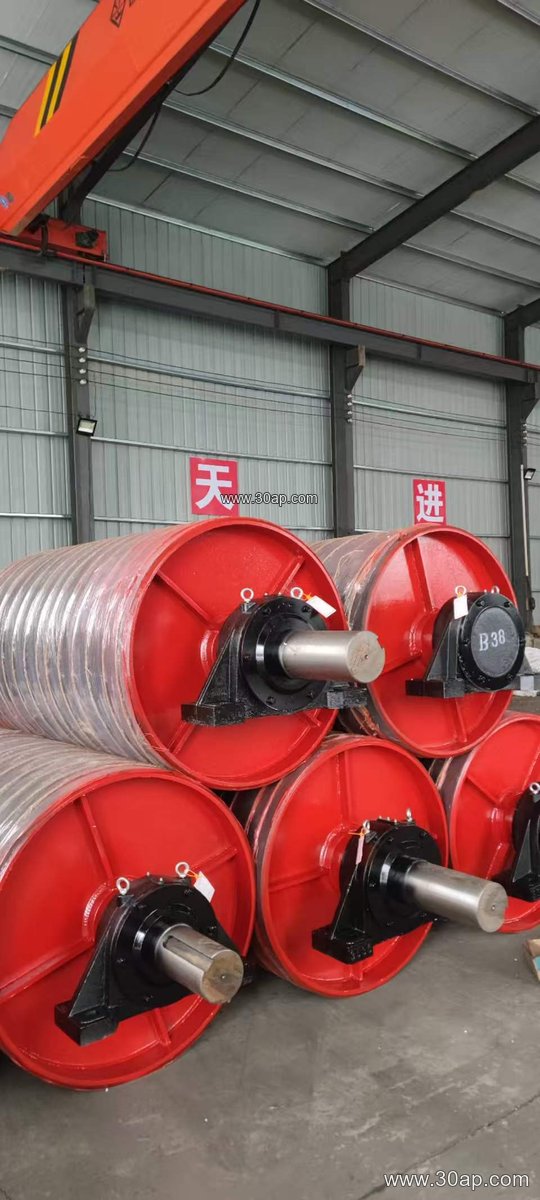
Shell face width is usually a little wider than the belt. Examples include B800 with about 950 mm face, B1000 with about 1150 mm, and B1200 with about 1400 mm. Diameter ranges such as Ø500, Ø630, Ø800, Ø1000, and Ø1250 are typical for stone conveyors, though the final choice depends on belt speed, wrap angle, and tension.
Applications Across Stone and Bulk Handling
In a quarry or aggregate plant, pulleys sit at the head of the primary crusher discharge and at the tail of the feed conveyor. A crushing and screening line may use a B650 x Ø400 tail pulley and a B1000 x Ø800 head pulley. In a cement plant, clinker and limestone conveyors rely on abrasion-resistant lagging. In a coal washing plant, flame retardant conveyor belts and anti-static belts pair with pulleys that resist dust buildup.
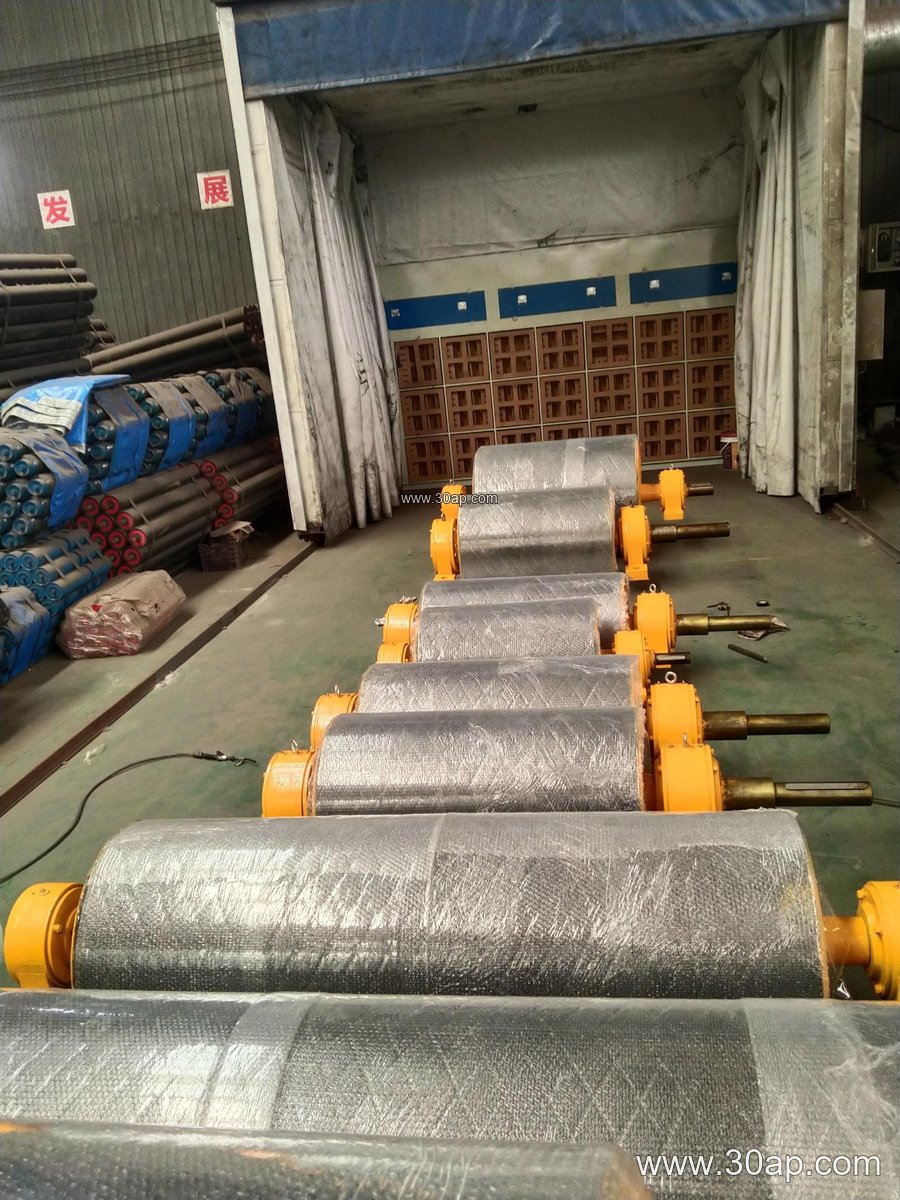
Other sites include iron ore and copper ore handling, power plant coal yards, and port bulk terminals. Heavy-duty mining conveyor belts and steel cord conveyor belts place higher tension on the drive pulley, so the shell, shaft, and lagging must be matched to that load.
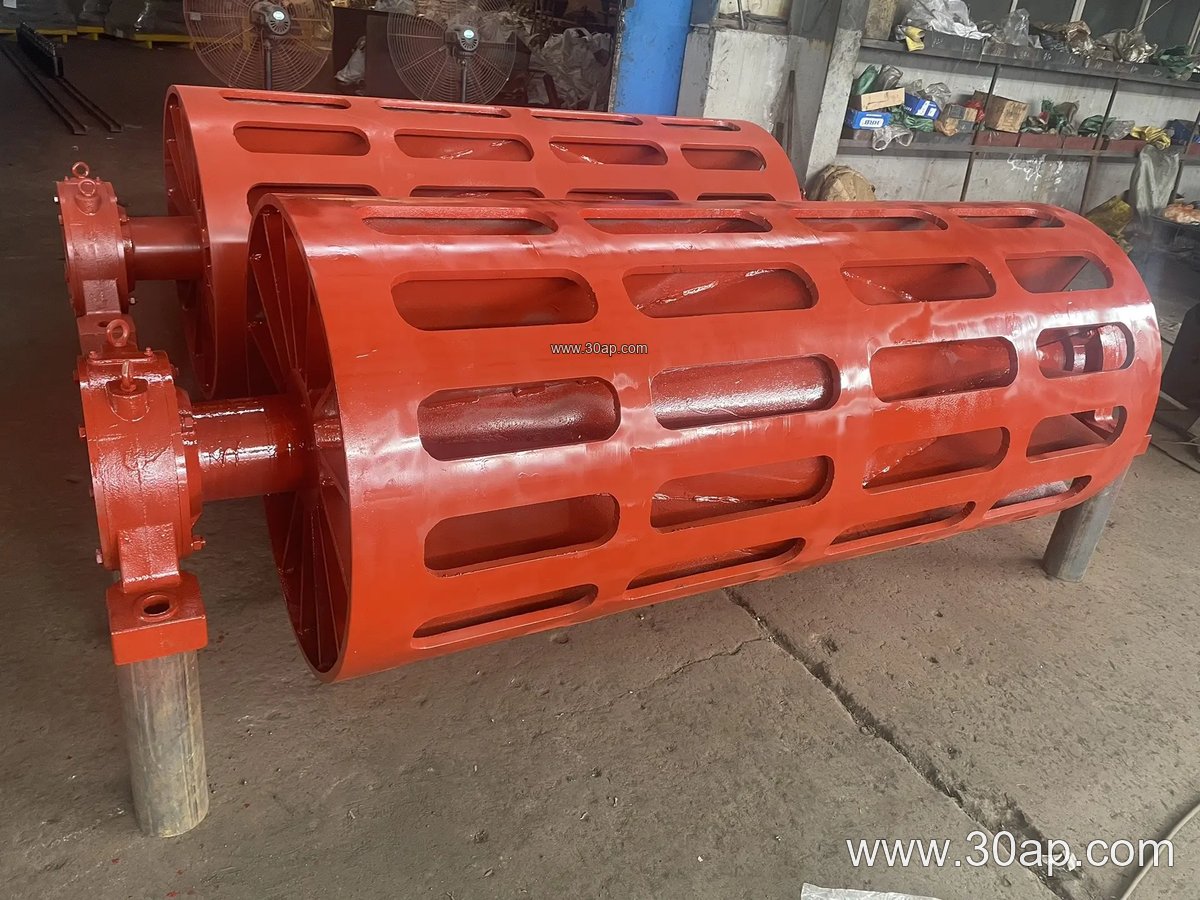
Drive, Tail, and Bend Pulley Positions
Position changes the job. A drive pulley, or head pulley, transmits power and needs good lagging grip. A tail pulley at the loading point guides the belt and may use a smaller diameter. A bend pulley redirects the belt and carries lower tension. These are not interchangeable: a bend pulley cannot replace a drive pulley, and a tail pulley is not a substitute for a tension pulley. Choosing the wrong position type leads to slip, tracking faults, and belt damage.
Matching the Pulley to the Belt and Line
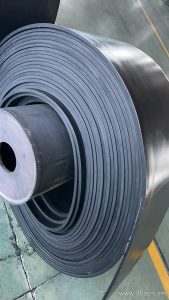
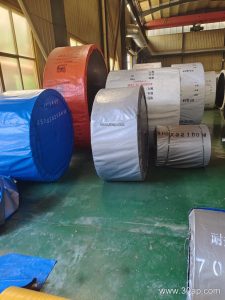
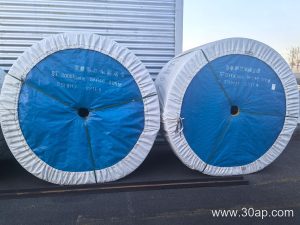
The pulley should suit the belt it carries. A thick, heavy-duty conveyor belt with high tension needs a larger diameter to limit bending stress. Abrasion resistant conveyor belts used on rock and ore lines benefit from ceramic or diamond lagging. Heat resistant conveyor belts in cement or sinter service need lagging that tolerates warm belt surfaces. Skirted or corrugated sidewall belts may need wider face clearance.
Buyers should confirm belt width, belt type, and expected tension before selecting a diameter. Common combinations include B800 x Ø500, B1200 x Ø1000, and B1400 x Ø800, but no single belt width locks the pulley to one diameter. Shaft size should come from the conveyor designer’s torque calculation.
Buyer Checklist
- Confirm the pulley position: drive, tail, bend, or tension.
- Match face width to belt width, with a small allowance.
- Select lagging by material: rubber for grip, ceramic for abrasion, plain for light duty.
- Verify shaft diameter against torque and bearing load.
- Check sealing for dust and water in quarry and wash plant conditions.
- Confirm balance and runout before installation.
Finally, keep spare pulleys for critical conveyors. A worn lagging surface or a failed bearing can stop a crushing line, and downtime in a quarry or cement plant is costly. Routine inspection of lagging wear, belt tracking, and bearing temperature extends pulley life and protects the conveyor belt.