What a Conveyor Idler Bracket Does on a Belt System
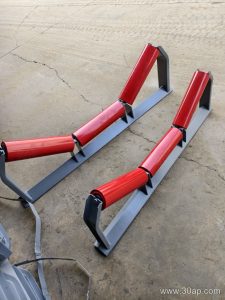
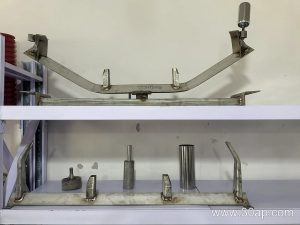
A conveyor idler bracket is the structural component that holds idler rollers in the correct position under or above the conveyor belt. It connects the roller frame to the main conveyor stringer or channel, keeping the belt supported, centered, and running smoothly. In a quarry, a coal handling plant, or a cement kiln line, these brackets are small parts that carry a large share of the load path. Without a properly mounted bracket, the idler roller cannot maintain its trough angle, and the belt may sag, drift, or wear unevenly.
Also called a conveyor bracket or idler frame support, the part is usually a welded or bolted assembly rather than a single piece. Its main job is to hold the idler shaft at the right height and angle so the belt profile stays consistent along the entire conveyor run.
How the Bracket Is Built
Most brackets are fabricated from angle steel, channel steel, or folded steel plate. The material choice depends on the load and the environment. In a port terminal or a power plant coal yard, standard carbon steel with a protective coating is often enough. In a washing plant or an underground mine, heavier sections and galvanized or painted finishes are common to resist moisture and dust.
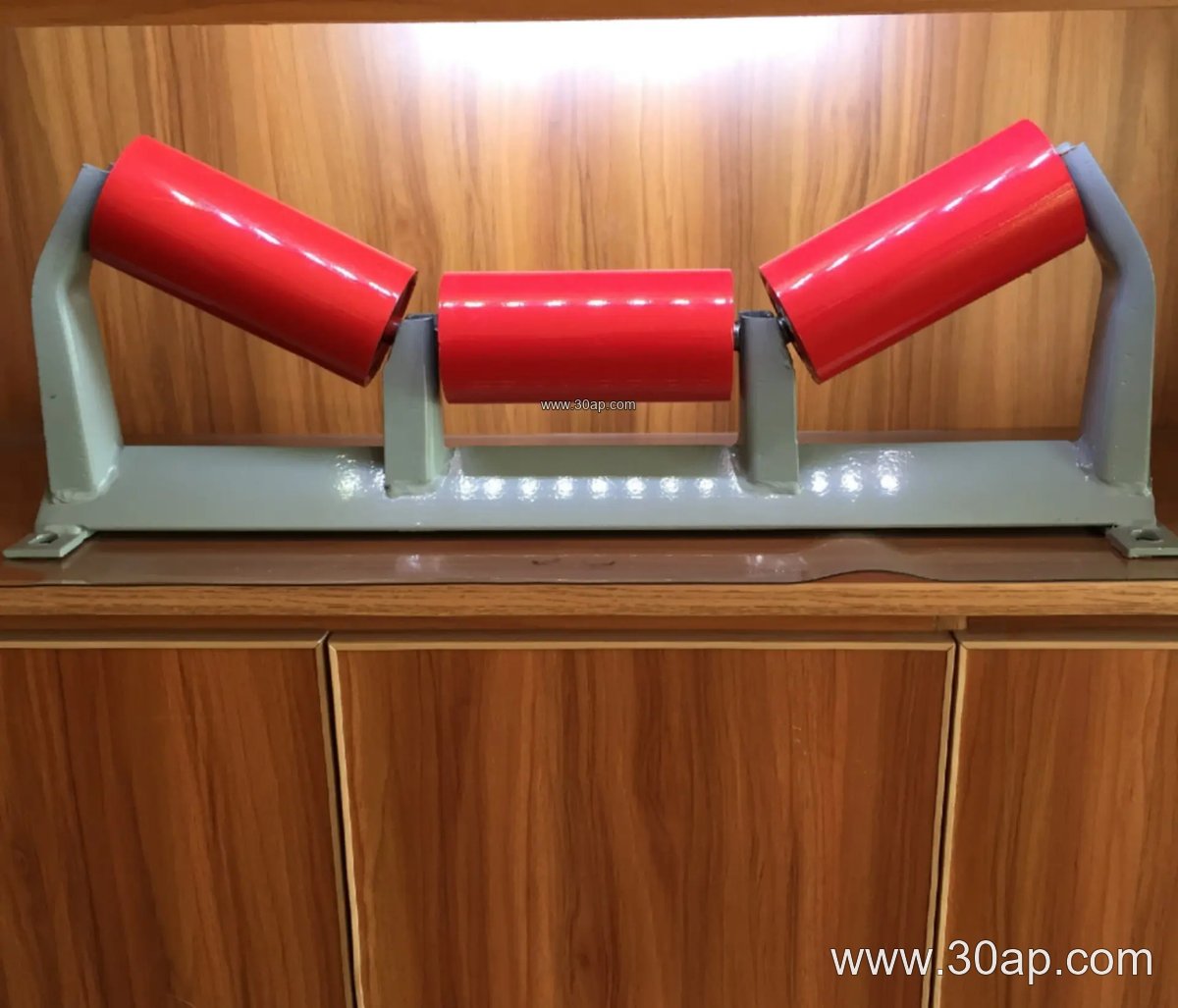
The bracket usually includes mounting slots or holes that let maintenance crews adjust the roller position. Some designs have a fixed trough angle, while adjustable brackets allow the operator to change the angle between commonly used settings such as 20, 30, 35, or 45 degrees. The forward tilt of a training idler bracket is typically around 1.5 to 2 degrees, which helps steer the belt back to center.
Common Bracket Types
- Troughing bracket for carrying idlers on the top run
- Transition bracket near the head or tail to ease the belt from flat to troughed
- Return bracket or V-return bracket for the bottom run
- Impact bracket under the loading point to absorb material shock
- Self-aligning bracket to correct belt tracking
- Adjustable bracket for changing trough angles
Where These Brackets Fit in the Line
Brackets appear along the full length of a conveyor. On the carrying side, troughing brackets support the loaded belt and set the trough profile. Near the transfer point, transition brackets gradually change the belt shape so the edge does not overstress. On the return side, return brackets and V-return brackets hold the empty belt and reduce sag.
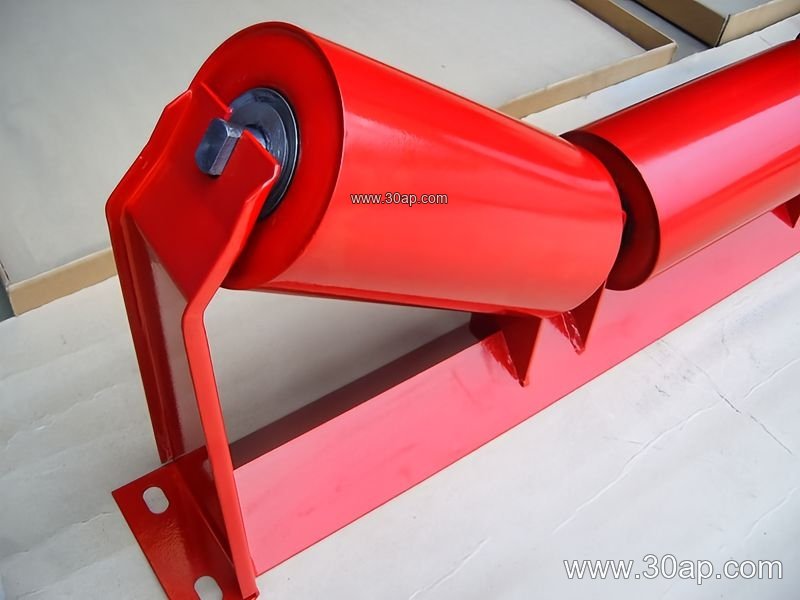
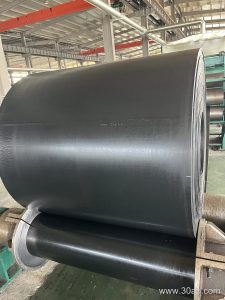
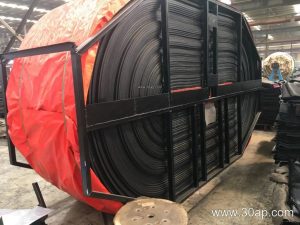
In a limestone mine or a sand and gravel line, impact brackets are often placed below the crusher discharge to protect the belt from falling rock. In a steel plant sintering line or a fertilizer warehouse, self-aligning brackets help keep the belt centered when material loading is uneven. The same bracket family also supports idlers under a rubber conveyor belt, an EP conveyor belt, or a steel cord conveyor belt, though the roller diameter and frame strength must match the belt tension and load.
Matching Bracket, Roller, and Belt Width
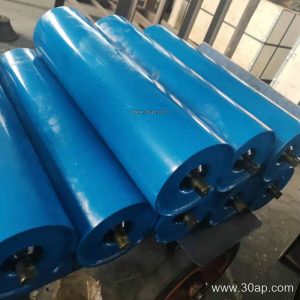
Buyers should treat belt width, trough angle, and roller diameter as a design set, not a fixed rule. A B800 belt may run at 35 degrees with Ø108 rollers on one conveyor and at a different angle or roller size on another, depending on capacity and material. The table below shows common reference combinations, not mandatory pairings.
Reference Data for Bracket Selection
| Belt Width | Common Trough Angle | Common Roller Diameter | Typical Bracket Use |
|---|---|---|---|
| B500 | 20–30 degrees | Ø89 | Light aggregate or sand line |
| B650 | 30 degrees | Ø89–Ø108 | Small quarry or mixing plant |
| B800 | 35 degrees | Ø108 | General bulk material handling |
| B1000 | 35–45 degrees | Ø108–Ø133 | Cement plant or coal yard |
| B1200 | 35–45 degrees | Ø133 | Iron ore or power plant conveyor |
| B1400 | 35–45 degrees | Ø133–Ø159 | Heavy-duty mining conveyor |
| B1600 | 35–45 degrees | Ø159 | Large port or steel plant line |
| B1800 | 35–45 degrees | Ø159–Ø194 | High capacity bulk terminal |
| B2000 | 35–45 degrees | Ø194 | Extra-wide heavy conveyor |
Mounting hole spacing and crossbeam length change with belt width and trough angle, so these should be confirmed from the conveyor drawing rather than assumed. A bracket that fits one frame may not fit another even when the belt width is the same.
What Buyers Should Check Before Ordering
First, confirm the bracket type and mounting position: carrying side, return side, transition, impact, or self-aligning. Second, check the roller diameter and shaft end size, because the bracket slot must accept the idler shaft without play. Third, verify the trough angle and whether the bracket is fixed or adjustable. Fourth, review the material and finish for the site conditions, especially in a wash plant, a tunnel outfall, or a coastal port where corrosion is a concern.
It also helps to review the belt specification together with the bracket. A heavy-duty mining conveyor belt or a heat resistant conveyor belt may need a stiffer frame and closer idler spacing than a light food grade conveyor belt. The bracket itself does not carry the belt tension, but it must keep every idler roller aligned so the belt and pulley system run true.
Finally, ask for dimensional drawings and confirm that spare brackets match the existing stringer holes. Small differences in hole pitch can slow down maintenance and force re-drilling on site.