What the ST1600 Conveyor Belt Is
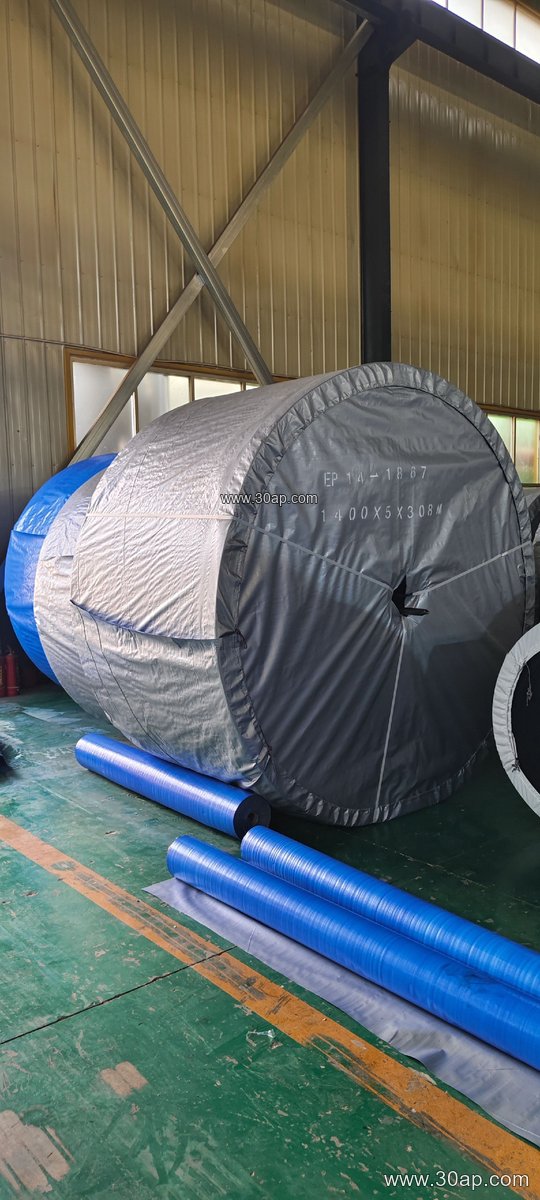
The ST1600 Conveyor Belt is a steel cord conveyor belt with a nominal tensile strength of 1600 N/mm. It belongs to the ST series, where ST1000, ST1250, ST1600, ST2000, ST2500 and ST3150 are common strength grades. As a Steel Cord Conveyor Belt, it uses parallel steel cords as the tension-bearing skeleton instead of fabric plies. This construction gives the belt high strength, low elongation and good troughability, making it suitable for long-distance and high-capacity conveying in industries such as mining, coal, cement, power plants, ports and aggregate plants.
The ST1600 designation refers to the belt’s rated strength, not to its width or cover thickness. A buyer will meet ST1600 belts in different widths and cover combinations depending on the conveyor design.
Construction and Key Components
A typical ST1600 belt consists of three main parts:
- Steel cord carcass: high-carbon steel cords arranged in parallel, bonded with core rubber. The cord pitch and diameter are set by the manufacturer according to the strength class.
- Cover rubber: top and bottom covers protect the carcass from abrasion, impact, heat, oil or chemicals. Common cover grades include abrasion resistant, heat resistant, oil resistant, flame retardant and cold resistant compounds.
- Edge construction: the belt edges are sealed to prevent cord exposure and moisture ingress.
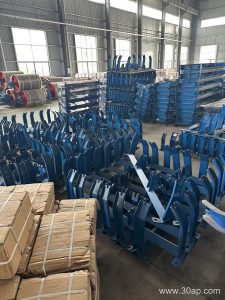
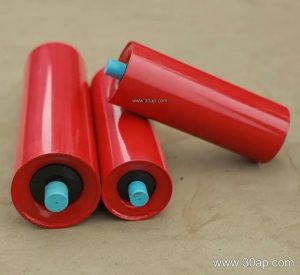
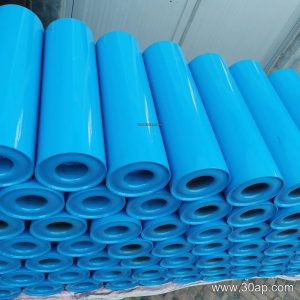
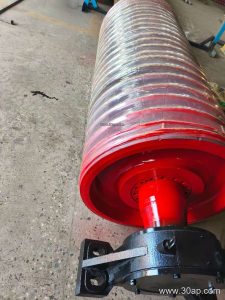
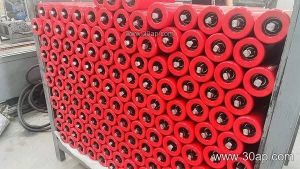
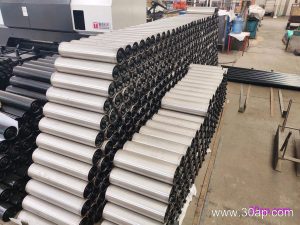
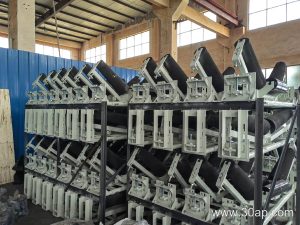
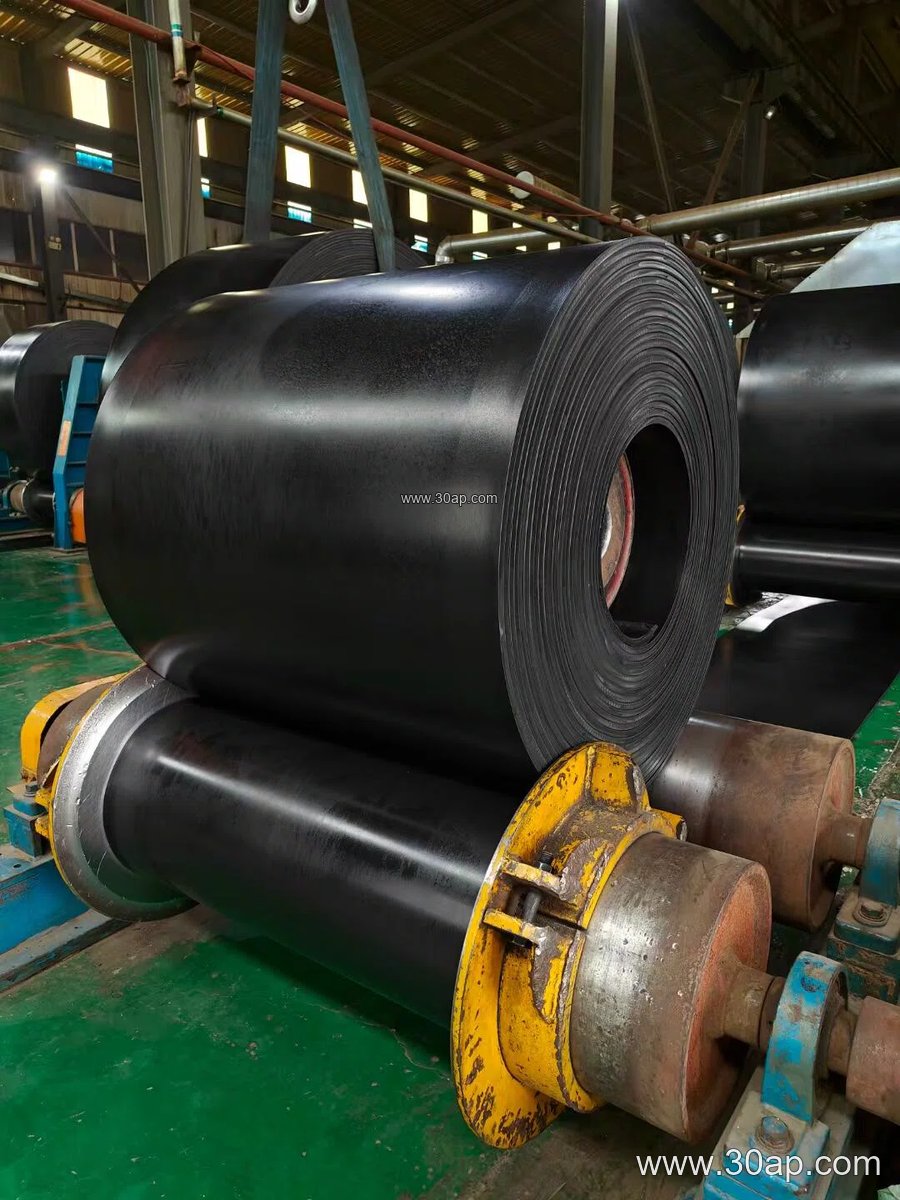
Because the carcass is steel cord, the belt has very low stretch compared with fabric belts. This reduces take-up travel and helps maintain stable tension on long conveyors. The belt still needs proper support from idler rollers, conveyor pulleys and conveyor brackets along the line.
Where ST1600 Belts Are Used
The ST1600 grade fits applications that need more than EP or NN fabric belts can offer but do not require the highest ST classes. Typical fields include:
- Mining and quarrying: ore, rock and overburden transport on main haulage conveyors.
- Coal mining and underground coal mining: flame retardant and anti-static versions are often specified for underground use.
- Cement plants: limestone, clinker and raw meal conveying.
- Power plants: coal handling and ash transport lines.
- Ports and ship loading: bulk material conveyor systems with high lift or long runs.
- Aggregate and sand making plants: crusher discharge and stockyard conveyors.
For abrasive materials such as iron ore or copper ore, a high abrasion resistant cover is common. For hot clinker or sinter, a heat resistant belt grade may be needed. In underground coal mining, flame retardant and anti-static properties are usually required by site rules.
Specifications and Options
ST1600 belts are made to order. The table below shows common reference ranges, not fixed supply promises:
| Parameter | Common reference |
|---|---|
| Strength grade | ST1600 (1600 N/mm) |
| Belt width | B650, B800, B1000, B1200, B1400, B1600, B1800, B2000 |
| Cover thickness | 4+2 mm, 5+2 mm, 6+2 mm, 8+3 mm |
| Cover type | Abrasion resistant, heat resistant, oil resistant, flame retardant, cold resistant, anti-static |
| Edge type | Cut edge or molded edge |
Other options include chevron or corrugated sidewall designs for inclined conveying, and endless belts made to a specific center distance. These variations change the belt’s profile but keep the ST1600 carcass as the strength base.
Selection and Use Notes
When choosing an ST1600 belt, consider the maximum working tension, pulley diameters, trough angle, material size and drop height. Steel cord belts generally require larger pulley diameters than fabric belts of similar width, and the pulley diameter should be confirmed with the belt manufacturer. Do not assume a fixed shaft diameter from belt width alone.
Impact at loading points should be controlled with impact idlers or cushion rollers. Belt tracking depends on proper alignment of pulleys, idlers and conveyor brackets. For long conveyors, a steel cord belt such as the ST1600 helps limit elongation, but correct splice work is critical to avoid weak points.
Maintenance checks usually include cover wear, edge damage, cord exposure and splice condition. In dusty or wet conditions, cleaning and inspection of idler rollers and pulleys help prevent tracking problems and extend belt life.
For project planning, share the conveyor layout, capacity, material properties and required cover grade with the belt supplier. The final ST1600 specification should be confirmed against the actual duty, not selected from a single reference table. Related components such as conveyor pulleys, idler rollers and conveyor brackets should be reviewed together with the belt to ensure the whole system matches the ST1600 belt’s strength and stiffness.