What a Belt Conveyor Bend Pulley Does
A belt conveyor bend pulley is a direction-changing idler drum that guides the conveyor belt along a different path without driving it or providing the main take-up travel. It is often grouped with snub and take-up pulleys, but the bend pulley has its own job: it redirects the belt so the return strand can clear structures, reach a tensioning device, or wrap more belt around the drive pulley for better grip. In a cement plant clinker line or a quarry conveyor, this small change of belt direction can decide how compact the whole transfer station becomes.
It is not a drive pulley and not a tail pulley. Those components transmit torque or set the belt’s loading point, so they cannot be swapped for a bend pulley. A drive pulley may have a thick rubber lagging for traction, while a bend pulley usually carries less load and turns freely on its bearings. Confusing the two leads to poor tracking, belt slip, or premature bearing failure.
Construction and Surface Options
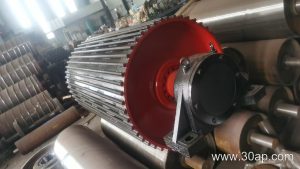
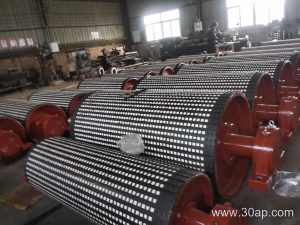
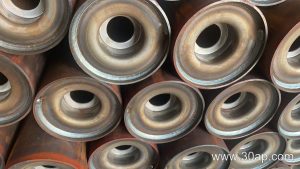
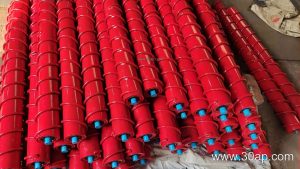
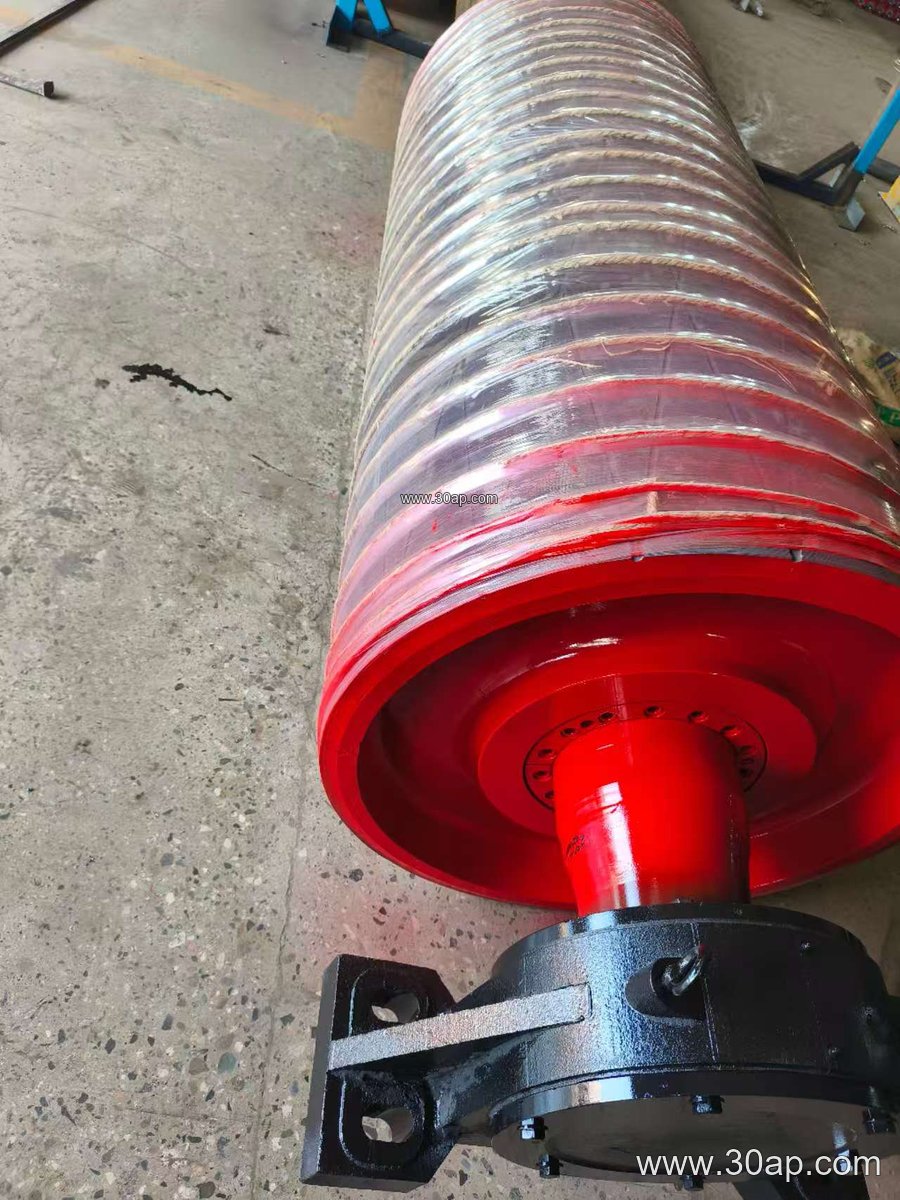
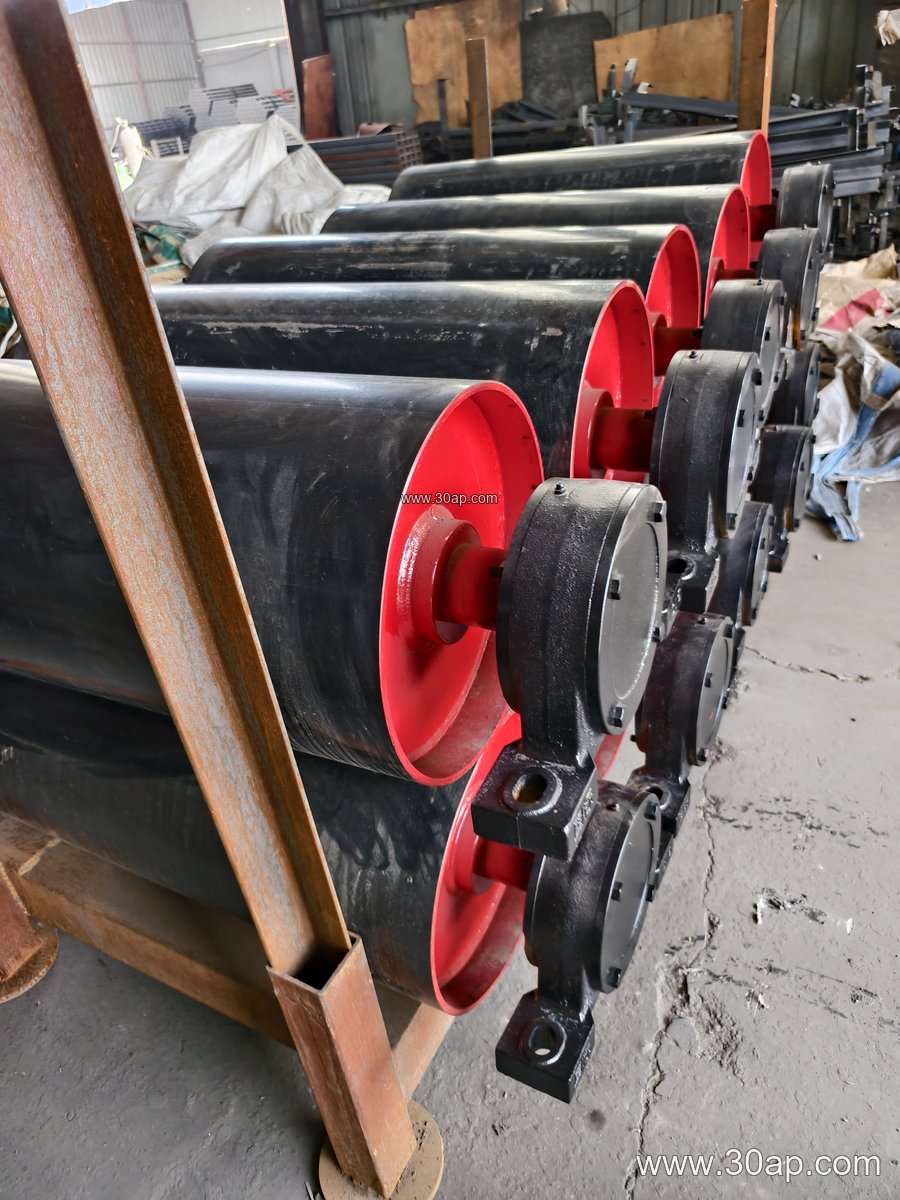
The bend pulley is built around a steel drum shell, welded to end discs and a shaft, then machined to run true. Bearings sit in housings on both sides, and the assembly is fixed to the conveyor bracket or frame. Common shell diameters range from Ø200 mm to Ø800 mm for this duty, though larger drums appear on high-tension installations. Face width normally exceeds belt width so the belt is fully supported.
- Plain finish for light, clean duties
- Cold-bonded or hot-vulcanized rubber lagging for grip and wear protection
- Diamond or herringbone grooving for water shedding and tracking
- Ceramic lagging for abrasive, wet conditions in ore and aggregate handling
Lagging thickness is commonly 8 mm to 20 mm, selected by contact pressure and environment. On a 1200mm wide conveyor carrying abrasive rock, a diamond rubber surface helps shed fines and reduce belt slip on the bend.
Matching the Pulley to the Belt Width
Buyers often ask which drum diameter fits a given belt width. There is no single answer. Diameter depends on belt tension, belt construction, shaft load, and the minimum bend radius the belt can tolerate. A steel cord belt and a multi-ply fabric belt behave differently, so the same width may need different drum sizes. Typical face widths are greater than the belt width, for example about 1150 mm face for a B1000 belt and about 1400 mm for a B1200 belt.
| Belt width | Typical pulley face width | Common drum diameter range |
|---|---|---|
| B500 | about 600 mm | Ø250–Ø400 |
| B650 | about 750 mm | Ø315–Ø500 |
| B800 | about 950 mm | Ø400–Ø630 |
| B1000 | about 1150 mm | Ø500–Ø800 |
| B1200 | about 1400 mm | Ø630–Ø1000 |
Shaft diameter is fixed by torque and bearing load, not by belt width alone. Common shaft sizes run from Ø50 mm to Ø200 mm on heavy conveyors. A B1200 x Ø1000 bend pulley may use a large shaft in one plant and a smaller one in another if the tension differs.
Where It Fits in the Conveyor Layout
Bend pulleys appear at the head end, near the take-up, and at transfer points where the belt must change direction. In an underground coal mining conveyor, a bend pulley may route the return belt around a curve to fit a narrow roadway. In a power plant coal handling system, one may be placed before a gravity take-up to increase belt wrap. On a port ship loader or a bulk material conveyor, the space-saving layout is often the reason for choosing a bend pulley over a longer straight run.
The pulley must work with the conveyor belt, idler roller sets, and conveyor bracket to keep the belt centered. Poor alignment at the bend is a common cause of edge wear, especially with a thick heavy-duty mining conveyor belt or an abrasion resistant conveyor belt running at high speed.
Selection and Maintenance Notes
Check the belt type first. A heat resistant conveyor belt used in a cement kiln area may need a heat-tolerant lagging, while an oil resistant conveyor belt in a recycling line calls for rubber that resists swelling. For long overland runs, a steel cord conveyor belt may require a larger bend diameter to limit bending stress. For general aggregate duty, an EP conveyor belt or NN conveyor belt with a plain or diamond-lagged drum is often enough.
During selection, confirm the belt width, the belt tension at the bend, the shaft load, and the available space. Ask for the bearing type and lubrication method. During service, inspect lagging wear, check that the drum turns freely, and verify that the belt does not mistrack after the pulley. A bend pulley is a low-cost part, but a seized bearing can stop a whole crushing and screening line.