What a Surface Belt Conveyor Idler Does
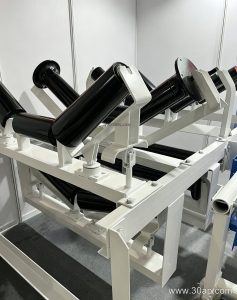
A surface belt conveyor idler is the rotating roller assembly that supports the conveyor belt on the carrying and return sides of an above-ground conveyor. In many plants the same component is simply called a surface conveyor roller or a troughing idler, depending on where it sits. Its job is straightforward but demanding: hold the belt in a stable profile, keep friction low, and protect both the belt and the frame from wear. On a surface installation, wind, rain, dust, and temperature swings add to the load, so sealing quality and coating choice matter as much as raw strength.
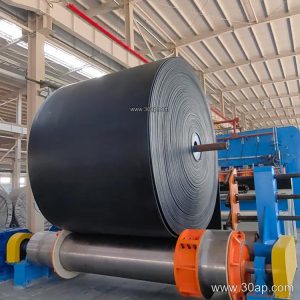
The idler is not a drive component. Drive pulleys, tail pulleys, and bend pulleys transmit or redirect belt tension, while idlers only support the belt between those points. Keeping this distinction clear helps buyers avoid mixing roller orders with pulley orders.
How the Assembly Is Built
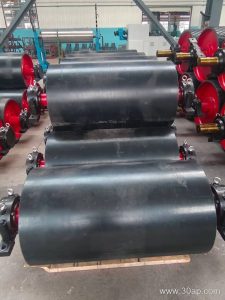
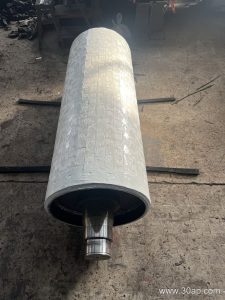
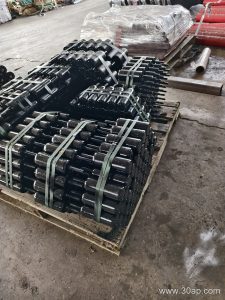
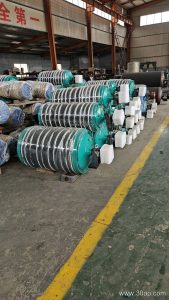
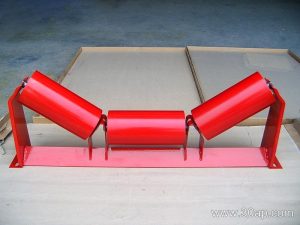
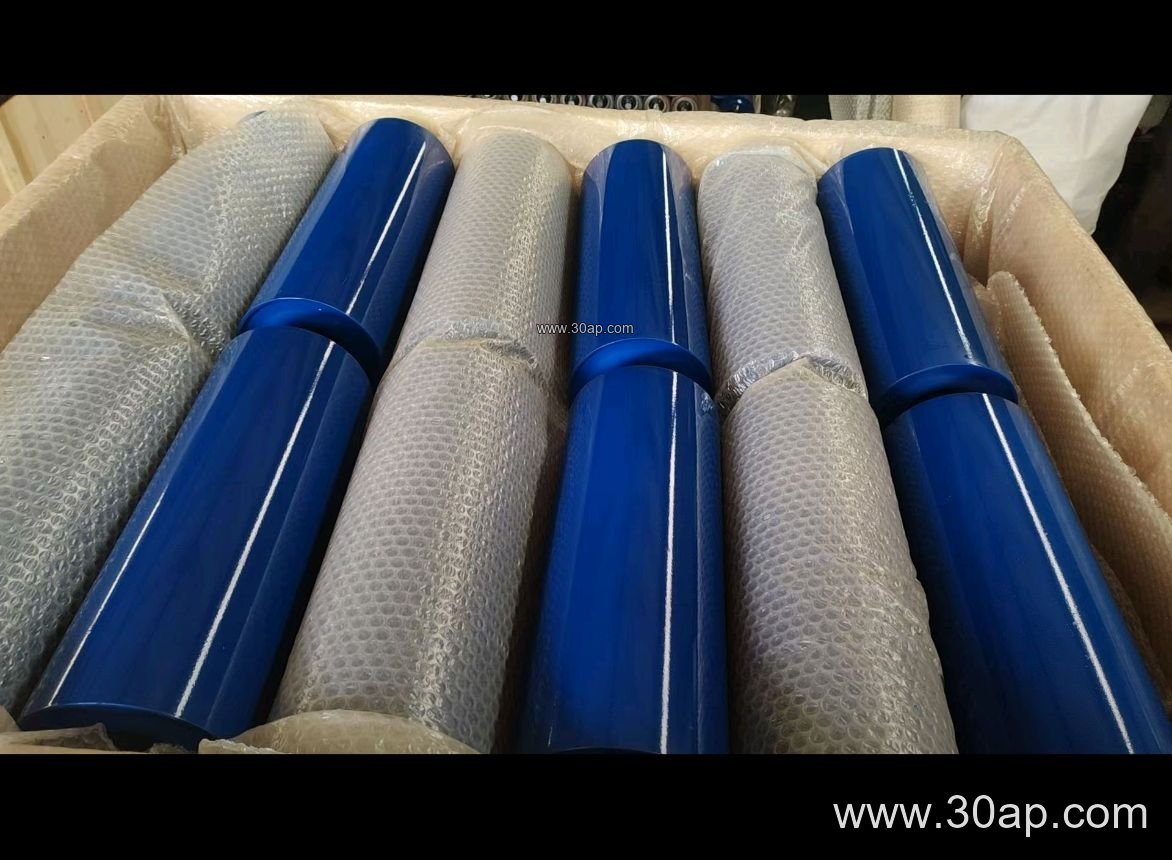
A typical unit combines a steel tube shell, a shaft, bearing housings, and a multi-stage seal. The shell may be plain steel, nylon-coated, ceramic-covered, or fitted with rubber rings for impact absorption. Bearings are commonly 6204, 6205, 6305, 6306, 6308, or 6310, selected according to load and shaft design rather than matched to one tube diameter. Roller length follows belt width, trough angle, and frame form; for a three-roll troughing set, common examples run from about 200 mm at B500 up to roughly 750 mm at B2000, with side rolls often shorter than the centre roll. These are reference values, not fixed pairings.
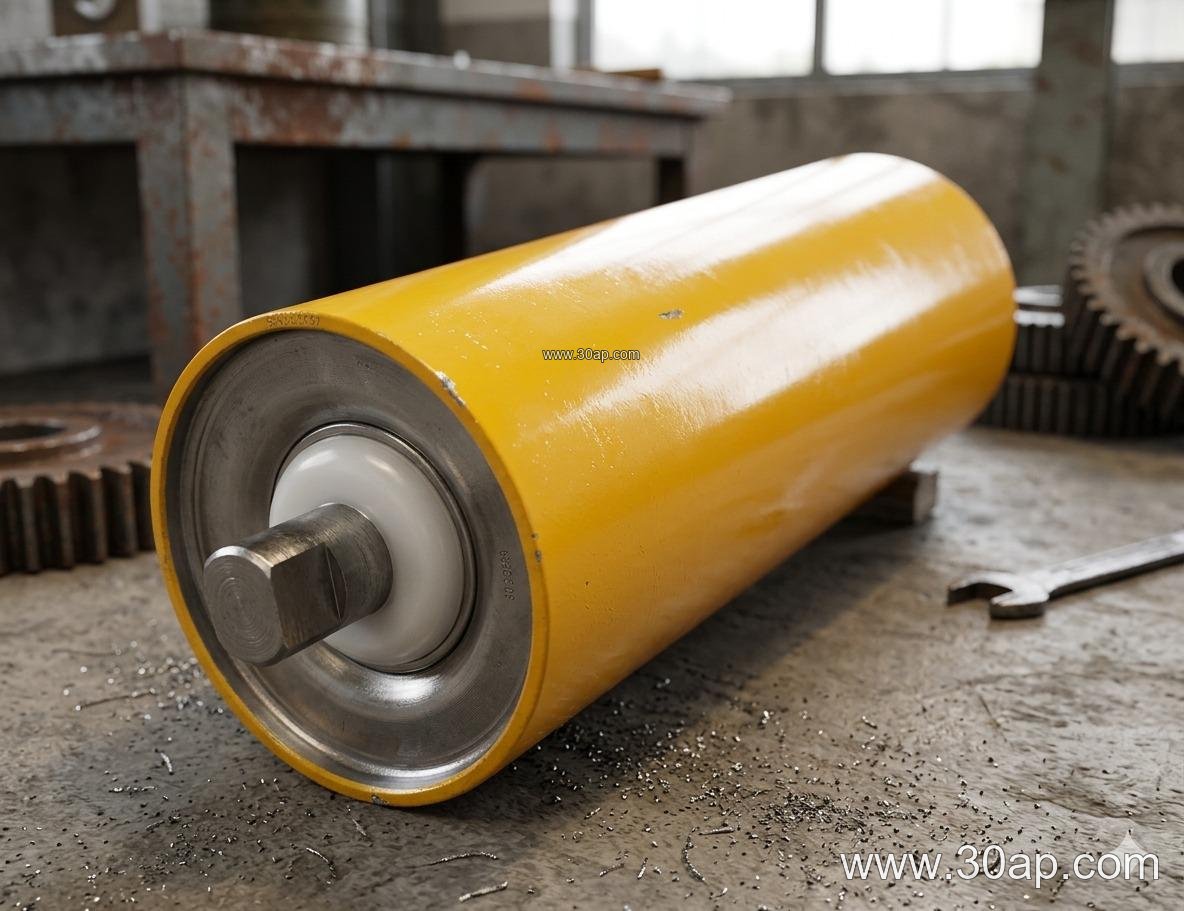
Common roll diameters include Ø63, Ø76, Ø89, Ø102, Ø108, Ø127, Ø133, Ø159, Ø178, Ø194, and Ø219. Trough angles of 20, 30, 35, and 45 degrees are widely used, and a forward tilt of about 1.5 to 2 degrees appears in self-aligning designs. A well-built idler keeps concentricity tight and labyrinth seals effective, because once fines enter the bearing, drag rises and the roller starts to skid instead of turn.
Where Surface Idlers Are Used
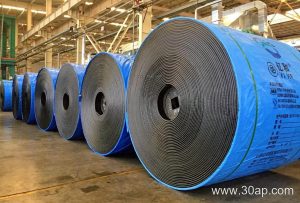
Aggregate and quarry lines rely on troughing idlers under crusher discharge and transfer points, often paired with abrasion resistant conveyor belt to handle sharp stone. In a coal-fired power plant, the coal handling gallery uses idlers that tolerate dust and occasional moisture. A cement plant applies them on clinker and raw meal routes, while a port or ship loading system needs long, stable runs where roller alignment affects belt tracking. In all these settings, the idler must suit the belt it carries, whether that is an EP conveyor belt, an NN conveyor belt, a steel cord conveyor belt, or a flame retardant conveyor belt for enclosed galleries.
Selecting the Right Variant
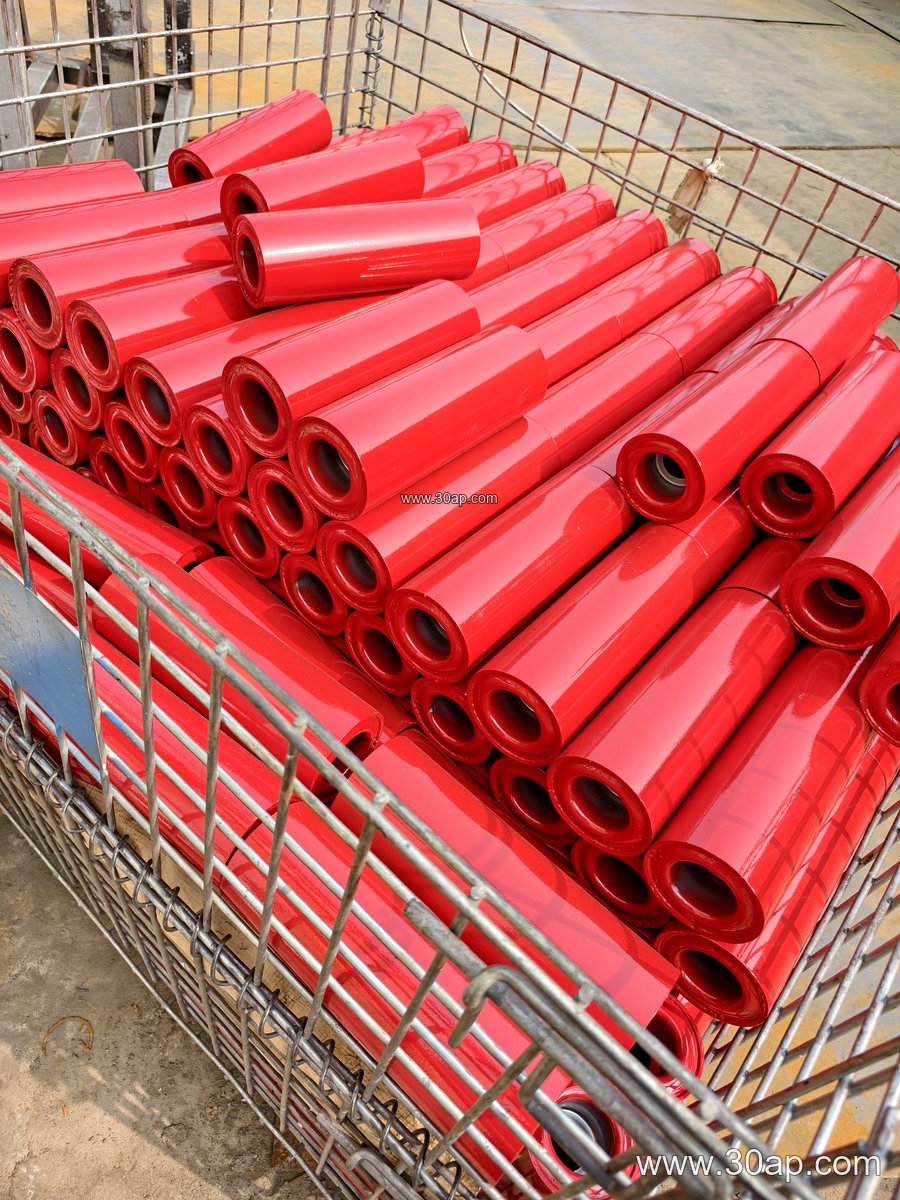
Different positions call for different forms. Carrying side: three-roll troughing sets, two-roll sets, or single-roll units. Return side: flat return idlers or V-return idlers. Impact zones: rubber-ring impact idlers. Self-aligning: friction or conical self-aligning idlers. Cleaning: spiral idlers. The table below groups common options for reference.
| Position or Function | Common Form | Typical Roll Diameter |
|---|---|---|
| Carrying side | Troughing idler, 2 or 3 roll | Ø89 to Ø159 |
| Return side | Flat or V-return idler | Ø89 to Ø133 |
| Loading point | Rubber-ring impact idler | Ø102 to Ø159 |
| Belt training | Friction or conical self-aligning idler | Ø89 to Ø133 |
| Transition zone | Transition idler | Ø89 to Ø127 |
Belt width and speed set the load per roll. A B800 line with a 30-degree trough behaves differently from a B1400 line at 45 degrees, and a heavy ore conveyor belt needs sturdier bearings than a light bulk material conveyor belt. Buyers should confirm shaft diameter from the frame drawing, not from belt width alone, and should check that the conveyor bracket matches the roller end type.
Buyer Checklist
- Confirm belt width, trough angle, and roll length before ordering.
- Match bearing class to load and duty cycle, not to a single tube size.
- Check seal design for dusty or wet surface conditions.
- For high-abrasion cargo, consider ceramic or nylon-covered shells.
- Verify that idler ends fit the existing conveyor bracket.
- Keep spares consistent so tracking stays even across the line.
Properly chosen surface idlers reduce belt edge wear, lower power draw, and extend the working life of the whole conveyor. Buyers who compare roller diameter, shell material, sealing, and mounting details together usually get a smoother running line than those who order by belt width alone.