What a Bend Pulley Does on a Conveyor
A belt conveyor bend pulley is a direction-changing roller that guides the conveyor belt through a turn without driving it. It is mounted where the belt path needs to change angle, most often near the tensioning device or along the return run. Unlike the drive pulley, which transmits torque, or the tail pulley, which redirects the belt at the loading end, the bend pulley works mainly as a routing and support component. Its job is to keep the belt tracking smoothly while preserving wrap angle on the drive pulley and helping to maintain adequate belt tension.
Because it does not carry the main drive load, the bend pulley is often smaller in diameter than the head pulley, but it must still be robust enough for continuous service. On a coal mining conveyor belt line or a cement plant clinker transport system, a poorly chosen bend pulley can cause belt wander, edge wear, and premature splice failure.
Construction and Surface Options
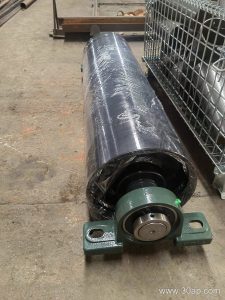
Most bend pulleys are built with a welded steel drum, a shaft, bearing housings, and a lagging surface. The shell is machined to keep concentricity, and the shaft is sized by torque and radial load rather than by belt width alone. Common shaft diameters include Ø80, Ø100, Ø120, and Ø140, though the final value is always determined by the conveyor designer.
The surface form matters for grip and belt protection. A plain face is suitable for many light-duty return positions. Rubber lagging, either cold-bonded or hot-vulcanized, improves friction and reduces slip. Diamond lagging helps shed water and fines on a quarry conveyor belt or aggregate conveyor belt line. Ceramic lagging is chosen where abrasion is severe. Lagging thickness is commonly 8, 10, 12, 15, or 20 mm, depending on duty.
Typical combinations include B800 × Ø500, B1200 × Ø1000, and B1400 × Ø800. These are reference pairings, not fixed rules. A wider belt can use different pulley diameters depending on tension and space.
Where It Fits in the Conveyor Layout
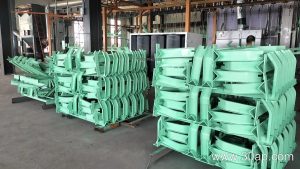
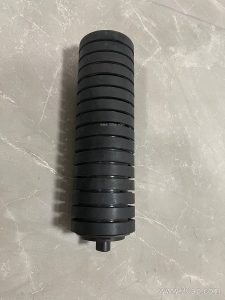
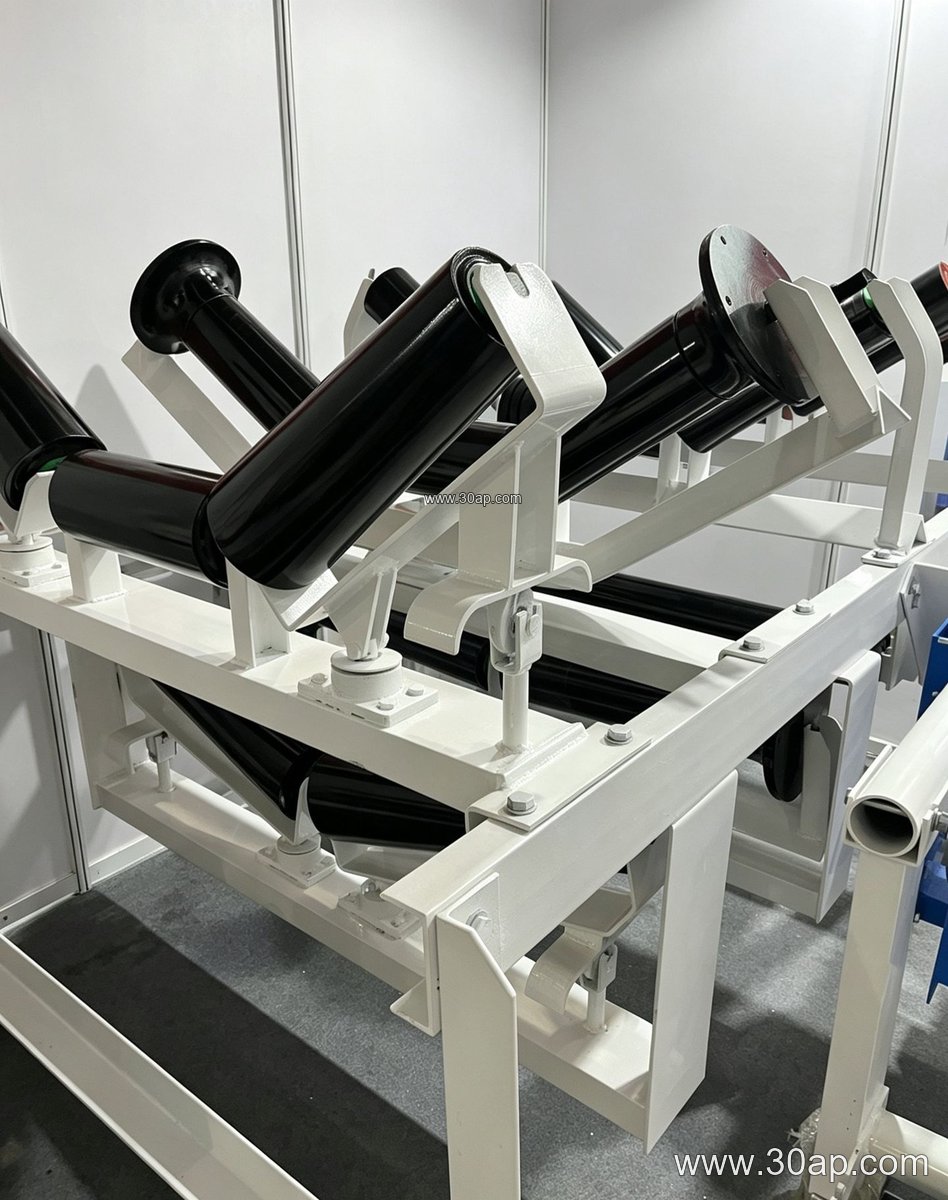
The bend pulley is often installed in the take-up zone, where it increases belt wrap around the tension pulley or helps route the belt back toward the tail. It may also appear at a transfer point in a power plant coal handling system, a port bulk terminal, or a steel plant sinter line. In these settings, the pulley works alongside conveyor idler rollers and conveyor brackets that support the belt along the run.

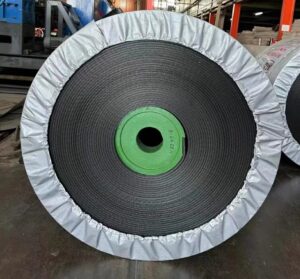
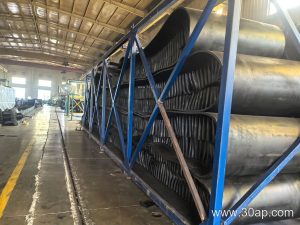
On a fabric core conveyor belt system, such as an EP conveyor belt or NN conveyor belt, the bend pulley should be aligned carefully so the belt does not train to one side. On a steel cord conveyor belt, larger pulley diameters are generally preferred to reduce bending stress. For a pipe conveyor belt or a corrugated sidewall conveyor belt, the bend pulley layout must respect the belt’s special profile and cannot be treated like a standard flat belt.
Buyer Checklist
- Confirm the belt width and the required pulley face width, which is usually wider than the belt.
- Check the belt type, since an abrasion resistant conveyor belt, heat resistant conveyor belt, or oil resistant conveyor belt may call for different lagging.
- Ask for the shaft diameter calculation basis, not just a nominal size.
- Review bearing type, sealing, and lubrication access for the site conditions.
- Match the pulley to the conveyor frame and bracket dimensions before ordering.
For a quarry conveyor belt, a heavy-duty mining conveyor belt, or a crusher conveyor belt, the bend pulley should be specified with the same care as the drive and tail pulleys. A flame retardant conveyor belt used underground may also require attention to static and fire safety in the pulley area. Buyers should request drawings, lagging details, and balancing information rather than relying on a single size chart.
Maintenance Notes
Inspect the bend pulley for lagging wear, build-up of sticky material, and bearing noise. Misalignment is a common cause of belt edge damage, especially on long overland lines. Keep the pulley clean and confirm that the conveyor belt runs centered. When replacing lagging, verify the surface form and thickness against the original specification. A bend pulley is a small part of the conveyor, but its condition affects the whole belt line, from the idler roller frame to the discharge point.