What a 600mm Conveyor Belt Is
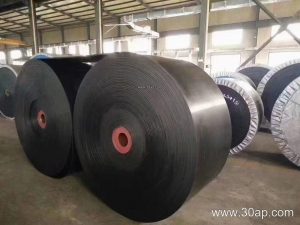
A 600mm conveyor belt is a belt with a nominal width of 600 millimeters, a size that sits in the light-to-medium range of industrial conveying. It is often written as a 600mm wide conveyor belt or B600, and it is used to move crushed stone, sand, cement, coal, ore, and other bulk materials over short and medium distances. The width is a practical middle ground: wide enough for a reasonable tonnage, narrow enough for compact frames and tight plant layouts. In a sand and gravel plant, a 600mm wide conveyor belt may feed a screen; in a cement plant it may carry clinker fines; in a coal yard it may link a crusher to a stockpile.
Construction and Belt Types
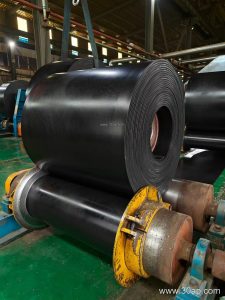
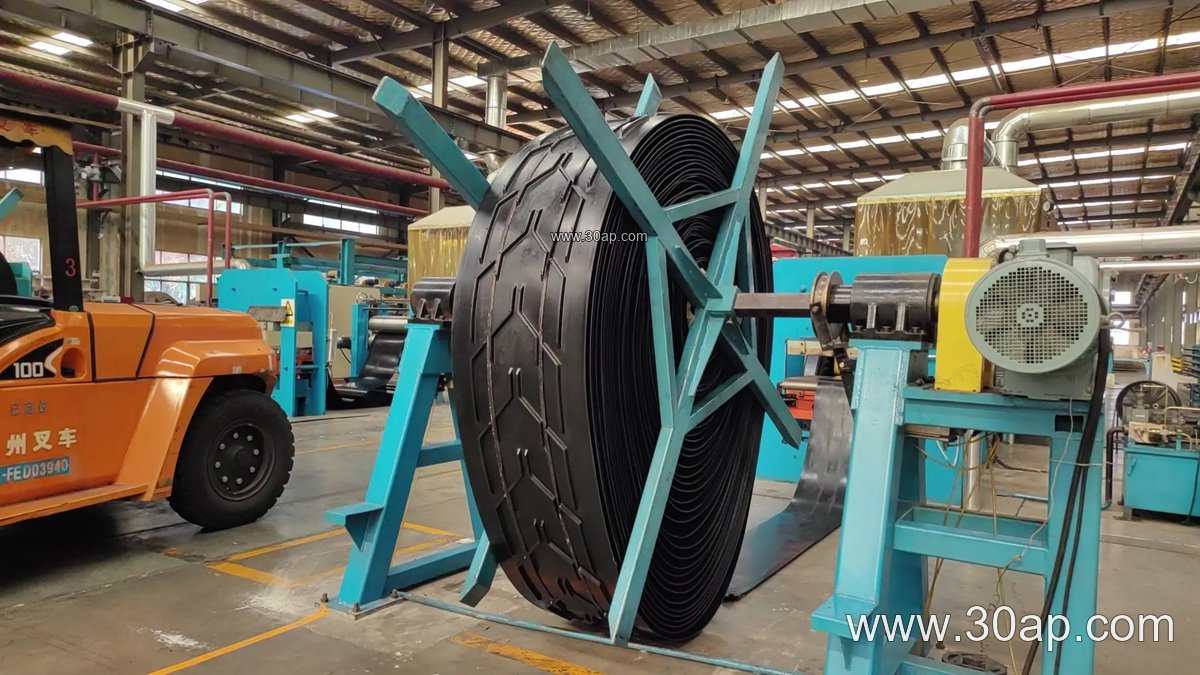
The belt body is built from a carcass and rubber covers. The carcass carries the tension, while the covers protect the fabric or steel from abrasion, moisture, and heat. For a 600mm conveyor belt, the most common carcasses are fabric cores, usually EP or NN, with 2 to 6 plies depending on the duty. A multi-ply fabric core conveyor belt is typical for general bulk handling, while heavier loads may call for a steel cord conveyor belt, although steel cord belts are less common at this narrow width.
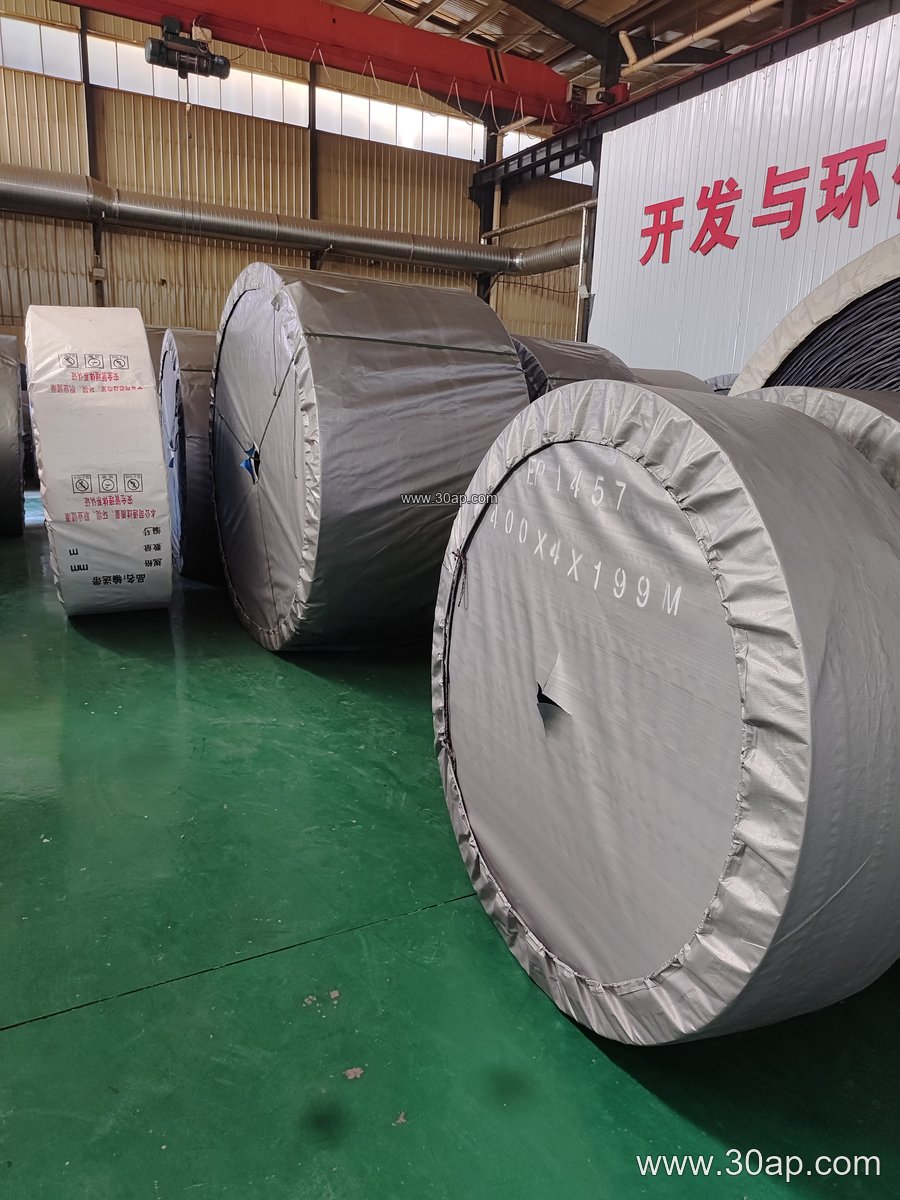
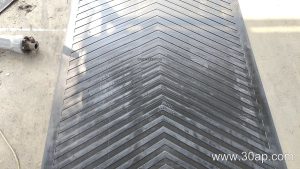
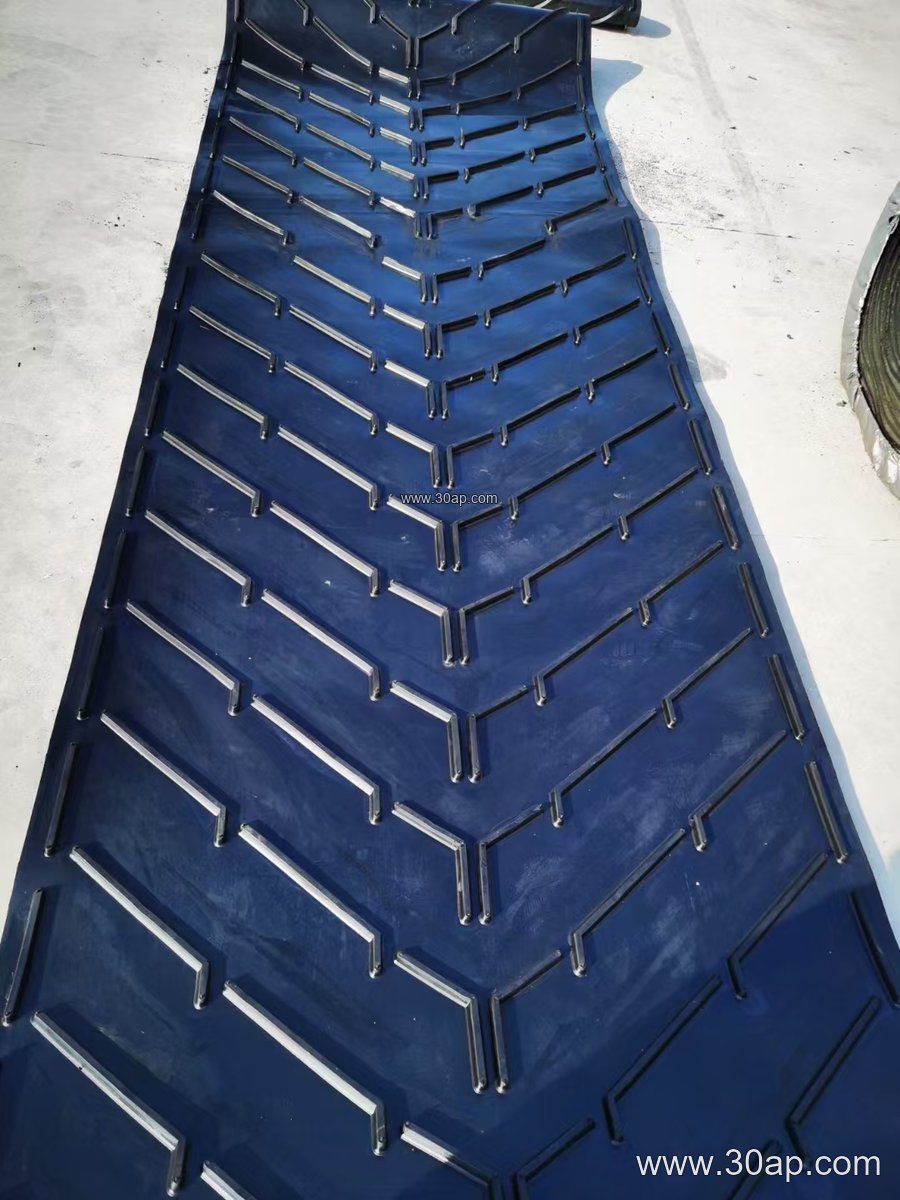
Cover compounds are chosen for the environment. An abrasion resistant conveyor belt suits crushed rock and sand; a heat resistant conveyor belt suits cement and clinker; a flame retardant conveyor belt and anti-static conveyor belt are common in coal mining and underground coal mining conveyor belts. Oil resistant and cold resistant grades appear where the process demands them. For special paths, a chevron conveyor belt or corrugated sidewall conveyor belt can be used on inclined sections, and a pipe conveyor belt is an option when dust control matters.
Common Specifications
The table below shows typical reference values for a 600mm belt. These are common ranges, not fixed supply promises; the final construction is set by the conveyor design, the material, and the manufacturer.
| Item | Typical reference values |
|---|---|
| Belt width | 600 mm (B600) |
| Carcass type | EP fabric, NN fabric, steel cord (selected cases) |
| Strength grades | EP200, EP315, EP400, EP500, EP630, EP800 |
| Number of plies | 2 to 6 |
| Top cover thickness | 3 mm, 4 mm, 5 mm, 6 mm, 8 mm |
| Bottom cover thickness | 1.5 mm, 2 mm, 3 mm |
| Cover combinations | 3+1.5, 4+2, 5+2, 6+2, 8+3 mm |
Strength grades such as EP1000 or EP1250 are available in the wider sizes and are rarely needed at 600mm. On a narrow belt, the load per millimeter of width is usually moderate, so EP400 or EP500 often covers general quarry and aggregate duty. A buyer comparing widths may look at a 650mm conveyor belt or an 800mm conveyor belt, but the choice should follow the required capacity and the pulley and idler roller dimensions, not the other way around.
Where It Fits in the Plant
The 600mm size appears in many industries. In mining, it can serve as a mining conveyor belt on development drifts or as an underground mining conveyor belt where space is limited. In a coal preparation plant, a 600mm flame retardant conveyor belt may run on a short transfer. In a power plant, it may handle limestone or ash. In a stone crushing line, a crusher conveyor belt of this width often carries the discharge to a screen. Port and ship loading systems usually use wider belts, so the 600mm size tends to stay inside the plant rather than on the main line.
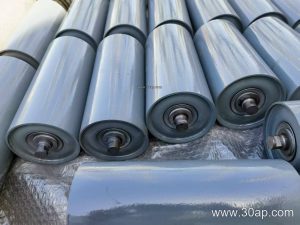
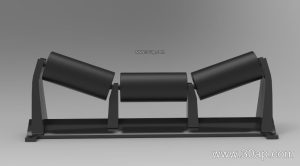
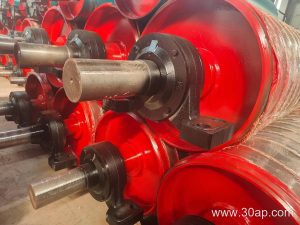
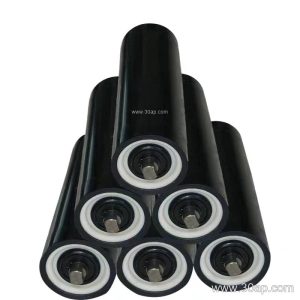
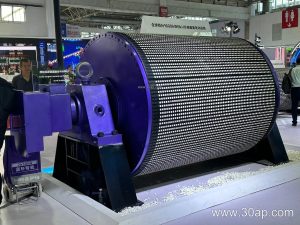
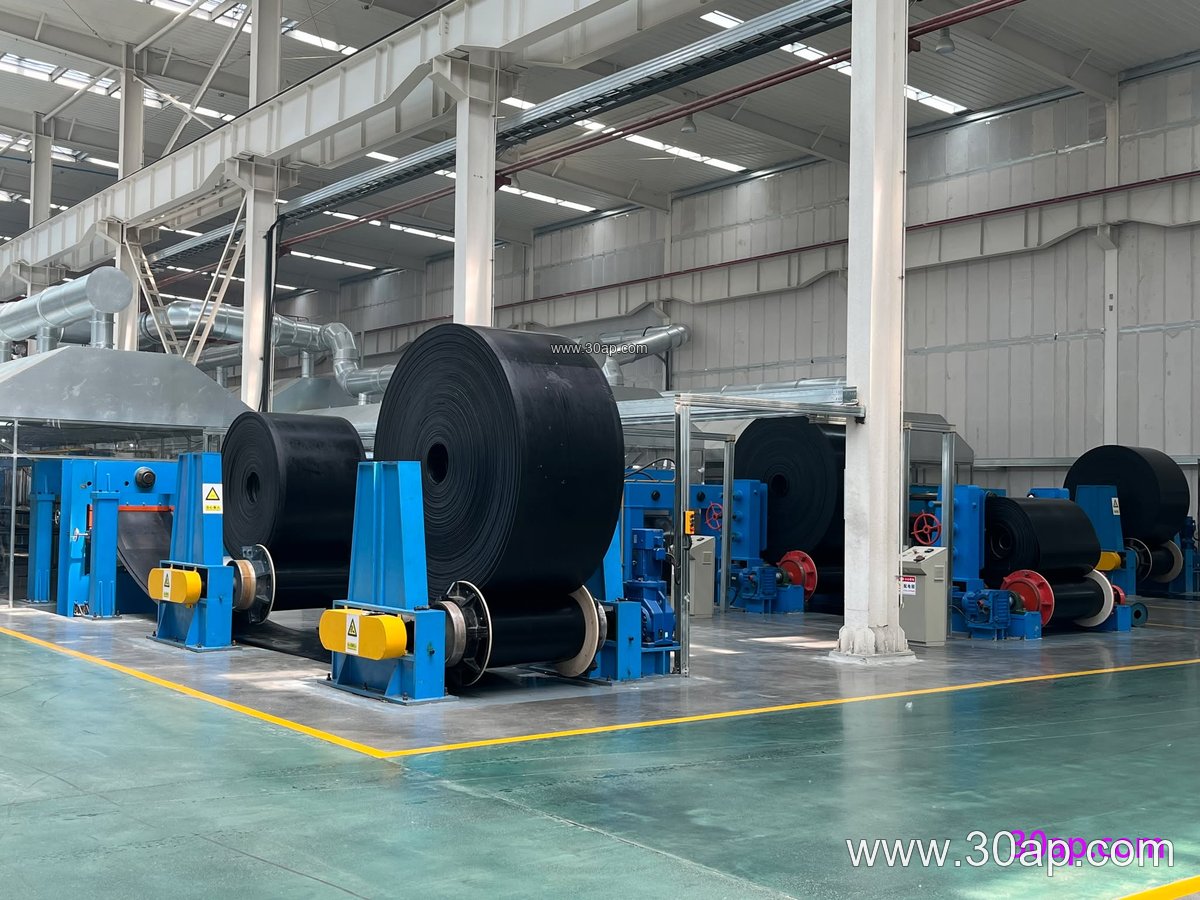
Supporting equipment matters as much as the belt. The belt runs on an idler roller set, turns over a conveyor pulley at the drive and tail, and is held by a conveyor bracket and frame. Drive pulleys, tail pulleys, and bend pulleys each do a different job, and none should be treated as a substitute for another. The pulley diameter is chosen from the belt tension and carcass, not from the 600mm width alone, so the same belt width can work with different pulley sizes on different conveyors.
Buyer Checklist
- Confirm the material: lump size, density, moisture, temperature, and oil or chemical exposure.
- State the duty clearly, for example heavy-duty mining conveyor belt or light aggregate service.
- Give the center distance, incline angle, and required capacity so the strength grade can be checked.
- Specify covers and any flame retardant, anti-static, or food grade requirement.
- Check that the pulley and idler roller match the belt thickness and splice method.
- For long or fixed installations, consider an endless conveyor belt to reduce splice points.
Installation and Maintenance Notes
Track the belt after installation and re-check tension during the first weeks. Keep the idler roller set turning freely and clean spillage from the tail area, since buildup is a common cause of edge damage on a 600mm conveyor belt. Inspect the conveyor pulley lagging and the splice regularly. Store spare belts flat and dry, away from sunlight and ozone sources. For coal or underground service, confirm that the flame retardant and anti-static properties are maintained after splicing, and record the belt grade so replacements match the original.
For buyers comparing suppliers, ask for the carcass type, ply count, cover thickness, and strength grade in writing. A clear data sheet makes it easier to compare a 600mm conveyor belt with a 650mm conveyor belt or a 800mm conveyor belt when a layout change is under review.