Understanding the Iron Ore Conveyor Idler
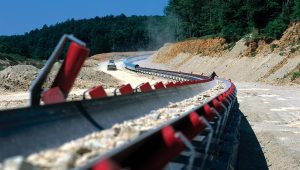
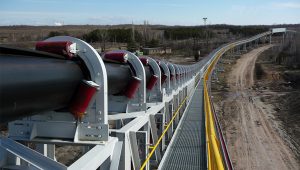
In iron ore handling, the conveyor idler is a critical component that directly affects the reliability and efficiency of the entire belt system. An iron ore conveyor idler is a roller assembly designed to support the conveyor belt and the heavy load of iron ore, minimizing friction and maintaining proper belt alignment. Unlike standard idlers used in lighter applications, these are built to withstand extreme abrasion, high impact, and corrosive environments. Typically found in mining operations, steel plants, and port terminals, the iron ore conveyor idler ensures smooth material flow from crushing to stockpiling or ship loading.
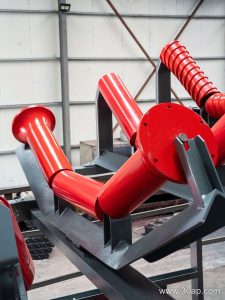
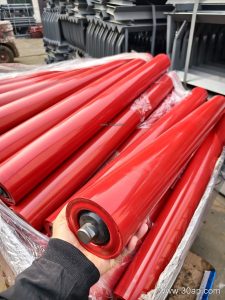
The construction of an iron ore conveyor idler involves a robust steel tube, high-quality bearings, and effective sealing. The roller surface may be plain steel, or it can be fitted with rubber rings for impact absorption. Common roller diameters for these heavy-duty applications include Ø108, Ø127, Ø133, Ø159, and Ø178, though selection depends on belt width and load requirements. Bearings such as 6205, 6305, 6306, and 6308 are frequently used, but the choice must match the specific load and speed conditions—never assume a fixed pairing with roller diameter.
Types and Arrangements in Iron Ore Handling
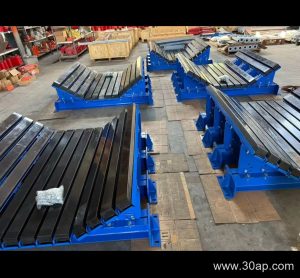
Iron ore conveyor idlers come in several configurations to suit different sections of the conveyor. Troughing idlers, often in three-roll sets with trough angles of 20°, 30°, 35°, or 45°, are used on the carrying side to shape the belt into a trough, preventing spillage of fine ore. For transition zones where the belt changes from flat to troughed, transition idlers with smaller trough angles are employed. On the return side, flat or V-return idlers support the empty belt. Impact idlers with rubber rings are placed at loading points to cushion the falling ore, while self-aligning idlers help correct belt misalignment. In dusty and wet iron ore operations, sealed-for-life idlers with labyrinth seals are preferred to keep contaminants out.
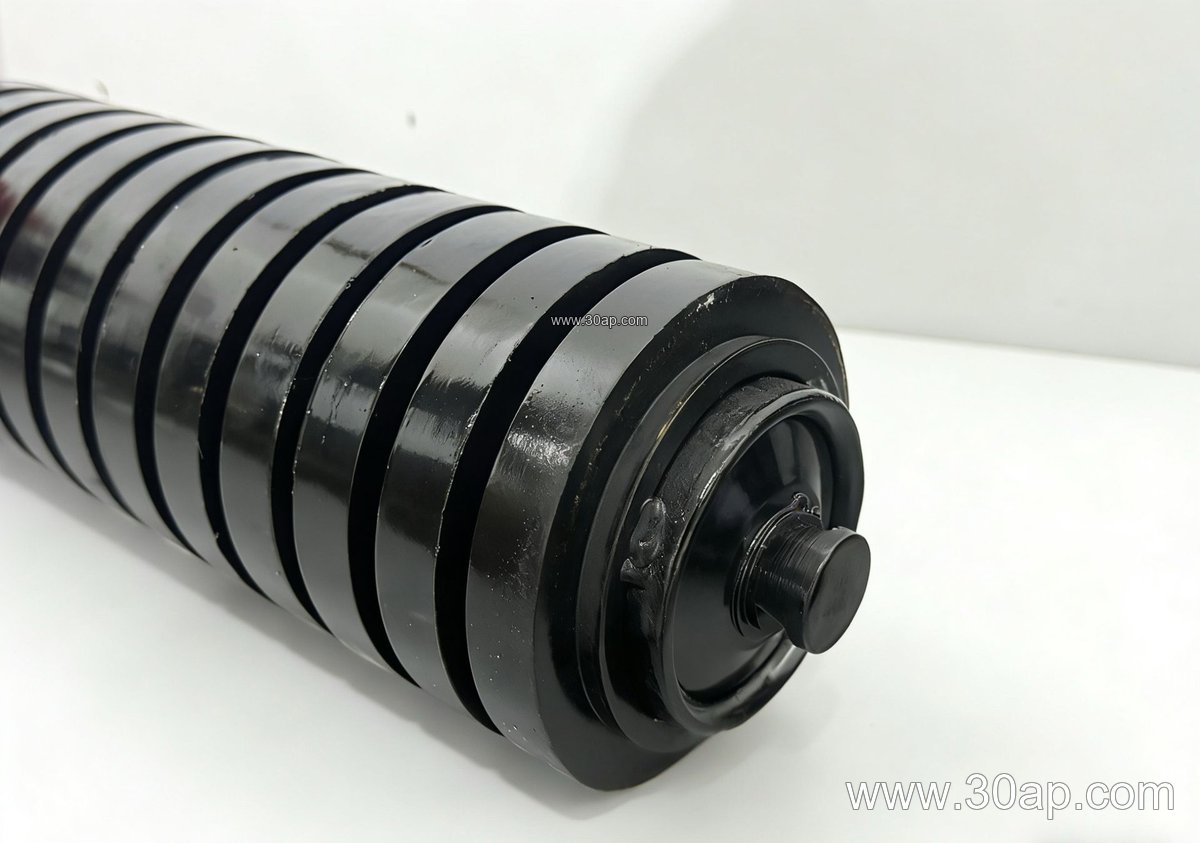
Roller length varies with belt width and idler arrangement. For example, a three-roll troughing set on a B1000 belt commonly uses a center roll of about 380 mm, while a B1400 belt might use 530 mm rolls. These are typical references, not fixed rules—side rolls and center rolls can differ, and the final dimensions should be confirmed with the conveyor design. The idler roller must be matched to the conveyor bracket and frame for proper fit and load distribution.
Key Selection Criteria for Buyers
When specifying an iron ore conveyor idler, buyers should consider the belt width, operating load, belt speed, and environmental conditions. The idler must handle the weight of the belt plus the ore, which can be substantial. Abrasion-resistant roller surfaces, such as ceramic or nylon coatings, can extend service life in iron ore applications where fines are highly abrasive. Proper bearing selection and sealing are vital; inadequate sealing leads to premature failure in dusty or wet conditions. Also, consider the compatibility with the conveyor belt—an improperly matched idler can cause belt tracking issues and accelerated wear. For high-tonnage operations, heavy-duty idlers with thicker shells and reinforced bearings are recommended.
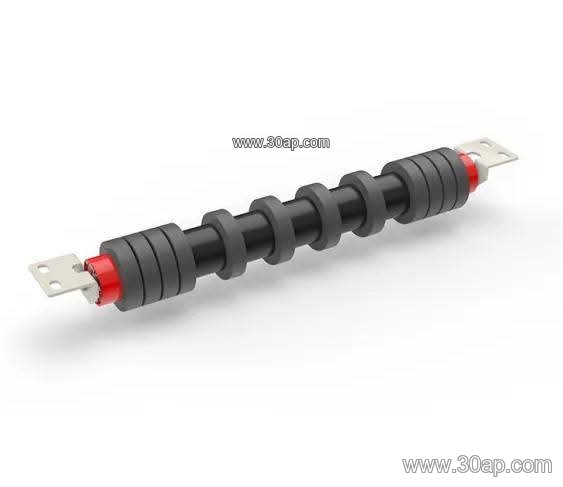
Maintenance is equally important. Regularly inspect idlers for rotation resistance, abnormal noise, and seal integrity. Replace any idler that shows sign of bearing failure or roller wear to avoid belt damage. Keeping spare idlers on hand minimizes downtime. In iron ore plants, where continuous operation is critical, a proactive maintenance schedule can significantly reduce unexpected stoppages.
Application Example and Related Components
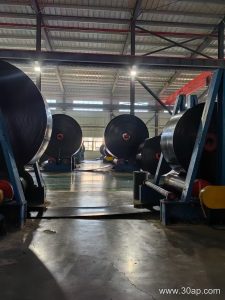
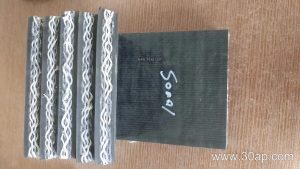
In a typical iron ore beneficiation plant, the conveyor system might use a combination of troughing idlers on the main line, impact idlers at transfer points, and return idlers on the return strand. The conveyor belt itself is often a heavy-duty fabric core or steel cord type, such as EP Conveyor Belt or Steel Cord Conveyor Belt, selected for its tensile strength and resistance to cutting. The idlers work in tandem with conveyor pulleys and brackets to ensure smooth operation. For instance, a 1200mm wide conveyor belt might be supported by Ø127 idlers with 6305 bearings, but this is just one possible configuration—each system is engineered based on specific load and speed calculations.
Properly selected iron ore conveyor idlers contribute to energy savings, reduced belt wear, and lower maintenance costs. By understanding the product and its application, buyers can make informed decisions that enhance the overall performance of their material handling systems.