What a 500mm Diameter Conveyor Pulley Is
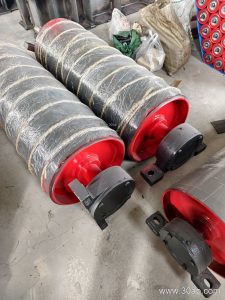
A 500mm diameter conveyor pulley is a drum-style component with a nominal shell diameter of Ø500 mm, used to support and drive the conveyor belt in bulk handling systems. It is one of the mid-range sizes in the common pulley range, sitting above Ø400 and below Ø630. In practice, engineers refer to it simply as a Ø500 pulley or a 500mm drum pulley, and it appears in both drive and non-drive positions depending on the conveyor layout.
The diameter affects how the belt wraps around the shell, how the carcass flexes, and how much torque the pulley can transmit. A 500mm drum is often chosen where a moderate wrap angle and reasonable belt speed are needed without going to a very large shell.
How the Pulley Is Built
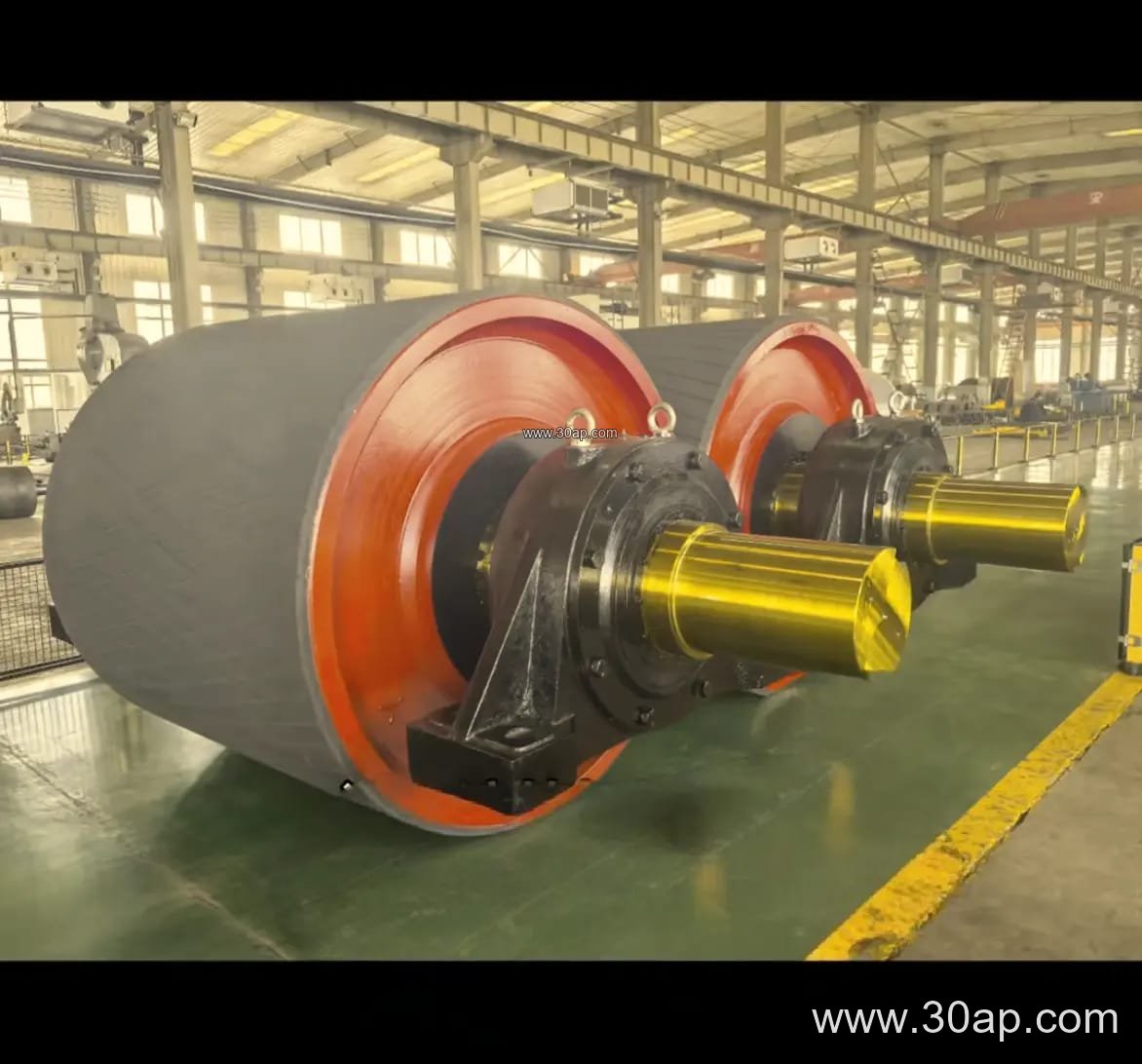
A typical Ø500 conveyor pulley consists of a cylindrical shell, two end discs, a shaft, and bearing housings. The shell is usually made from seamless steel tube or rolled plate, machined at the ends to accept the discs. The shaft is keyed or shrink-fitted to the discs so that torque transfers smoothly from the drive to the belt.
Common construction details include:
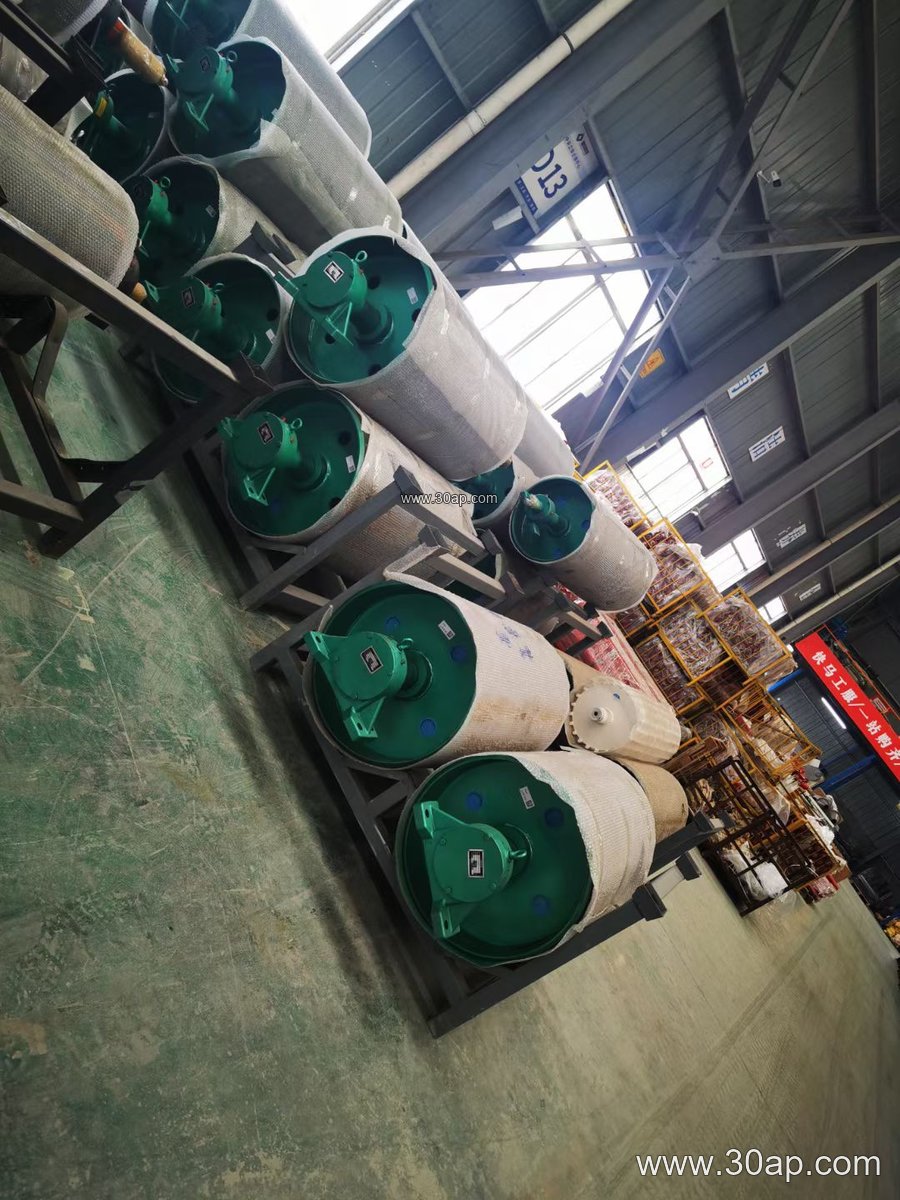
- Shell thickness selected according to belt tension and load
- Welded or bolted end disc design
- Bearing housings with grease nipples or sealed-for-life bearings
- Surface options such as plain, rubber lagging, or ceramic lagging
Lagging is often specified to improve grip. Common lagging thicknesses are 8, 10, 12, 15, and 20 mm, and the pattern may be plain, diamond, or herringbone. A rubber-lagged 500mm pulley is common in abrasive service, while ceramic lagging is used where slip resistance matters more.
Where It Fits in a Conveyor
The 500mm diameter conveyor pulley can appear in several positions. As a drive pulley, it transmits power to the belt. As a tail pulley, it returns the belt at the loading end. As a bend or take-up pulley, it changes belt direction or maintains tension. These roles are not interchangeable, and the pulley design, bearing size, and lagging choice should match the duty.
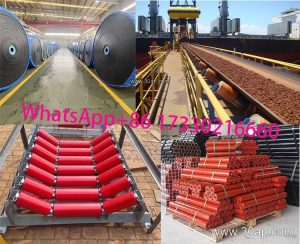
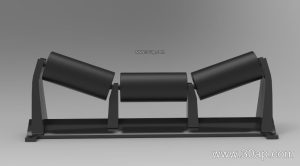
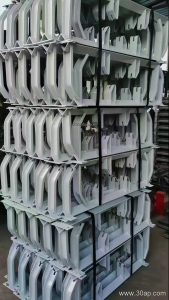
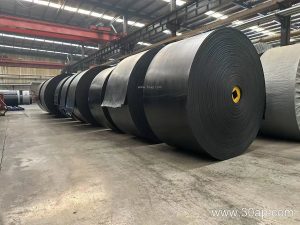
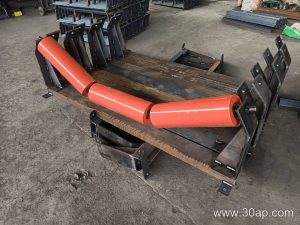
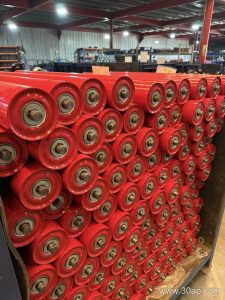
Typical industries include quarry and aggregate lines, cement plants, coal handling, power plant coal conveying, and port bulk terminals. In a stone crushing line, a Ø500 pulley may work with a 500mm or 650mm wide belt on a short transfer conveyor; in a cement plant it may sit on a clinker or raw material belt. The pulley should be matched to the conveyor belt type, whether that is an EP conveyor belt, NN conveyor belt, or a steel cord conveyor belt, and to the load carried by the idler roller sets and conveyor bracket frames.
Size, Belt Width, and Shaft Considerations
Pulley diameter and belt width are related but not fixed pairs. A 500mm pulley is often used with belt widths from around B400 to B800, but the final choice depends on belt tension, wrap angle, and space. Pulley face width is usually slightly wider than the belt, for example about 500 mm face for B400 and about 600 mm for B500.
| Reference Item | Common Range or Example |
|---|---|
| Nominal diameter | Ø500 mm |
| Related diameters | Ø400, Ø500, Ø630, Ø800 |
| Belt width examples | B400, B500, B650, B800 |
| Face width example | About 500 mm for B400; about 600 mm for B500 |
| Shaft diameter examples | Ø80, Ø90, Ø100, Ø120, Ø140 |
| Lagging thickness | 8, 10, 12, 15, 20 mm |
Shaft diameter is determined by torque and bearing load, not by belt width alone. A B650 belt on a lightly loaded conveyor may use a smaller shaft than the same belt width on a heavily loaded drive. Buyers should provide the belt width, belt speed, motor power, and load data so the pulley maker can size the shaft correctly.
What Buyers Should Check
Before ordering a 500mm diameter conveyor pulley, confirm the mounting position, the required lagging type, and the bearing style. Check that the pulley face width matches the belt and that the shaft fits the existing conveyor bracket and bearing housing. For abrasive or high-tension service, consider a heavier shell and quality lagging. For coal mining or underground coal mining conveyors, flame retardant and anti-static properties of the belt matter, and the pulley should be selected to suit the belt tension.
Regular inspection of lagging wear, bearing condition, and shaft alignment helps extend pulley life. A well-matched Ø500 drum pulley, working with the right conveyor belt and idler roller arrangement, keeps a conveyor line running steadily in quarry, cement, power, and port operations.