What a Friction Idler Does on a Conveyor
A friction idler is a roller that relies on contact friction between the rotating shell and the moving conveyor belt to keep itself turning, and in many designs the friction surface also helps steer the belt back toward the center line. Rather than being a separate machine, it is one member of the idler family that supports the belt and the material load between the head and tail of the conveyor. In a typical installation the friction idler sits on the carrying side or the return side, mounted in a conveyor bracket or frame, and works alongside troughing idlers, impact idlers and return rollers.
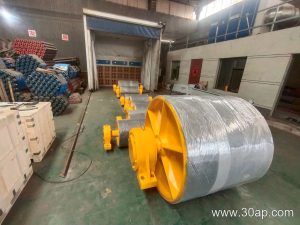
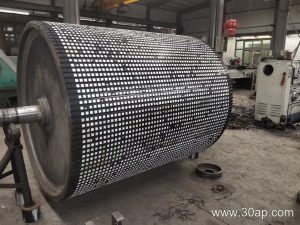
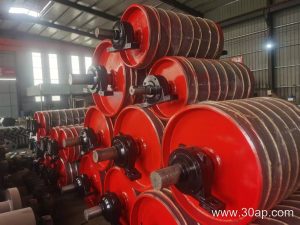
The name is often used loosely, so buyers should confirm what the supplier means. In some plants a friction idler refers to a roller with a rubber or polyurethane covered shell that grips the belt; in others it means a friction-type self-aligning idler, where angled rollers create a friction moment that trains the belt. Both interpretations describe the same product family, and both are distinct from a conveyor pulley, which is a driven or non-driven drum at the head, tail or bend of the system. Drive pulleys, tail pulleys and bend pulleys are not interchangeable with idlers, and none of them should be ordered as a substitute for a friction idler.
Construction and Common Configurations
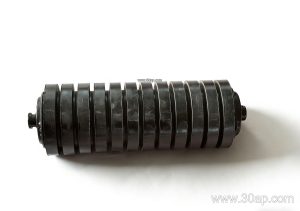
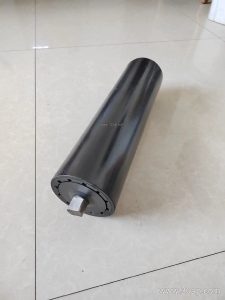
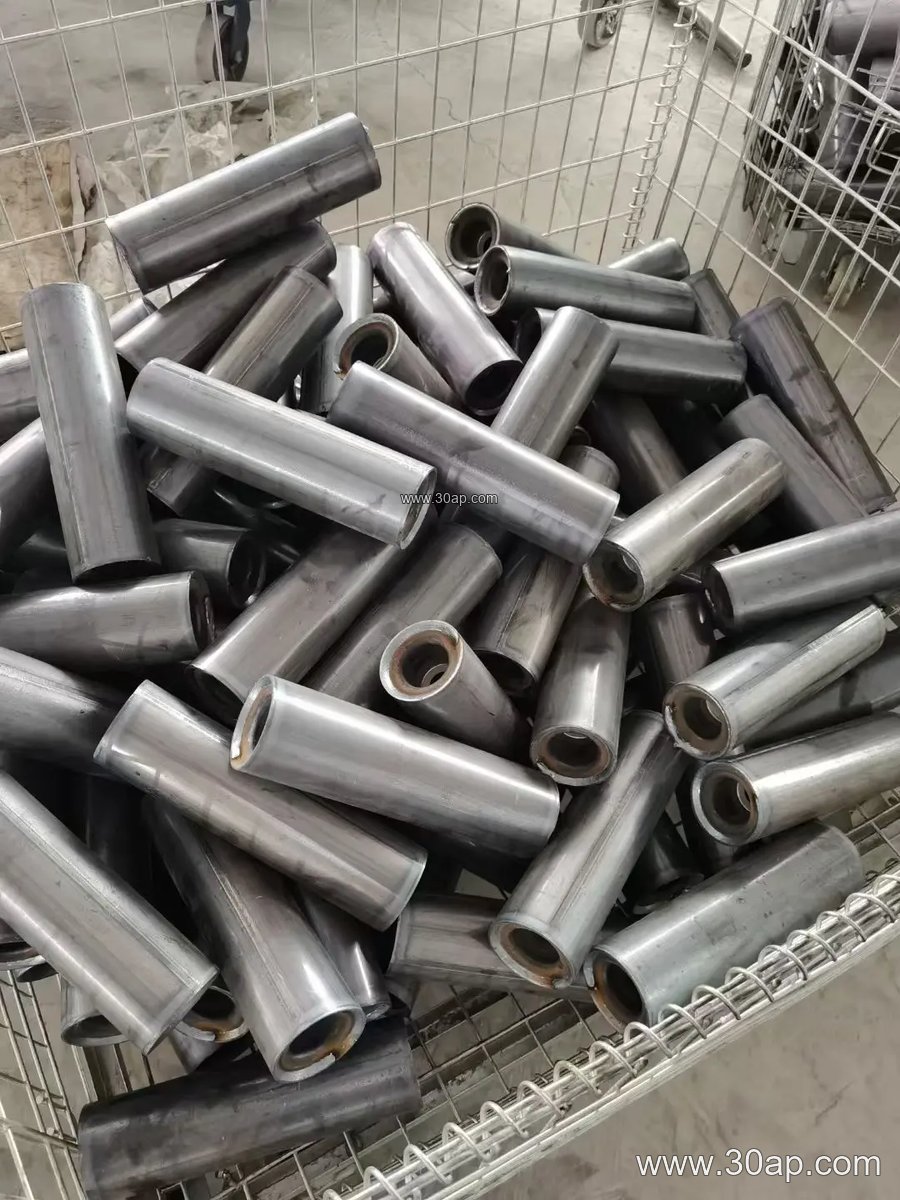
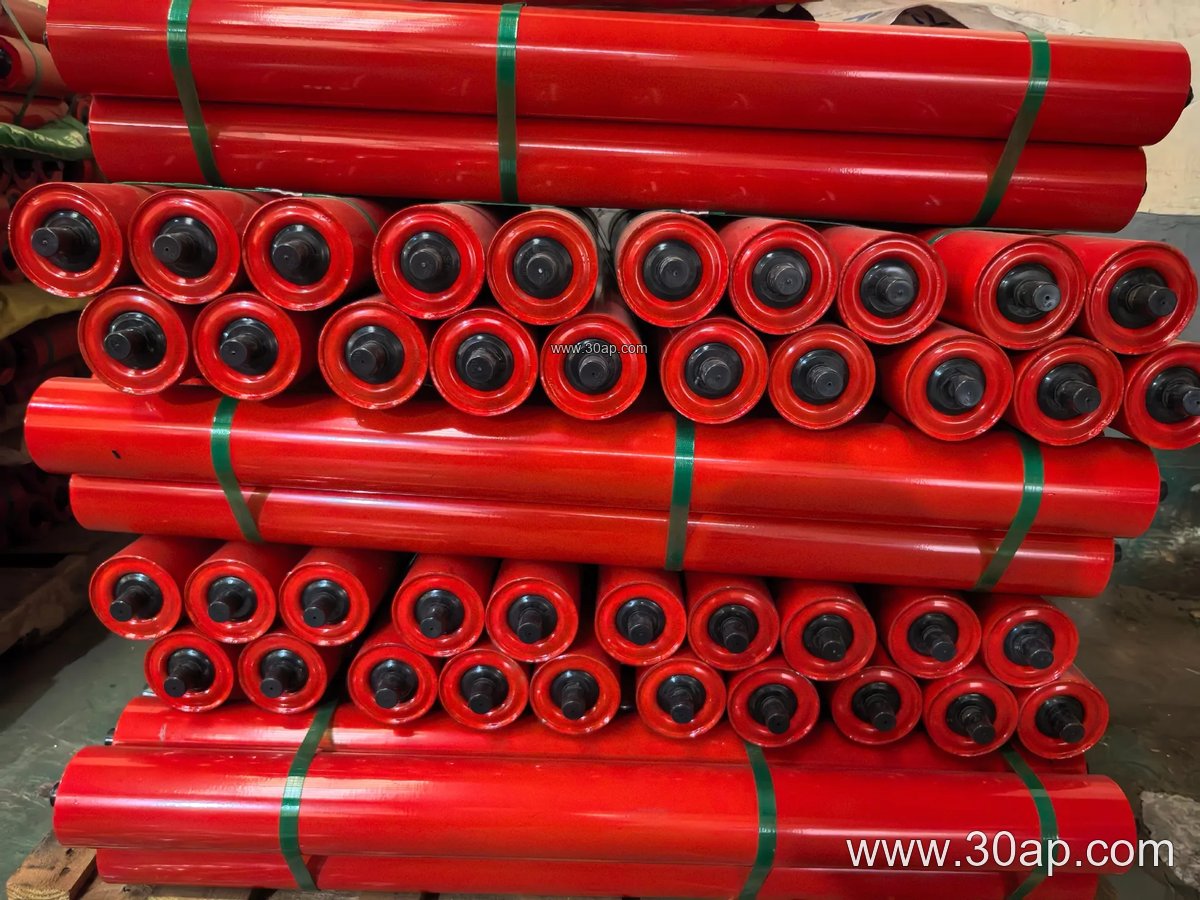
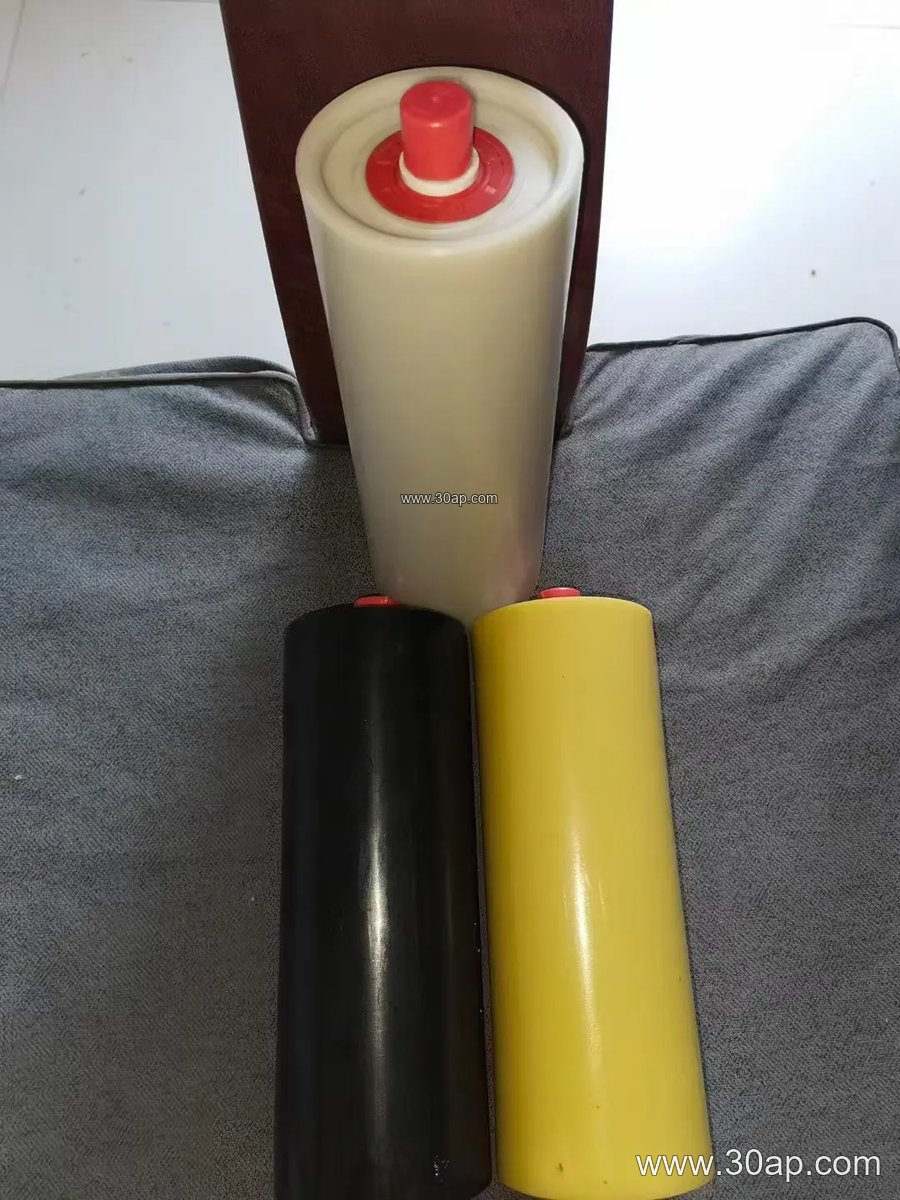
A friction idler usually consists of a steel tube shell, a shaft, bearing housings, seals and a friction or grip surface. The shell may be plain steel, nylon, ceramic or fitted with rubber rings, depending on whether the goal is belt training, impact damping or material build-up control. Sealing quality matters in dusty service, because fine dust that reaches the bearing shortens roller life. Bearings are commonly selected from sizes such as 6204, 6205, 6305, 6306, 6308 and 6310, matched to the shaft and load rather than to belt width alone.
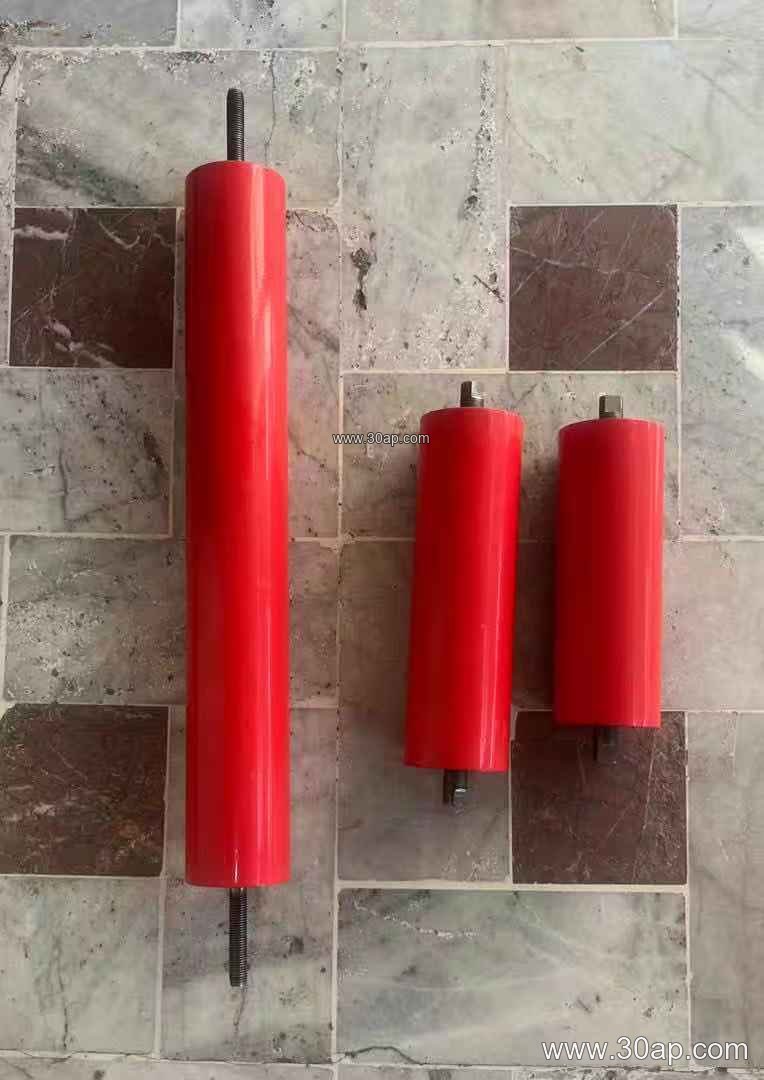
Common roller diameters include Ø63, Ø76, Ø89, Ø102, Ø108, Ø127, Ø133, Ø159, Ø178, Ø194 and Ø219 mm. Belt widths in the reference range run from B400 to B2400, and trough angles of 20, 30, 35 and 45 degrees are typical. A small forward tilt of about 1.5 to 2 degrees is sometimes used on training idlers to encourage centering. Roller length varies with belt width, trough angle and idler arrangement; for a three-roll troughing set, examples are roughly 200 mm at B500, 315 mm at B800, 465 mm at B1200 and 600 mm at B1600. These are common examples only, and side rolls and center rolls may differ.
| Parameter | Typical Range | Notes |
|---|---|---|
| Roller diameter | Ø63 to Ø219 mm | Selected by load and belt speed |
| Belt width | B400 to B2400 | Roll length follows the frame design |
| Trough angle | 20, 30, 35, 45 degrees | Affects material cross-section |
| Shell surface | Steel, nylon, ceramic, rubber ring | Rubber ring aids grip and impact absorption |
| Bearing | 6204 to 6310 common | Confirm against shaft and load |
Where Friction Idlers Are Used
Friction idlers appear in quarry and aggregate lines, limestone mines, iron ore and copper ore handling, coal washing plants, cement plants and power station coal conveying. In a crushing and screening circuit they may be placed where the belt tends to wander after a transfer point. In a cement plant they help keep clinker and raw meal belts centered on long galleries. Port and ship loading conveyors also use training idlers to protect belt edges on wide belts such as 1200 mm, 1500 mm or 1800 mm wide conveyor belts.
The belt itself influences the choice. A heavy-duty mining conveyor belt carrying abrasive rock may call for robust rollers and good sealing, while an EP conveyor belt or NN conveyor belt on a medium-duty line may need only standard friction idlers. Where a steel cord conveyor belt runs at high tension, the idler frame and roller spacing deserve careful review. Heat resistant conveyor belt, flame retardant conveyor belt and oil resistant conveyor belt duties each bring their own environment, and the idler covering should suit it.
Selection and Maintenance Notes
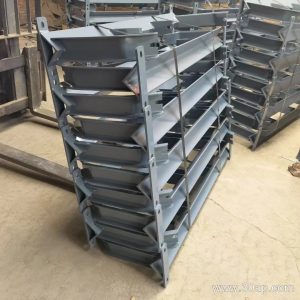
Buyers should check the belt width, trough angle, roller diameter, shaft end type, bracket spacing and bearing size before ordering. A friction idler should be matched to the conveyor frame, not chosen from belt width alone, and no single roller size fits every conveyor. Ask whether the friction surface is a rubber ring, a coated shell or a self-aligning geometry, and confirm the intended mounting position. During operation, listen for squealing, watch for a belt that drifts to one side, and inspect for seized rollers or damaged seals. Replacing a worn friction idler early protects the conveyor belt from edge damage and reduces spillage.
For a full conveyor setup, friction idlers work together with the conveyor pulley, the idler roller sets, the conveyor bracket and the belt. A balanced selection keeps the system running quietly and extends service life across mining, cement, power and bulk material handling operations.