What a Recycling Conveyor Belt Has to Handle
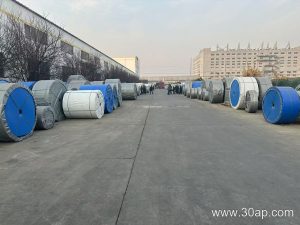
A recycling conveyor belt works in one of the least forgiving material-handling environments. The feed is not a single, clean mineral stream: it may include crushed glass, metal fragments, torn film, cardboard, grit, and residual moisture, all arriving at variable rates. That mix punishes the belt surface and the carcass at the same time. A rubber conveyor belt specified for a sand and gravel line may cut easily on sharp edges, while a light PVC belt may lack the tensile strength for a long incline. The practical answer is usually a fabric-core belt with a cut-resistant cover, or an EP conveyor belt where higher tension and lower stretch are needed.
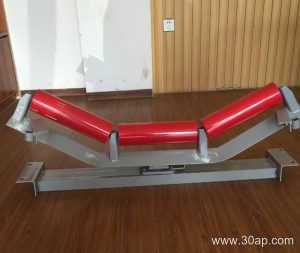
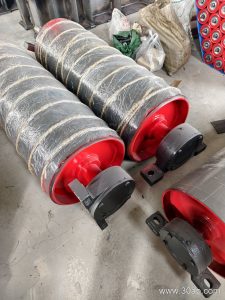
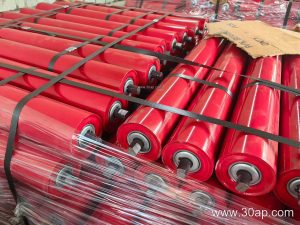
Because recycling plants often run several sorting stages, the belt also has to track well, resist edge fraying, and tolerate frequent starts and stops. Designers should treat the recycling conveyor belt as part of the whole conveyor, not an isolated purchase: pulley condition, idler roller alignment, and conveyor bracket rigidity all affect belt life.
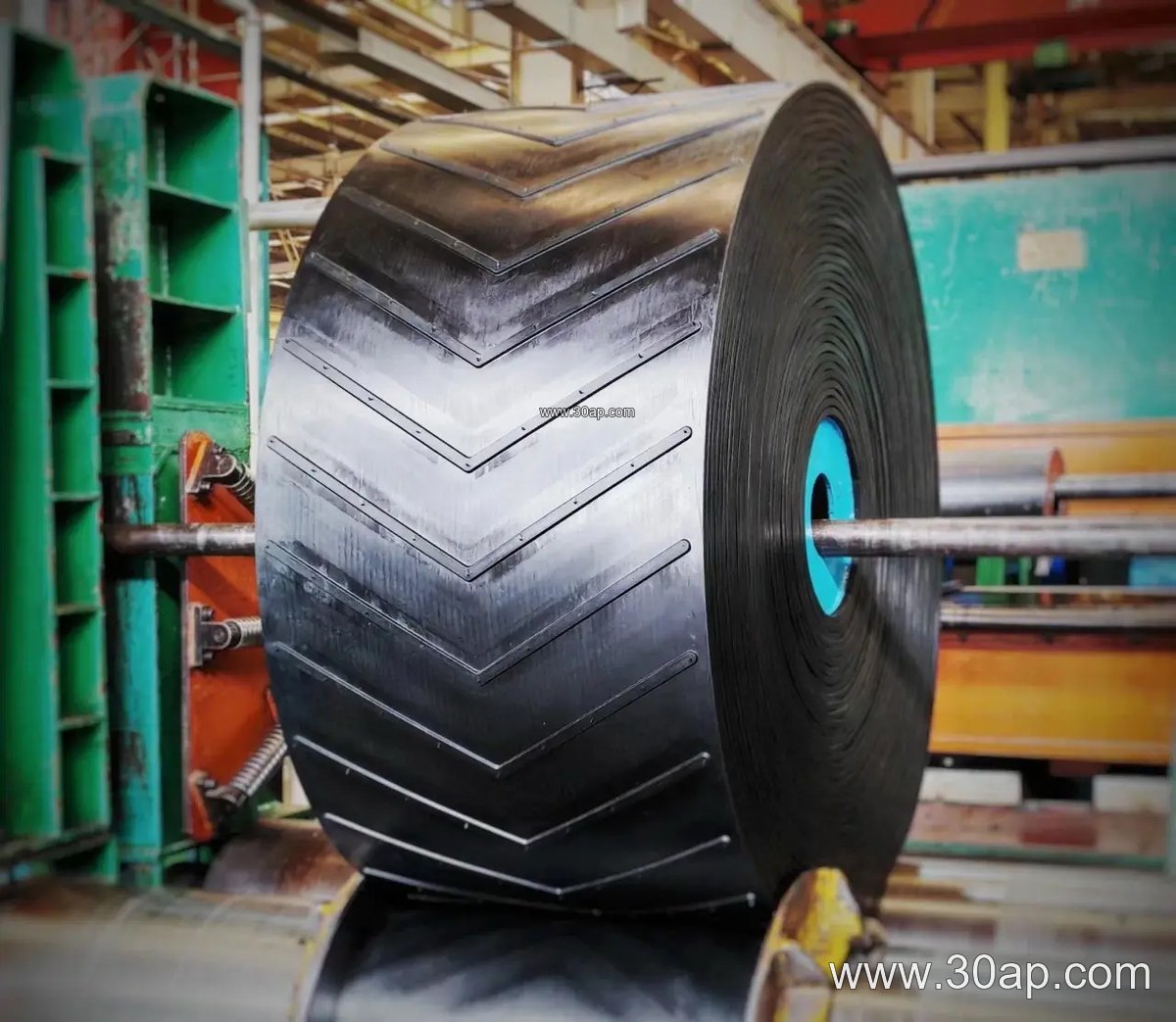
Construction and Common Configurations
Most recycling belts use a multi-ply fabric core, with EP (polyester warp, polyamide weft) or NN (nylon) fabric as the load-bearing skeleton. The cover compound and thickness are chosen for the duty. A typical light-to-medium duty belt may use 3+1.5 mm or 4+2 mm covers, while heavier shredder discharge or mixed bulky waste lines often move to 5+2 mm or 6+2 mm. Carcass plies commonly range from 2 to 6 depending on tension demand.
- EP conveyor belt grades such as EP200, EP400, EP630, EP800, or EP1000 suit many sorting and transfer conveyors.
- NN conveyor belt options, for example NN200 or NN300, offer good flexibility around smaller pulleys.
- Abrasion resistant conveyor belt covers help on glass and aggregate-rich streams.
- Oil resistant and flame retardant conveyor belt grades matter where the waste includes oily packaging or where fire safety rules apply.
Cleated and profiled options are useful on inclines. A chevron conveyor belt or a corrugated sidewall belt can lift loose film and light fractions without rollback, though the skirted conveyor belt version needs adequate free space at the tail and bend pulleys. For very dusty transfer points, an anti-static conveyor belt may be requested. None of these choices should be made from belt width alone; pulley diameter, shaft load, and take-up travel are separate design decisions.
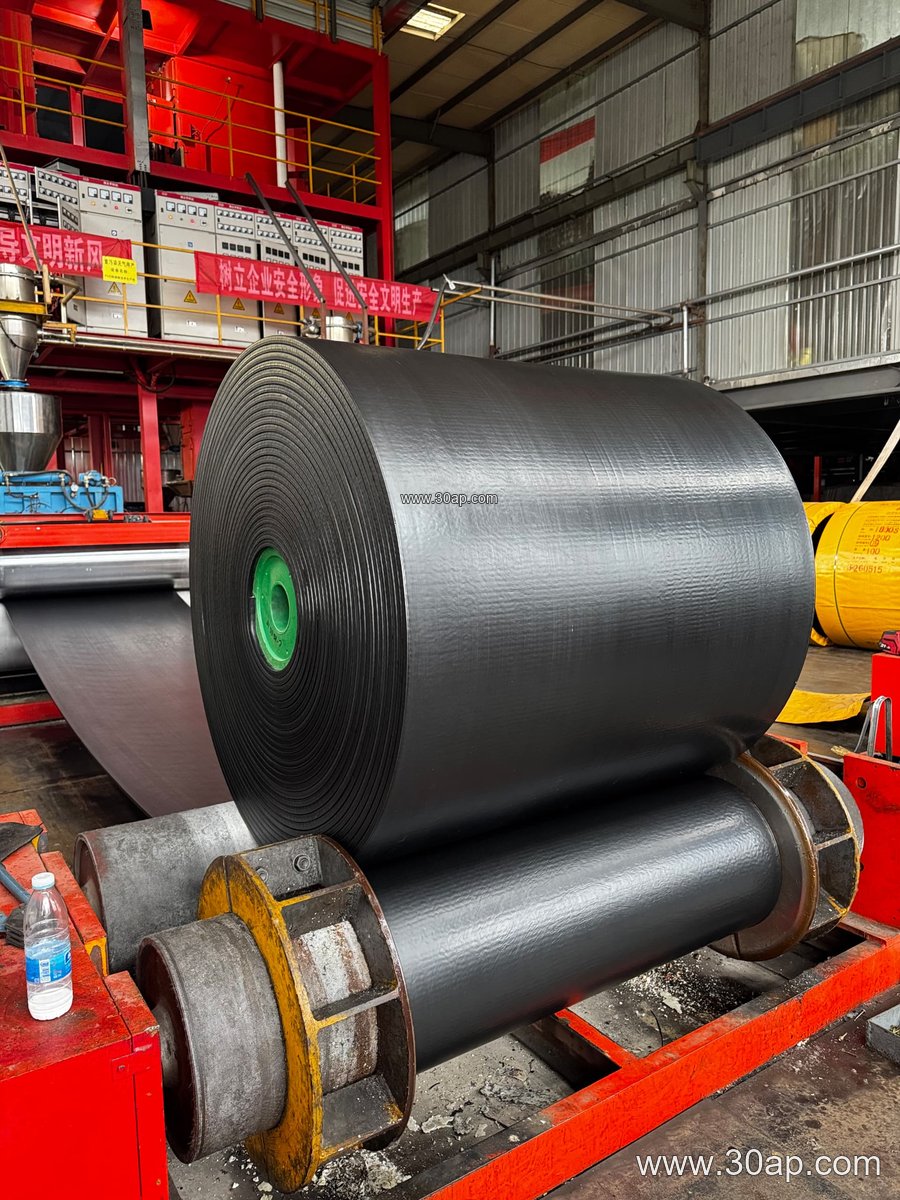
Where These Belts Run
Recycling conveyor belts appear in municipal solid waste sorting halls, construction and demolition debris lines, compost facilities, plastics recovery plants, and scrap metal yards. They also serve as transfer belts between shredders, screens, magnetic separators, and balers. In plants that co-process waste-derived fuel, heat resistant conveyor belt grades may be needed near dryers or hot process equipment. Similar fabric-core belts are used in cement plants, power plants, and quarry operations, but the recycling duty profile is different: lighter bulk density, more sharp contamination, and more frequent variation in load.
Where the material is heavy and the incline is long, a steel cord conveyor belt may be considered for the main trunk line, while the smaller sorting belts remain fabric-core. This is a comparison of duty, not a substitution: the recycling conveyor belt on the picking line still needs good flexibility and edge integrity.
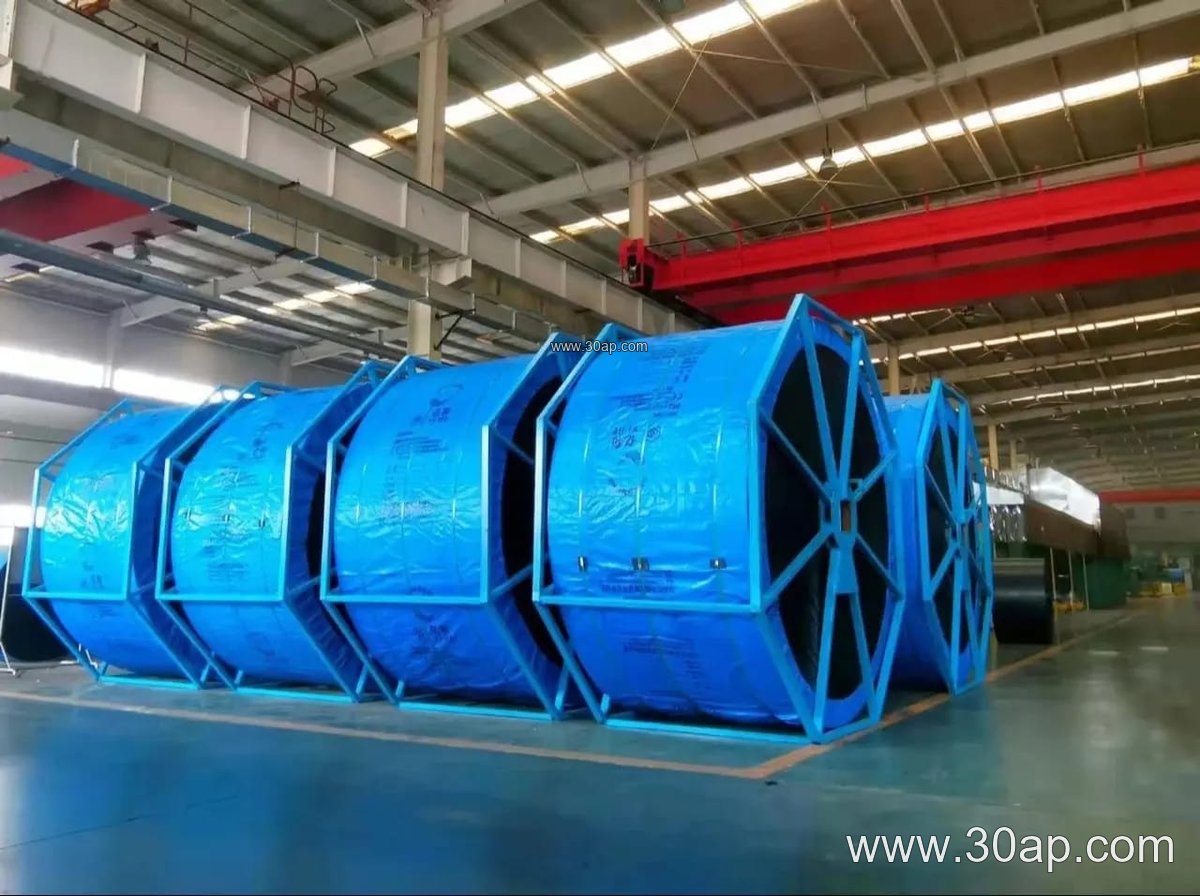
Specification Reference
The values below are common reference ranges, not fixed universal specifications. Final selection depends on the conveyor design, material size, drop height, and site conditions.
| Parameter | Typical reference | Notes |
|---|---|---|
| Belt width | B500, B650, B800, B1000, B1200, B1400, B1600, B1800, B2000 | Match to tonnage and lump size, not to a single pulley size |
| Fabric core | EP200 to EP2000; NN200 to NN400 | Higher grades for longer runs and higher tension |
| Cover thickness | 3+1.5, 4+2, 5+2, 6+2, 8+3 mm | Thicker top cover for impact and abrasion |
| Plies | 2 to 6 | Determined by required strength and pulley diameters |
| Special grades | Flame retardant, oil resistant, heat resistant, cold resistant | Selected by the dominant risk in the waste stream |
Buyer Checklist
Before ordering, record the material type, maximum lump size, drop height, belt speed, incline angle, and ambient temperature. Check the drive, tail, and bend pulleys for wear and confirm the take-up range. Ask for the cover grade and carcass construction in writing, and confirm whether a vulcanized endless conveyor belt splice or a mechanical joint is intended. On-site, keep the idler roller frames clean and inspect edges after each shift; edge damage is the most common early failure in recycling service.
For matching conveyor components, the pulley, idler roller, and conveyor bracket details should be reviewed together with the recycling conveyor belt datasheet. A belt that is correctly specified for abrasion and impact, and correctly installed on a square, well-aligned frame, will deliver far better service than a premium belt on a neglected conveyor.