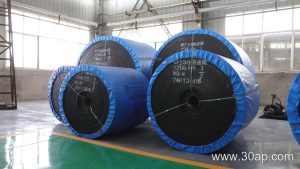
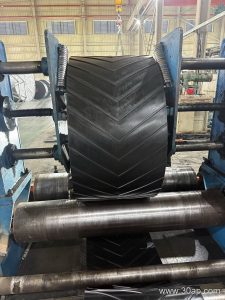
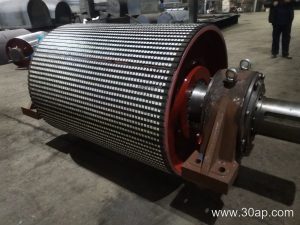
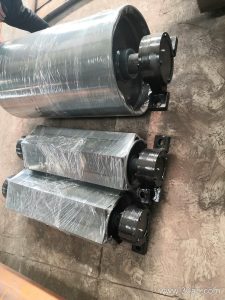
What a Durable Conveyor Idler Is
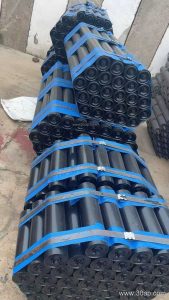
A durable conveyor idler is the rotating support that carries the conveyor belt along its path, keeping the belt aligned and the load moving smoothly. Often called a conveyor idler roller or simply an idler roller, it is a critical wear component in any belt conveyor system. Unlike drive, tail, or bend pulleys, which transmit power or change belt direction, idlers support the belt and the material being conveyed. Their durability directly affects uptime, energy consumption, and belt life.
Construction and Key Components
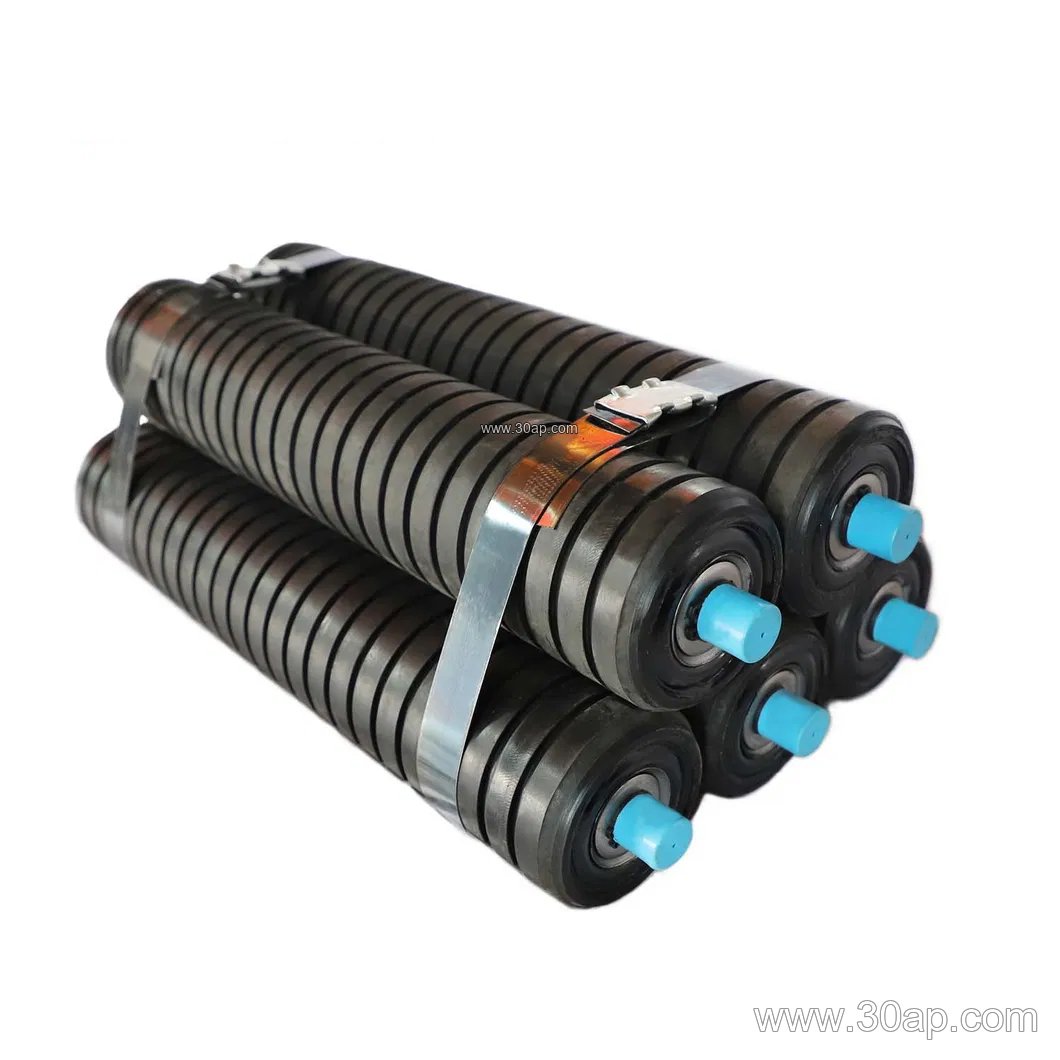
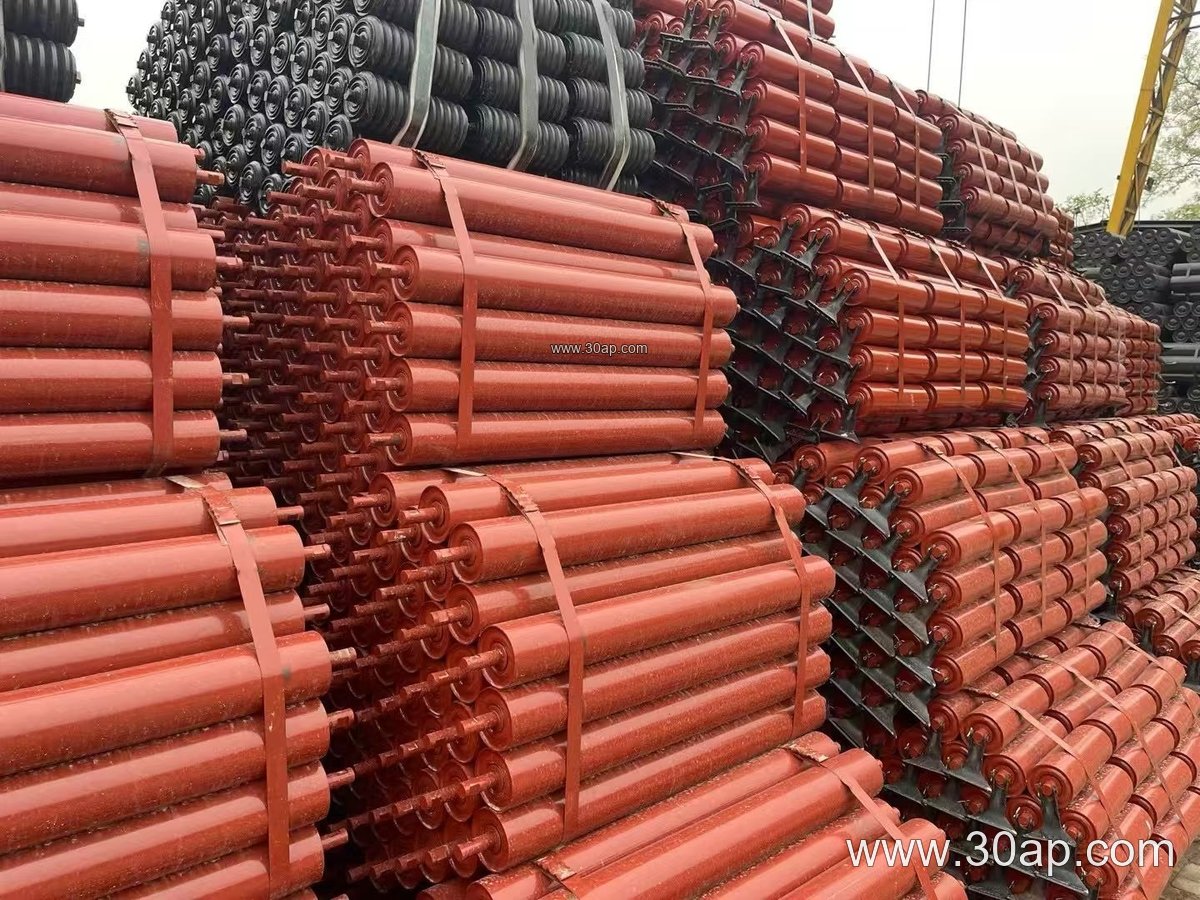
A well-built idler roller typically consists of a steel tube shell, bearing housings, seals, and a shaft. The shell may be plain steel, nylon-coated, ceramic-lined, or fitted with rubber rings for impact absorption. Bearings such as 6204, 6205, 6305, 6306, 6308, or 6310 are common, selected according to load and speed requirements. Effective sealing is essential to keep out dust and moisture, especially in harsh environments. The roller length varies with belt width, trough angle, and idler arrangement; for example, a three-roll troughing set might use rolls around 200 mm for B500, 315 mm for B800, or 600 mm for B1600, but these are typical examples and final dimensions are determined by design.
Where Durable Conveyor Idlers Are Used
These idlers are found in quarry and aggregate operations, coal washing plants, cement kilns, power station coal yards, and port bulk terminals. In a quarry, they support abrasive rock and stone on heavy-duty conveyor belts. In a coal mining application, flame retardant and anti-static properties may be required, and idlers must withstand fines and moisture. The same durable idler roller design is used under crusher discharge conveyors, along ship loading systems, and in tunnel spoil removal. The choice of idler type—troughing, impact, return, or self-aligning—depends on the belt section and material characteristics.
Types and Configurations
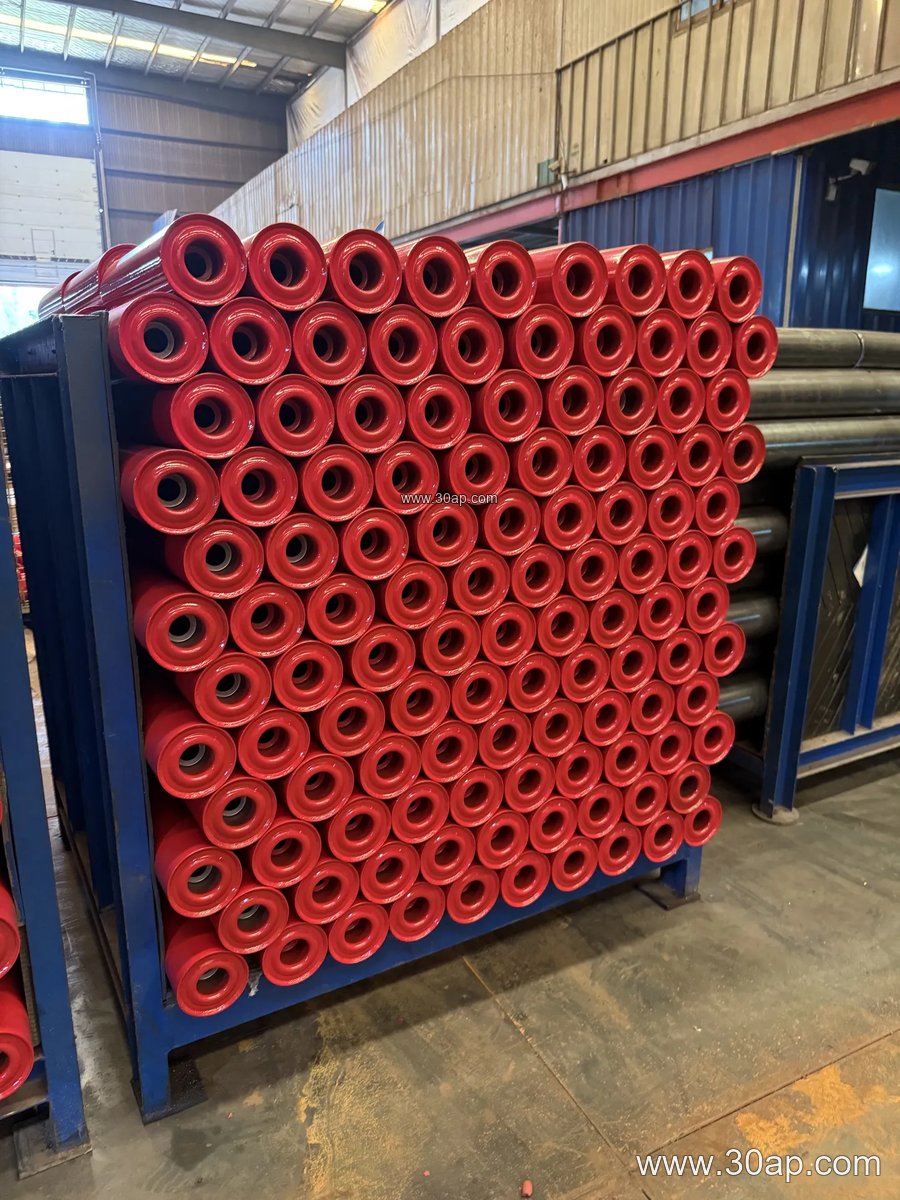
Common idler types include troughing idlers (single, two-roll, or three-roll), transition idlers, return idlers (flat or V-shaped), impact idlers with rubber rings, spiral idlers, and self-aligning idlers (friction or tapered). Trough angles of 20, 30, 35, or 45 degrees are typical. For self-aligning or forward-leaning designs, a lead angle of about 1.5 to 2 degrees is sometimes used. The table below lists common idler diameters and belt width ranges for reference; actual selection must consider load, speed, and environment.
| Idler Diameter (mm) | Typical Belt Width Range (mm) | Common Bearing Examples |
|---|---|---|
| Ø63 | B400–B500 | 6204 |
| Ø76 | B500–B650 | 6205 |
| Ø89 | B650–B800 | 6205/6305 |
| Ø102 | B800–B1000 | 6305 |
| Ø108 | B800–B1200 | 6305/6306 |
| Ø127 | B1000–B1400 | 6306 |
| Ø133 | B1200–B1400 | 6306/6308 |
| Ø159 | B1400–B1600 | 6308 |
| Ø178 | B1600–B1800 | 6308/6310 |
| Ø194 | B1800–B2000 | 6310 |
| Ø219 | B2000–B2400 | 6310 |
Roll length for three-roll troughing sets commonly ranges from about 200 mm for B500 up to 750 mm for B2000, but side and center rolls can differ. Always confirm dimensions with the conveyor design.
Selection and Maintenance Tips
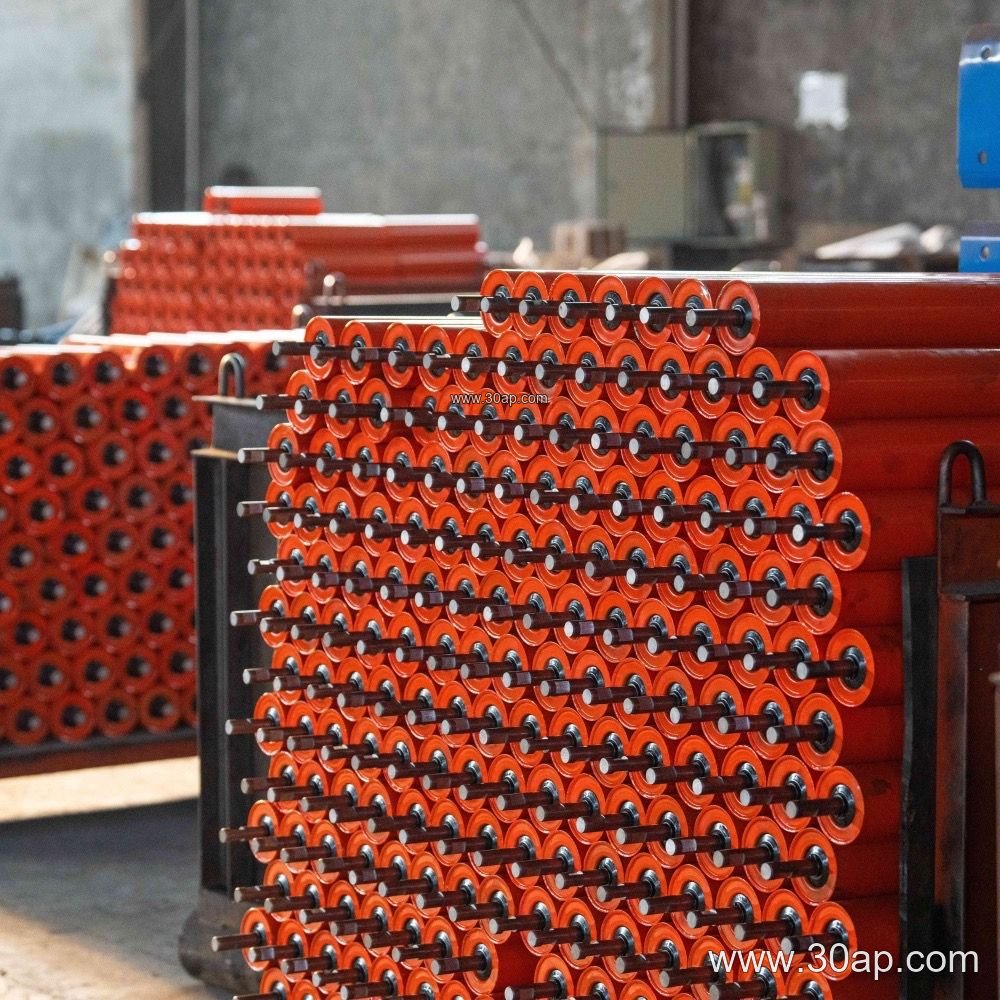
When choosing a durable conveyor idler, consider the material being carried, belt speed, load, and environmental conditions. Abrasive materials such as iron ore or copper ore demand wear-resistant shells and seals. In food or chemical plants, oil resistant or acid resistant conveyor belts may be used, and idlers should be compatible with cleaning routines. For high-impact zones, rubber-ring impact idlers protect the belt. Regular inspection of idler rotation, seal condition, and frame alignment helps prevent belt mistracking and premature failure. Lubrication-free sealed bearings reduce maintenance in dusty sites like cement plants and coal yards. Remember that idlers work with conveyor brackets and pulleys to keep the whole system efficient.
Buyer Checklist
- Confirm belt width and trough angle to determine idler roll length and diameter.
- Match bearing size to load and speed; do not assume one bearing fits all.
- Select shell material and coating based on abrasion, impact, and corrosion.
- Verify sealing class for dusty or wet conditions.
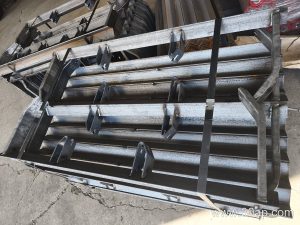
- Check that idler frames and brackets suit the conveyor structure.
For more information on idlers and related components, visit our site at www.example.com/conveyor-idler or www.example.com/durable-idler. A well-chosen durable conveyor idler reduces downtime and keeps bulk material moving in mining, quarrying, power, and cement operations.