What an Anti-Tracking Idler Does on a Conveyor
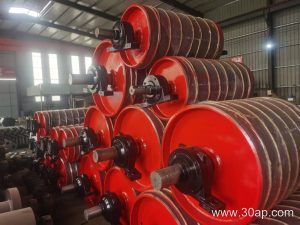
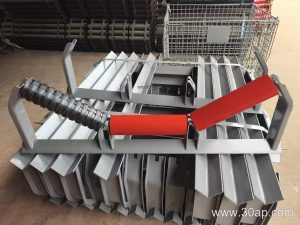
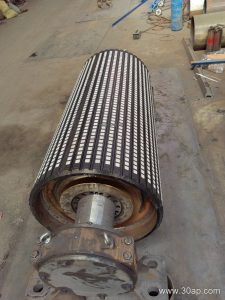
An anti-tracking idler is a training idler built to keep a conveyor belt centred on its path. On a long run, even a small drift can grow into edge damage, spillage and uneven wear. The anti-tracking idler corrects that drift by using inclined rollers or a pivoting frame that steers the belt back toward the centre line. It is a supporting component, not a drive unit, so it works alongside the conveyor pulley, conveyor bracket and idler roller sets that carry the belt.
Plants handling bulk material often ask about this component as a self-aligning idler or belt training idler. These are accurate equivalent names for the same product family. The anti-tracking idler should not be confused with a drive pulley, tail pulley or bend pulley, which transmit or redirect belt tension rather than correct belt tracking.
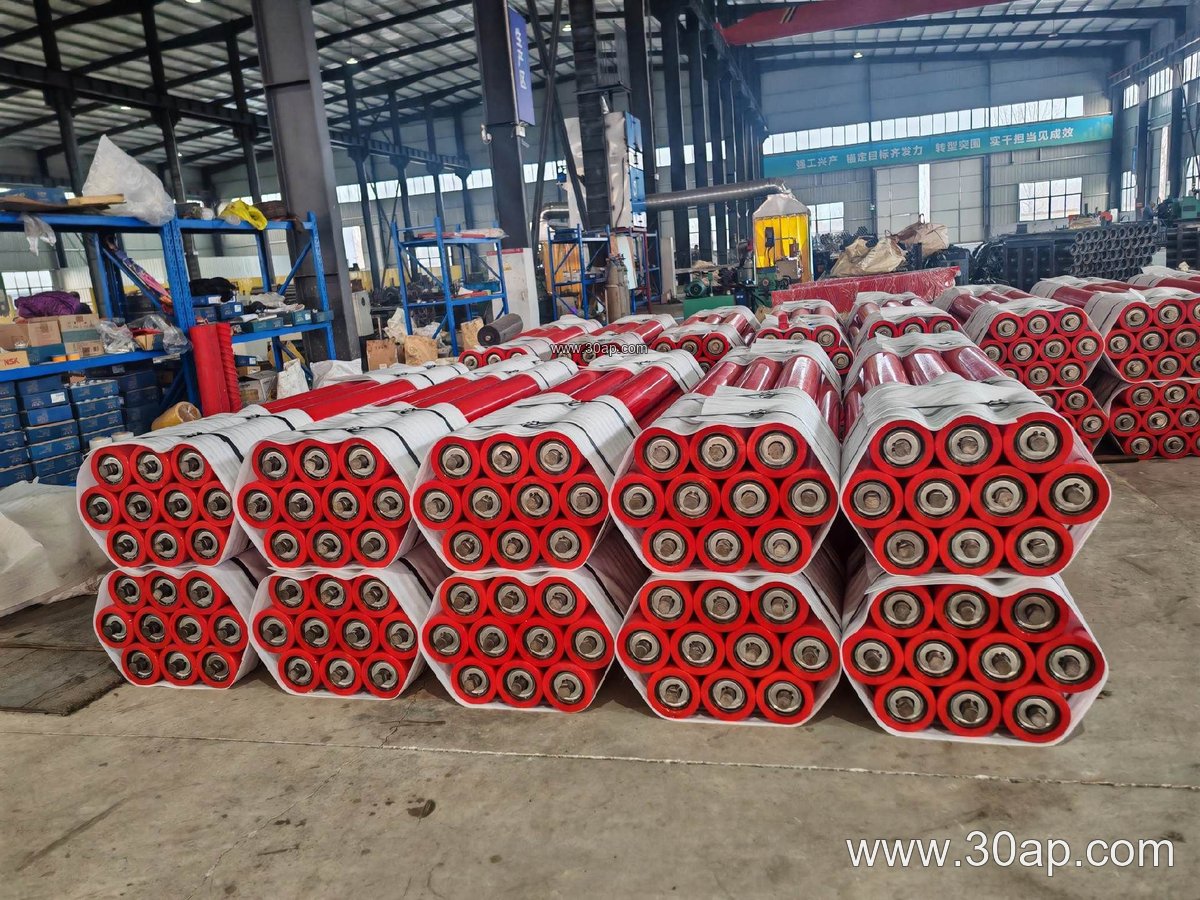
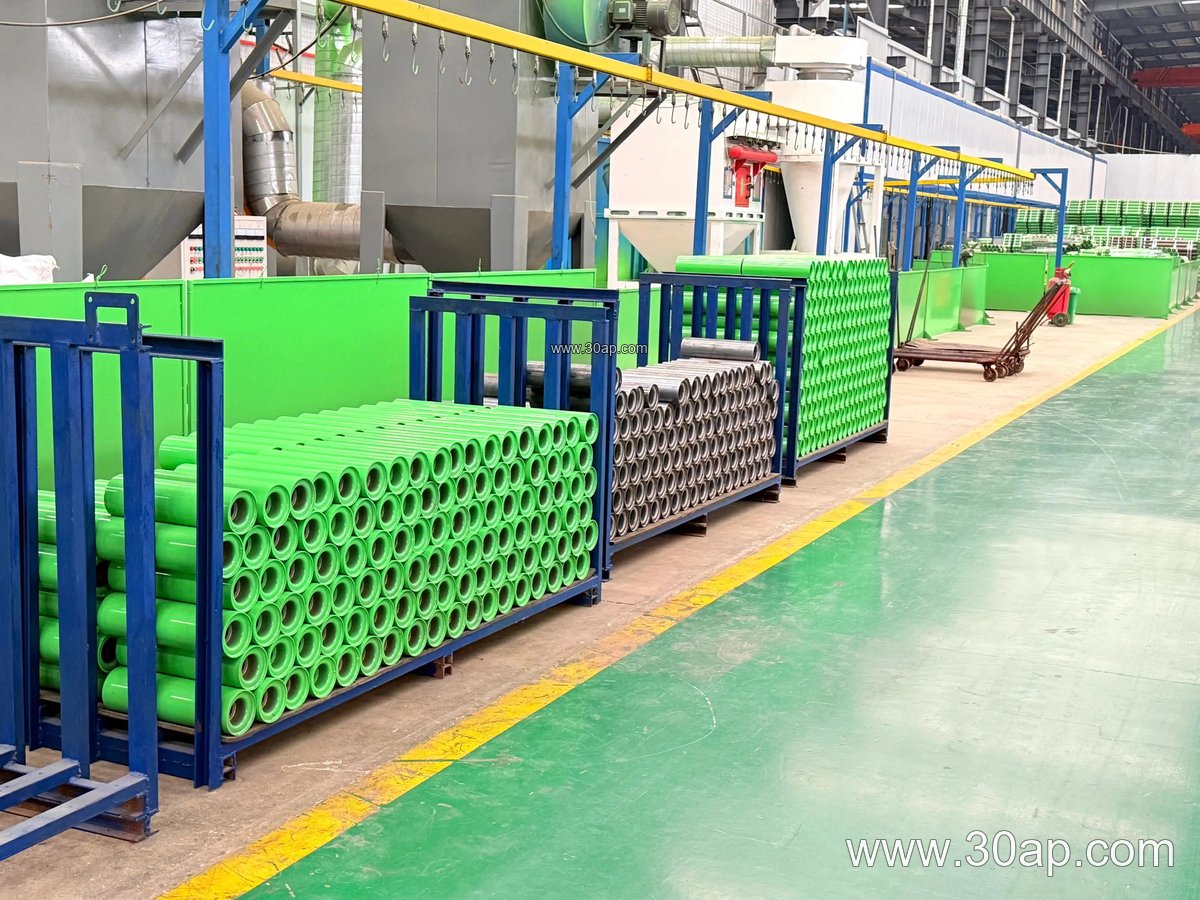
How the Anti-Tracking Idler Is Built
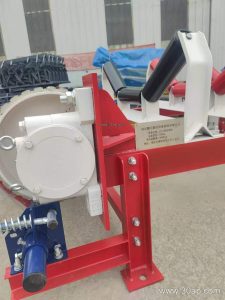
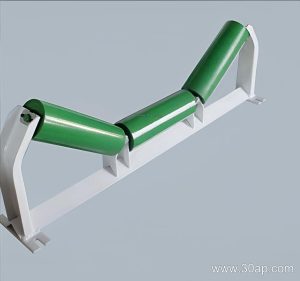
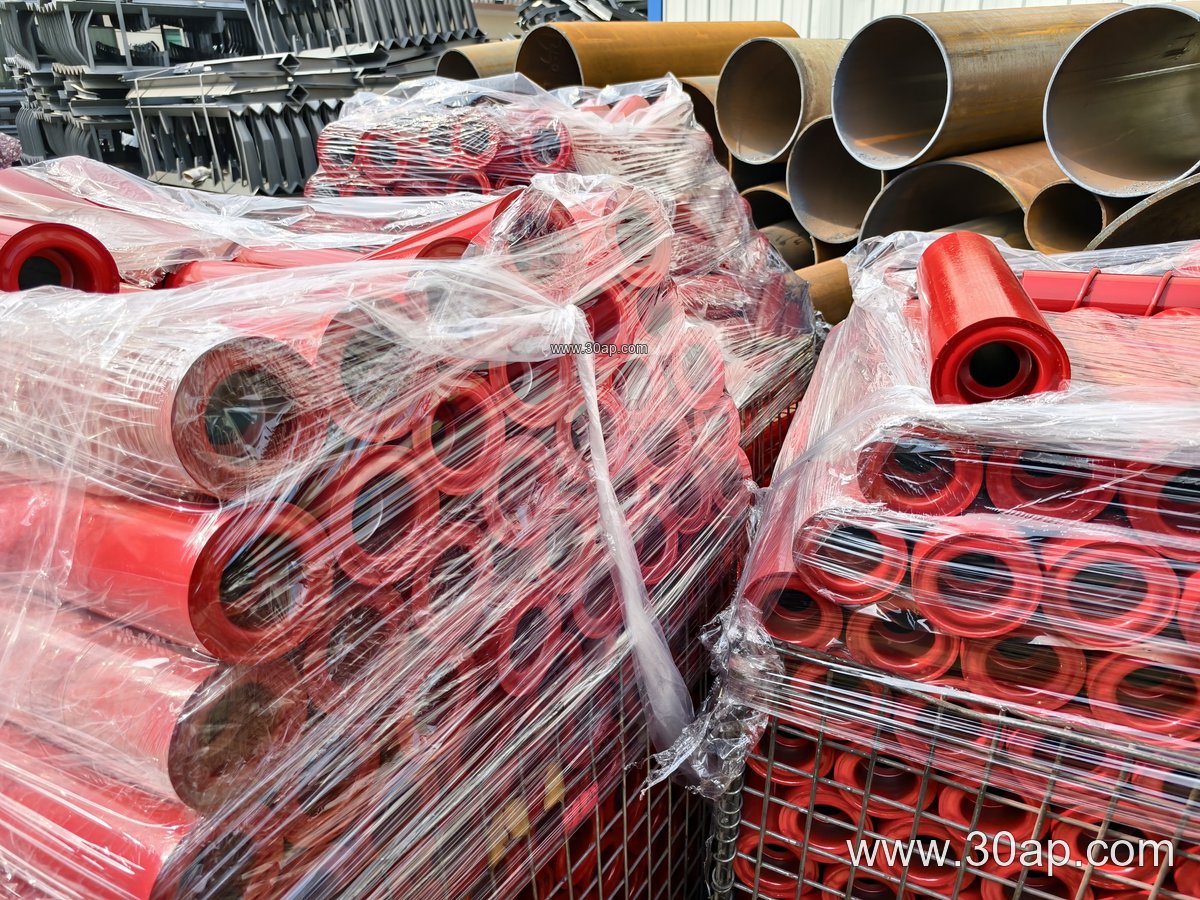
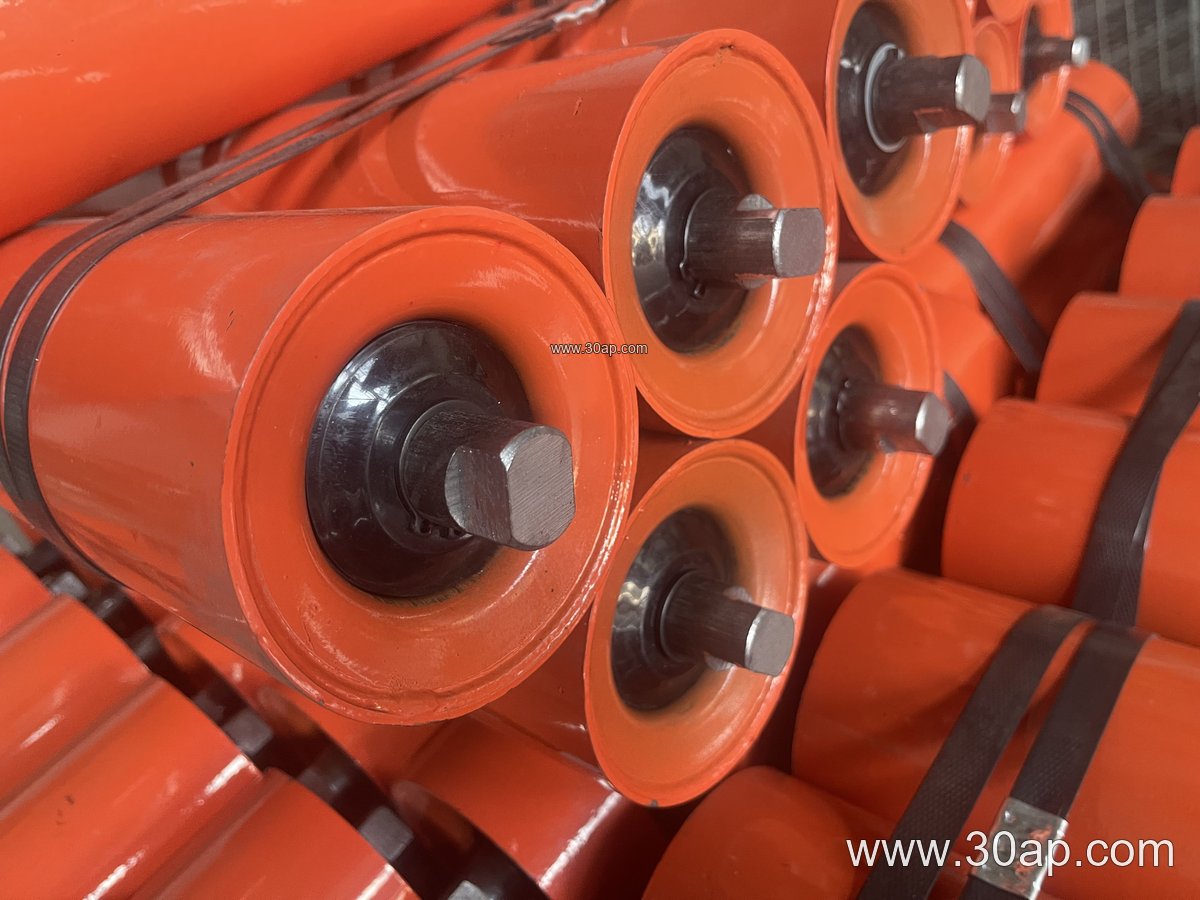
The frame usually carries two or three rollers set at an angle, with the whole assembly able to pivot slightly about a vertical or horizontal axis. When the belt touches a side roller, the friction turns the frame and pushes the belt back. Roller shells are commonly steel tube, nylon, ceramic or rubber ring, and the bearing housing is sealed to keep out dust and water.
Common roller diameters for training idlers include Ø89, Ø108, Ø127, Ø133 and Ø159 mm, while heavier duty frames may use Ø178 or Ø194 mm. Bearing sizes such as 6205, 6305, 6306 and 6308 appear in many designs. These values are reference data, not a fixed match; the final choice depends on belt width, load and frame design.
Typical reference dimensions
| Belt width | Common roller length (three-roll trough) | Typical roller diameter range |
|---|---|---|
| B500 | about 200 mm | Ø76 to Ø108 mm |
| B650 | about 250 mm | Ø89 to Ø108 mm |
| B800 | about 315 mm | Ø89 to Ø133 mm |
| B1000 | about 380 mm | Ø108 to Ø133 mm |
| B1200 | about 465 mm | Ø108 to Ø159 mm |
| B1400 | about 530 mm | Ø127 to Ø159 mm |
| B1600 | about 600 mm | Ø133 to Ø178 mm |
| B1800 | about 670 mm | Ø133 to Ø194 mm |
| B2000 | about 750 mm | Ø159 to Ø194 mm |
Trough angles of 20, 30, 35 and 45 degrees are common, and a forward tilt of about 1.5 to 2 degrees is sometimes used on training rollers. Side rollers and centre rollers can differ in length, so the table is only a guide.
Where It Fits in the Conveyor Line
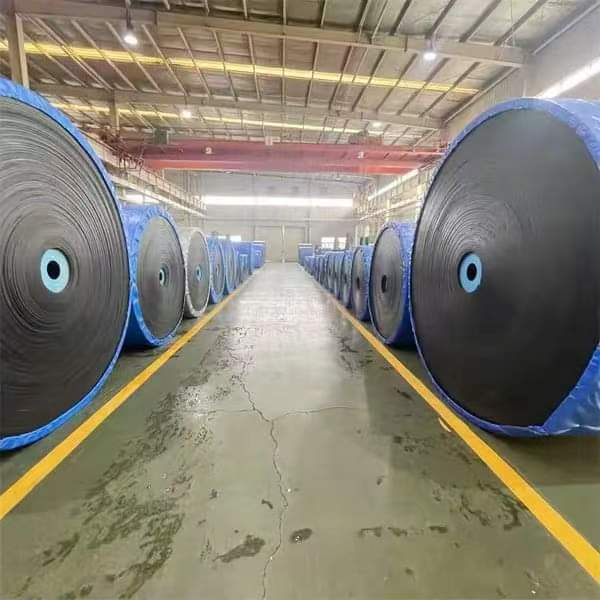
Training idlers are usually placed on the carrying side just after the loading point, before curves and at intervals along long runs. In a quarry or sand and gravel line, an anti-tracking idler helps hold a Fabric Core Conveyor Belt or EP Conveyor Belt on the structure after a crusher discharge. In a coal washing plant or power plant coal yard, it works with a Flame Retardant Conveyor Belt to reduce edge rubbing on the frame.
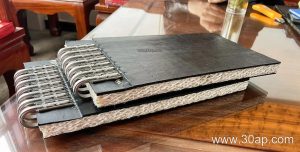
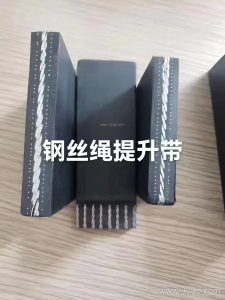
On heavier duty circuits, such as an iron ore or copper ore transfer, a Steel Cord Conveyor Belt may call for a stronger training frame with larger rollers. The same principle applies to an Abrasion Resistant Conveyor Belt in a cement plant or a Heat Resistant Conveyor Belt near a clinker cooler, where misalignment quickly wears belt edges.
Buyer Checklist
- Confirm belt width, trough angle and whether the frame is two-roll or three-roll.
- Match roller diameter and bearing size to load and speed, not to belt width alone.
- Check that the training frame can pivot freely and that the pivot is protected from dust.
- Ask how the idler is mounted to the conveyor bracket and whether the structure is flat or inclined.
- Consider the belt type in use, from a Multi-Ply Fabric Core Conveyor Belt to a Corrugated Sidewall Conveyor Belt, since sidewalls and cleats can limit training options.
An anti-tracking idler is a small part of the total conveyor, but it protects the belt, the conveyor pulley and the whole structure. Correct selection, free pivoting and regular inspection keep the belt running straight in mines, quarries, cement works and ports.