What a Port Conveyor Belt Does
A port conveyor belt is the continuous load-carrying element in the bulk material handling chain that links wharfside unloading, stockyard transfer, and ship loading. Unlike a generic factory conveyor, this belt works in a corrosive salt-air environment with high daily throughput, frequent starts under load, and the need to keep dusty cargo contained. The same product is often called a ship loading conveyor belt when it runs on the loading boom, and a bulk material conveyor belt when it moves ore, coal, grain, or fertilizer across the terminal. Choosing the right construction is a matter of matching the belt to the cargo, the conveyor profile, and the pulley and idler roller arrangement on site.
Construction and Belt Families
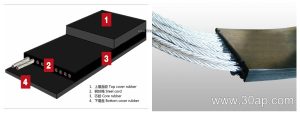
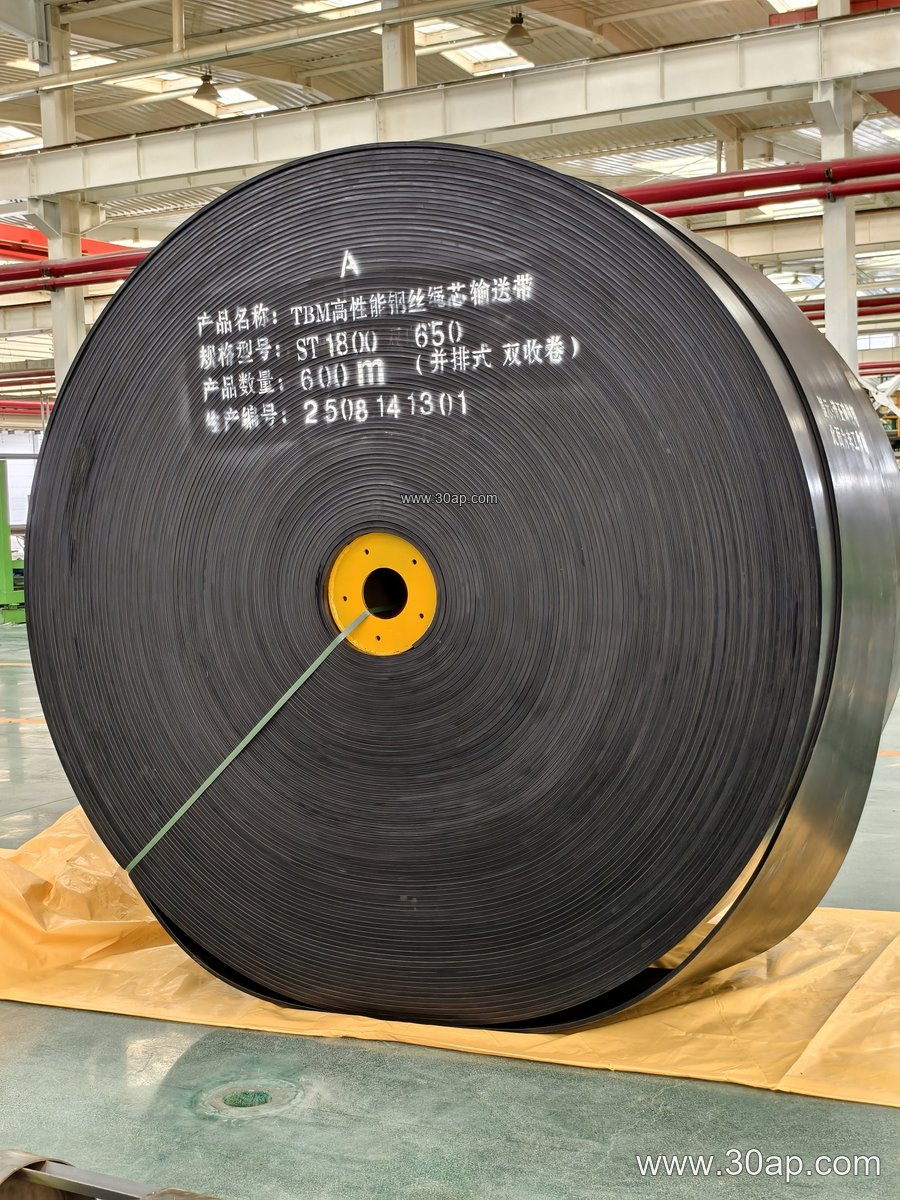
The carcass carries tension and the cover rubber protects it. For port duty, the most common carcass families are EP conveyor belt (polyester-nylon), NN conveyor belt (nylon-nylon), and steel cord conveyor belt for long, high-tension runs. A fabric core conveyor belt with multiple plies is still widely used on medium-duty yard conveyors, while a steel cord belt suits the main line where stretch must stay low. Cover compounds are selected for the cargo: abrasion resistant conveyor belt for iron ore and sinter, oil resistant conveyor belt for certain fuels and chemicals, heat resistant conveyor belt for clinker or coke, and flame retardant conveyor belt where fire safety rules apply. Anti-static conveyor belt grades are also common in coal and dust-heavy terminals.
Where It Is Used
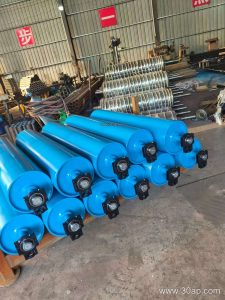
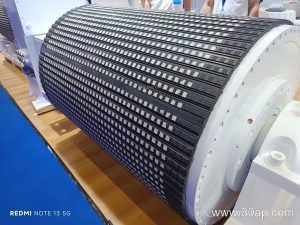
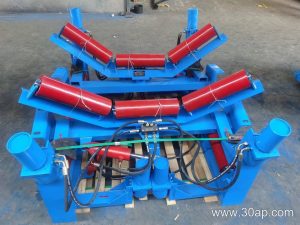
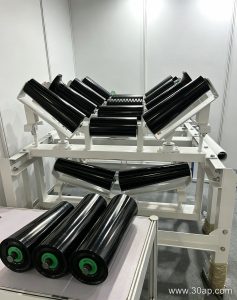
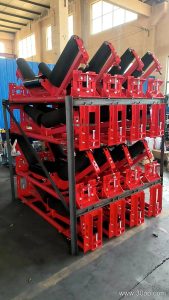
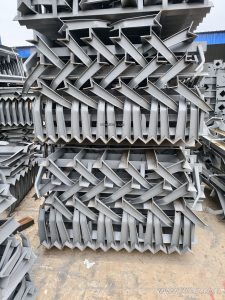
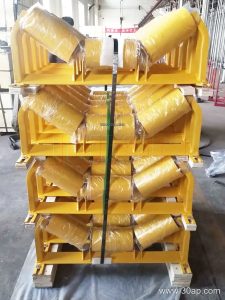
Ports handle a wide mix of cargo, so the belt specification changes from one berth to another. Coal conveyor belt and ore conveyor belt duties are typical, along with aggregate conveyor belt service for sand and gravel. Cement plant and power plant terminals use similar belts for limestone and fuel transfer. In a mining conveyor belt context, the same belt may feed a crusher conveyor belt or a stacker line before the cargo ever reaches the ship. The belt also works alongside conveyor pulley assemblies, idler rollers, and conveyor brackets, and the alignment of these components affects belt life as much as the belt itself.
Common Specifications
Port belts are usually ordered by carcass type, strength, width, and cover thickness. The values below are common reference ranges, not a fixed supply promise; each terminal should confirm its own design figures. Belt width should be matched to the conveyor design and pulley face, not chosen alone.
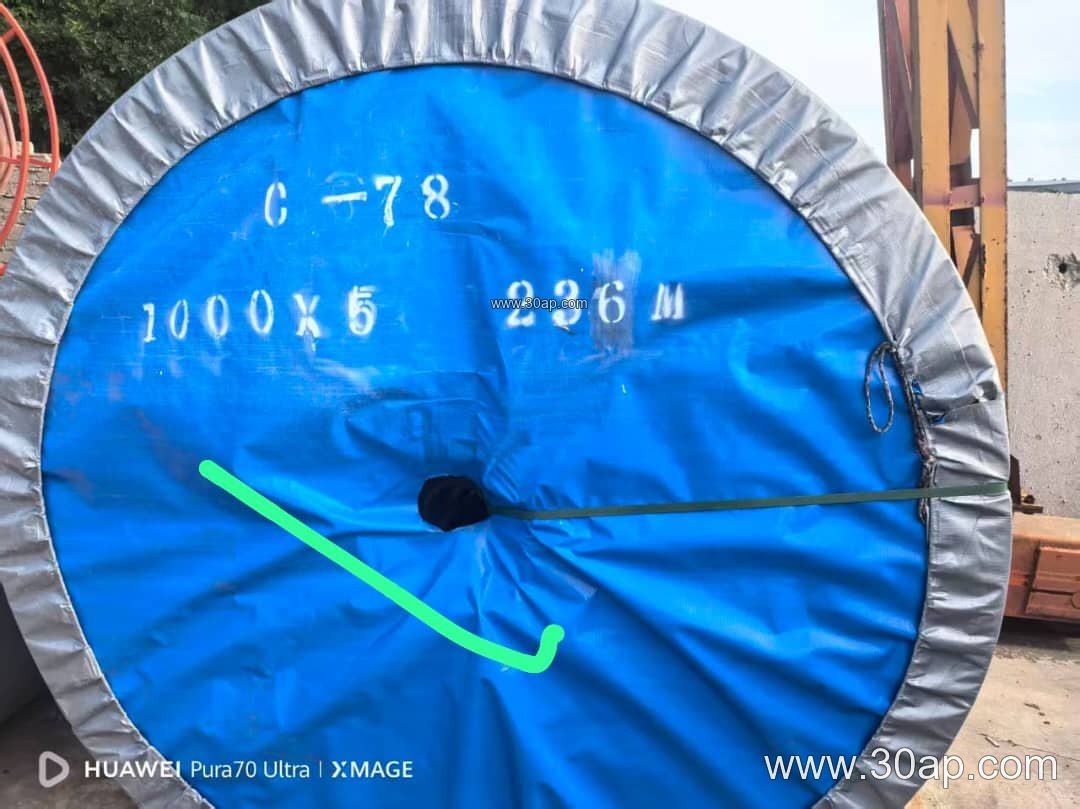
- EP conveyor belt grades: EP200, EP315, EP400, EP500, EP630, EP800, EP1000, EP1250, EP1600
- Steel cord grades: ST1000, ST1250, ST1600, ST2000, ST2500
- Common belt widths: B650, B800, B1000, B1200, B1400, B1600, B1800, B2000
- Cover thickness examples: 4+2 mm, 5+2 mm, 6+2 mm, 8+3 mm
For example, an EP1000 1200mm conveyor belt is a frequent combination for a main yard conveyor, while an EP1250 1800mm belt may appear on a high-capacity ship loader. Ports that need cargo containment often specify a corrugated sidewall conveyor belt or a skirted conveyor belt, and steep inclines may call for a chevron conveyor belt. A pipe conveyor belt is another option when dust control and route flexibility matter.
Buyer Checklist
Before ordering, confirm the cargo type, lump size, throughput, and conveyor profile. Check the pulley diameters and the idler roller spacing so the belt carcass can flex without over-stressing. Ask for the cover grade and carcass ply count in writing, and confirm whether the belt will be supplied as an endless conveyor belt or in open lengths for field splicing. For coal and dust service, verify the flame retardant and anti-static properties. For cold climates, a cold resistant conveyor belt may be needed, and for fertilizer or acid exposure, an acid resistant or chemical resistant grade should be reviewed.
Maintenance Notes
Belt life at a port depends on good housekeeping. Keep the conveyor pulley clean and check lagging wear, because a slipping drive pulley can damage the belt cover. Inspect idler rollers for seized bearings, since a single bad roller can cause edge damage. Check conveyor brackets for corrosion in salt air. Track belt edge wear and splice condition regularly, and re-tension only to the manufacturer’s recommendation. A well-matched port conveyor belt, combined with correct pulley and idler maintenance, will usually deliver a longer service interval than a low-cost belt that is over-tensioned or misaligned.