What a Four-Roll Idler Bracket Does
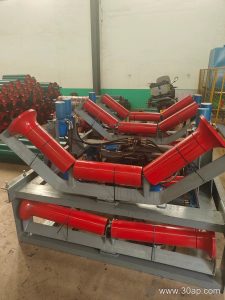
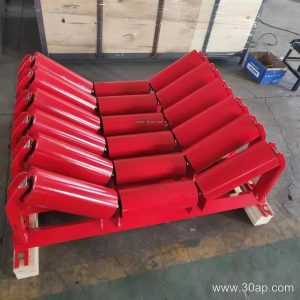
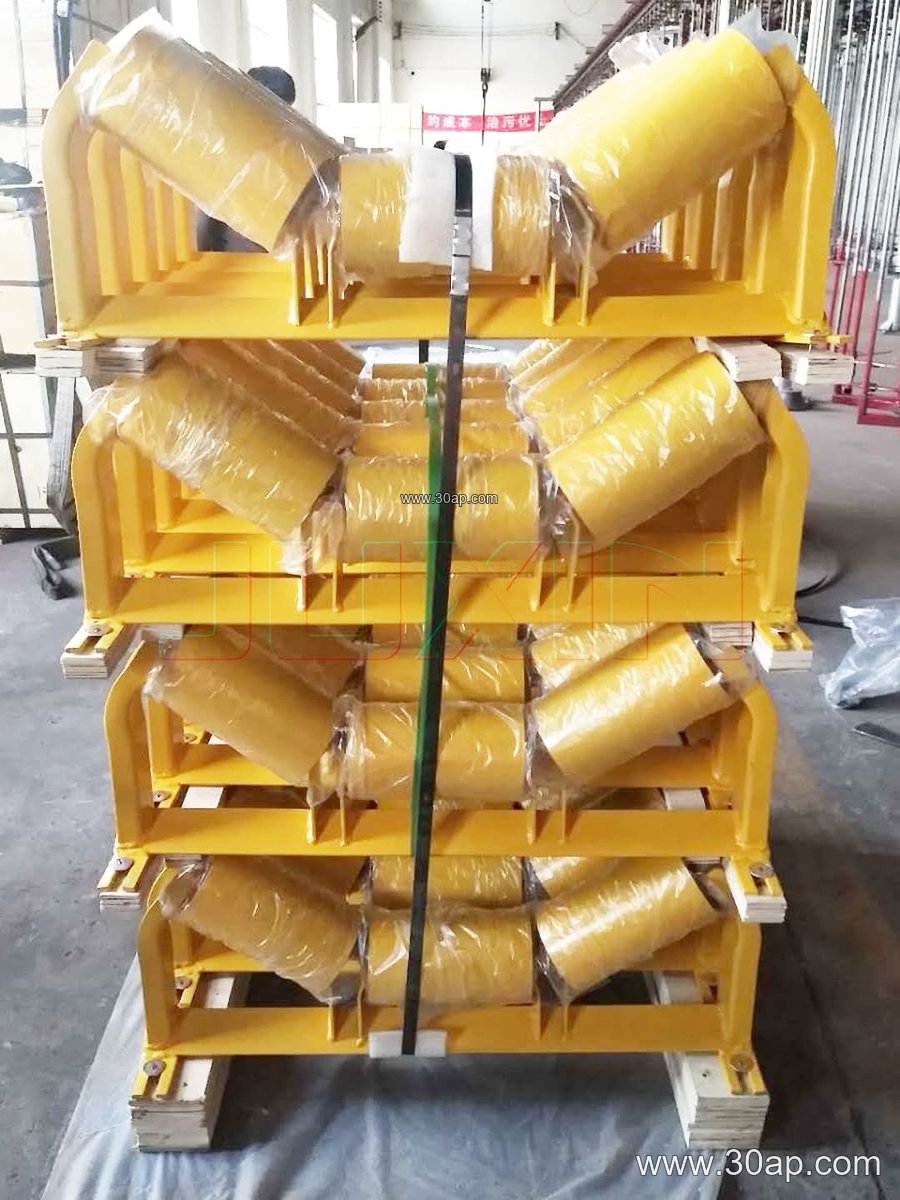
A four-roll idler bracket is the support frame that holds four idler rollers in a trough-shaped arrangement across the carrying side of a conveyor. Instead of the common three-roll trough set, this bracket spreads the belt over four contact points, which can give smoother support for wide belts and heavy loads. It is a structural component, not a rotating part: the bracket carries the load, sets the trough angle, and keeps the rollers aligned so the conveyor belt runs without pinch points or excessive edge stress.
Because the belt is supported at four positions, the span between individual rollers is shorter. On wide, heavily loaded belts this can reduce sag between rollers and spread the load more evenly across the belt carcass. That matters in places such as a cement plant clinker line, a power plant coal yard, or a limestone quarry where tonnage is high and downtime is costly.
Construction and Mounting
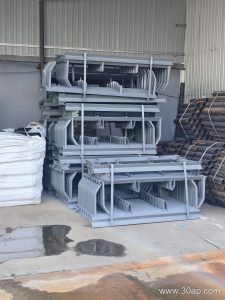
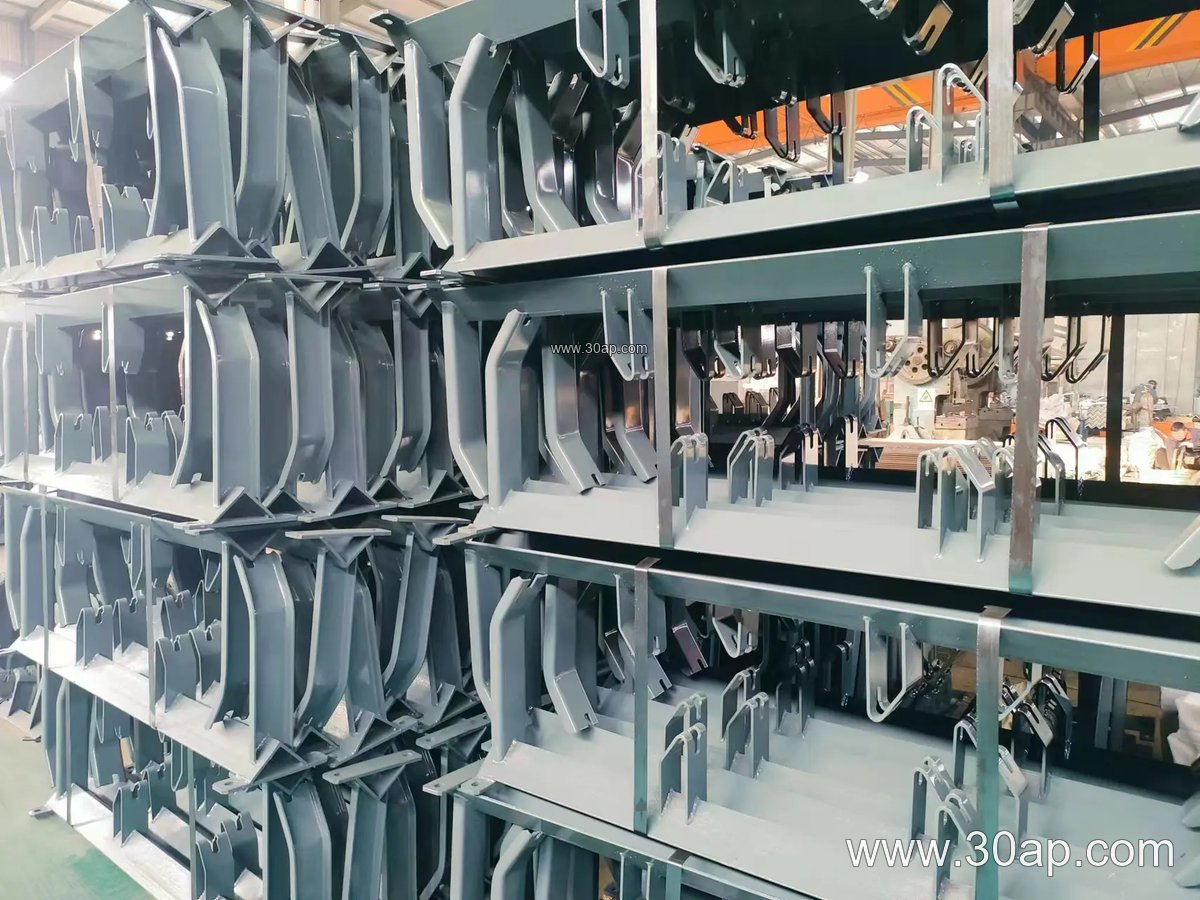
Most four-roll idler brackets are fabricated from angle steel, channel steel, or bent steel plate. The frame usually consists of a cross beam that bolts to the conveyor stringer, plus inclined roller seats that position each idler at the required trough angle. Roller seats may be fixed or adjustable, depending on the design.
- Fixed version: the trough angle is set at fabrication, giving a rigid and repeatable profile.
- Adjustable version: the outer roller positions can be changed to tune the trough between common angles such as 20, 30, 35, and 45 degrees.
- Mounting: bolt holes and beam length are determined by belt width and trough angle, so they are not universal dimensions.
The bracket works together with the idler roller and the conveyor belt. Correct roller seating keeps the belt centered, and a well-aligned frame reduces edge wear. In dusty or wet conditions, the frame should allow water and fines to drain rather than collect around the roller seats.
Where It Fits in a Conveyor
Four-roll brackets are typically used on the carrying run of wide conveyors, especially where belt width and load call for closer support spacing. They are less common on the return run, where V-return or flat return brackets usually do the job. They should not be confused with drive, tail, or bend pulleys, which are completely different components handling belt tension and direction changes.
Typical duty locations include:
- Wide belt sections in a coal mining or underground mining conveyor system
- Heavy-load transfer points in a quarry or aggregate plant
- Long overland runs in a cement plant or steel plant
- Bulk material handling lines at a port or ship loading facility
In these settings the bracket often sits under an abrasion resistant conveyor belt or a heavy-duty mining conveyor belt, where even support helps protect the carcass and cover.
Common Reference Dimensions
The table below shows typical reference ranges. Actual hole spacing, beam length, and roller positions are set by the conveyor designer and should be confirmed against the belt width, trough angle, and roller diameter.
| Parameter | Common Reference Values |
|---|---|
| Belt width | B500, B650, B800, B1000, B1200, B1400, B1600, B1800, B2000, B2200 |
| Trough angle | 20°, 30°, 35°, 45° (adjustable brackets can move between these) |
| Roller diameter | Ø89, Ø108, Ø133, Ø159, Ø194 |
| Frame material | Angle steel, channel steel, bent steel plate |
Example combinations sometimes seen in design notes include B800 with 35° and Ø108, B1200 with 45° and Ø133, or B650 with 30° and Ø89. These are illustrations, not fixed rules. A given belt width can work with more than one trough angle and more than one roller diameter, depending on load, speed, and belt stiffness.
Buyer Checklist
Before ordering a four-roll idler bracket, confirm the following with the conveyor designer or the bracket supplier:
- Belt width and trough angle: these determine beam length and roller seat positions.
- Roller diameter and shaft size: the seat must match the idler roller used.
- Fixed or adjustable: choose adjustable if the trough angle may need tuning later.
- Material and finish: consider galvanized or painted frames for wet or corrosive service.
- Mounting hole pattern: confirm it matches the existing stringer.
It also helps to state the belt type in service. A steel cord conveyor belt, an EP conveyor belt, or a flame retardant conveyor belt may each call for different support spacing and roller selection, and the bracket must match the overall conveyor design rather than be chosen in isolation.
For matching rollers, belts, and brackets, buyers can review conveyor bracket options alongside idler roller and conveyor pulley data at the supplier’s site. A four-roll idler bracket is a small part of the conveyor, but it directly affects belt life, alignment, and the reliability of the whole bulk handling line.