What the EP1250 1800mm Conveyor Belt Is
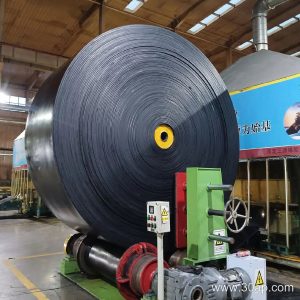
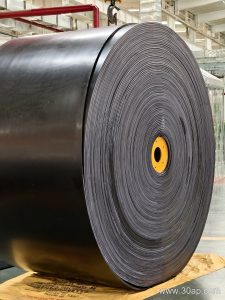
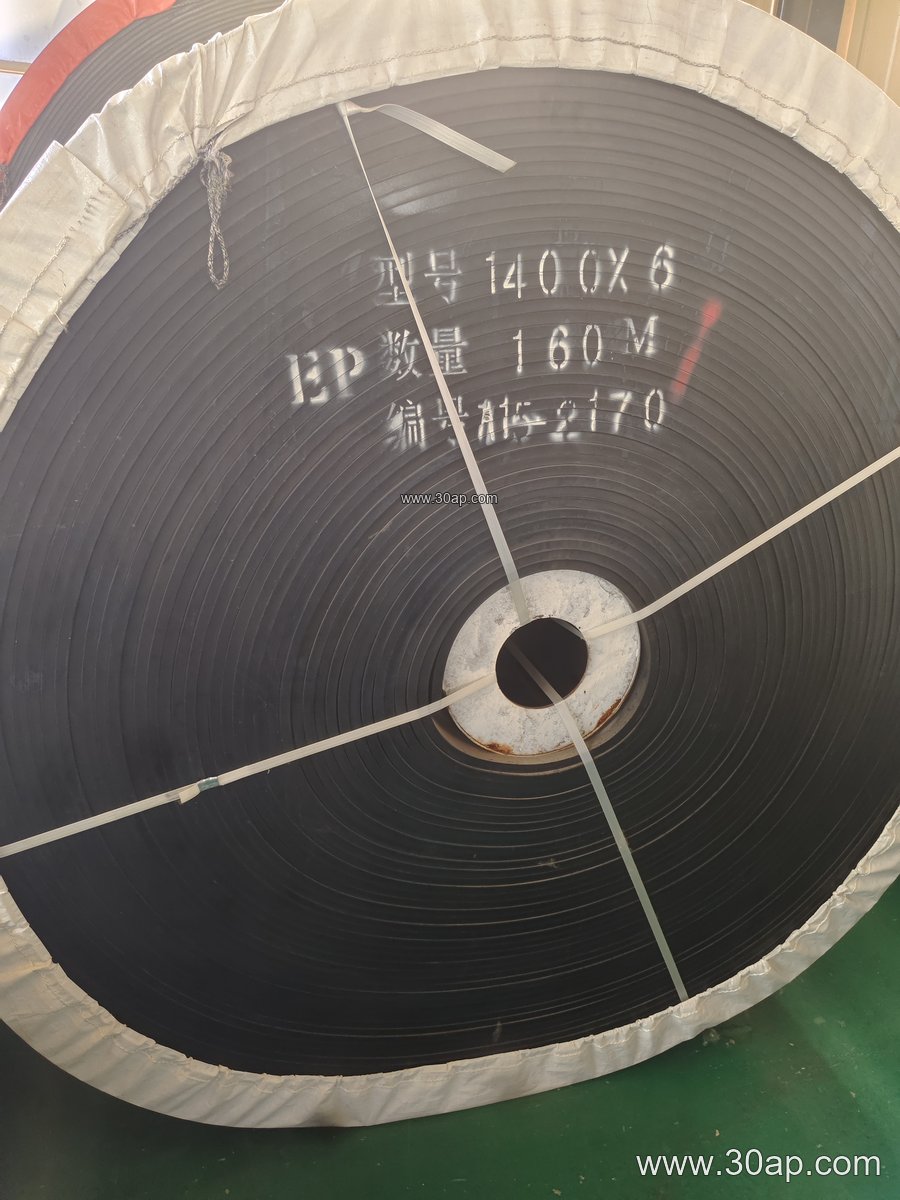
The EP1250 1800mm conveyor belt is a wide, multi-ply fabric core belt built around polyester-cotton (EP) canvas. In this designation, EP1250 refers to the nominal tensile strength of the carcass, commonly expressed in N/mm, while 1800mm is the full belt width. It is the kind of heavy-duty belt chosen when a single conveying line must move large tonnages of bulk material across long distances without excessive stretching.
Because the carcass is a fabric core rather than steel cord, the belt stays relatively flexible, trains well on conventional troughing idlers, and is easier to splice in the field. That combination makes the EP1250 1800mm Conveyor Belt a practical middle ground between lighter EP constructions and rigid steel cord belts.
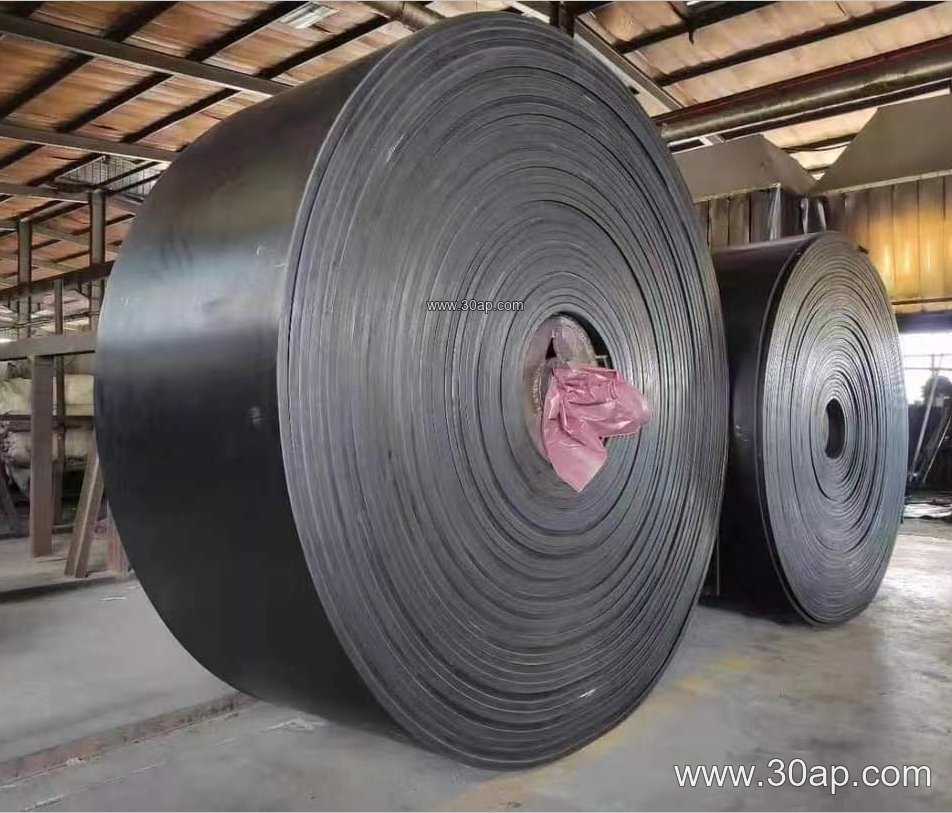
Construction and Build
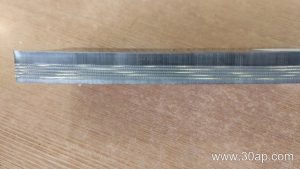
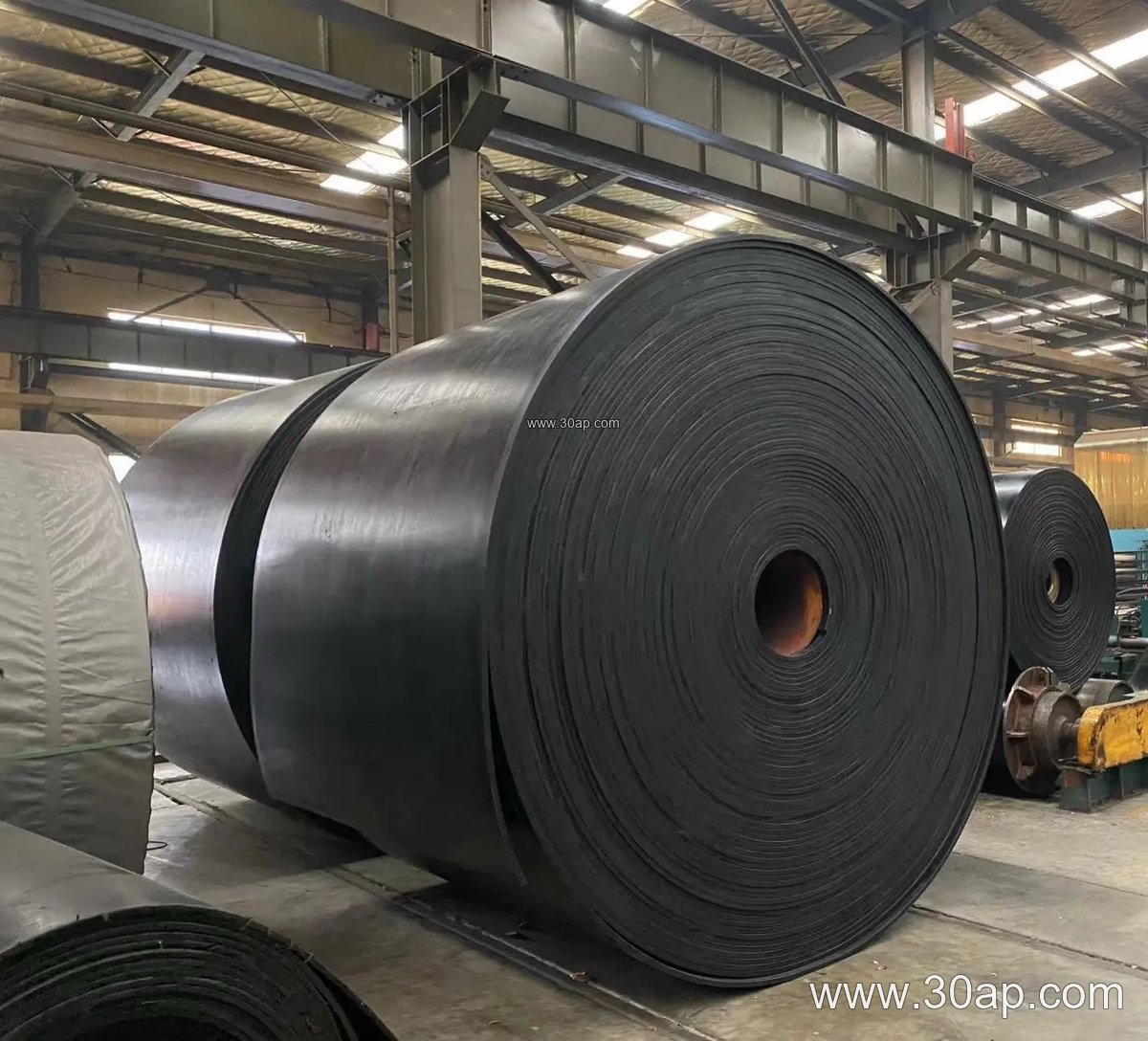
A typical belt of this class uses two to six plies of EP fabric, bonded with skim rubber and protected by top and bottom cover compounds. Cover thickness is usually stated as a pair, for example 6+2 mm or 8+3 mm, with the first figure being the carrying side and the second the pulley side. The rubber grade is selected for the duty: abrasion resistant for ore and aggregate, flame retardant for underground coal mining, heat resistant near clinker or sinter, and oil resistant where lubricants or vegetable oils are present.
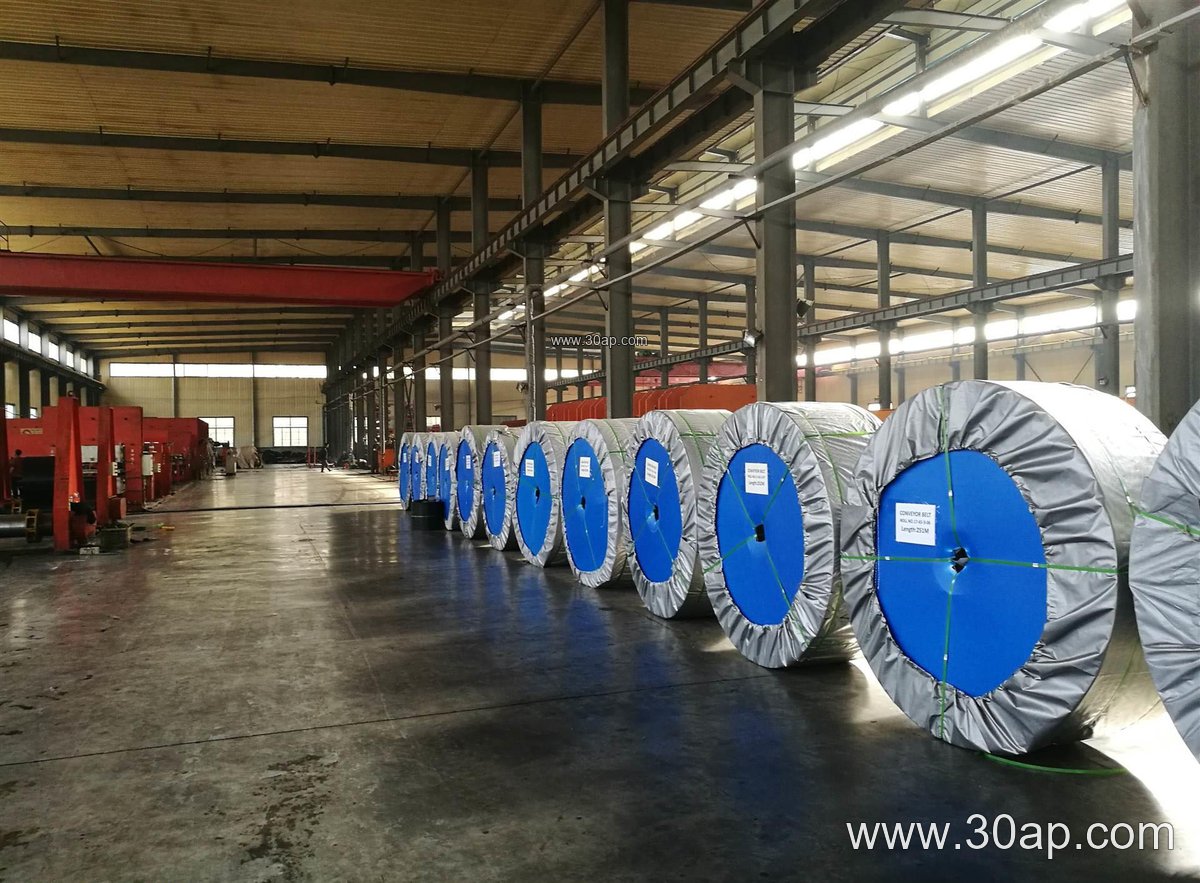
Edge construction also matters on an 1800mm wide belt. Cut edges are common, but moulded edges reduce fraying where the belt runs against skirt rubber or misaligns slightly. Buyers should confirm ply count, cover grade and cover gauge rather than relying on the strength rating alone.
Where It Fits in a Plant
Wide belts of this strength are common in mines, coal preparation plants, cement works, power stations, steel plants, quarries, sand and gravel operations, ports and large crushing circuits. They suit primary and secondary haulage lines, stockyard feed conveyors and ship loading systems where throughput is high and the material is abrasive or lumpy.
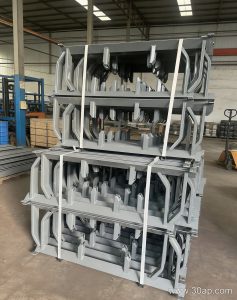
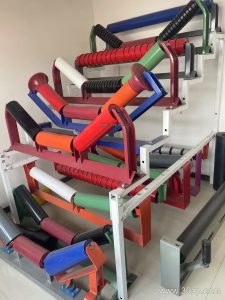
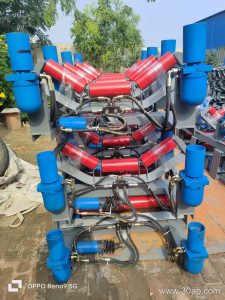
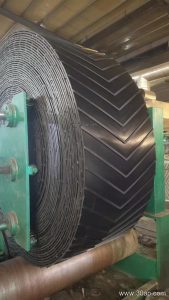
The belt runs over troughing idler roller sets, wraps the drive and tail pulleys, and is supported at transfer points by impact idlers and conveyor brackets. A conveyor pulley, whether drive, tail or bend, is selected from the actual tension and shaft load calculation, not from belt width alone. Matching an 1800mm belt to a single pulley diameter is not a fixed rule, and the final geometry should come from the conveyor designer.
Common Reference Data
The figures below are typical reference values, not universal specifications. Actual constructions vary between manufacturers and should be confirmed against the design duty.
| Parameter | Common reference |
|---|---|
| Belt type | EP1250 1800mm Conveyor Belt (EP fabric core) |
| Nominal carcass strength | EP1250, typically around 1250 N/mm |
| Belt width | 1800 mm |
| Ply count | Usually 3 to 5 plies, sometimes 6 |
| Cover thickness examples | 6+2 mm, 8+3 mm |
| Cover grades | Abrasion resistant, flame retardant, heat resistant, oil resistant, anti-static |
| Related widths in the same family | B1600, B2000, B2200 |
| Related strength grades | EP1000, EP1600, EP2000 |
Selection Points for Buyers
- Check the calculated maximum belt tension against the EP1250 rating with a sensible service factor.
- Confirm cover grade and gauge for the real material: wet abrasive stone, hot clinker, coal dust or oily scrap all demand different compounds.
- Ask about splice method and whether the supplier supports vulcanised joints at this width.
- Review pulley diameters, trough angle and transition distance together with the belt, since an 1800mm belt needs adequate transition length to avoid edge stress.
- Consider whether a different construction suits the line better. A steel cord conveyor belt may be preferred for very long lifts, while an NN conveyor belt can be an alternative where lower tension and higher elongation are acceptable.
Installation and Care
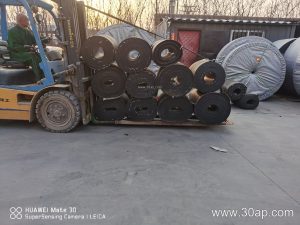
Alignment is critical on wide belts. Check that idler roller frames, conveyor brackets and pulleys are square, and keep the belt centred during the first runs. Store rolls on a clean, dry surface, avoid sharp bends, and inspect covers for cuts and edge damage at regular intervals. Keeping the belt clean and the skirt rubber correctly adjusted limits edge wear and extends service life.
For high-abrasion duties such as iron ore, copper ore, quarry rock or cement clinker, an abrasion resistant conveyor belt grade is usually the sensible default. Where the line runs underground in coal mining, flame retardant and anti-static properties should be specified together and verified by test documentation from the supplier.
Whether the project involves矿山, 煤矿, 水泥厂, 电厂 or a砂石料厂, the EP1250 1800mm Conveyor Belt is worth evaluating whenever a wide, strong and field-spliceable belt is needed. Compare full construction details, not just the headline strength number.