What a Conveyor Bracket Actually Is
A conveyor bracket is the structural part that holds the idler roller in place and sets the shape of the belt line. Buyers often search for conveyor bracket price before they know which style they need, but the price only makes sense once the bracket type, belt width and working environment are clear. In a quarry, a cement plant or a coal handling line, the bracket is a small item compared with the conveyor belt and the conveyor pulley, yet it decides how evenly the belt runs and how quickly worn rollers can be replaced.
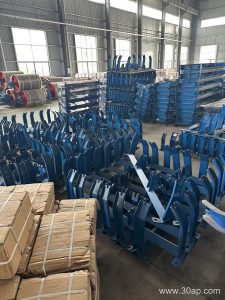
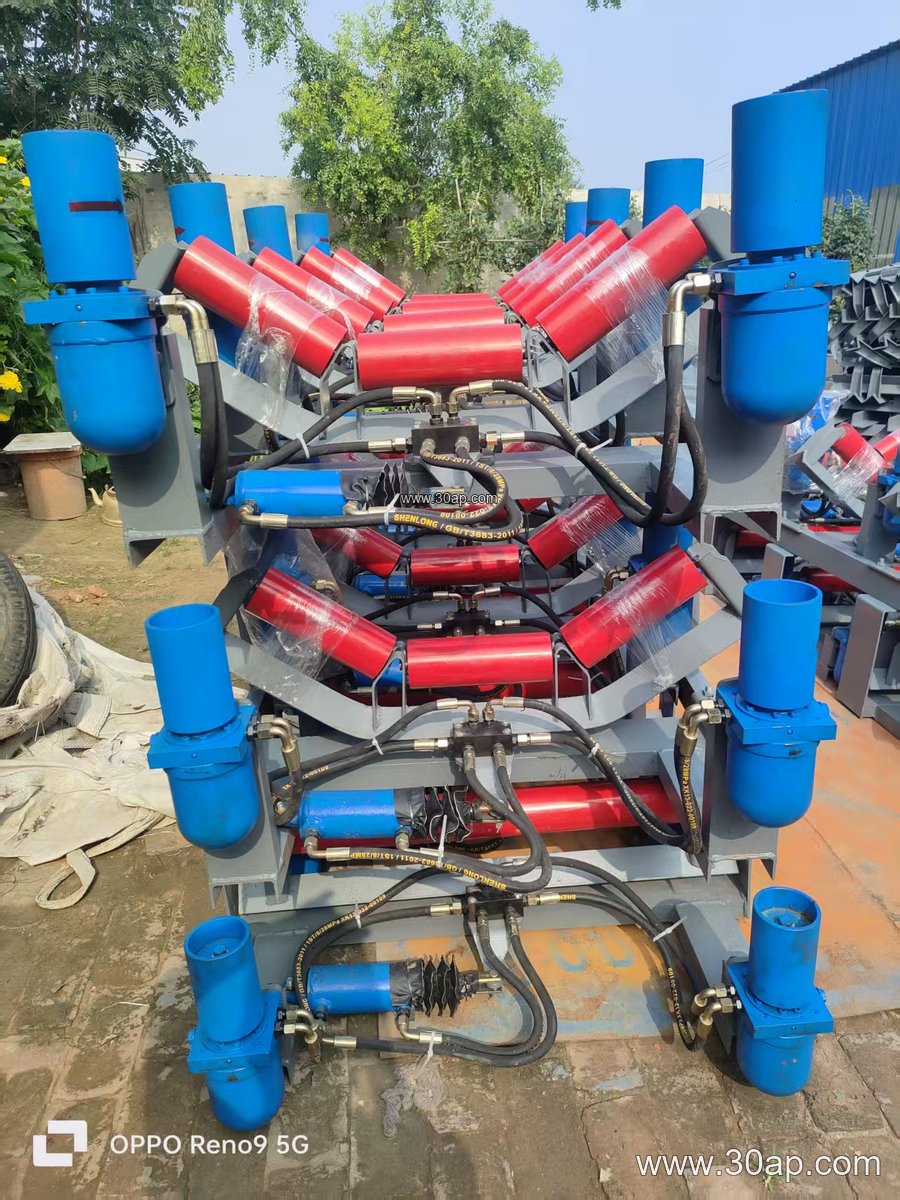
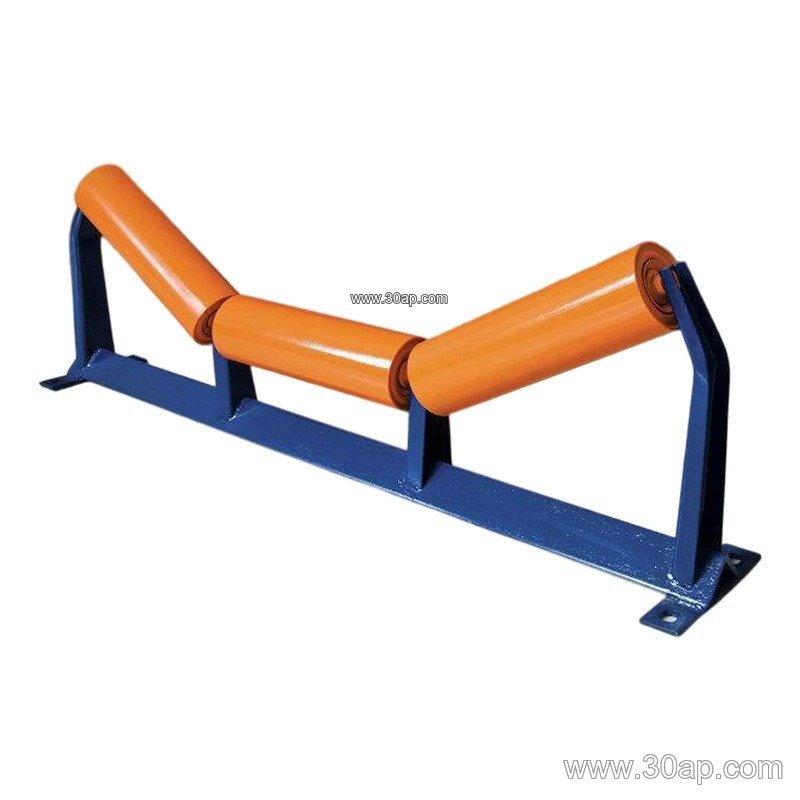
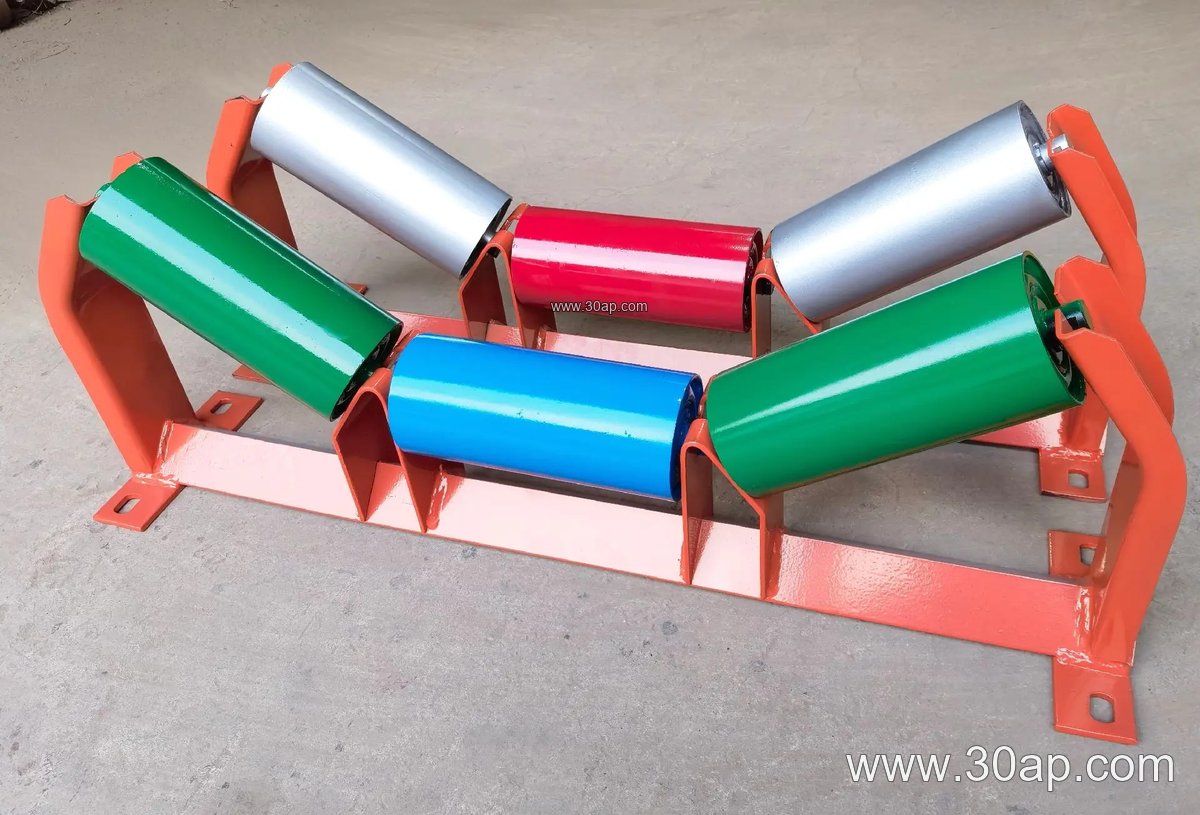
Most brackets are made from angle steel, channel steel or folded steel plate. A carry-side troughing bracket supports three rollers and forms the trough angle; a return bracket holds the belt on its way back. Because the bracket is a fabrication item, its cost follows steel weight, hole layout, welding time and surface treatment more than any single catalog number.
How the Price Is Built Up
When a supplier quotes a conveyor bracket price, several cost elements sit behind the number:
- Raw material: section size and plate thickness of the angle or channel.
- Fabrication: cutting, punching, bending and welding of the frame.
- Hole positions: mounting hole spacing changes with belt width and trough angle, so it is never a universal figure.
- Finish: painted, galvanized or left bare, depending on the site.
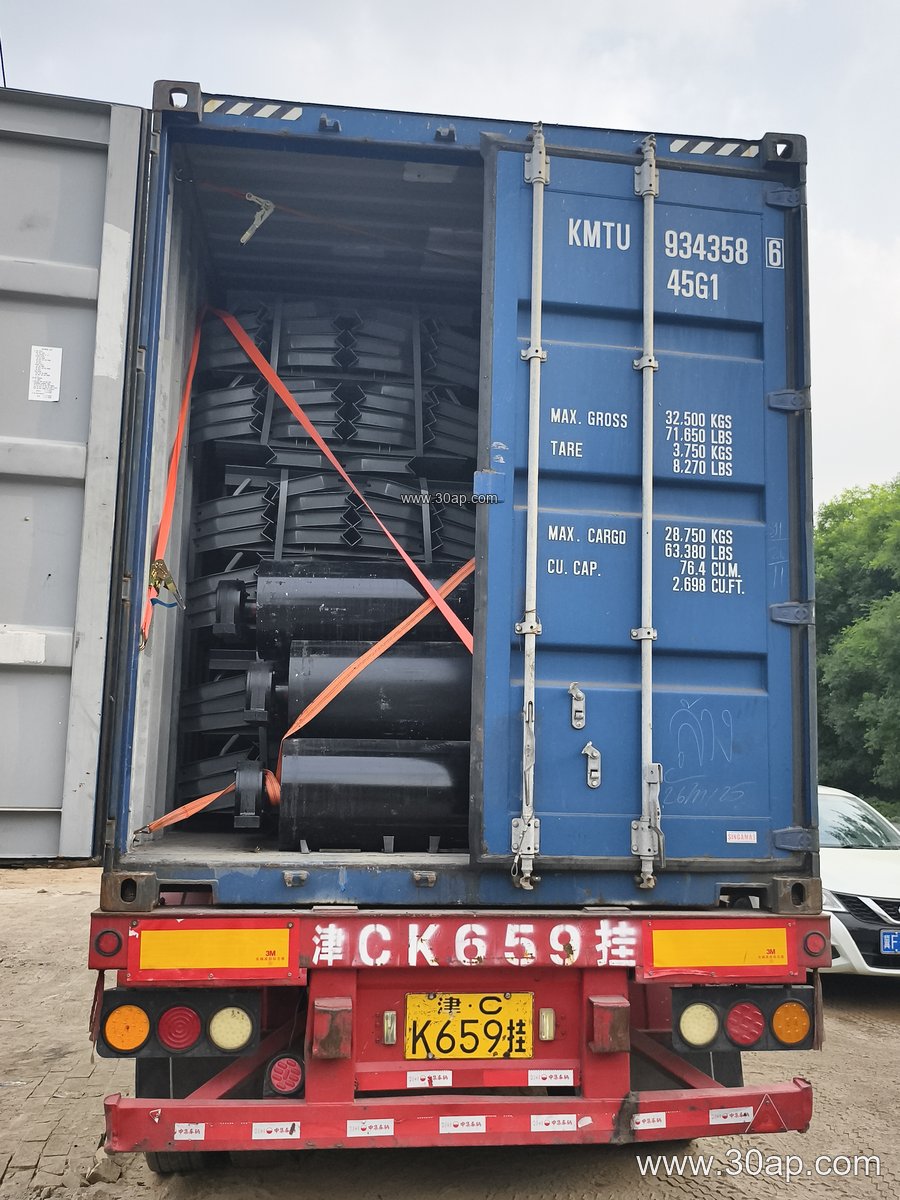
- Order volume and packing: mixed sizes in small batches usually cost more per piece.
This is why two brackets that look similar can carry quite different prices. A heavy-duty mining conveyor line with wide belts and impact zones will need sturdier frames than a light aggregate conveyor, and the quote should reflect that.
Common Types and Where They Are Used
Troughing brackets, transition brackets, return brackets, V-return brackets, impact brackets and self-aligning brackets each solve a different problem. Impact brackets are often placed under the loading point, where rock or ore drops onto the belt; self-aligning brackets help correct belt wander on long runs. Adjustable brackets allow the trough angle to be changed, which is useful when a plant handles several materials or wants to fine-tune belt contact.
Typical reference data for matching brackets to a belt line looks like this:
| Item | Common Reference Values |
|---|---|
| Belt width | B500, B650, B800, B1000, B1200, B1400, B1600, B1800 |
| Trough angle | 20°, 30°, 35°, 45° (adjustable types can move between these) |
| Roller diameter | Ø89, Ø108, Ø133, Ø159, Ø194 |
| Example combination | B800 with 35° and Ø108; B1200 with 45° and Ø133 |
These are reference values, not fixed pairings. A B1000 line may run 30° or 35° depending on the material and the belt speed, and the mounting hole spacing and crossbeam length are determined by design, not by belt width alone.
Matching the Bracket to the Rest of the Conveyor
The bracket does not work alone. It must fit the idler roller, sit correctly under the conveyor belt, and line up with the frame. On a steel cord conveyor belt installation, the belt is stiff and the bracket alignment must be accurate; on a fabric core conveyor belt line, small misalignments are more forgiving but still cause edge wear. In a coal mining conveyor belt system, flame retardant conveyor belt and anti-static conveyor belt are common, and the bracket finish should suit the same environment.
For a crusher conveyor belt or a quarry conveyor belt, impact brackets under the hopper are a practical choice, while a pipe conveyor belt or a corrugated sidewall conveyor belt may need a different frame layout entirely. The bracket type should follow the belt and roller selection, never replace it.
What to Check Before Comparing Quotes
Ask for the bracket drawing, the steel section used, the hole spacing and the surface treatment. Confirm the belt width, trough angle and roller diameter the bracket is designed for, and state the site conditions, whether that is a limestone mine, a power plant coal yard or a fertilizer warehouse. A clear specification makes the conveyor bracket price comparable, and it reduces the risk of receiving frames that do not fit the idlers or the conveyor structure.